Autonomous Vehicles Keep Failing the Unscripted Parts
Three stories, three different failure modes — and one industry still pretending edge cases are exceptions.
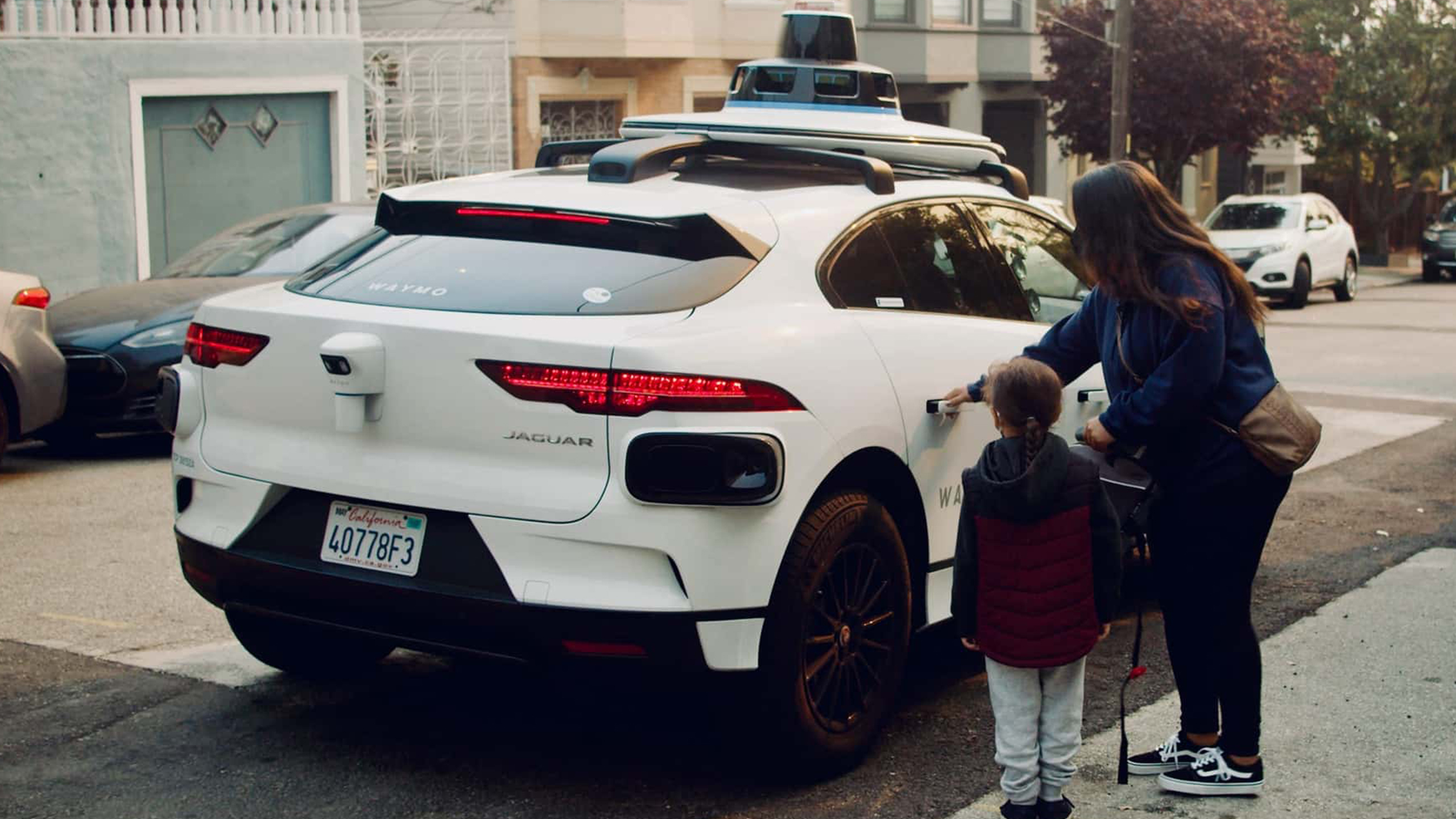
Photo · Carscoops
There's a version of the self-driving future that exists only in press releases. Clean intersections, orderly merges, polite handoffs between machine and road. Then there's the version playing out in real American streets right now: a Waymo getting swallowed by a Texas flood, dozens of empty robotaxis circling a confused Atlanta neighborhood like they forgot why they came, and Tesla quietly unredacting seventeen crash reports it had been calling confidential business information.
That last one is worth sitting with for a second. Confidential business information. Crashes. Filed with federal safety regulators. Hidden.
Three Failures, One Pattern
According to Carscoops, Waymo has issued a recall affecting thousands of vehicles after one of its robotaxis drove into a flooded road and was carried away by the water. The company has since paused its Texas operations while it works on a fix. The vehicle apparently couldn't reliably judge whether a road was passable — one of those scenarios that a sixteen-year-old with a learner's permit would handle by instinct, by the look of the water, the angle of the current, the way other drivers were behaving around it. The machine read none of that. It drove in.
Meanwhile, Jalopnik has been tracking something stranger and somehow funnier in suburban Atlanta, where an endless loop of empty Waymo vehicles keeps returning to the same neighborhood. No passengers. No apparent destination. Just dozens of autonomous cars appearing, circling, and reappearing in a residential area that didn't ask for them. The image is almost too good as metaphor — software confident enough to navigate but not wise enough to know it has nowhere to go.
And then there's Tesla. Electrek reports that the company has finally unredacted all seventeen of the crash narratives it filed with NHTSA related to its autonomous driving system — making it, until now, the only ADS operator to have blacked out every single one. The newly visible data is mixed: most incidents apparently weren't the fault of the autonomous system. But some of what's in there is genuinely concerning, and the fact that it took this long to see any of it is its own kind of story.
What the Industry Keeps Calling Edge Cases
The phrase you hear most often when autonomous vehicles fail is edge case — as if the world is mostly tidy and only occasionally weird. But flooded roads aren't rare in Texas. Traffic loops around residential neighborhoods aren't exotic. And crashes, wherever the fault lies, are exactly the kind of thing regulators exist to examine without a company's redaction stamp on top.
What these three stories share isn't incompetence, exactly. Waymo's technology is genuinely impressive in controlled conditions. Tesla's system handles the majority of scenarios without incident. The engineering behind all of it represents decades of serious work by serious people. That's not the issue.
The issue is the gap between what these systems can do and what the roads actually demand — and the industry's persistent tendency to treat that gap as a communications problem rather than a technical one. Pause the service. Unredact the reports. Tell the neighborhood you're working on it. The response to each failure is managed, measured, careful. The failures themselves keep arriving unmanaged, unmeasured, unannounced.
A car that drives itself into a flood isn't a software bug. It's a reminder that the road doesn't negotiate. It doesn't wait for the next update. It doesn't care how good the demo looked.
The unscripted parts of driving — the weird intersection, the water you can't gauge, the neighborhood that suddenly looks like every other neighborhood — are not the exception. They are the whole job.
Keep reading cars.

800 Horsepower, One Ton of Doubt
Lamborghini built the most powerful SUV it's ever made. It's also slower than what it replaced.

£11,990 Draws a Line Under Every Excuse You Had Left
Dacia just made the cheapest new car in Britain electric — and that's not a footnote, it's a verdict.
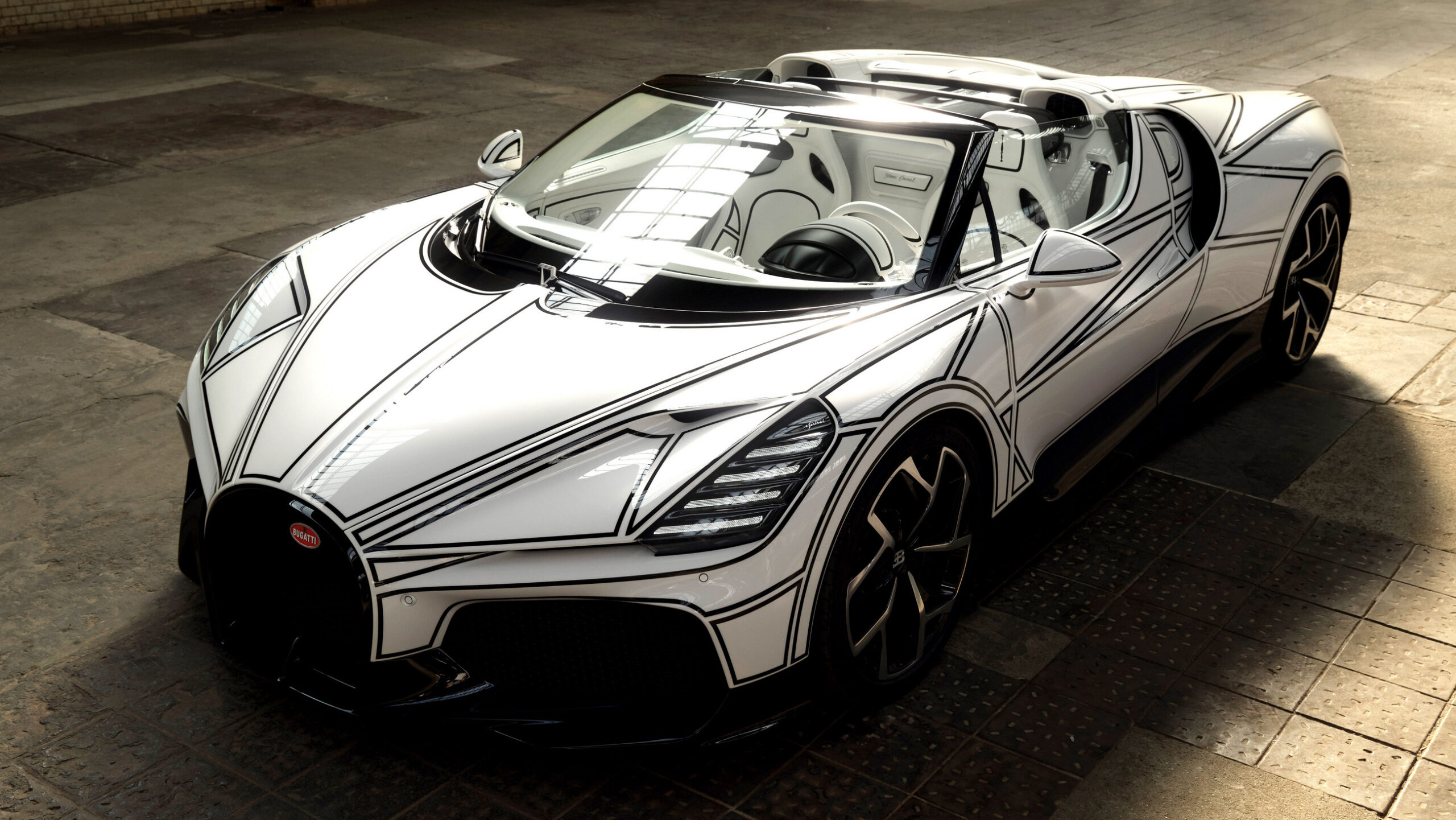
Blanc Éternel Hides Its Speed Behind a Gas Cap
Bugatti built a 261-mph roadster and made sure you'd notice the porcelain first.
From the other desks.

Gold Leaf on a Lacquer Dial, and the Weight of What That Costs
Awake's Frosted Leaf Royal Blue asks a question Vietnamese craft has never quite had to answer at this price.

ESPN Named Him. Then Unnamed Him. Nobody's Explaining the Gap.
A retraction without a reckoning is just a deleted link.

Hide My Email Has Been Showing Your Email
Apple's privacy flagship has a hole in it. They've known for over a year.