XPeng Isn't Shipping Cars to Europe Anymore. It Wants the Factory.
A writer at Electrek spotted something that looks like a logistics story. It's actually a territory story.

Photo · Electrek
There's a version of this news that gets filed under supply chain management. XPeng outgrows its contract manufacturing arrangement in Austria, looks for more space, finds a Volkswagen plant with availability. Reasonable. Practical. The kind of thing that earns three paragraphs and a stock ticker.
That version is wrong.
What Actually Happened
A writer at Electrek published the surface facts — XPeng in talks to acquire a VW facility in Europe, exports hitting a record 6,006 vehicles in April, up 62% year-over-year — and noted it came one day after BYD announced its own pursuit of European manufacturing partnerships with Stellantis and other automakers. One day. These are not coincidences. These are opening moves.
For years, the anxiety around Chinese EVs centered on imports: the tariffs, the price undercutting, the political friction of containers full of affordable electric cars arriving at European ports. The response from Western governments was largely protectionist — build the wall, raise the duty, slow the tide. And it worked, in the narrow sense that it made importing expensive.
What it didn't do was stop the ambition. It redirected it.
When you can't ship the product in, you ship the factory in. When the barrier is at the border, you move operations inside the border. This isn't a workaround — it's a maturation. It means Chinese automakers have decided Europe isn't a market to sell into. It's a market to operate within.
The Plant Is the Message
VW has a plant with availability. XPeng has a capacity problem and a growth curve — 62% export growth is not a rounding error, it's a signal. The transaction being discussed is, on paper, a real estate and manufacturing deal. But the subtext is harder to ignore: a Chinese EV company is in position to own European production infrastructure that a legacy Western automaker no longer needs at full capacity.
Sit with that for a moment.
The incumbent is selling. The challenger is buying. The challenger's exports are surging. And they're not alone — BYD is having the same conversation with different partners on the same week. The coordination may not be explicit, but the logic is shared.
Europe spent the last several years worried about Chinese cars on its roads. The more immediate question now is who builds cars on its soil, in its plants, employing its workers, and what that does to the political calculus around regulation, competition, and the future of the continent's most important industrial sector.
Tariffs were meant to protect European manufacturing. European manufacturing may end up being what Chinese automakers acquire.
The irony isn't subtle. But history rarely is.
Keep reading cars.

800 Horsepower, One Ton of Doubt
Lamborghini built the most powerful SUV it's ever made. It's also slower than what it replaced.

£11,990 Draws a Line Under Every Excuse You Had Left
Dacia just made the cheapest new car in Britain electric — and that's not a footnote, it's a verdict.
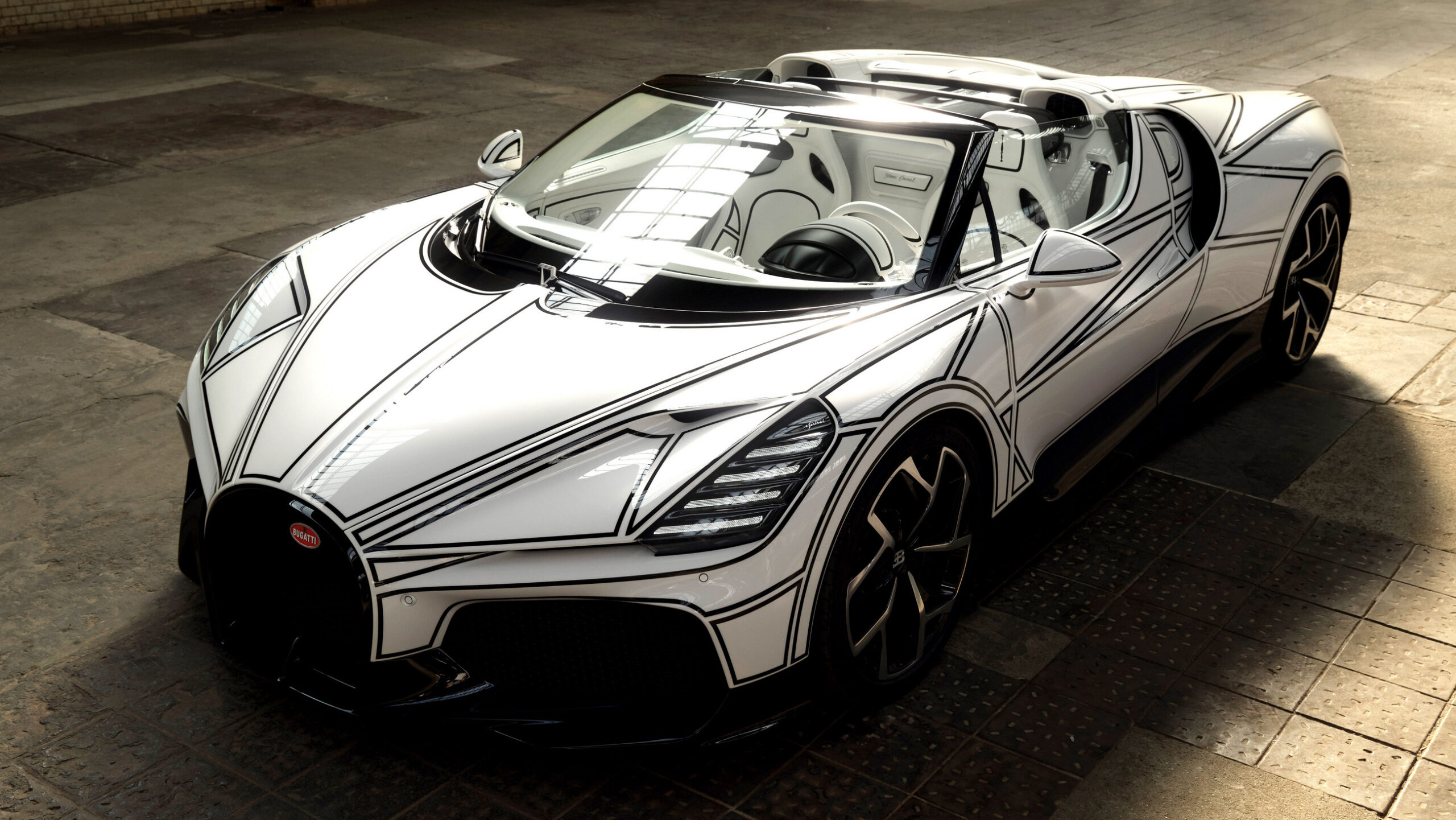
Blanc Éternel Hides Its Speed Behind a Gas Cap
Bugatti built a 261-mph roadster and made sure you'd notice the porcelain first.
From the other desks.

Gold Leaf on a Lacquer Dial, and the Weight of What That Costs
Awake's Frosted Leaf Royal Blue asks a question Vietnamese craft has never quite had to answer at this price.

ESPN Named Him. Then Unnamed Him. Nobody's Explaining the Gap.
A retraction without a reckoning is just a deleted link.

Hide My Email Has Been Showing Your Email
Apple's privacy flagship has a hole in it. They've known for over a year.