Better Late Than Irrelevant
Nissan just showed up to the hybrid party seven years after everyone else — and somehow, it might not matter.
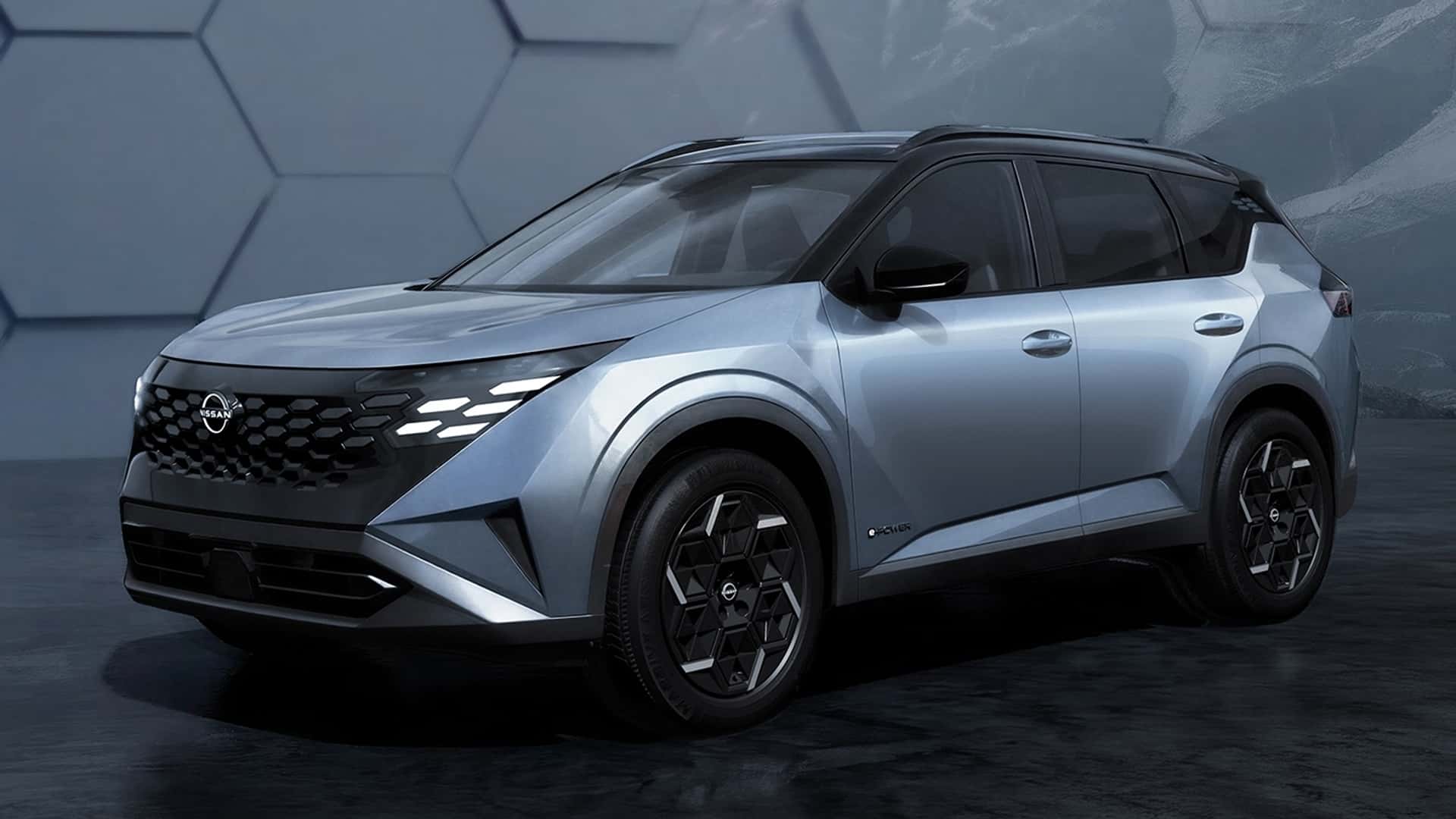
Photo · Motor1.com - Articles
Seven years. That's how long Nissan sat out the hybrid conversation in America while Toyota, Ford, and Honda quietly rewrote the rules of the segment. The 2027 Rogue E-Power isn't just a new powertrain — it's an admission, in steel and software, that the company blinked and the world moved.
The Autopian put it plainly: over the past seven years, hybrids exploded in popularity, and Nissan didn't offer a single normal hybrid in the U.S. There was a previous Rogue Hybrid, technically — but it lasted two model years and most of the country couldn't even buy one. It was less a product than a rumor. So when Nissan arrives now with the E-Power system and a freshly ditched CVT, the honest reaction isn't applause. It's: finally.
But here's where it gets interesting.
The Machine Itself
The E-Power setup is strange in the best way. It doesn't work like a conventional hybrid, and it doesn't work like a plug-in. The gasoline engine isn't driving the wheels directly — it's generating electricity, and the electric motor does the actual work of moving the car. Motor1 called it an EV driving experience without the range anxiety, and that framing is the whole pitch in a sentence. You get the linear, immediate torque delivery of an electric motor. You don't get the 3 a.m. charging-station panic.
For a lot of buyers — the ones who want to feel the future but aren't ready to live in it — that's a genuinely compelling middle ground. The CVT is gone, which matters more than it sounds. That transmission was the sensory villain of the old Rogue: the engine drone climbing while the car seemed to hesitate, the disconnect between noise and acceleration that made every hard merge feel slightly dishonest. Replacing it changes the character of the car from the first moment you press the pedal.
InsideEVs framed the Rogue E-Power as Nissan's answer to the RAV4 Hybrid — which is both accurate and a little brutal, because the RAV4 Hybrid has been eating this segment alive for years. Nissan isn't setting the terms here. It's responding to them.
What Three Sources Agree On (And What They Don't Say)
Read all three pieces together and a pattern emerges: everyone is impressed enough by the powertrain to mostly let the lateness slide. The technology gets the attention. The timeline gets a footnote. That's understandable — the E-Power system is genuinely novel for this market — but it's worth sitting with the gap between interesting and competitive.
Being interesting in 2027 isn't the same as being the right choice in 2027. Toyota has years of hybrid refinement and a loyalty base that borders on religious. Ford's hybrid lineup has found its footing. Nissan is walking into a room where the furniture is already arranged and asking people to rearrange it for them.
What none of the coverage dwells on is the cultural cost of the absence. Seven years of buyers who wanted a Nissan hybrid and bought something else instead. Some of them liked it. Some of them are now loyal to a different brand. You don't get those customers back by showing up with a good product. You get them back slowly, over years, by being consistently good — which requires starting, which Nissan is only now doing.
The E-Power is a real answer to a real question. It delivers something the segment hasn't offered in quite this form: EV sensation without EV commitment. That's not nothing. That might even be exactly what a specific, anxious, practical slice of the market has been waiting for.
But Nissan didn't wait for the market. The market waited for Nissan — and eventually stopped waiting.
Keep reading cars.

800 Horsepower, One Ton of Doubt
Lamborghini built the most powerful SUV it's ever made. It's also slower than what it replaced.

£11,990 Draws a Line Under Every Excuse You Had Left
Dacia just made the cheapest new car in Britain electric — and that's not a footnote, it's a verdict.
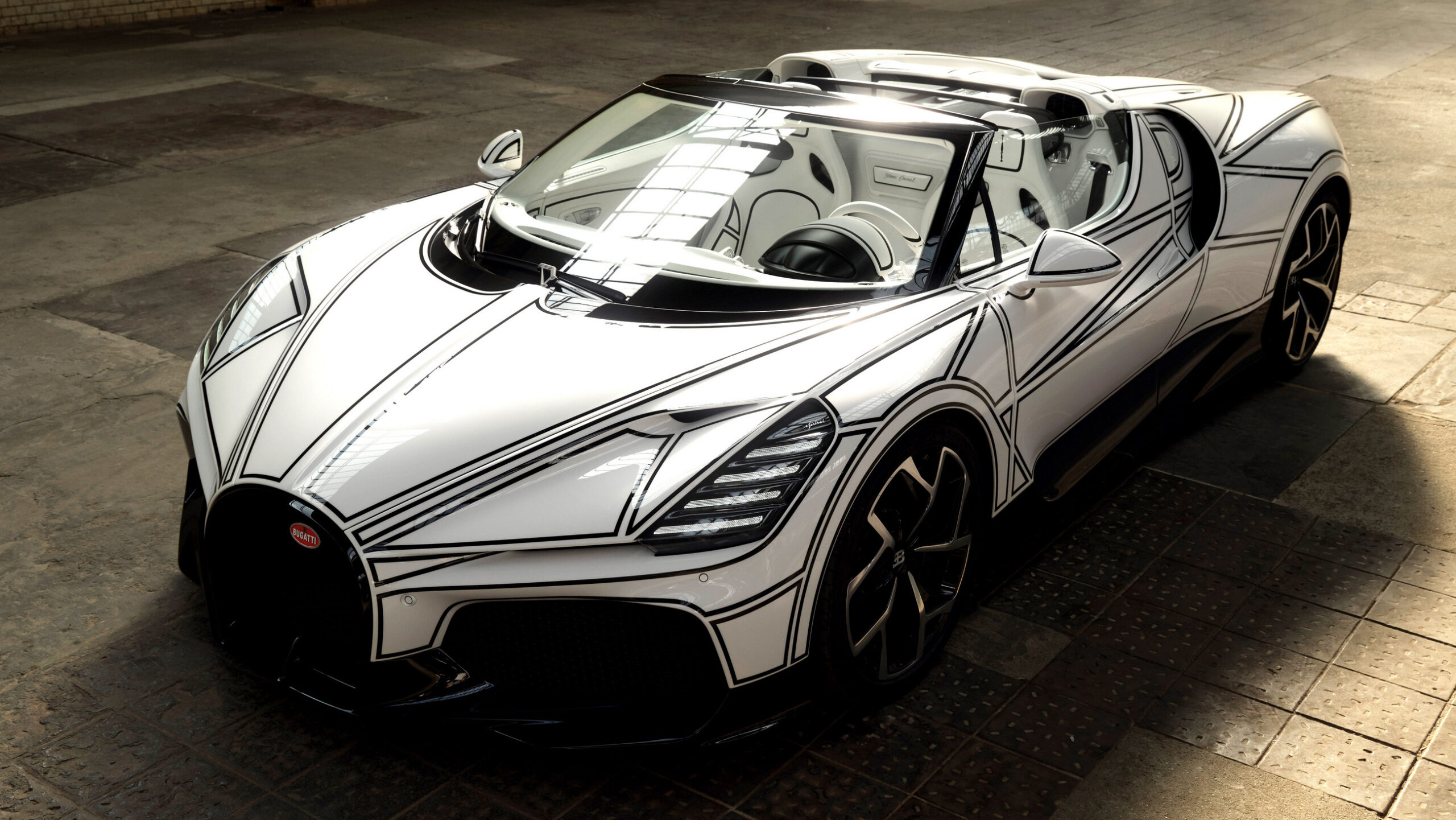
Blanc Éternel Hides Its Speed Behind a Gas Cap
Bugatti built a 261-mph roadster and made sure you'd notice the porcelain first.
From the other desks.

Gold Leaf on a Lacquer Dial, and the Weight of What That Costs
Awake's Frosted Leaf Royal Blue asks a question Vietnamese craft has never quite had to answer at this price.

ESPN Named Him. Then Unnamed Him. Nobody's Explaining the Gap.
A retraction without a reckoning is just a deleted link.

Hide My Email Has Been Showing Your Email
Apple's privacy flagship has a hole in it. They've known for over a year.