BYD Put Its Balance Sheet Where Tesla Put a Disclaimer
When one company assumes full liability for autonomous crashes and another never has, the question of who you trust behind the wheel answers itself.
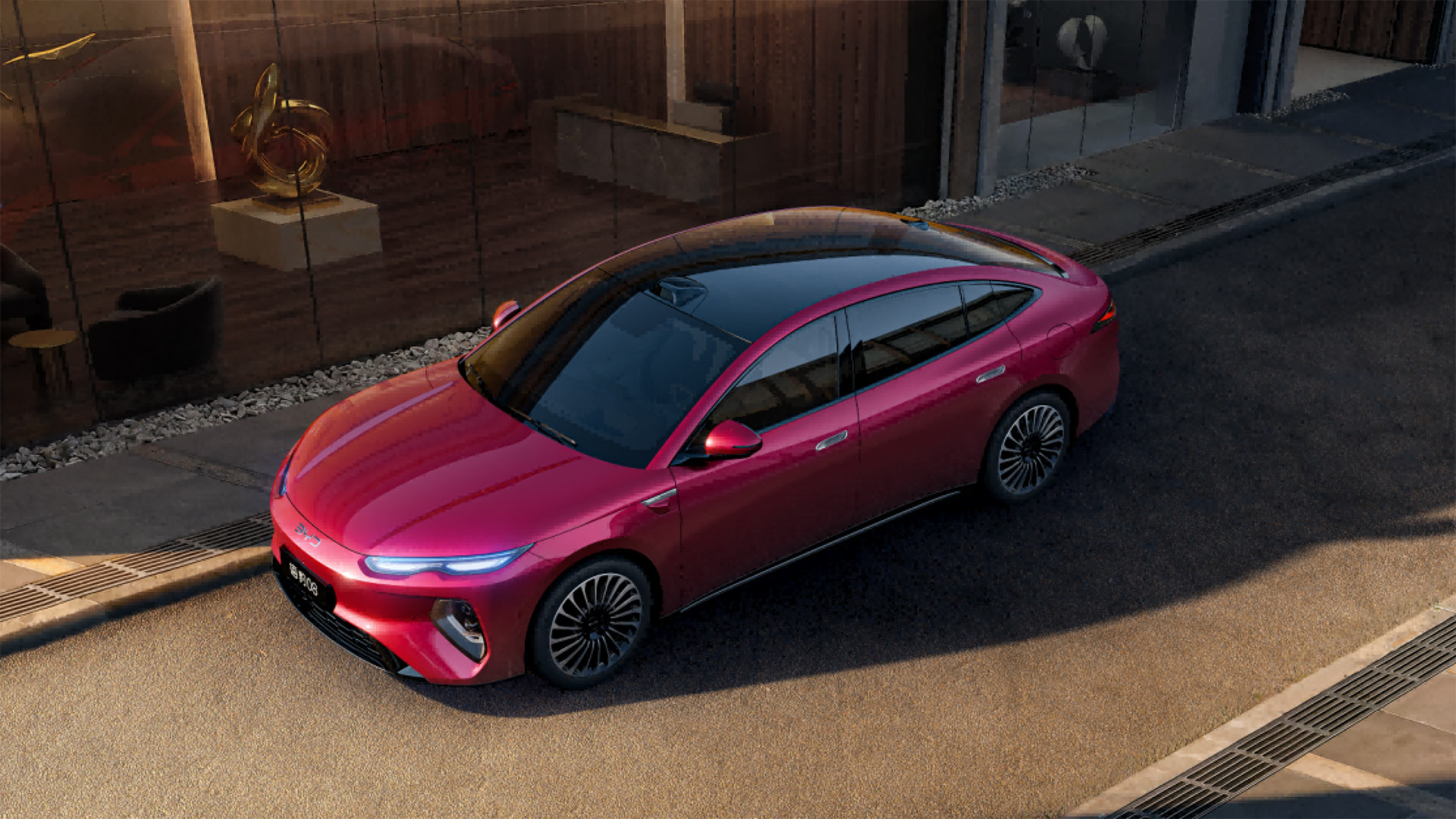
Photo · Motoring Research
There's a version of self-driving where the car does the driving and you absorb the consequences. That's been the default. That's been Tesla's position. And for a long time, nobody in the industry felt enough pressure to change it.
BYD just changed it.
The company announced it will assume full financial liability for at-fault accidents that occur while its God's Eye urban driving system is active — no cap on the payout, according to Electrek's coverage. Motoring Research notes it applies currently only to vehicles in China, but the move exists and it is specific and it has a name and a number attached to it: all losses, covered, when the system is at fault. That's not marketing language. That's a legal exposure.
What Tesla Chose Instead
Tesla has never made this commitment for Full Self-Driving. Not once. Electrek makes the comparison directly — BYD is doing something Tesla hasn't done, and that framing is the most clarifying thing written about autonomous driving liability in a while. Because when you hold the two positions side by side, you see that the industry's standard liability model hasn't just been cautious. It's been a transfer of risk from manufacturer to driver, dressed up in progress language.
The standard model says: we built the technology, you agreed to the terms, figure it out. BYD's model says: we built the technology, we believe in it enough to own what it does. Those aren't just different legal postures. They're different bets. One company is betting its balance sheet. The other has been betting yours.
I keep coming back to what it means to sit inside a machine that's making decisions at highway speed and know that if it gets one wrong, the legal and financial exposure is yours alone. The car acts. You pay. That arrangement has been normalized because there was no alternative on offer. Now there is.
The Price of Accountability
This is what accountability looks like when it has a dollar amount attached. Not a statement of values, not a safety score. An actual financial commitment with no ceiling. That kind of move changes what competitors have to say when customers start asking why they haven't done the same thing.
The China-only scope matters — this isn't global yet, and Motoring Research is right to flag it. But the logic of the commitment doesn't respect geography. Once a company has said we'll cover it, and another company hasn't, that asymmetry becomes a sales conversation everywhere the two brands compete.
BYD called the system God's Eye. Whether the name ages well depends entirely on whether the system earns it. But naming your autonomous driving stack after omniscience and then backing it with unlimited liability is, at minimum, coherent. You don't make that bet if you don't believe the machine is ready.
The market is starting to choose who it trusts. BYD just made that choice easier to make.
Keep reading cars.

800 Horsepower, One Ton of Doubt
Lamborghini built the most powerful SUV it's ever made. It's also slower than what it replaced.

£11,990 Draws a Line Under Every Excuse You Had Left
Dacia just made the cheapest new car in Britain electric — and that's not a footnote, it's a verdict.
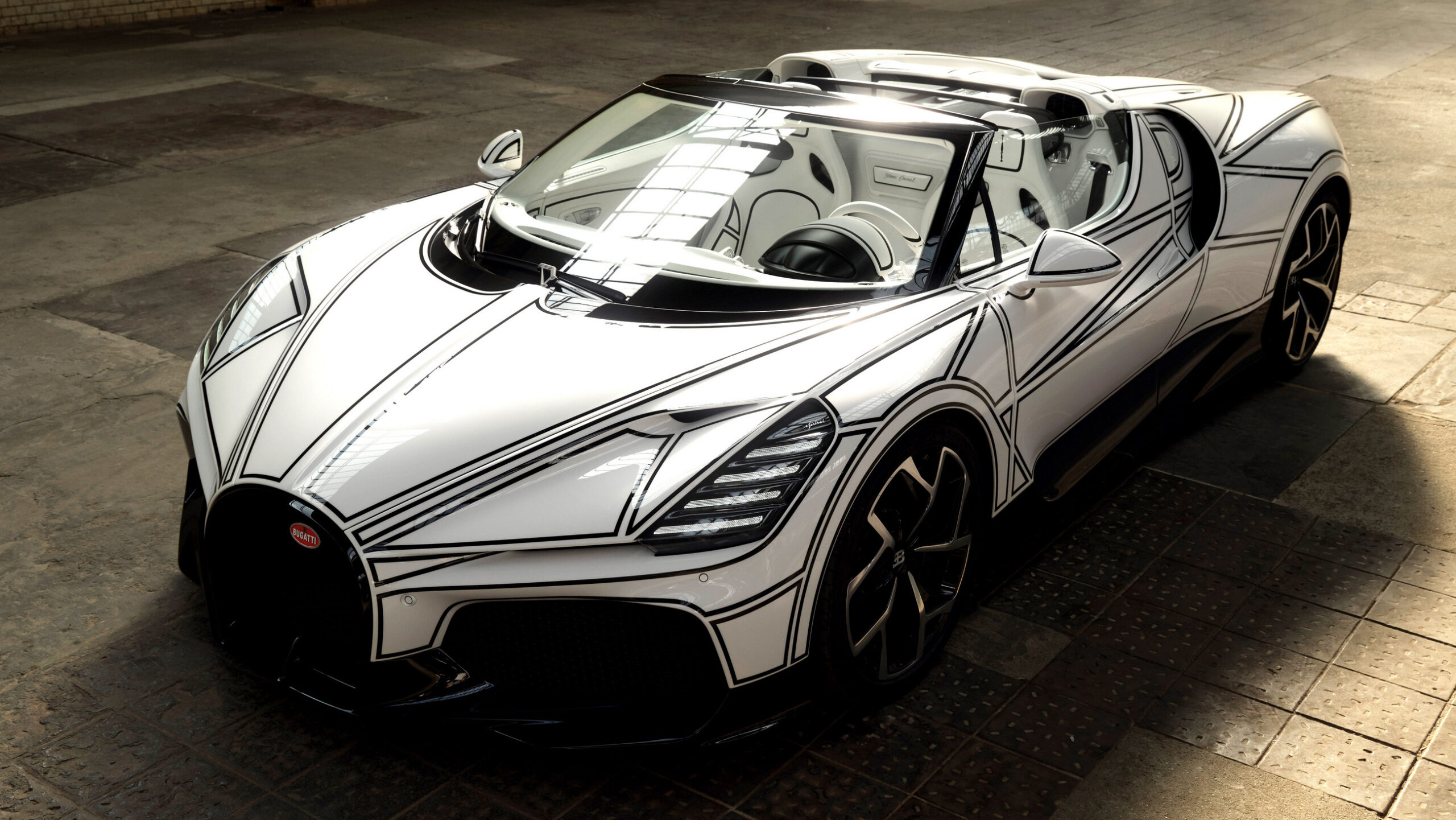
Blanc Éternel Hides Its Speed Behind a Gas Cap
Bugatti built a 261-mph roadster and made sure you'd notice the porcelain first.
From the other desks.

Gold Leaf on a Lacquer Dial, and the Weight of What That Costs
Awake's Frosted Leaf Royal Blue asks a question Vietnamese craft has never quite had to answer at this price.

ESPN Named Him. Then Unnamed Him. Nobody's Explaining the Gap.
A retraction without a reckoning is just a deleted link.

Hide My Email Has Been Showing Your Email
Apple's privacy flagship has a hole in it. They've known for over a year.