Catching Reckless Drivers Was Credible. This Isn't That.
When a camera system built to protect kids starts scanning every plate on every block, the safety argument doesn't expand — it collapses.
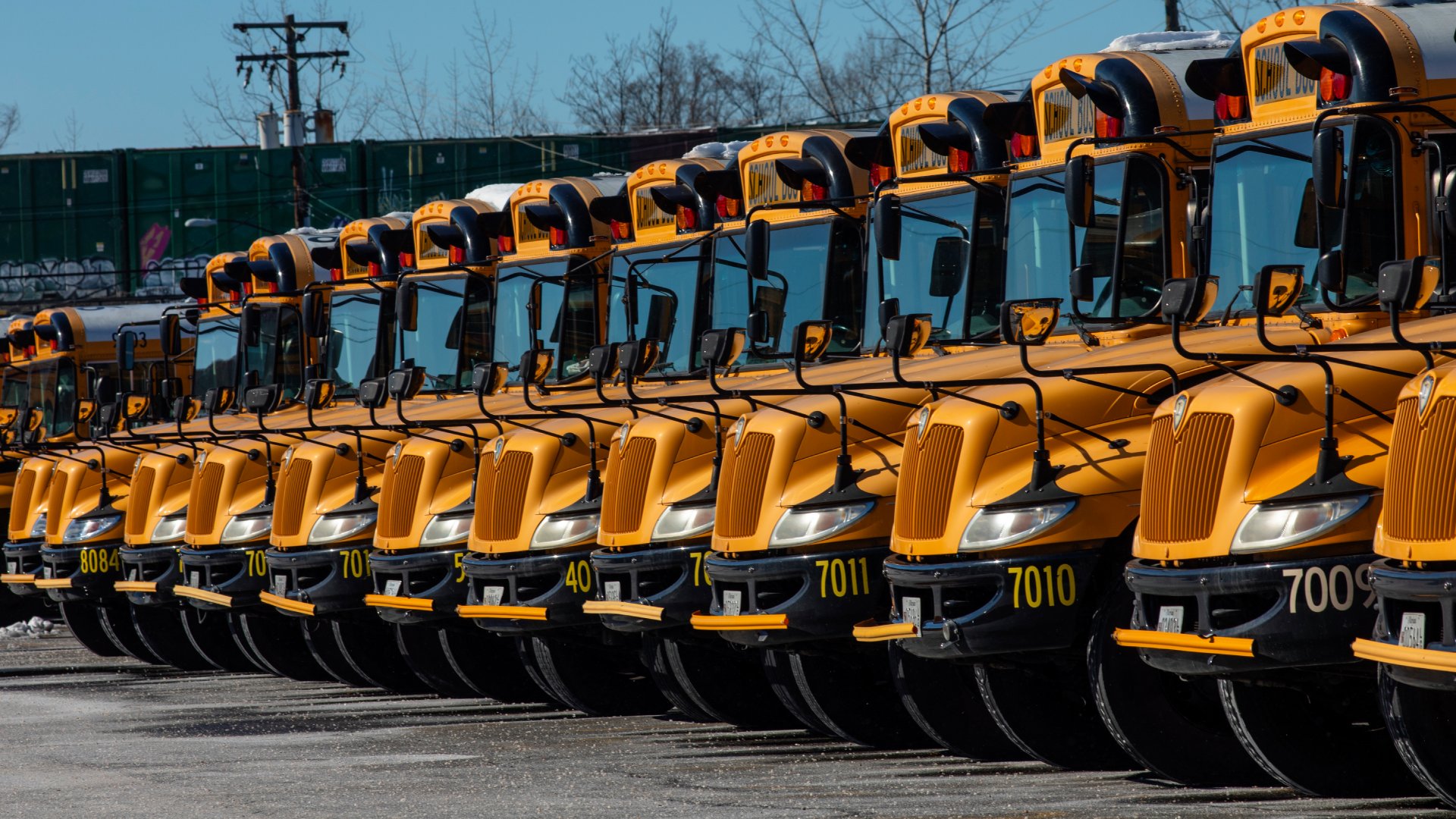
Photo · The Drive
The Tool Was Good. The Expansion Is Something Else.
There is a specific kind of driver who blows past a stopped school bus. Flashing lights, extended arm, children stepping onto asphalt — and someone, somewhere, decides their minute matters more than all of that. Nobody reasonable defends that person. The camera system designed to catch them had a clear mandate, a visible threat, and a hard moral case. It worked because the scope was tight.
Now a writer at The Drive has flagged what happens when tight scope becomes a selling point to abandon. The company behind those school bus cameras — the ones aimed at drivers who illegally pass stopped buses — wants to repurpose the hardware into roving license plate readers. Not pointed at an intersection. Not triggered by a stop arm. Rolling through neighborhoods, scanning plates, building a record of where vehicles were and when.
The buses aren't changing. The children inside aren't changing. What's changing is what the cameras are looking for, and how much of it they're collecting.
When Protection Becomes a Vector
This is the move surveillance infrastructure always makes, eventually. You install it for the obvious case — the dangerous driver, the blown red light, the parking violation. The obvious case is inarguable, and nobody wants to be the person arguing against it. Then the hardware is already there, already budgeted, already normalized. The question becomes: what else can it do?
License plate readers on school buses is a clean answer to that question. The buses go everywhere. They run routes through residential streets, past driveways, through school zones, past parked cars that belong to people who have done nothing except exist on a route. A plate reader on a bus isn't surveilling an intersection. It's surveilling a neighborhood, repeatedly, on a schedule.
The safety argument doesn't travel. Catching a driver who blows past a stop arm requires a camera pointed at that specific moment of danger. Scanning every plate on a residential block at 7:40 in the morning requires something else — a different intention, a different architecture, a different relationship between the tool and the people it touches.
What The Drive is pointing at isn't a technical story. It's a credibility story. Safety infrastructure earns its authority through specificity. It says: this is the threat, this is the response, this is where the response ends. The moment the response stops ending, the authority doesn't grow — it starts to corrode. You can't claim protection as your mandate while building mass data collection as your product.
The school bus was a shield. Turning it into a scanner doesn't make the shield bigger.
It makes you wonder who the shield was really for.
Keep reading cars.

800 Horsepower, One Ton of Doubt
Lamborghini built the most powerful SUV it's ever made. It's also slower than what it replaced.

£11,990 Draws a Line Under Every Excuse You Had Left
Dacia just made the cheapest new car in Britain electric — and that's not a footnote, it's a verdict.
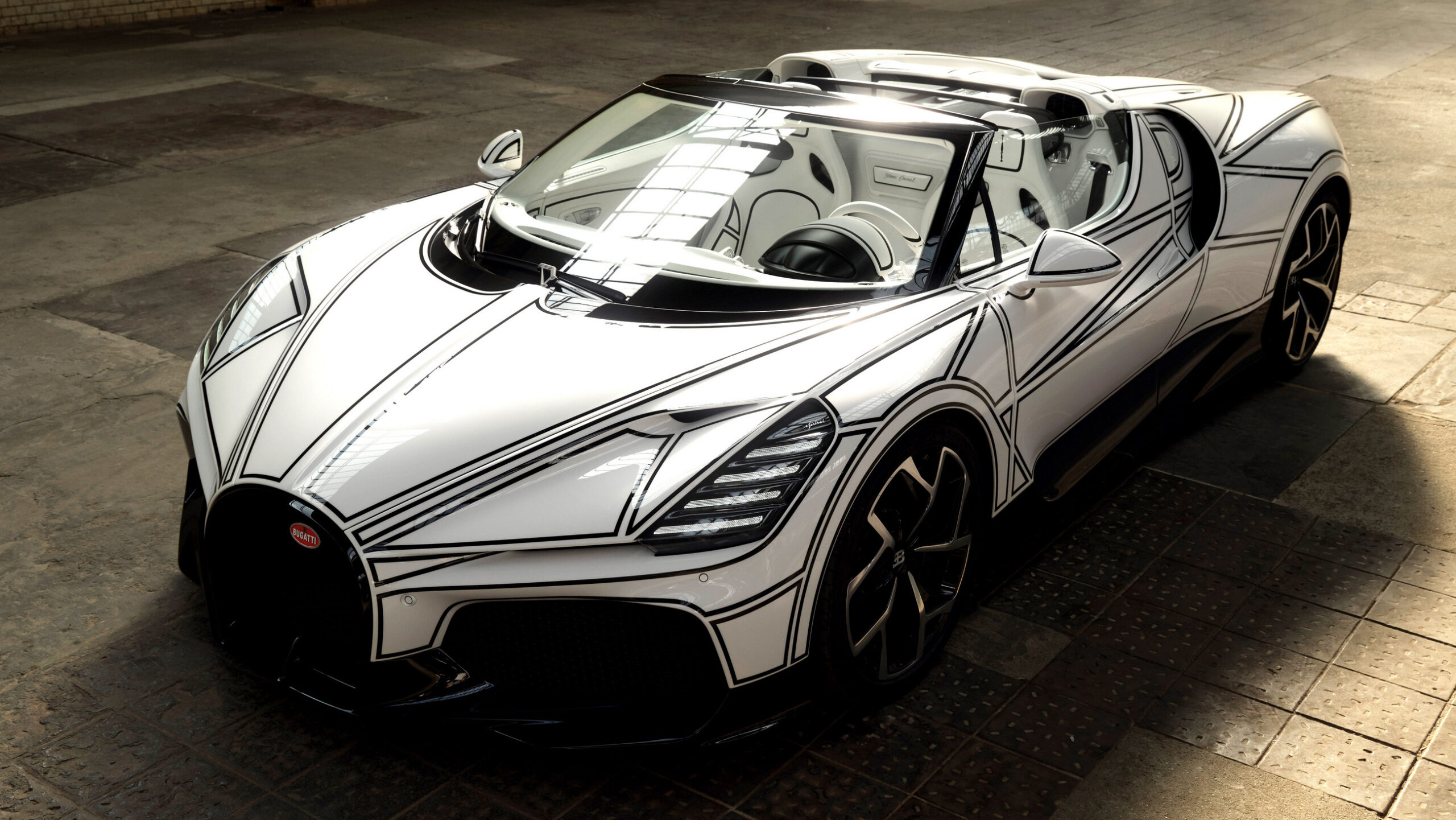
Blanc Éternel Hides Its Speed Behind a Gas Cap
Bugatti built a 261-mph roadster and made sure you'd notice the porcelain first.
From the other desks.

Gold Leaf on a Lacquer Dial, and the Weight of What That Costs
Awake's Frosted Leaf Royal Blue asks a question Vietnamese craft has never quite had to answer at this price.

ESPN Named Him. Then Unnamed Him. Nobody's Explaining the Gap.
A retraction without a reckoning is just a deleted link.

Hide My Email Has Been Showing Your Email
Apple's privacy flagship has a hole in it. They've known for over a year.