Charles Leclerc Just Bet More Years on a Team That Hasn't Won Since 2008
The contract is signed. The championship is still a theory.
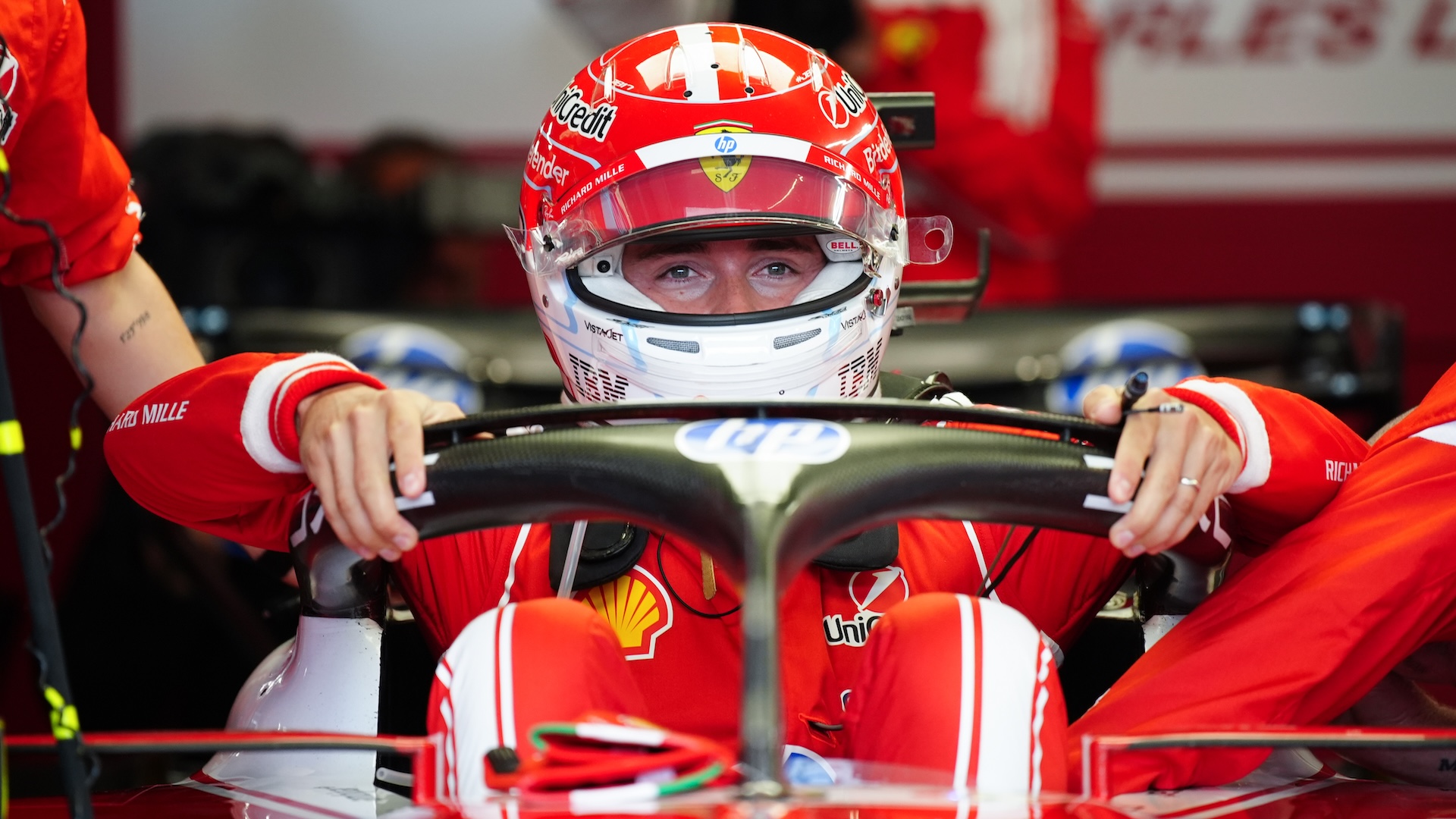
Photo · The Drive
Some commitments read like strategy. Some read like devotion. The hardest ones to evaluate are the ones that look exactly like both.
Charles Leclerc has extended his contract with Ferrari — a multi-year deal that, according to reporting from Motorsport.com, is thought to carry him at least three seasons beyond 2026, well past the end of a previous deal that was already set to run through 2027. The announcement came on a Wednesday morning and landed with the kind of institutional weight Ferrari knows how to manufacture. Red and gold. Maranello. The crest. The whole cathedral.
And underneath all of it, a question nobody in the press release will answer: what exactly is he betting on?
The Gap Between Faith and Evidence
Ferrari's last constructors' championship came in 2008. That fact, reported across multiple outlets covering this extension, has a way of making the contract feel less like a renewal and more like a recurring argument with yourself. Autoweek framed it plainly — Leclerc has committed his future to a Scuderia still in pursuit of its first title in over sixteen years. The Drive went further, noting that despite recent improvements, Ferrari continues to struggle with the operational consistency a title fight actually demands, even with Leclerc and Lewis Hamilton both on the books.
That last part matters. You can have two of the most talented drivers in the sport and still lose races at the pit wall. Ferrari's history on this specific point is not kind. The raw speed has often been there. The execution, in the moments that cost championships, often hasn't.
So when Leclerc signs again, he's not just signing for the car. He's signing for the organization. He's betting that the version of Ferrari coming in the next regulatory cycle is a different animal than the one that has burned him before. That's either clear-eyed conviction or an extremely expensive form of hope, and from the outside, those two things are almost impossible to tell apart.
What Loyalty Costs in Formula 1
The Motorsport.com piece frames this as a leap of faith — their words, not softened. And faith is exactly what it is, because the alternative framing, the rational one, gets uncomfortable fast. Leclerc is in his mid-twenties. The windows in this sport are narrow and they close without ceremony. Other teams exist. Other seats open. The calculation he's making isn't just about 2025 or 2026 — it's about whether Ferrari can become a championship-caliber operation before his best years are behind him.
There's a version of this story where it works. Where the technical reset that Formula 1 is heading into gives Ferrari the clean slate it needs, where the pieces already in place — the engineering investment, the driver lineup, the renewed focus — converge into something that finally finishes what the last decade kept starting. That version exists. It's plausible.
But plausible isn't the same as likely, and Leclerc has been in this building long enough to know the difference between a team trending upward and a team that has arrived. He's signing before he knows which one Ferrari actually is.
Maybe that's the only move available to someone who genuinely believes. You don't wait for certainty. You commit, and you make the certainty happen through the committing.
Or you sign a long-term deal with a team that hasn't won a championship in sixteen years and call it faith, and hope the car catches up to the contract.
Keep reading cars.

800 Horsepower, One Ton of Doubt
Lamborghini built the most powerful SUV it's ever made. It's also slower than what it replaced.

£11,990 Draws a Line Under Every Excuse You Had Left
Dacia just made the cheapest new car in Britain electric — and that's not a footnote, it's a verdict.
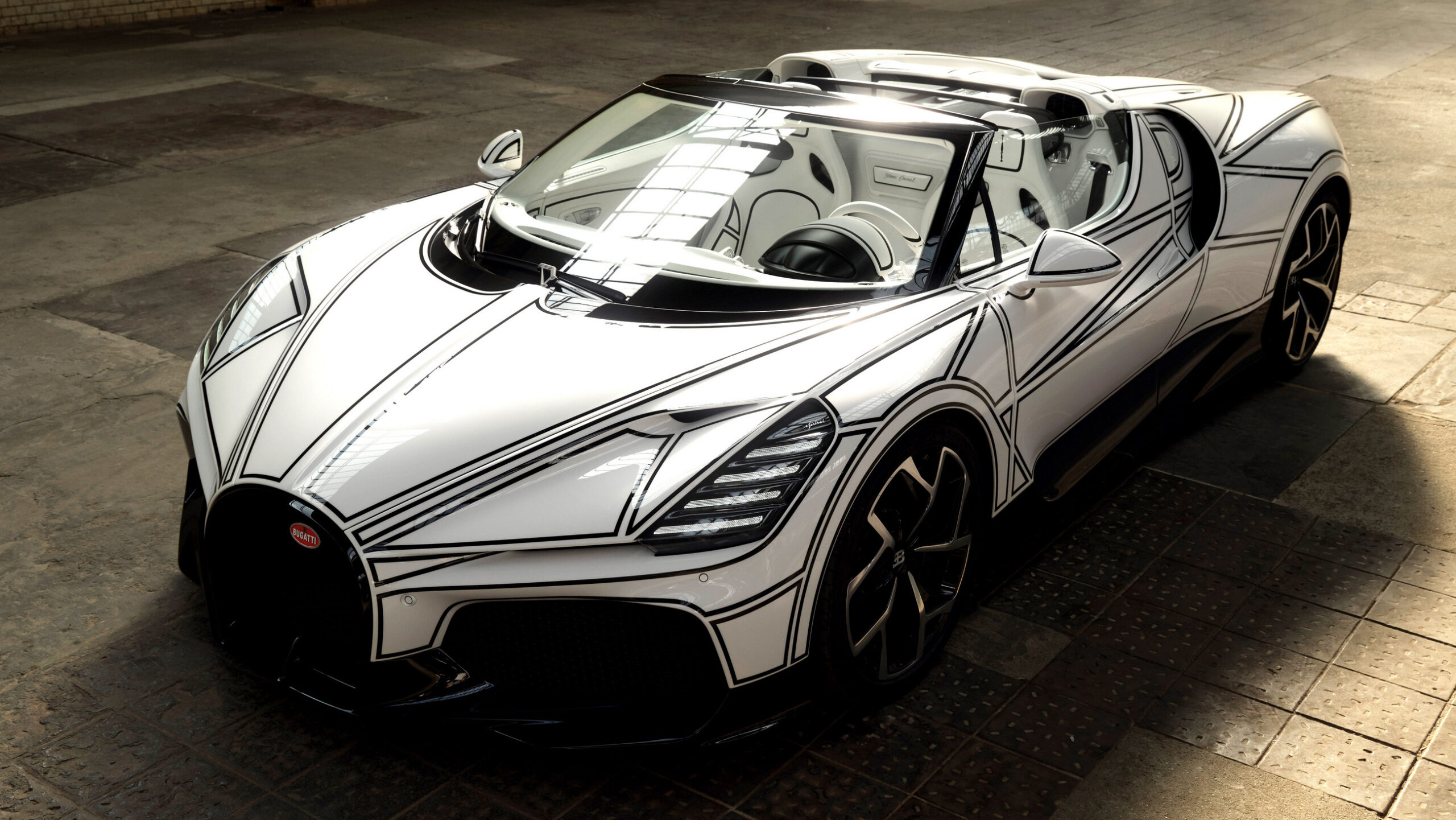
Blanc Éternel Hides Its Speed Behind a Gas Cap
Bugatti built a 261-mph roadster and made sure you'd notice the porcelain first.
From the other desks.

Gold Leaf on a Lacquer Dial, and the Weight of What That Costs
Awake's Frosted Leaf Royal Blue asks a question Vietnamese craft has never quite had to answer at this price.

ESPN Named Him. Then Unnamed Him. Nobody's Explaining the Gap.
A retraction without a reckoning is just a deleted link.

Hide My Email Has Been Showing Your Email
Apple's privacy flagship has a hole in it. They've known for over a year.