Dacia Spring Changes Everything Except the Price Tag
Moving production from China to Europe without breaking the budget isn't a logistics story — it's a stress test for the entire idea of affordable European EVs.
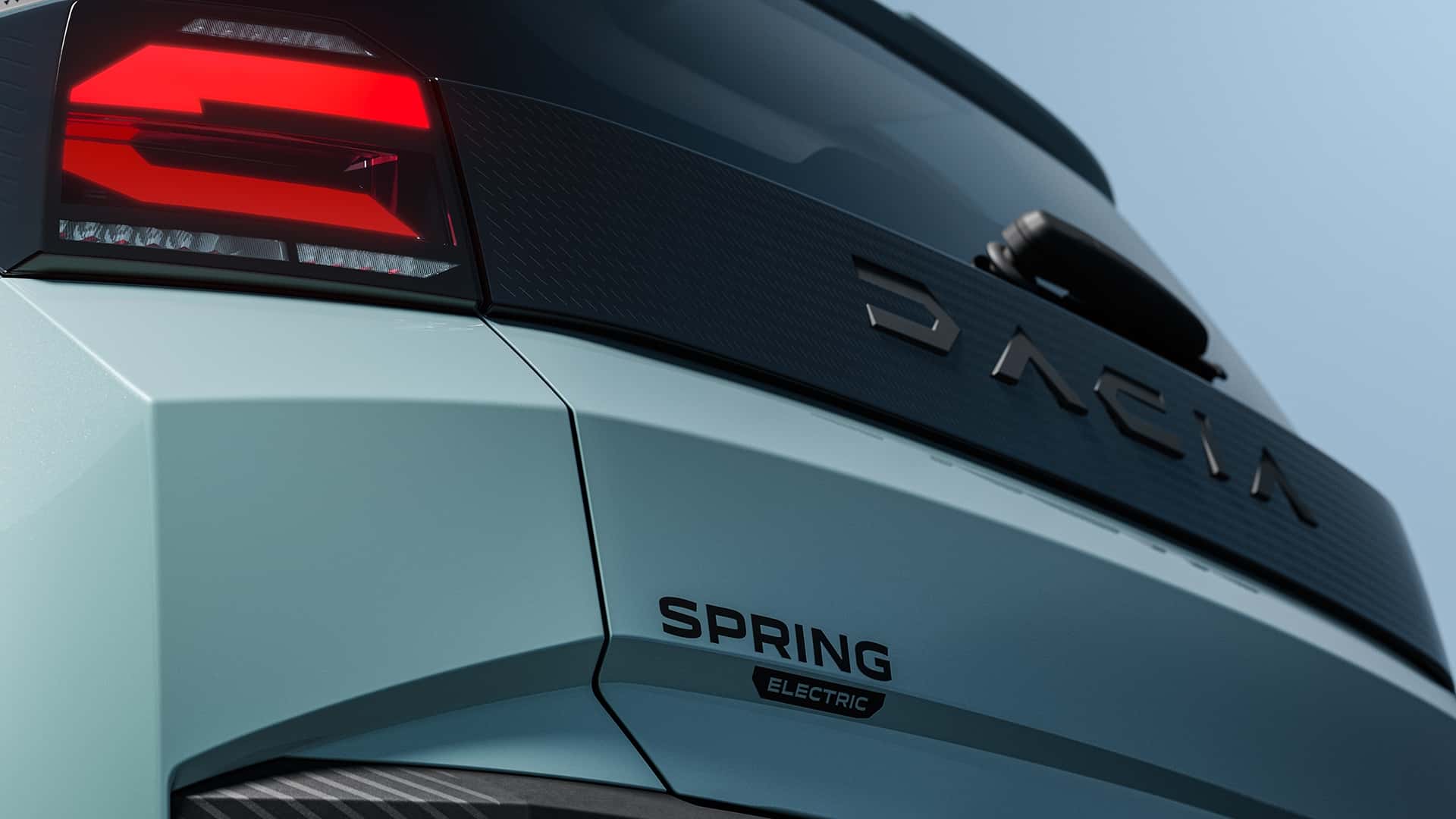
Photo · InsideEVs - Articles
What InsideEVs Is Actually Saying
A writer at InsideEVs has staked out a position worth sitting with: the next Dacia Spring keeps its name, keeps its small footprint, keeps its affordability — but moves production from China to Europe. On the surface, that reads like a supply chain update. Underneath it, it's one of the more quietly consequential decisions in the current EV market.
Because here's what that shift actually means. The original Spring worked — commercially, conceptually — because it was made in China. That's not an accusation. That's just the arithmetic of how you build a genuinely accessible electric car in 2024. European manufacturing costs what it costs. Chinese manufacturing costs something different. The Spring existed in the gap between those two numbers, and a lot of people bought it because of that gap.
Now Dacia is closing the gap from the other side. Same car. Different country. Presumably similar price — or at least that seems to be the ambition, given that affordability is the entire identity of the thing. If the price climbs significantly, the Spring stops being the Spring in any meaningful sense, regardless of what the badge says.
The Stress Test Nobody Wanted to Run
European EV policy has been threading a needle for years: encourage domestic production, reduce reliance on Chinese manufacturing, and somehow keep electric cars within reach of ordinary buyers. The Spring was a living demonstration of why that needle is nearly impossible to thread. It was affordable because it was made in China. The moment you move it, you're running the experiment live.
What InsideEVs is gesturing at — and what deserves more direct attention — is that this isn't just Dacia's problem. It's a proof of concept for the whole ecosystem. If Dacia can move Spring production to Europe and hold the price somewhere in the same atmosphere, that's genuinely useful evidence. It suggests the cost gap between Chinese and European manufacturing is either narrowing or workable, at least at the economy end of the market.
If the price jumps, the lesson is different and harder: that 'made in Europe' has always carried a cost premium that someone has to absorb, and in the affordable segment, there's nobody left to absorb it. The buyer feels every euro.
The Spring has never been a car that asked you to want it. It asked you to need it — reliable, electric, small, cheap enough to actually consider. That proposition was assembled in China. Reassembling it in Europe, without disassembling the value, is the only thing that matters about this story.
Names are easy to keep. Prices are harder.
Keep reading cars.
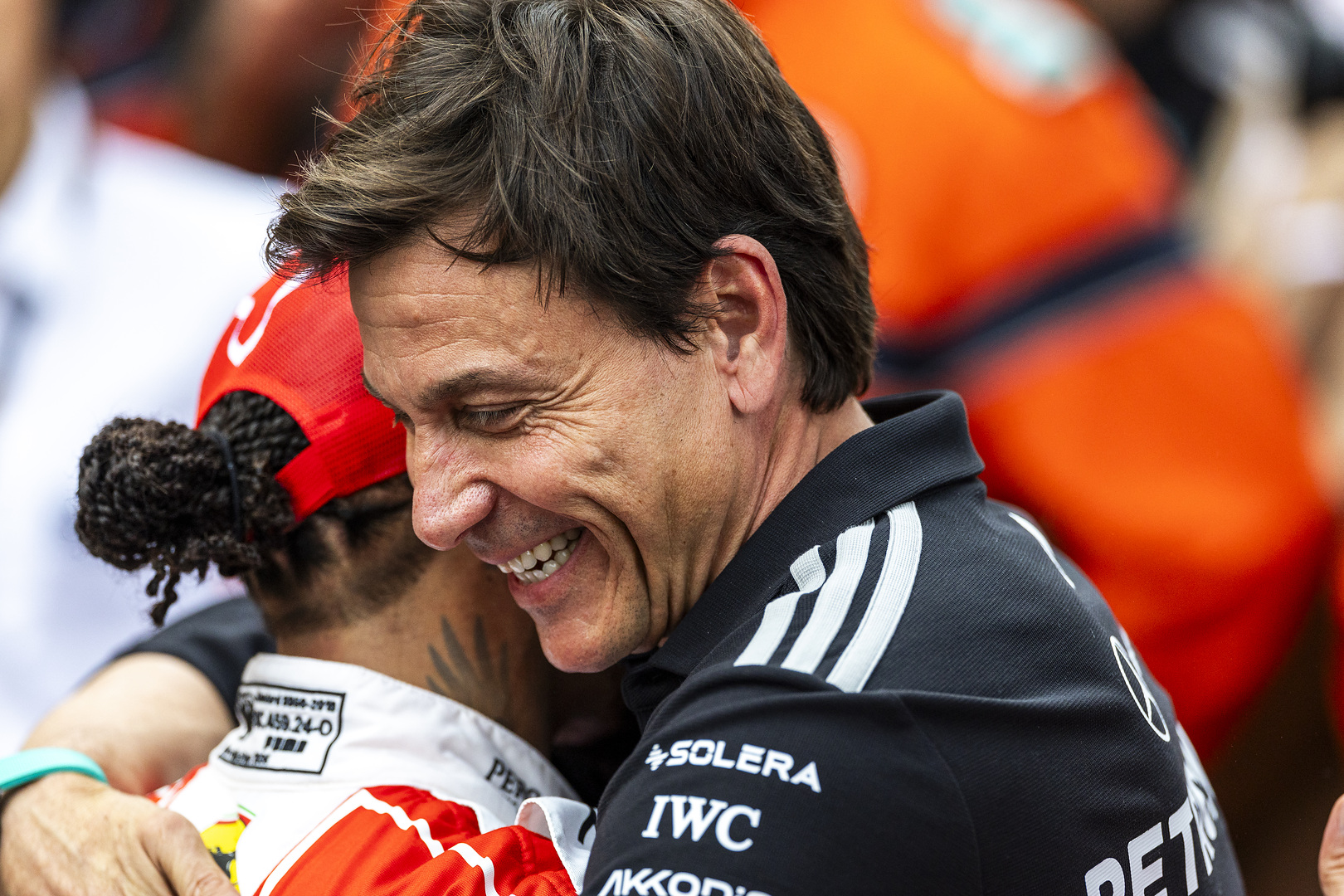
Toto Wolff Got Lucky, and He Knows It
When the man who built the dynasty admits relief that its greatest driver walked out the door, you have to ask what dominance actually costs.
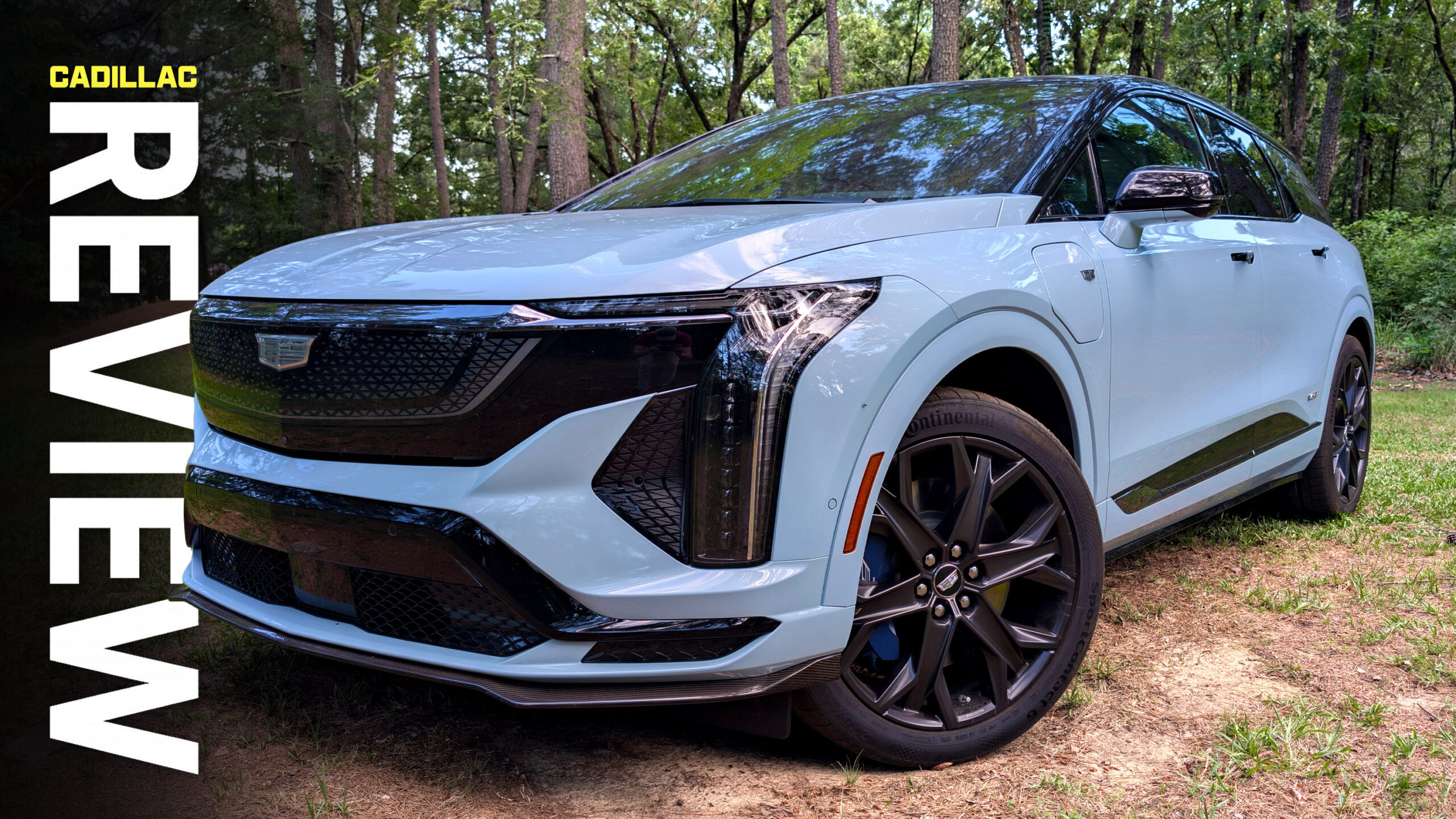
Quick, Composed, and Refuses to Be Filed
A writer at Carscoops spent a week with the 2026 Cadillac Optiq-V and came back without a clean answer — which might be exactly where Cadillac wants you.
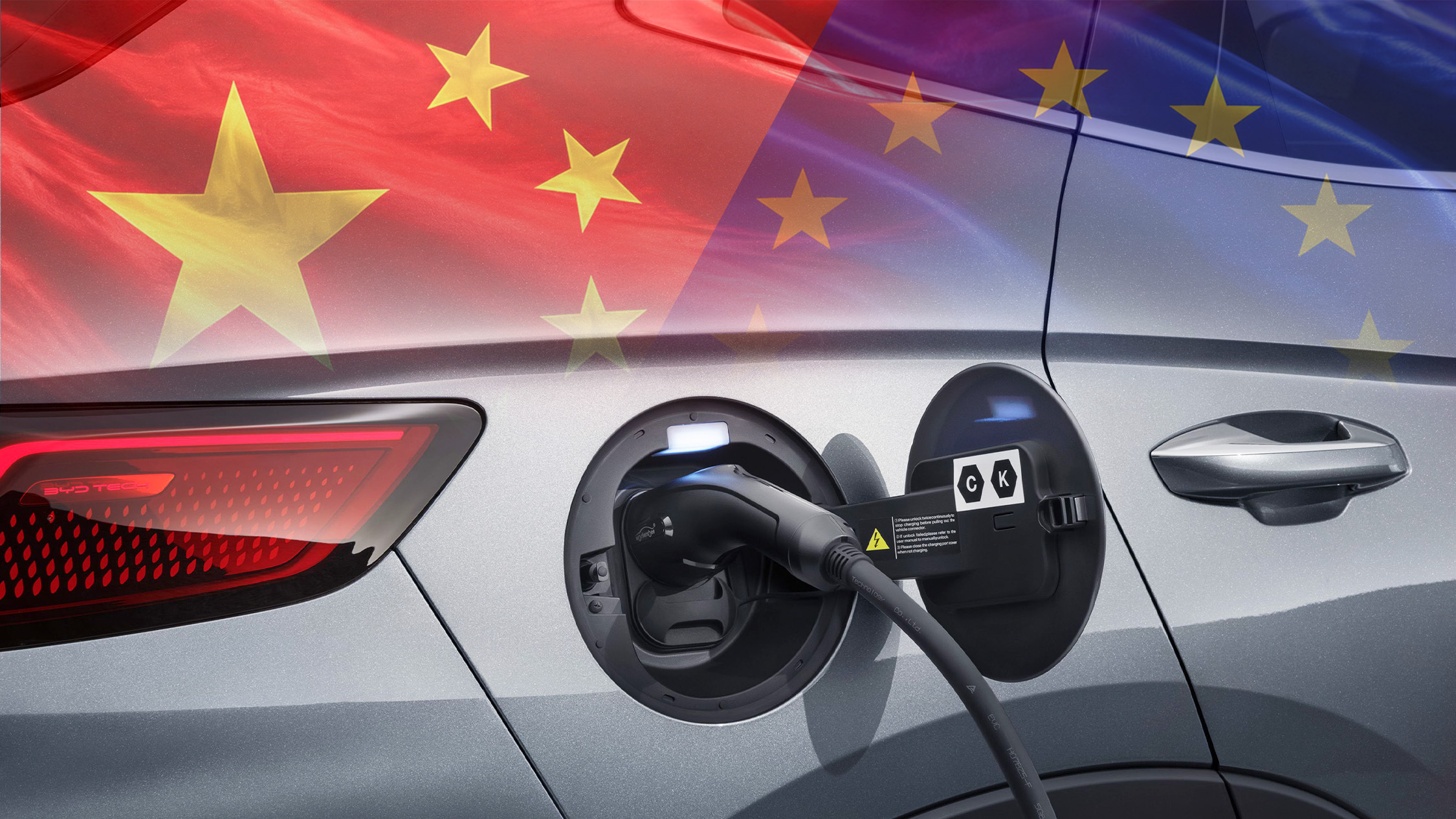
Brussels Blinked First. China Noticed.
When the workaround becomes the product, you have to ask whether the rule ever meant anything.
From the other desks.

Saul Nash Shaped Something Men Weren't Ready to Admit They Wanted
Spring 2027 wasn't about provocation — it was about architecture, and the body inside it.

Giannis Is Available. The Cap Isn't.
Boston wants the league's best player. The salary cap wants a word first.

Polymarket Paid for the Feeling of Winning
Over a thousand fake-bet videos, a typo in the URL, and a prediction market that couldn't predict how badly this would land.