Toto Wolff Got Lucky, and He Knows It
When the man who built the dynasty admits relief that its greatest driver walked out the door, you have to ask what dominance actually costs.
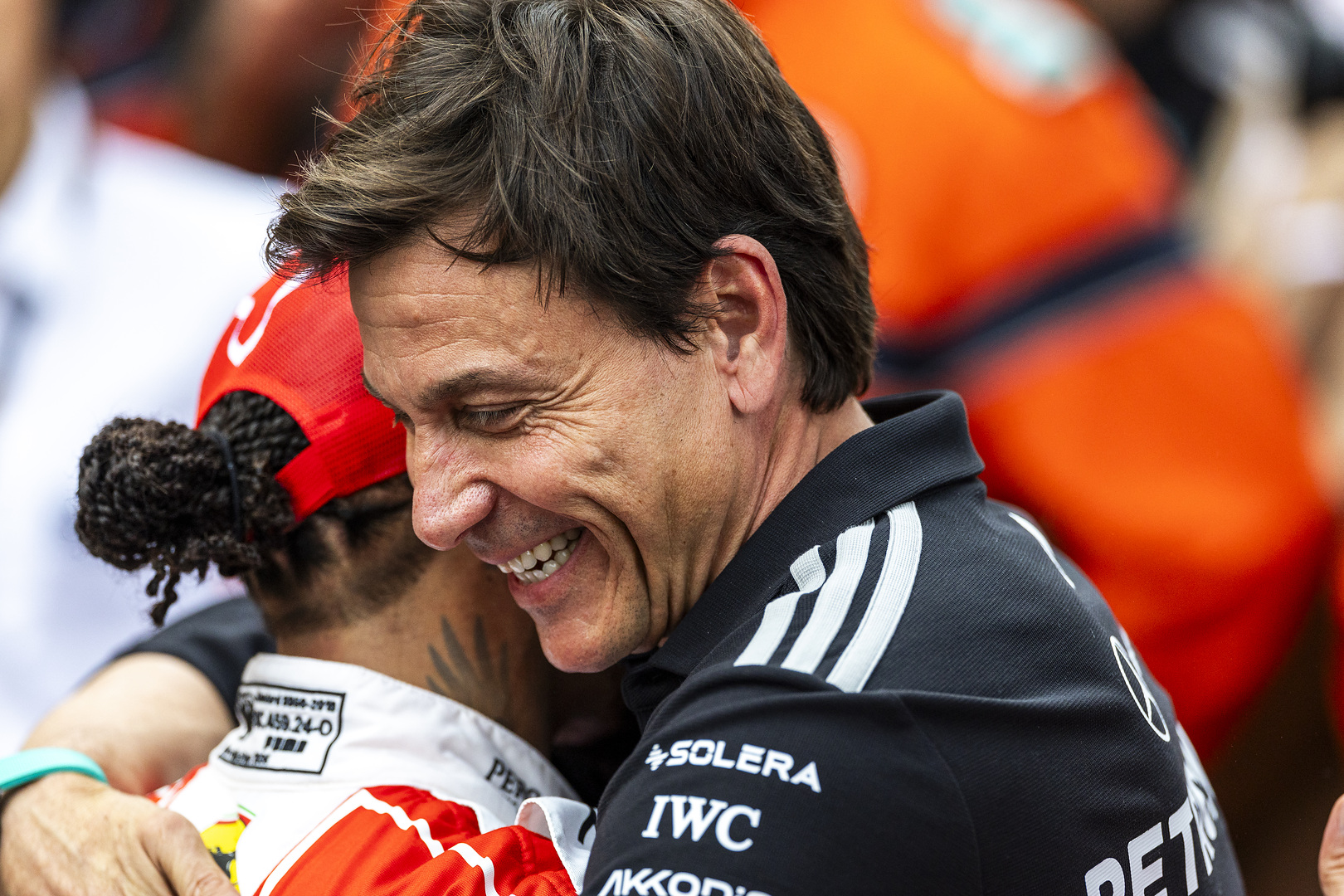
Photo · MotorBiscuit
There's a version of this story that ends in a boardroom standoff. Toto Wolff sitting across from Lewis Hamilton, choosing words carefully, dismantling a partnership that delivered titles the sport may never see replicated. That conversation, according to a writer at MotorBiscuit covering Wolff's own admission, never had to happen. Hamilton chose Ferrari. Wolff exhaled.
That exhale is worth sitting with.
The Weight Behind the Relief
Wolff didn't hide it. He said he was relieved. Not grateful, not philosophical — relieved. The word a person uses when something they were quietly dreading dissolves on its own. And coming from a team principal who has navigated some of the most pressure-cooked decisions in motorsport, it lands differently than modesty or spin. It sounds true.
What the MotorBiscuit piece is really surfacing, whether it intends to or not, is something the sport rarely says plainly: managing greatness at its outer edge is genuinely exhausting. Not the racing part. The human part. The part where a driver of Hamilton's stature carries not just expectation but gravity — the kind that bends everything around it. Schedules, narratives, internal politics, the emotional temperature of an entire engineering operation.
Mercedes built a machine around him and won everything. Then, apparently, they were relieved to watch him go build a machine around himself somewhere else.
What Stays Behind
The question the piece doesn't fully chase — though it opens the door — is what Mercedes actually inherits from this. George Russell is there. The car will evolve. The resources haven't shrunk. But a team that spent years engineering not just for pace but for a specific driver's feedback, preferences, and singular way of operating the machine doesn't simply reset. The institutional knowledge of Hamilton is woven into the structure of that team in ways no org chart captures.
And Wolff, by his own admission, knows this. Relief and loss aren't mutually exclusive. You can be glad the difficult goodbye didn't happen and still feel the absence once the garage goes quiet.
There's something almost Shakespearean about it — the king departs for a rival court, and the counselor, instead of grieving, is mostly just glad the succession didn't require a scene. That's not cynicism. That's the cost of operating at the top of anything for long enough. Sentiment becomes a liability. The machinery keeps moving.
What Wolff's candor reveals isn't disloyalty. It's something more honest and more uncomfortable: that even the relationships that produce historic results have a natural ceiling, and sometimes the ceiling arrives before either party is fully ready to name it. Hamilton named it first, in the form of a Ferrari contract. Wolff is telling us, in so many words, that he would have gotten there eventually too.
The GOAT left on his own terms. That's the version of the story everyone wanted. But the team principal's relief suggests there was another version forming just offstage — and that one wouldn't have been clean.
Keep reading cars.

Quick, Composed, and Refuses to Be Filed
A writer at Carscoops spent a week with the 2026 Cadillac Optiq-V and came back without a clean answer — which might be exactly where Cadillac wants you.
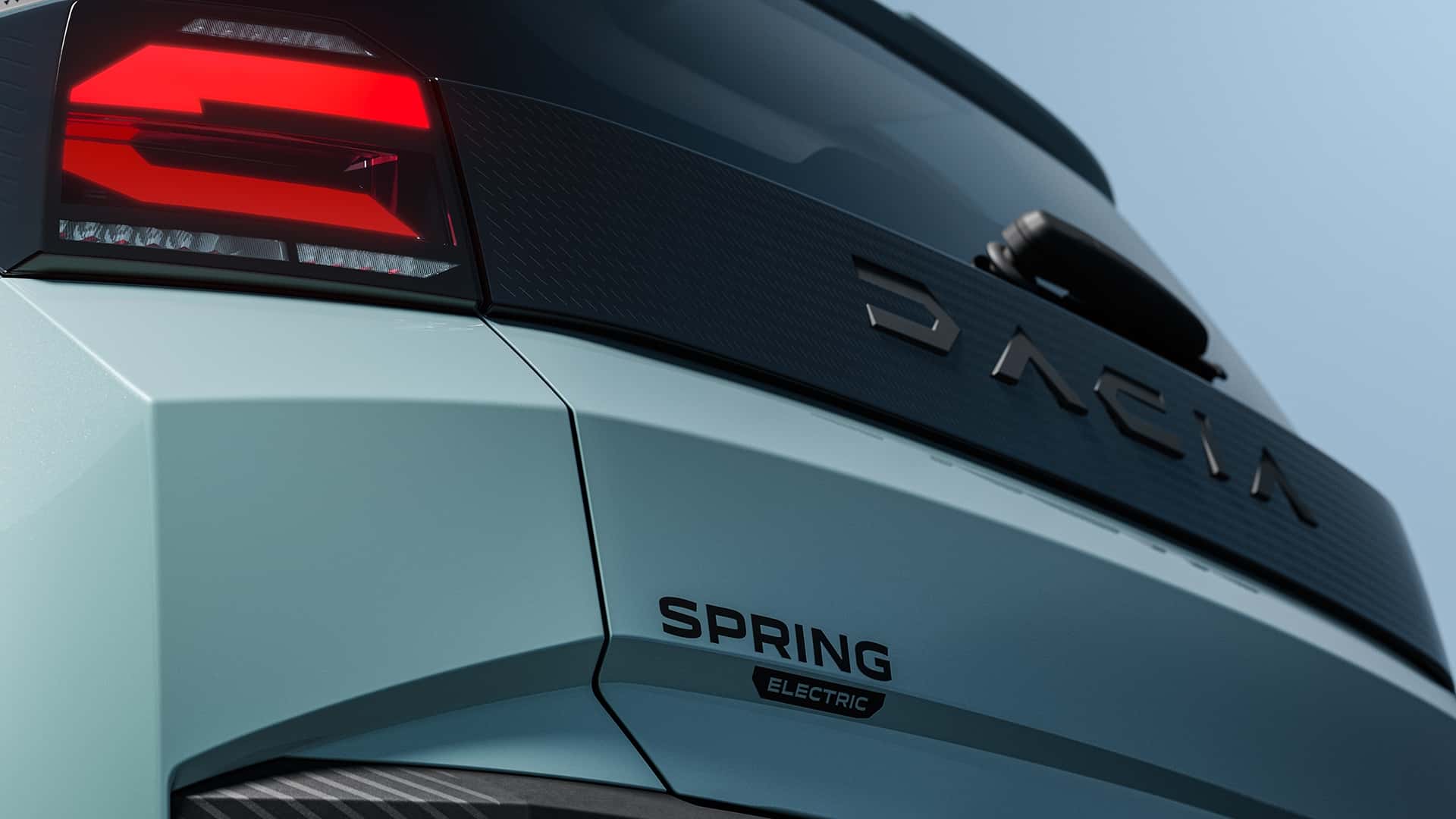
Dacia Spring Changes Everything Except the Price Tag
Moving production from China to Europe without breaking the budget isn't a logistics story — it's a stress test for the entire idea of affordable European EVs.

Brussels Blinked First. China Noticed.
When the workaround becomes the product, you have to ask whether the rule ever meant anything.
From the other desks.

Saul Nash Shaped Something Men Weren't Ready to Admit They Wanted
Spring 2027 wasn't about provocation — it was about architecture, and the body inside it.

Giannis Is Available. The Cap Isn't.
Boston wants the league's best player. The salary cap wants a word first.

Polymarket Paid for the Feeling of Winning
Over a thousand fake-bet videos, a typo in the URL, and a prediction market that couldn't predict how badly this would land.