Giannis Is Available. The Cap Isn't.
Boston wants the league's best player. The salary cap wants a word first.

Photo · NY Post Sports – Latest News, Scores, Stats & Videos
There is a version of this story where the Celtics get Giannis Antetokounmpo and it feels inevitable — the kind of front-office move that gets written up as genius six months after it closes. The NY Post is now reporting on what stands in the way of that version. And what stands in the way is not a competing offer, not a player preference, not a franchise-loyalty speech. It's math.
That is worth sitting with for a moment.
When the Best Player in the World Becomes a Spreadsheet Problem
The framing of the NY Post piece is instructive: the Celtics would love to acquire Antetokounmpo, but it's not going to be that easy. That 'but' is doing a lot of work. It signals that the league has arrived somewhere genuinely strange — a place where a team with championship pedigree, roster coherence, and front-office credibility can identify the player it wants most and still hit a wall that has nothing to do with basketball.
The wall is the salary cap. And the salary cap, at this level of player movement, is less a parity mechanism than a puzzle that rewards whoever has the most creative accountants.
This is what happens at the outer edge of superteam construction. The early era of superteams was about players choosing each other — free agency as personal manifesto, franchise loyalty as something to apologize for on a TV special. Now we've moved into a different phase. The best player in the league isn't walking into a press conference. He's a trade asset, subject to matching and exceptions and holdups. The romance is gone. What's left is acquisition.
Parity Was Always the Goal. Ask the Spreadsheet How That's Going.
The salary cap exists, in theory, to keep any one team from simply buying a dynasty. What the Celtics situation reveals is that the cap doesn't prevent concentration — it just routes it through more paperwork. Teams with smart front offices find the angles. The holdups the NY Post identifies aren't barriers to the move happening; they're friction. Meaningful friction, maybe. But friction that determined organizations with financial flexibility have historically found ways to reduce.
What I find interesting is that nobody seems particularly outraged by any of this. A few years ago, the idea that Antetokounmpo — a player who won back-to-back MVPs, a Finals MVP, who became the face of a franchise that drafted him as a teenager — could become a trade rumor would have generated a different kind of conversation. Now it generates cap analysis. We've normalized the machinery so thoroughly that the human story barely registers before the financial structure takes over.
The Bucks built around this man. And now the story is whether Boston can make the numbers work.
Maybe they can. Maybe the holdups the Post is tracking get resolved, the deal closes, and we spend next season watching Antetokounmpo in green. Maybe it doesn't close and he ends up somewhere else entirely, the rumor cycle continuing until a trade deadline forces everyone's hand.
Either way, the league's credibility problem isn't Boston's ambition. It's that the most compelling question in basketball right now is not where does he want to play — it's who can afford the acquisition cost.
That's not a parity story. That's a consolidation story with better PR.
Keep reading sports.

Paraguay Sent a Man Off for Whispering
Miguel Almiron became the first player red-carded at a World Cup for covering his mouth — and now the tournament has to live with what that means.

Who You Were Was Never the Destination
Golf handed Harry Higgs a redemption arc. He handed it back.
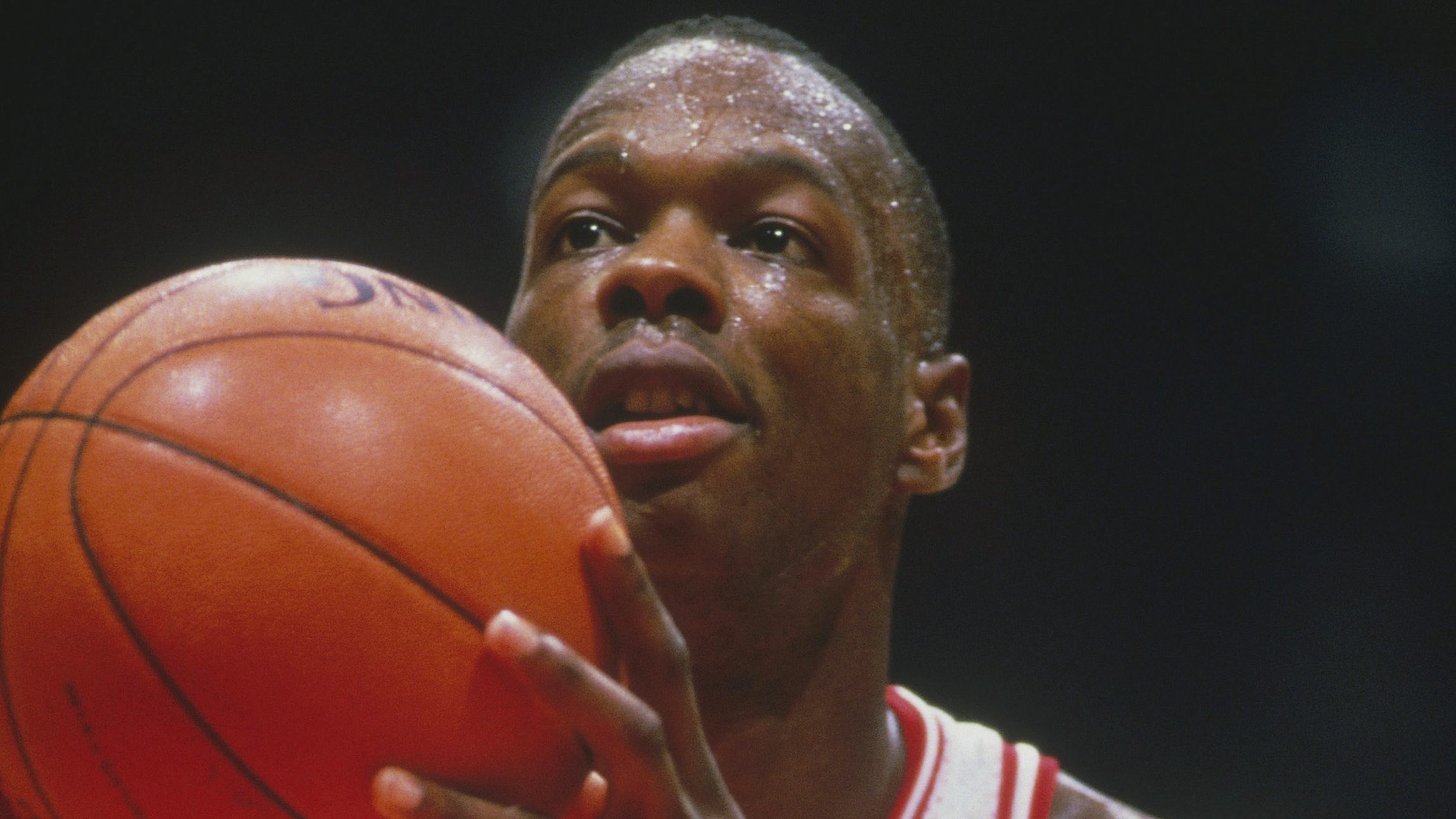
Say the Whole Name
From a Maryland gym to a Los Angeles arena, athletes have always carried more identity than the scoreboard ever showed — and sports is still learning how to hold it.
From the other desks.

Corvette Didn't Ask Bugatti's Opinion
At 1.8 seconds to 60, the E-Ray era is making seven-figure supercars look like a lifestyle choice.

OG Wore It When It Mattered Most. Now You Can Wear It Too.
The SKX Nexus 'NYC Blue' PE is a championship shoe from a brand that just rewrote the pecking order.

Scan First, Reckon Later
The UK is deploying facial recognition age checks on asylum-seekers while already knowing the error rates are bad. Someone decided that was fine.