Paraguay Sent a Man Off for Whispering
Miguel Almiron became the first player red-carded at a World Cup for covering his mouth — and now the tournament has to live with what that means.

Photo · Latest Headlines - The Athletic
There's a moment in every major sporting event where you realize the rules and the game have stopped being the same thing. At World Cup 2026, that moment has a name and a gesture: Miguel Almiron, hand raised to his mouth, saying something to an opponent that nobody else could hear.
That was enough. Red card. Gone.
Almiron is now the first player in World Cup history to be sent off for covering his mouth while speaking to another player. Not for a tackle. Not for a shove. For the physical act of privacy — the instinct to say something without the cameras reading your lips. Mert Mulder, the player on the receiving end, immediately appealed to referee Ivan Barton. Barton obliged. And just like that, a tournament already under the pressure of its own scale handed itself a credibility problem it didn't need.
What the Rule Was Supposed to Do
The intent behind punishing covered-mouth communication isn't difficult to understand. Governing bodies have worried for years about players coordinating dissent, directing abuse, or conspiring in ways that officials can't monitor. Transparency, in theory, keeps the game clean. You can see the logic from a boardroom.
But logic from a boardroom rarely survives contact with a football pitch, and what happened to Almiron exposes the gap between the rule's intention and its application. He covered his mouth. He spoke. Nobody — not the referee, not the cameras, not anyone in the stadium — knows what he said. And he was sent off anyway.
The punishment wasn't for what was said. It was for the possibility of what might have been said. That's a different thing entirely, and it should make everyone uncomfortable.
"We Could Lose the Essence"
Coaches at the tournament haven't stayed quiet. According to coverage in The Athletic, the red card has split opinion in the dugouts, with Paraguay's coach Alfaro warning that enforcing rules this way risks losing what he called the "essence" of the game. That's not hyperbole from a man defending his player. That's a genuine structural concern.
Football has always had a private language — the word in the ear, the gesture between teammates, the coded communication that happens in the half-second before a set piece. Strip that out, or threaten to strip it out, and you don't get a cleaner game. You get a more paranoid one. Players watching their hands. Coaches policing their own instincts. The game contracting around the fear of misinterpretation.
Almiron didn't swing an elbow. He didn't simulate a foul. He covered his mouth. And the opposing player's appeal — the immediate flag to the referee — now becomes its own kind of tactic. If covering your mouth is a sendable offense, then pointing at a player who covers their mouth is a weapon. That's the precedent World Cup 2026 just handed every team still in the tournament.
The sources don't tell us what Almiron said. Nobody does. That absence is the whole story — a man punished for the shape of a secret, not the secret itself.
Policing intention is a losing game. The tournament just volunteered to play it.
Keep reading sports.

Giannis Is Available. The Cap Isn't.
Boston wants the league's best player. The salary cap wants a word first.

Who You Were Was Never the Destination
Golf handed Harry Higgs a redemption arc. He handed it back.
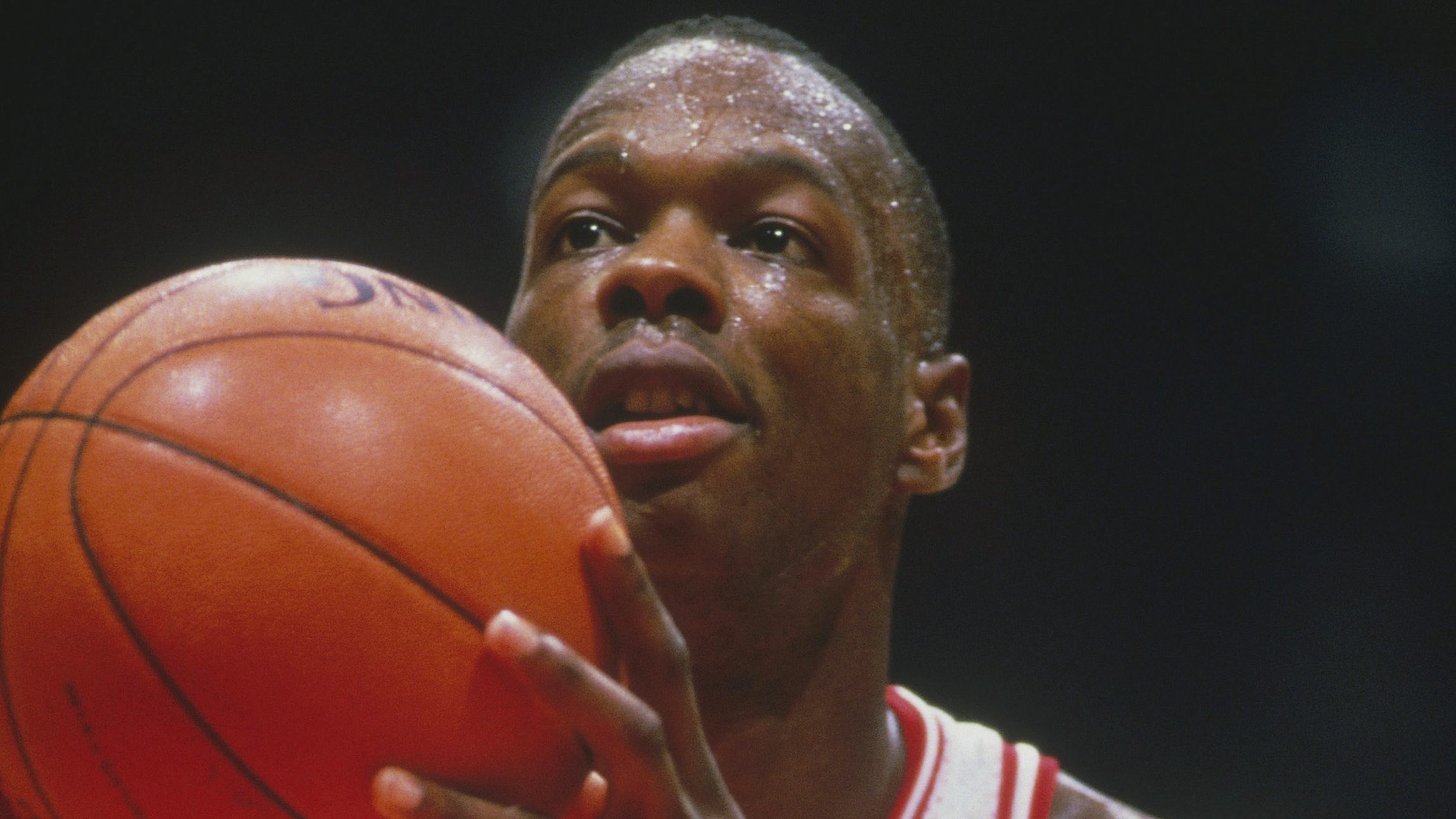
Say the Whole Name
From a Maryland gym to a Los Angeles arena, athletes have always carried more identity than the scoreboard ever showed — and sports is still learning how to hold it.
From the other desks.

Corvette Didn't Ask Bugatti's Opinion
At 1.8 seconds to 60, the E-Ray era is making seven-figure supercars look like a lifestyle choice.

OG Wore It When It Mattered Most. Now You Can Wear It Too.
The SKX Nexus 'NYC Blue' PE is a championship shoe from a brand that just rewrote the pecking order.
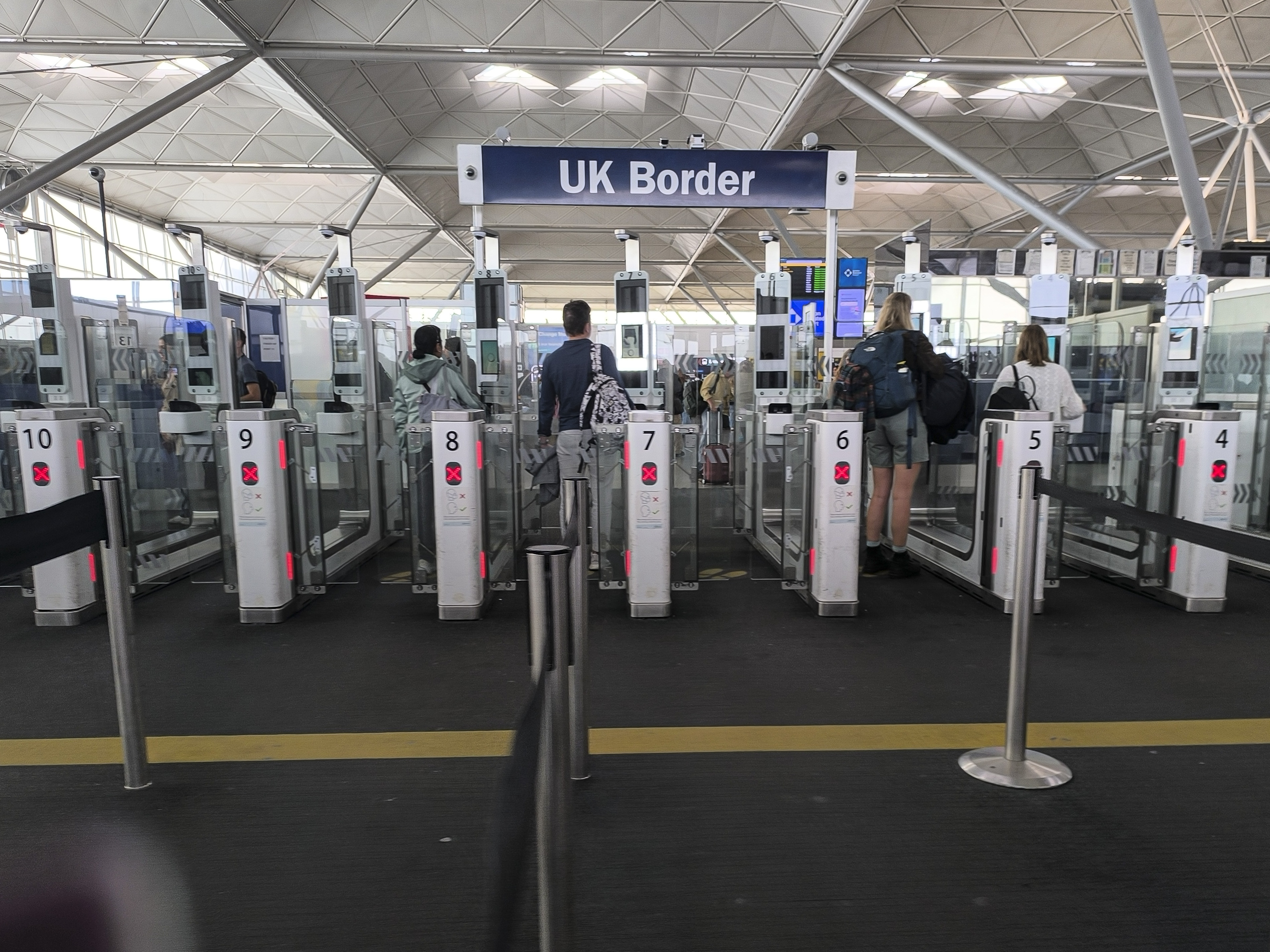
Scan First, Reckon Later
The UK is deploying facial recognition age checks on asylum-seekers while already knowing the error rates are bad. Someone decided that was fine.