Scan First, Reckon Later
The UK is deploying facial recognition age checks on asylum-seekers while already knowing the error rates are bad. Someone decided that was fine.
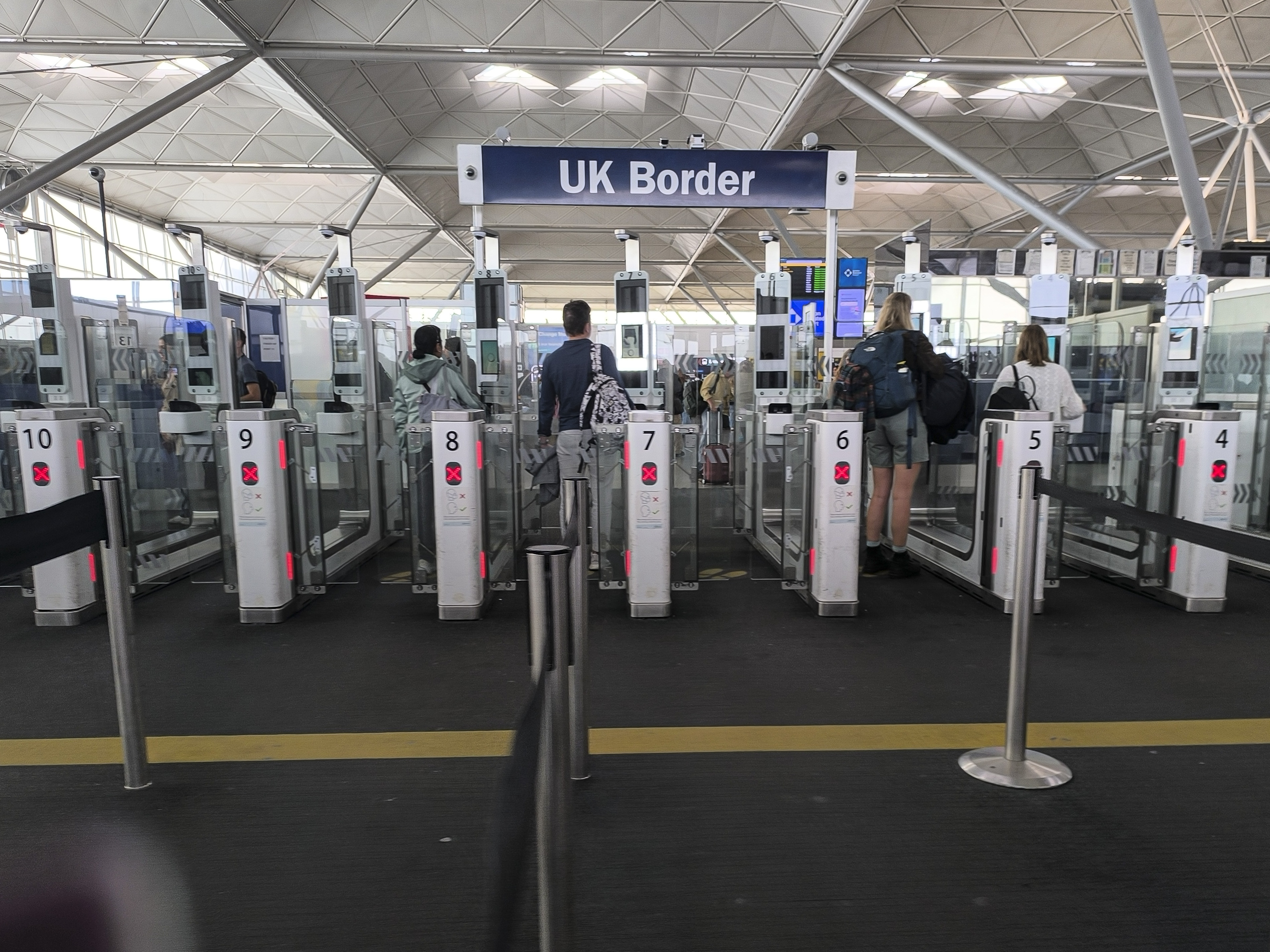
Photo · Ars Technica - All content
There's a particular kind of institutional confidence that doesn't come from certainty — it comes from not caring enough about who gets it wrong.
Ars Technica has published a piece on the UK's decision to use facial recognition technology to verify the ages of asylum-seekers, and the detail that lodges itself is right there in the headline: they're doing this despite knowing the tech is flawed. Not despite suspecting. Not despite early concerns. Despite knowing. The tests have been run. The error rates exist somewhere in a document that someone read and then signed off past anyway.
That's the position being staked out here, and it's worth sitting with — not as a policy argument, but as a statement about where biometric gatekeeping currently stands with its own credibility.
The Gap Between 'Good Enough' and Good Enough
Facial recognition age verification has been arriving in various forms for a while now — age checks on adult content platforms, alcohol purchases, that sort of thing. The ambient pitch has always been that accuracy improves over time, that edge cases get smoothed out, that the technology earns trust incrementally. That's a reasonable story when the stakes are whether a teenager gets past a paywall.
It becomes a different kind of story when the subject is an asylum-seeker whose assessed age affects how they're classified, housed, and treated by a legal system. The writer at Ars Technica is specifically covering the fact that tests of this technology show meaningful risks of life-altering errors — and that this knowledge did not stop deployment. The gap between those two facts is where the real argument lives.
Misclassifying someone's age in this context isn't a friction point. It's a determination that reshapes what protections they're entitled to. You don't get to A/B test your way out of that.
When Surveillance Gets Caught Being Wrong
Biometric systems have survived a lot of scrutiny by being abstractly controversial and concretely useful to the people deploying them. The criticism tends to be systemic — accuracy gaps across demographic groups, questions about consent, civil liberties concerns that are real but diffuse. What's harder to absorb, and what this piece is implicitly circling, is a case where the flaw is specific, documented, and acknowledged before rollout.
That's a different kind of exposure. It removes the defense of good-faith error. It makes the known inaccuracy a feature of the decision rather than a bug discovered afterward.
The surveillance infrastructure argument usually depends on a future-tense premise: the technology will improve, oversight will catch mistakes, the system will self-correct. Deploy now, refine later. That argument gets much harder to make when the population being scanned has the least institutional power to push back on a wrong answer — and when the wrong answer carries the most weight.
I'm not sure the technology is the villain here, exactly. Facial recognition can be a tool or it can be a rubber stamp depending entirely on who's accountable when it's wrong. What this coverage reveals is that the UK has made a choice about which one it's treating this as — and the people most affected by that choice had no vote in it.
Surveillance doesn't have a credibility problem when it works. It has one when it fails on the people it matters most for, and nobody loses their job.
Keep reading tech.

Apple Learned to Stop Answering and Start Listening
Siri finally talks like a person. Whether that changes anything depends on how much you trust the company that built it.
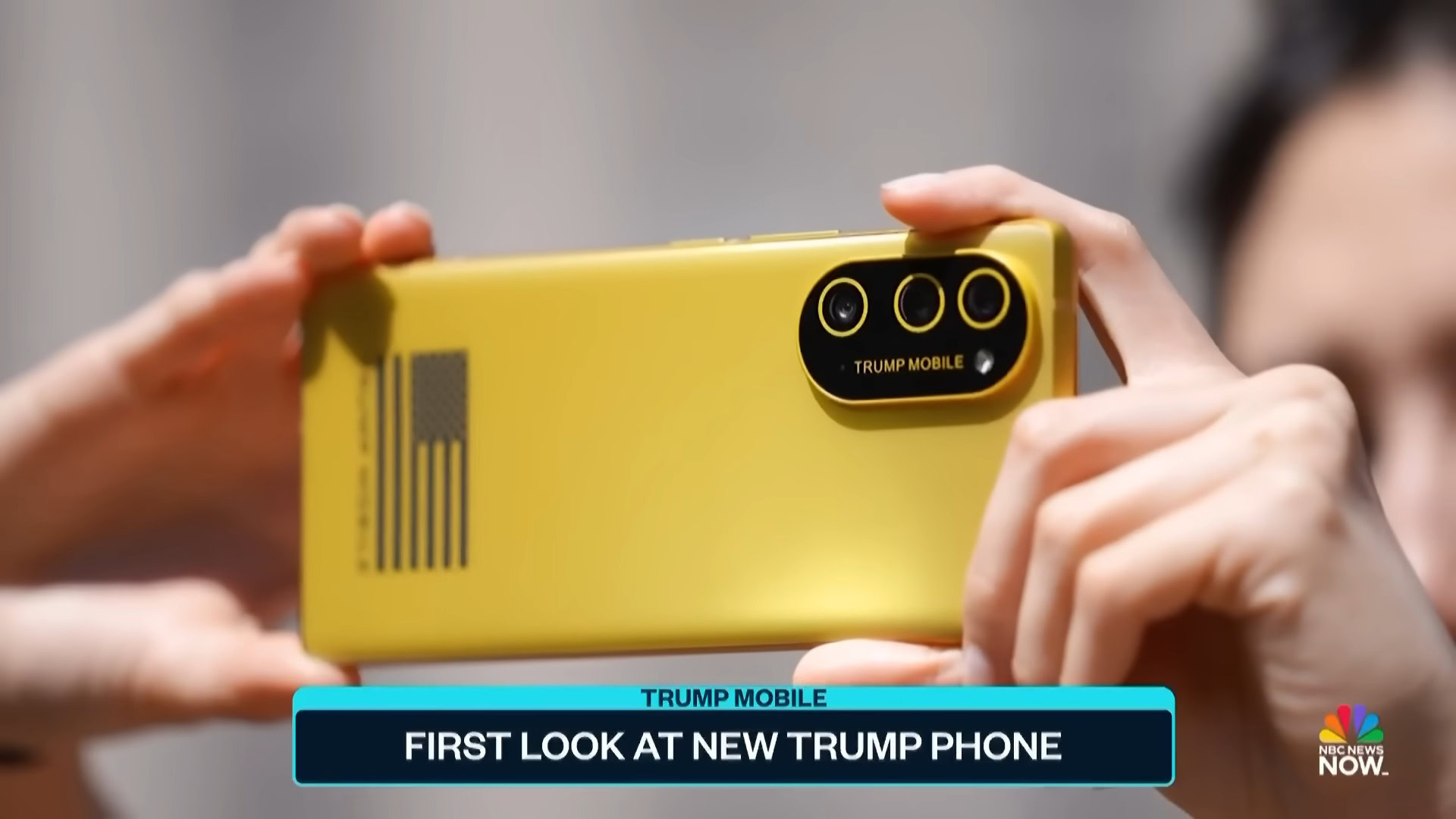
Gold Paint, Chinese Parts, and a PR Team That Left Early
The T1 phone was never really about a phone.

RAM Prices Just Broke the Budget Phone Promise
Nothing killed its cheapest phone because the cheapest component isn't cheap anymore.
From the other desks.

Corvette Didn't Ask Bugatti's Opinion
At 1.8 seconds to 60, the E-Ray era is making seven-figure supercars look like a lifestyle choice.

OG Wore It When It Mattered Most. Now You Can Wear It Too.
The SKX Nexus 'NYC Blue' PE is a championship shoe from a brand that just rewrote the pecking order.

Giannis Is Available. The Cap Isn't.
Boston wants the league's best player. The salary cap wants a word first.