Apple Learned to Stop Answering and Start Listening
Siri finally talks like a person. Whether that changes anything depends on how much you trust the company that built it.

There is a version of AI that feels like a vending machine — you press the right buttons in the right order, and something falls out. Apple spent years building exactly that. WWDC 2026 is the company's public admission that it noticed.
The headline move is Siri AI, a ground-up rebuild that, for the first time, gets its own standalone app. According to MacRumors, users can type or talk to it like a chat thread, with conversation history syncing across devices through iCloud. It can search the web, evaluate documents, solve math problems, and take action across apps — getting multi-stop directions, editing and sharing photos, writing an email in the user's own voice. A writer at WIRED who went hands-on called it conversational, omnipresent, and actually helpful, which, if you've been paying attention to Siri's last decade, lands somewhere between a compliment and an indictment.
The Permission Shift
What's actually changed isn't capability — it's posture. The old Siri was a command interface dressed up as a personality. You spoke at it. This version is designed for you to speak with it, the kind of back-and-forth that doesn't require memorizing syntax or accepting that your assistant has the memory of a goldfish. That's not a small thing. It's the difference between a tool and a conversation, and people behave differently in conversations.
The question is whether that shift survives contact with the install base. And here is where it gets interesting: iOS 27 supports the iPhone 11 and second-generation iPhone SE — the widest device compatibility of any iOS release, MacRumors notes. That's not an accident. Apple is pushing AI features to the largest possible audience, including people who haven't upgraded hardware in years, which tells you something about the strategy. Ubiquity over intensity. Reach over depth. Get Siri AI into as many hands as possible before anyone can declare the whole category oversold.
The Mac side draws a harder line. MacRumors reports that macOS Golden Gate drops Intel machines entirely — four specific models that ran Tahoe are now out: the 2019 16-inch MacBook Pro, the 2020 13-inch MacBook Pro with four Thunderbolt 3 ports, the 2020 iMac, and the 2019 Mac Pro. Apple had flagged this a year earlier, so nobody should be surprised. But there's a poetry to the timing — the same week Apple opens iOS to decade-old iPhones, it closes the Mac door on machines that are barely five years old.
Everything Else
TechCrunch takes care to note that iOS 27 contains a number of additions worth knowing about beyond Siri — features the publication describes as less flashy than the AI and Apple Intelligence upgrades but present nonetheless. That framing is its own kind of signal. When a tech outlet has to remind readers that a major OS update contains things other than AI, you understand how thoroughly that word has swallowed the room.
MacRumors also notes that Apple unveiled five new apps in total last week — four at WWDC 2026 alongside the fall software updates, one released in beta for developers, and one released independently by its subsidiary Claris. The spread matters. This isn't a single announcement; it's an architecture, a set of surfaces being prepared for something that may take another year or two to fully land.
I've watched Apple announce the future enough times to have developed a healthy skepticism about timelines. But the Siri rebuild feels different not because of what it promises but because of what it admits: that the previous version wasn't good enough, and that being conversational was always the requirement, not a feature. The hype will do what hype does. The more durable question is whether a company this large can make something feel genuinely human — and whether, by the time it does, we'll still remember what that felt like before the machine learned to fake it.
Keep reading tech.

Scan First, Reckon Later
The UK is deploying facial recognition age checks on asylum-seekers while already knowing the error rates are bad. Someone decided that was fine.
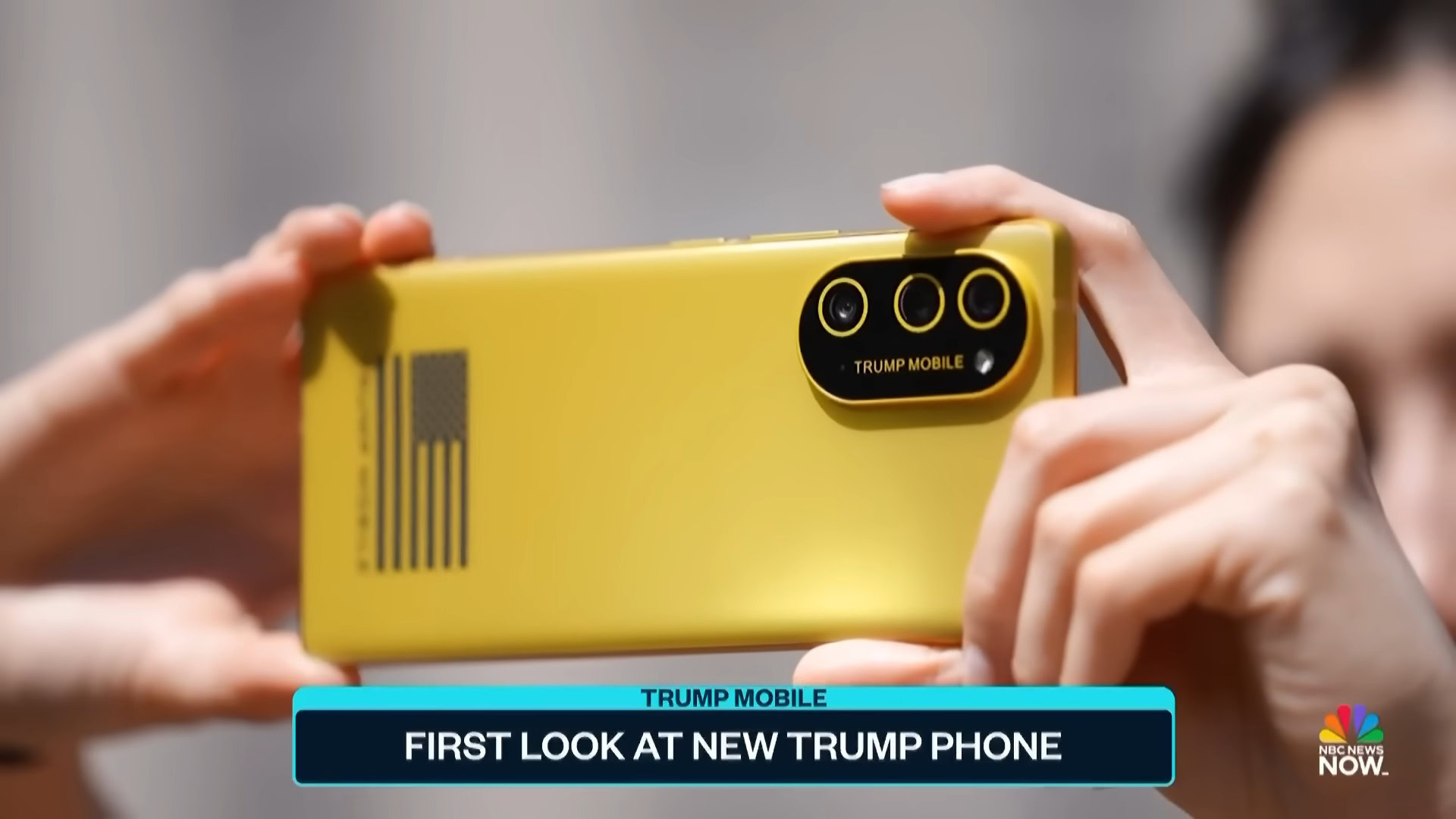
Gold Paint, Chinese Parts, and a PR Team That Left Early
The T1 phone was never really about a phone.

RAM Prices Just Broke the Budget Phone Promise
Nothing killed its cheapest phone because the cheapest component isn't cheap anymore.
From the other desks.
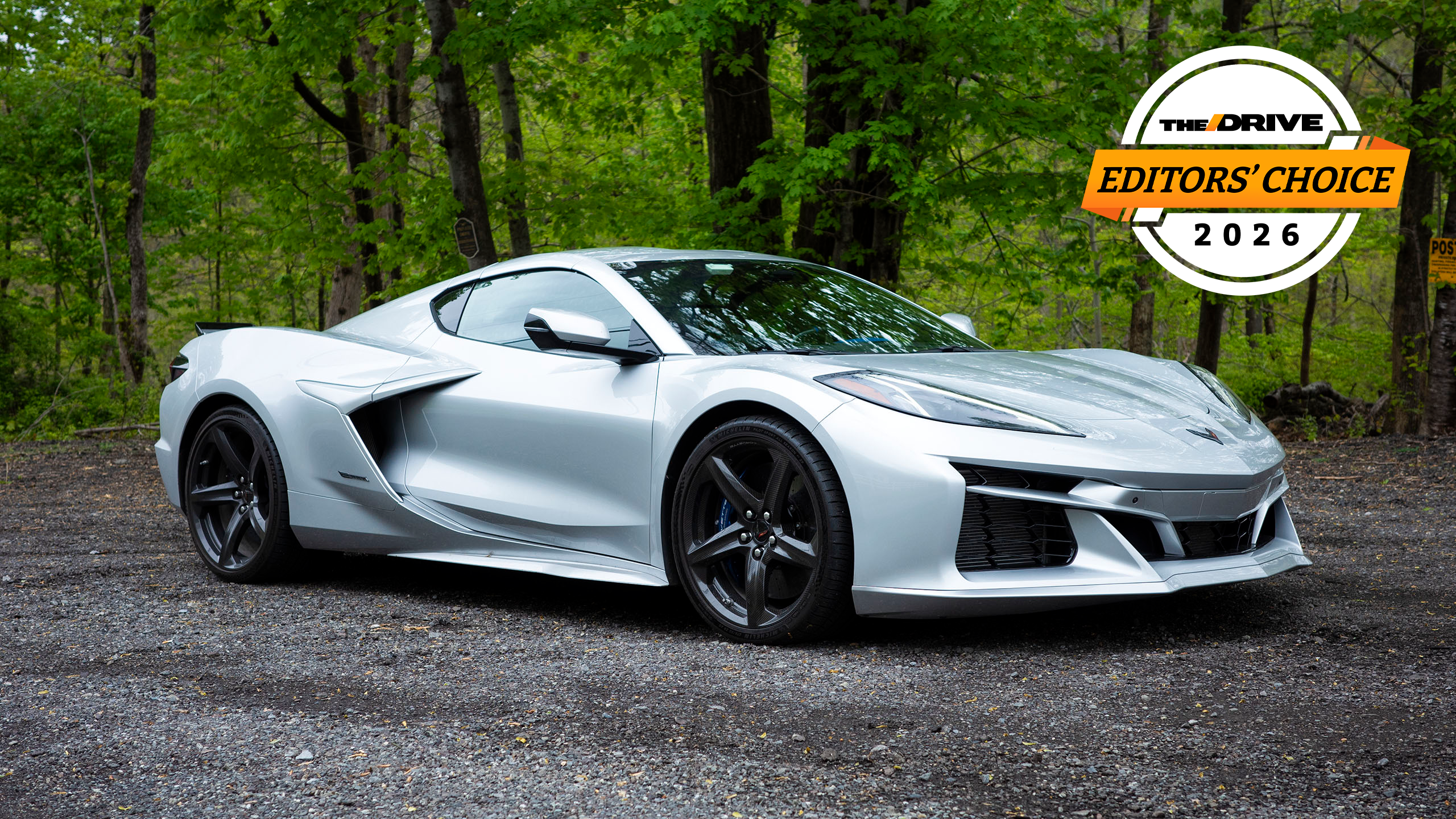
Corvette Didn't Ask Bugatti's Opinion
At 1.8 seconds to 60, the E-Ray era is making seven-figure supercars look like a lifestyle choice.

OG Wore It When It Mattered Most. Now You Can Wear It Too.
The SKX Nexus 'NYC Blue' PE is a championship shoe from a brand that just rewrote the pecking order.

Giannis Is Available. The Cap Isn't.
Boston wants the league's best player. The salary cap wants a word first.