Corvette Didn't Ask Bugatti's Opinion
At 1.8 seconds to 60, the E-Ray era is making seven-figure supercars look like a lifestyle choice.
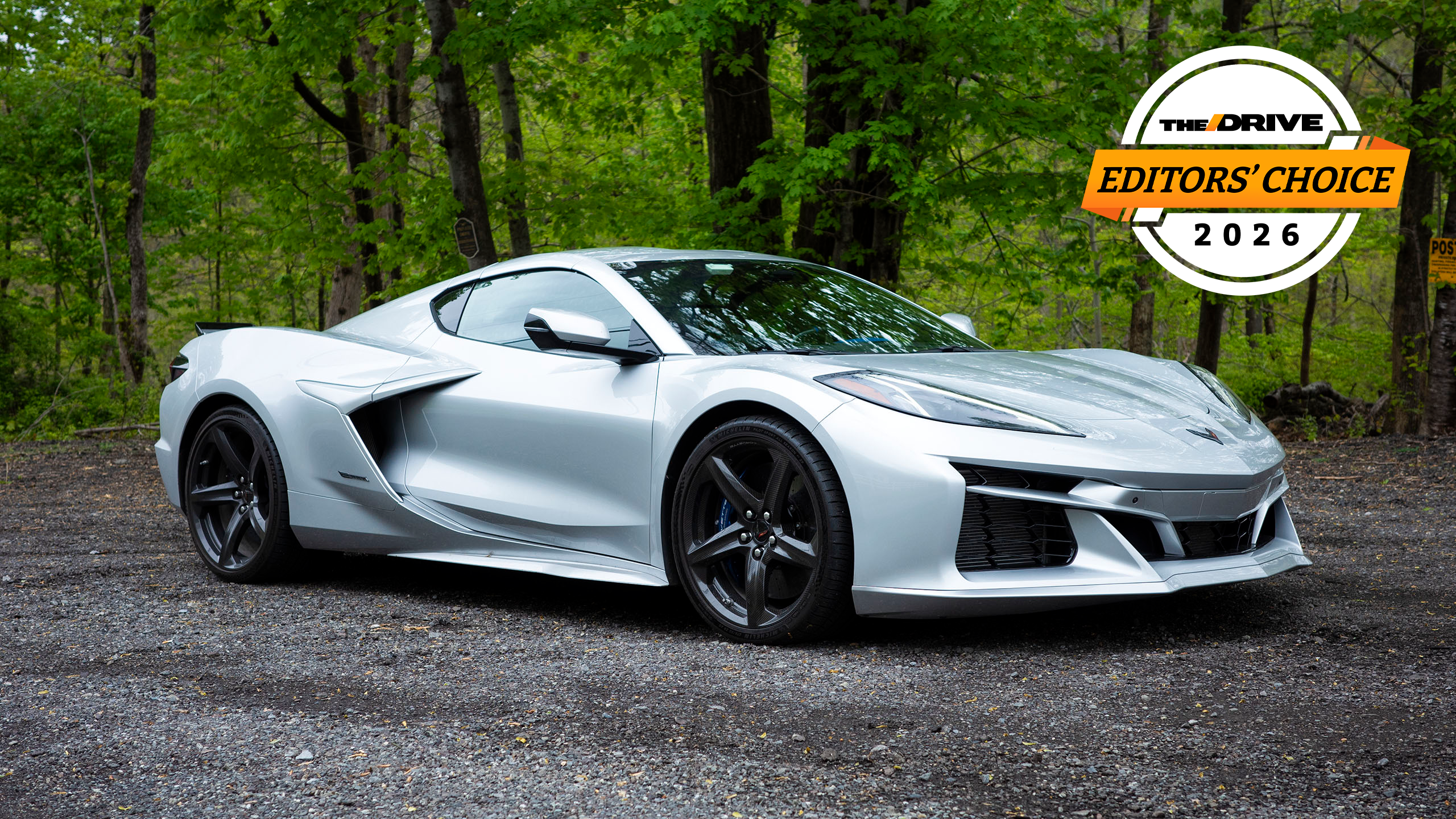
Photo · The Drive
What $255K Buys Now
There's a version of this story where we talk about horsepower figures and hybrid architecture and what it means for the future of the internal combustion engine. That version is fine. But the version worth telling is simpler: a Corvette just embarrassed a $4.3 million Bugatti to 60 mph, and the Corvette cost $255,000.
According to Carscoops, Car and Driver clocked the 2026 Corvette ZR1X hitting 60 mph in 1.8 seconds and running the quarter-mile in 8.9 seconds. Those aren't numbers that need context. They land on their own.
And yet — and this is the part that keeps pulling at me — the ZR1X isn't even the car that's being called slept on. That distinction belongs to the E-Ray, the all-wheel-drive hybrid that The Drive spent time with and came away from genuinely impressed. Their take wasn't the hedged enthusiasm of a press-trip review. It was closer to something like: this car is better than people are giving it credit for.
That gap — between what the E-Ray is doing quietly and what the ZR1X is doing loudly — tells you more about where American performance has arrived than any single spec sheet.
The Displacement Question
For decades, the conversation around American muscle lived and died on displacement. Cubic inches. Cubic centimeters. The mythology of the V8 as a moral position. You either believed in it or you were buying something European and making peace with that.
The E-Ray is a hybrid. It has an electric motor assisting the front axle. That combination — gasoline and electricity, rear engine and front motor — is not what the Corvette faithful spent fifty years imagining. And yet here we are, with a variant of this platform pulling 1.8-second 0-60 runs against machinery that costs seventeen times as much.
The question displacement was supposed to answer — how serious are you? — has been answered by a different equation entirely. The E-Ray doesn't need you to believe in its architecture. It just needs you to watch the clock.
What The Drive found in the E-Ray wasn't a consolation prize for buyers who couldn't stretch to the ZR1X. It was a car that justifies itself on its own terms, quietly, without the headline numbers doing the work. That's a harder thing to build. Lots of cars can be fast when everything is turned up to maximum. Fewer can be genuinely good across the range of things a person actually asks a car to do.
The Bugatti story is the attention-grabbing one — and it should be, because a $255,000 car beating a $4.3 million car to 60 mph is the kind of result that makes you question a lot of assumptions at once. But the E-Ray story is the more durable one. It's the car that made the critics reconsider, not because of one absurd benchmark, but because it kept delivering across the review.
Displacement was never really the point. Capability was. America just took a while to build the same argument with different hardware.
The Bugatti will still sell. The people buying it aren't buying a 0-60 time. But they might want to stop bringing it up.
Keep reading cars.
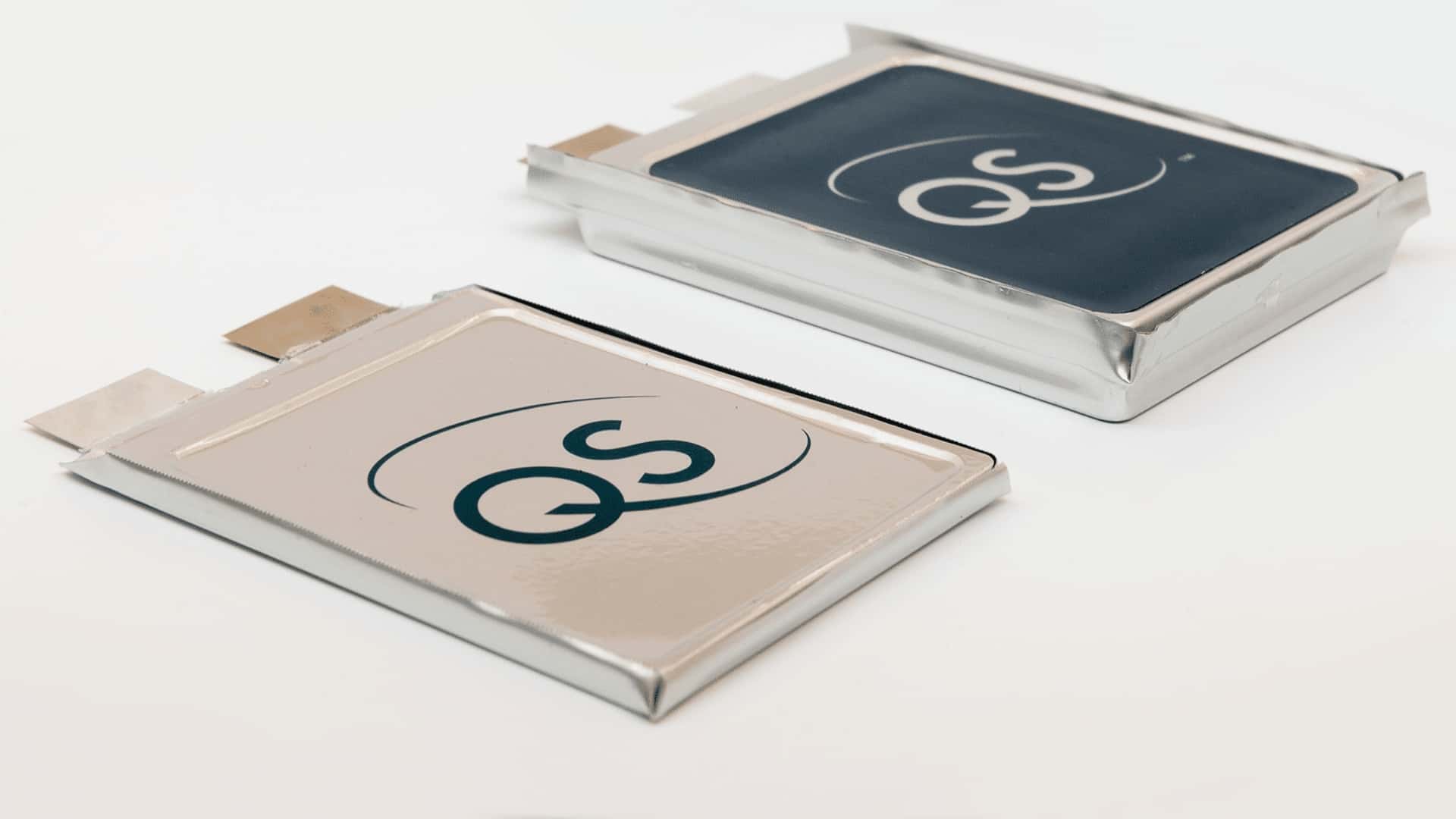
Two Bets, One Battery War, and Nobody Agrees on When
Honda is chasing solid-state with a startup partner. GM is already moving silicon into production. The gap between those two sentences is the entire story.
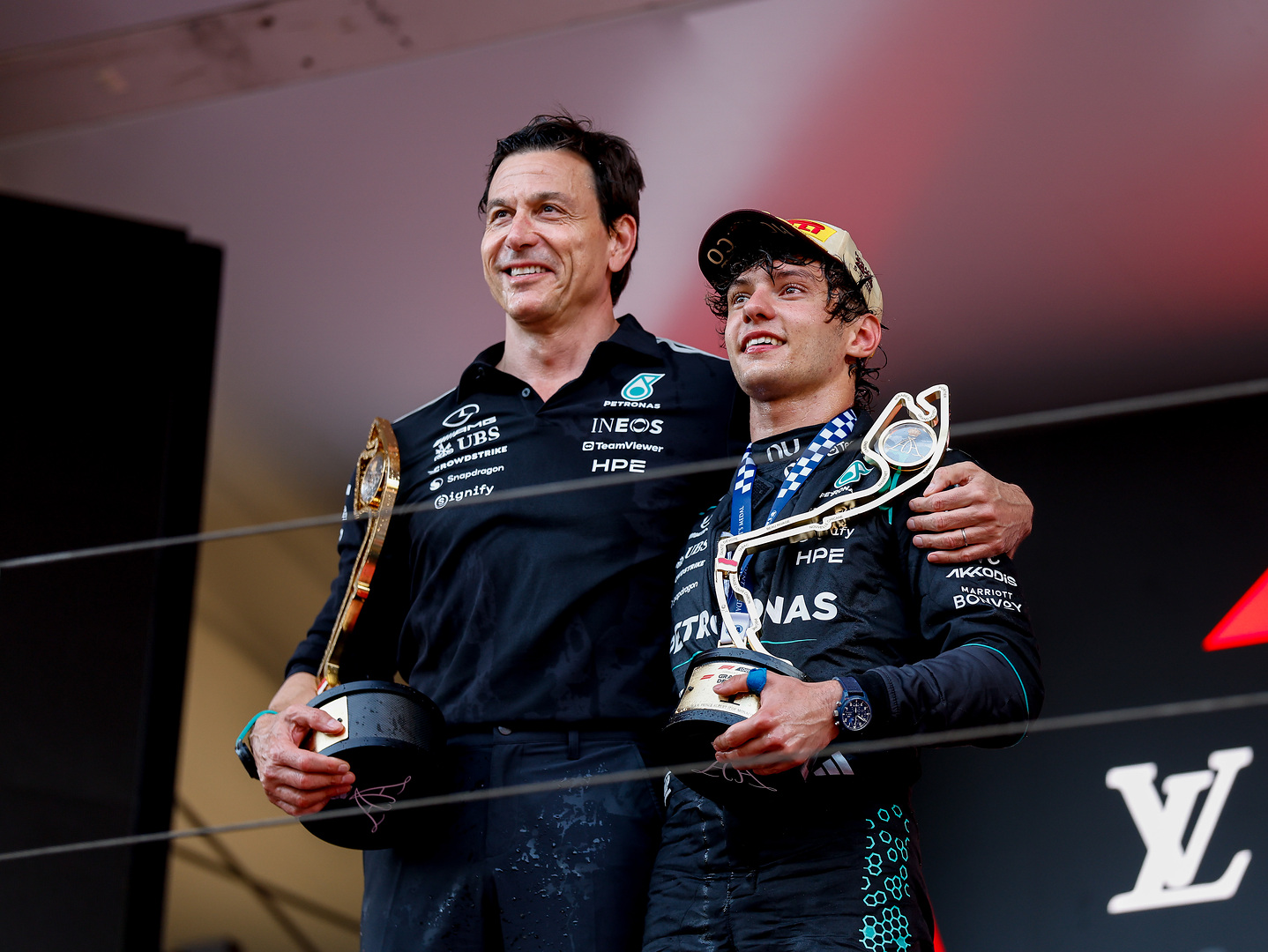
Nineteen Years Old, and the Car Is Already Lying to Him
Kimi Antonelli is rewriting what a rookie season looks like — but Mercedes keeps reminding everyone that the machine has its own agenda.
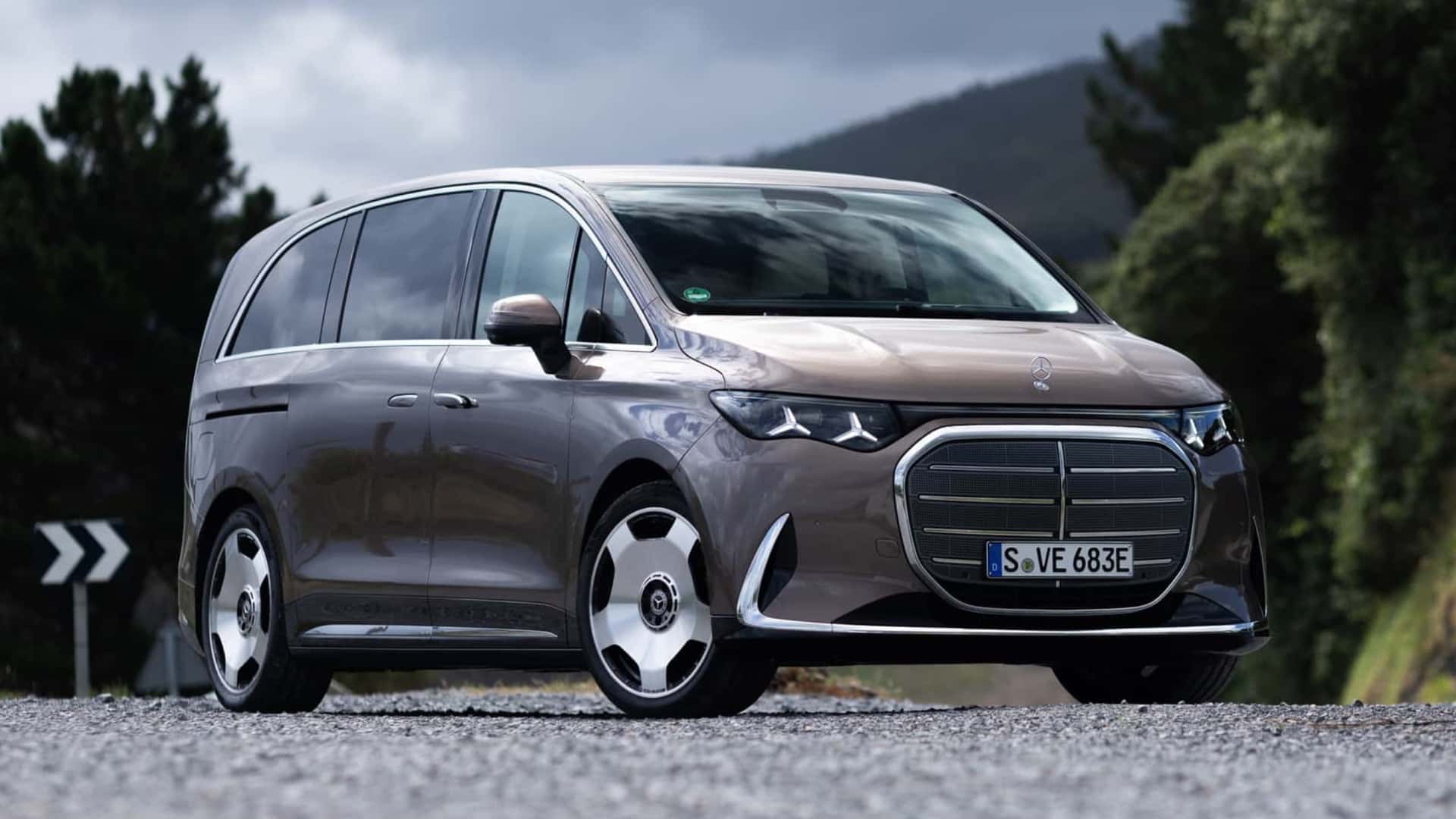
Mercedes Built a Van for People Who Don't Say Van
At $130,000, the VLE doesn't have a credibility problem — it has an audience problem.
From the other desks.

OG Wore It When It Mattered Most. Now You Can Wear It Too.
The SKX Nexus 'NYC Blue' PE is a championship shoe from a brand that just rewrote the pecking order.

Giannis Is Available. The Cap Isn't.
Boston wants the league's best player. The salary cap wants a word first.

Scan First, Reckon Later
The UK is deploying facial recognition age checks on asylum-seekers while already knowing the error rates are bad. Someone decided that was fine.