Two Bets, One Battery War, and Nobody Agrees on When
Honda is chasing solid-state with a startup partner. GM is already moving silicon into production. The gap between those two sentences is the entire story.
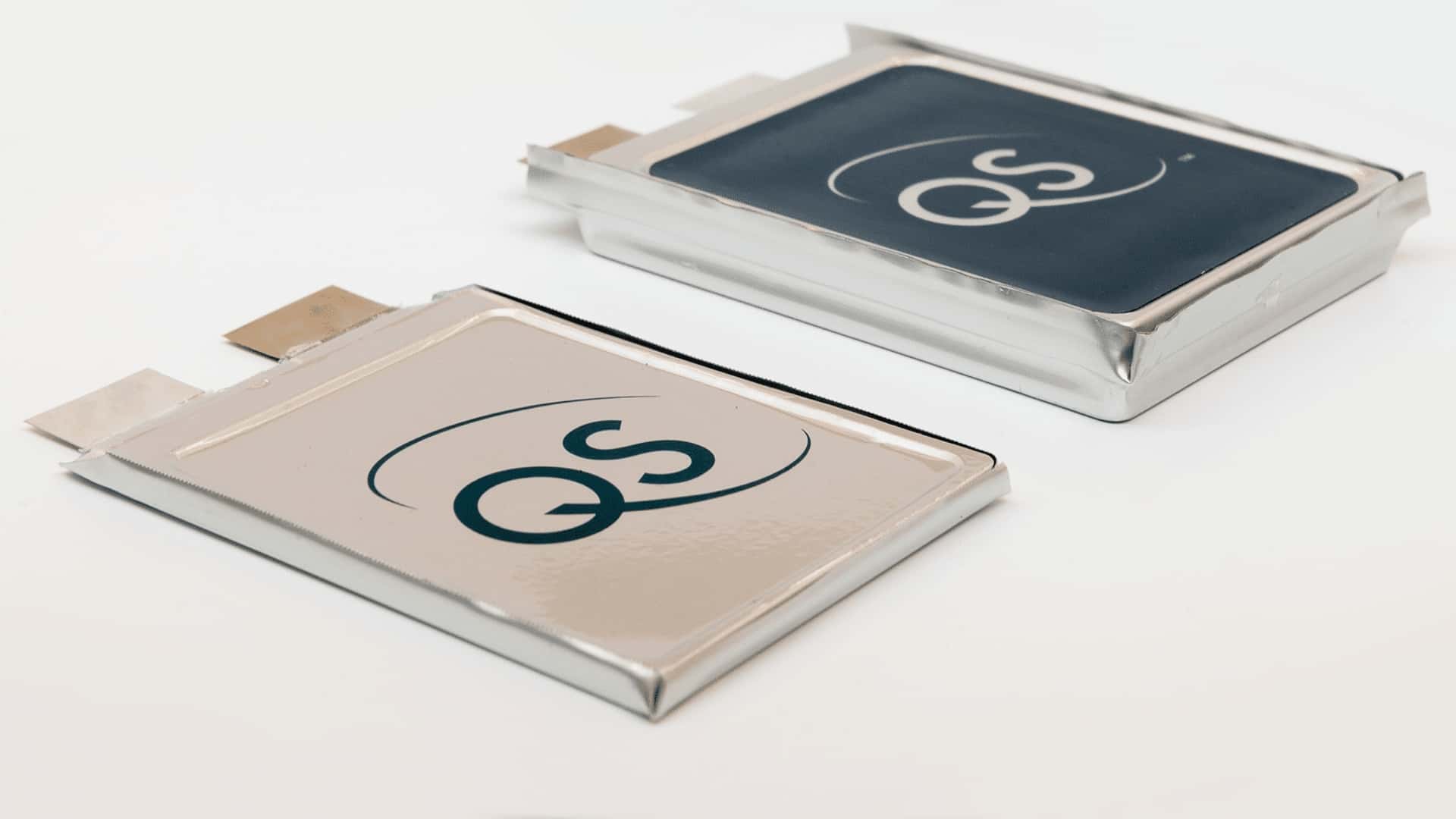
Photo · InsideEVs - Articles
The Promise Has a Schedule Problem
Here is the honest version of where EV battery technology sits right now: one automaker is partnering with a startup to develop something that doesn't yet exist at scale, and another is pushing a different chemistry that it says is ready to move. Both are framed as breakthroughs. Only one of them has a ship date.
Honda has signed on with QuantumScape, an American startup, to co-develop solid-state batteries and the manufacturing processes needed to actually build them. If you've been paying attention to this space for any length of time, you've heard the solid-state pitch before — higher energy density, no liquid electrolyte to manage, potentially faster charging, longer life. The physics are real. The engineering challenges are also real. And the timeline, as ever, remains somewhere between optimistic and aspirational. A partnership announcement is not a battery. It is a bet.
GM is making a different kind of bet. Instead of waiting on solid-state, it's moving toward silicon anode technology — a refinement of lithium-ion architecture that reportedly delivers meaningful gains in range and charging performance without requiring a complete reinvention of the manufacturing line. InsideEVs framed it plainly: this one is ready to upend the market now. Not in a future product cycle. Not pending further development. Now.
What the Gap Actually Means
These aren't competing visions of the same future. They're competing theories about which future arrives first — and whether the one that arrives second will still matter when it does.
Solid-state has been "five to ten years away" for long enough that the phrase has started to feel less like a forecast and more like a posture. That doesn't mean it won't happen. It means that every year it doesn't happen, incremental technologies like silicon anodes accumulate real-world validation, real-world infrastructure, and real-world consumer trust. By the time solid-state is production-ready at volume, the market it was supposed to disrupt may have already moved on.
Honda and QuantumScape are clearly aware of this. The partnership isn't just about chemistry — it's about co-developing the manufacturing process, which has historically been the actual bottleneck. Getting a solid-state cell to work in a lab is one thing. Getting it to survive the thermal stress of a car in Phoenix in August, built by robots at scale, is something else entirely. Bringing a startup's electrochemical insight together with an automaker's production knowledge is a reasonable approach to that problem. It's just not a fast one.
GM's silicon anode play reads as the opposite instinct: don't wait for perfect, ship better. Silicon anodes work within existing manufacturing frameworks, which means the path from development to production is measurably shorter. The gains may be less dramatic than what solid-state theoretically offers, but they're gains you can actually put in a car and hand to a buyer.
There's something clarifying about watching these two strategies exist simultaneously. The EV industry has spent years selling the future — range, speed, sustainability, the whole vision — and buyers have been patient. But patience has a texture to it, and lately it's started to feel like skepticism. Promised timelines have slipped. Announced technologies have quietly disappeared. The credibility of "next-generation" is eroding in real time.
Silicon anodes don't fix that credibility problem. But they advance it. And in a market that's increasingly tired of being told to wait, advancing it might be worth more than perfecting it.
The solid-state dream is still worth chasing. Honda isn't wrong to chase it. But GM just reminded everyone that the road doesn't stop while you're drawing the map.
Keep reading cars.
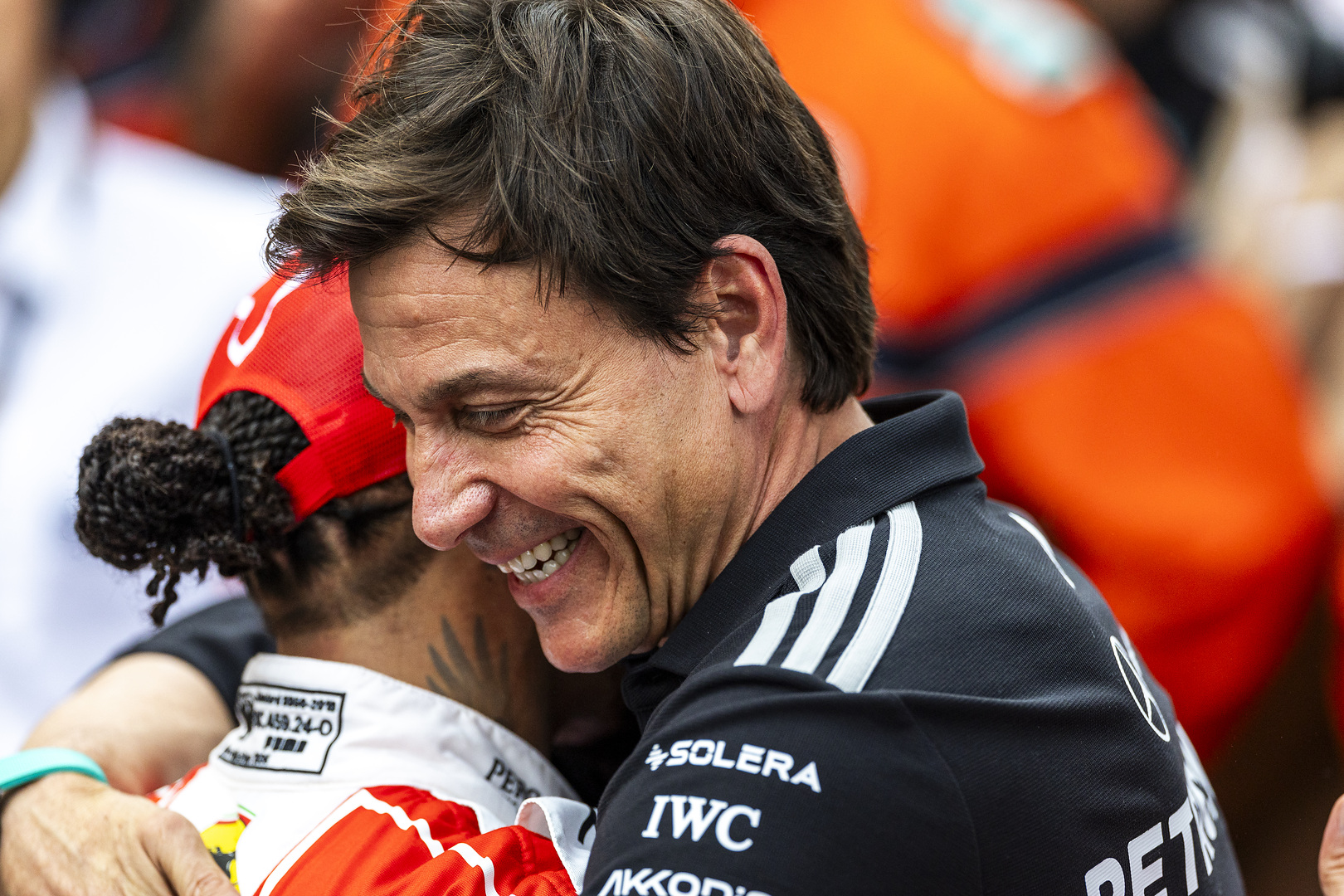
Toto Wolff Got Lucky, and He Knows It
When the man who built the dynasty admits relief that its greatest driver walked out the door, you have to ask what dominance actually costs.
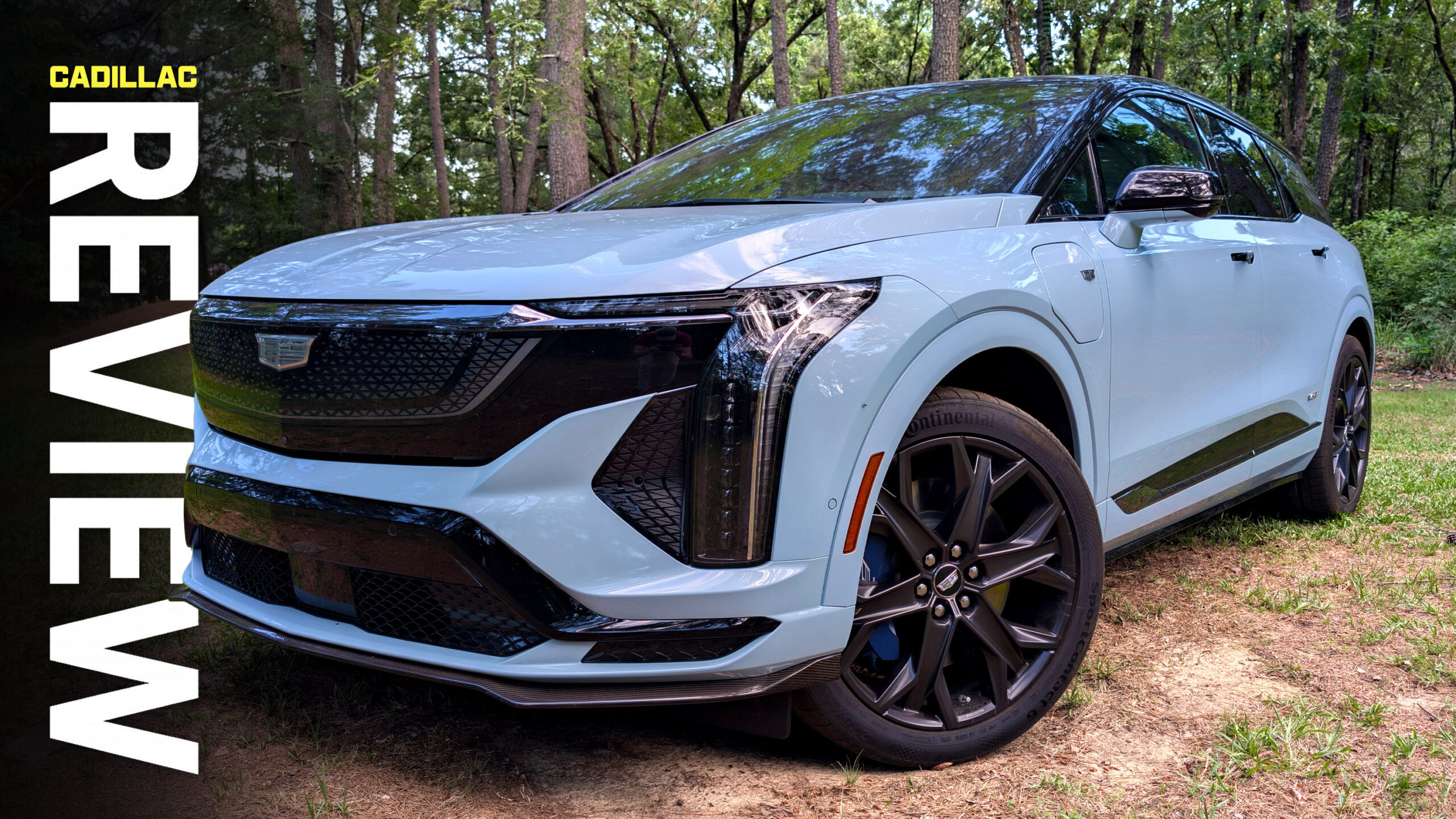
Quick, Composed, and Refuses to Be Filed
A writer at Carscoops spent a week with the 2026 Cadillac Optiq-V and came back without a clean answer — which might be exactly where Cadillac wants you.
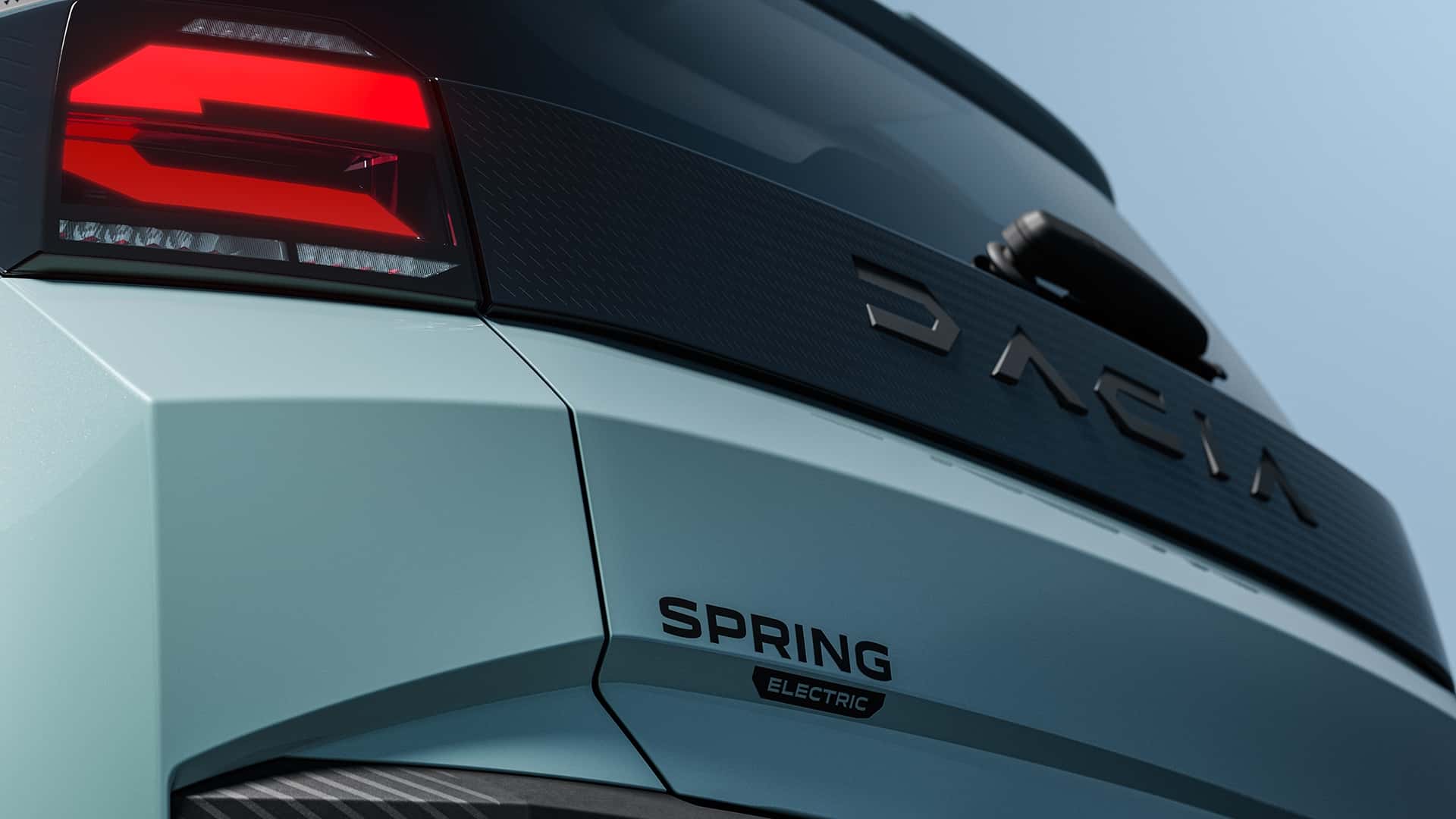
Dacia Spring Changes Everything Except the Price Tag
Moving production from China to Europe without breaking the budget isn't a logistics story — it's a stress test for the entire idea of affordable European EVs.
From the other desks.

Saul Nash Shaped Something Men Weren't Ready to Admit They Wanted
Spring 2027 wasn't about provocation — it was about architecture, and the body inside it.

Giannis Is Available. The Cap Isn't.
Boston wants the league's best player. The salary cap wants a word first.

Polymarket Paid for the Feeling of Winning
Over a thousand fake-bet videos, a typo in the URL, and a prediction market that couldn't predict how badly this would land.