Men Wore the Joke and Nobody Laughed It Off
Spring 2027 menswear didn't loosen the suit's collar — it asked whether the collar was ever the problem.

Photo · WWD
The Costume We Forgot We Were Wearing
Think about the last time you wore a suit and felt like yourself. Not performed yourself — not signaled something to a room — but actually inhabited your own skin inside structured cloth. For most men, the honest answer is complicated. The suit has spent decades being a negotiation: how much of you can live inside something designed, fundamentally, to present a version of you that the world finds legible.
Spring 2027 menswear, as it came down the runways in Milan and beyond, asked a different question. Not how do we soften the suit, not how do we make it streetwear-adjacent, not how do we give men permission to be casual. The question underneath all of it — threading through Paul Smith's boxy silhouettes and Brunello Cucinelli's garment-dyed layering and Dolce & Gabbana's Sicilian textile traditions — was whether the suit could survive becoming genuinely, unguardedly enjoyable.
That's a harder ask than it sounds.
What the Archive Remembers
Paul Smith went back to his own nineties archive for spring 2027, WWD reported — finding something in boxy tailoring, dusty colors, and fluid fabrics that felt less like nostalgia and more like a correction. There's a specific kind of creative confidence in a designer returning to an earlier version of their own instincts and saying: we were right then, and the intervening years of refinement may have actually been a retreat. The swagger WWD identified in the collection is real, but it's earned swagger — the kind that comes from knowing you've been here before and choosing to be here again on purpose.
What strikes me about that framing is how much it implies about what happened in between. Decades of menswear seriousness. The slim-cut era. The normcore correction. The quiet-luxury whisper campaign. Each cycle presenting itself as the mature, evolved position — and each cycle, in retrospect, revealing itself as its own kind of costume. Smith reaching back through his archive isn't escapism. It's a provocation: what if fun was always the sophisticated choice?
Brunello Cucinelli came at the same territory from a different angle. The spring 2027 collection, per WWD, upheld individuality and mix-and-match, moving through garment-dyed looks, cargo pants, and safari jackets. The language of that collection is the language of a man who dresses for himself — not carelessly, but confidently, with enough self-knowledge to combine things that don't have obvious permission to be together. That's a different philosophy than coordination. It's closer to character.
The Island and the Inheritance
Dolce & Gabbana took the longest road. Sicily has always been central to the house's identity, but for spring 2027 the tribute went deeper — into the island's traditions and crafts, WWD noted, seen through Domenico Dolce and Stefano Gabbana's own sensibility. The layering the collection took its name from wasn't just textile. It was temporal: the weight of what a place means, filtered through two people who grew up knowing it.
There's something almost countercultural about that, in a fashion moment obsessed with the new. To say that place matters, that tradition is not the opposite of vitality but sometimes its source — that's a different kind of confidence than Paul Smith's archival swagger or Cucinelli's quiet individualism. It's the confidence of inheritance, taken seriously.
Vogue's backstage photographs from the Milan shows — Dolce & Gabbana, Thom Browne, Giorgio Armani captured by photographer Acielle Tanbetova — exist at the edge of all this. The behind-the-scenes image is always where the performance relaxes slightly, where you catch something unguarded. What those images tend to reveal, in any season, is that the men wearing these clothes aren't thinking about the clothes. They're just people, briefly, before the runway turns them back into statements.
Setchu and Umit Benan, both covered by Vogue for spring 2027, occupied quieter positions in the conversation — but they were in the conversation. The season felt like it had enough internal coherence to constitute an actual argument, not just a collection of individual visions.
Whether the Suit Survives Being Fun
Here's what I keep coming back to: every one of these collections, in different registers, was making a case for pleasure. Not comfort — comfort is what you say when you're afraid pleasure sounds indulgent. Pleasure. The idea that a man might get dressed in the morning and feel something other than appropriate.
The suit, as a garment, was never designed for that. It was designed for legibility, for authority, for the management of how you are perceived. The history of menswear for the last several decades has been the slow, fitful negotiation between that original purpose and the growing suspicion that it was costing something real.
What spring 2027 suggests — across Smith's boxy revival, Cucinelli's individualist mixing, D&G's layered Sicilian inheritance — is that the negotiation might be over. Not because the suit lost, but because it finally got interesting enough to keep. Texture and color and the willingness to combine things that don't match in obvious ways: these aren't rebellions against tailoring. They're what tailoring looks like when it stops being afraid of itself.
The real question isn't whether the suit survives being fun. The question is what you were so serious about in the first place.
Keep reading fashion.

Gold Leaf on a Lacquer Dial, and the Weight of What That Costs
Awake's Frosted Leaf Royal Blue asks a question Vietnamese craft has never quite had to answer at this price.
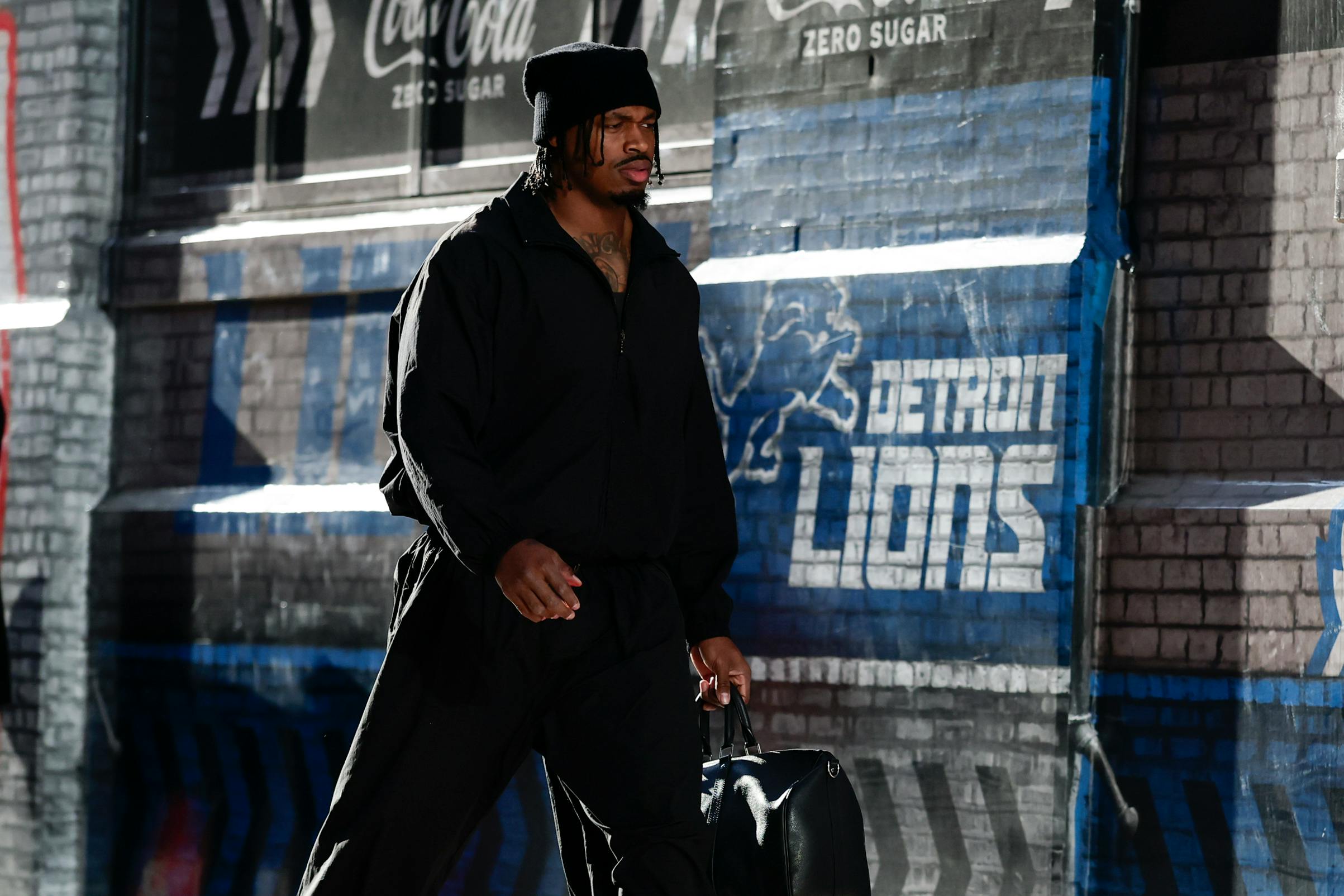
Kyle Smith Has a Job Title That Didn't Exist Before. That's the Whole Tell.
When the NFL hires a fashion editor, it's not about clothes — it's about who gets to decide what matters.
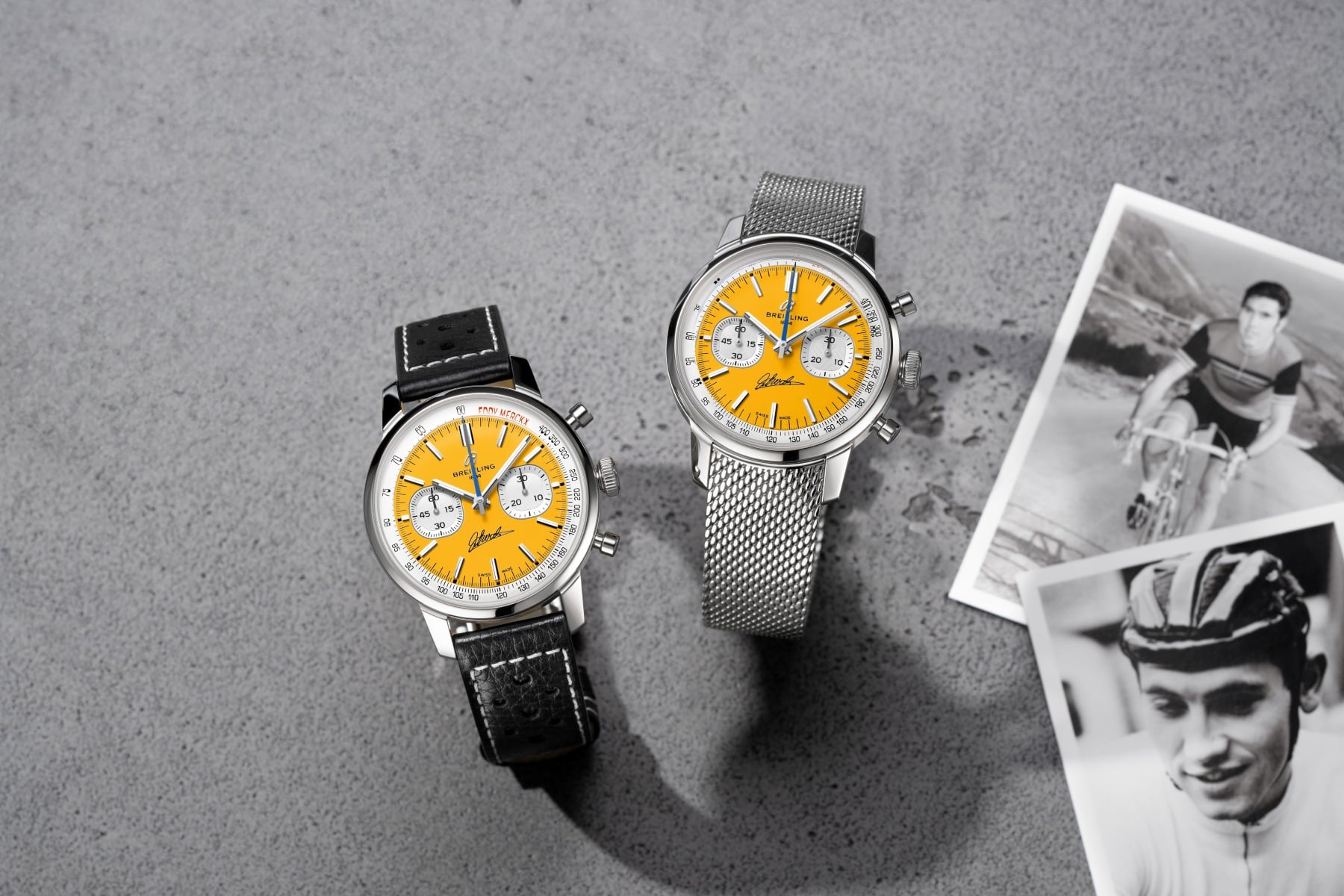
525 Victories, One Dial, and Cycling's Long Wait for a Wrist
Breitling's Eddy Merckx edition doesn't just reference a legend — it asks whether motorsport's younger sibling has finally earned its place in serious watch culture.
From the other desks.

800 Horsepower, One Ton of Doubt
Lamborghini built the most powerful SUV it's ever made. It's also slower than what it replaced.

ESPN Named Him. Then Unnamed Him. Nobody's Explaining the Gap.
A retraction without a reckoning is just a deleted link.

Hide My Email Has Been Showing Your Email
Apple's privacy flagship has a hole in it. They've known for over a year.