Mercedes Built a Van for People Who Don't Say Van
At $130,000, the VLE doesn't have a credibility problem — it has an audience problem.
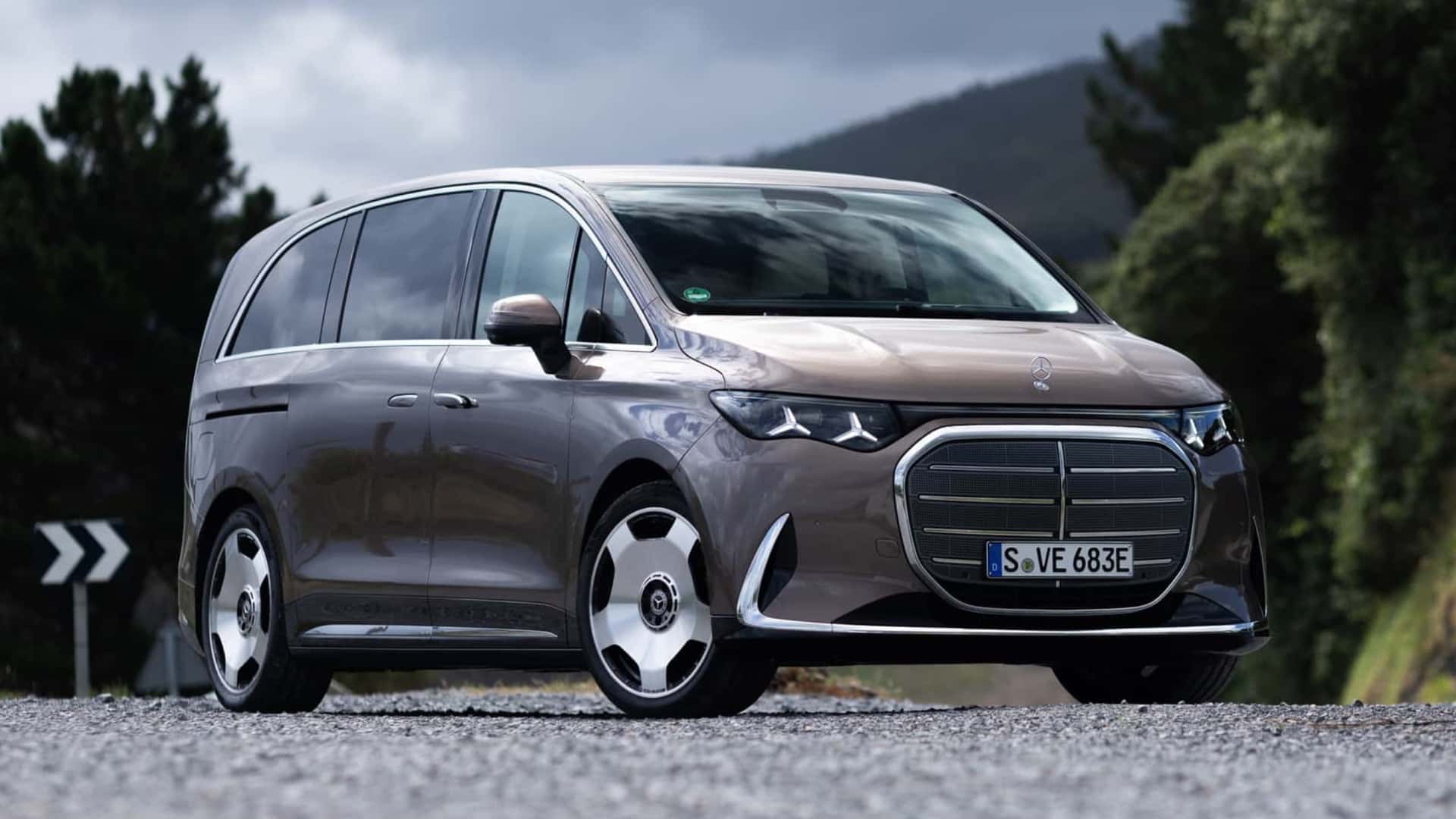
Photo · Motor1.com - Articles
There's a version of this story where Mercedes wins. A sprawling, whisper-quiet cabin. Seats that move like furniture in a good hotel. A platform — Mercedes calls it VAN.EA — built from scratch rather than adapted from a cargo hauler. The VLE is, by every account across the coverage, a genuine leap over whatever came before it.
And yet every outlet that drove it came home with the same nagging question: who, exactly, is this for in America?
The Van Problem Has Always Been Cultural
Motor1 framed it directly — America might not be ready. InsideEVs called it a brave gamble. Robb Report, not exactly a publication prone to hand-wringing, noted the VLE sits at a crossroads and wondered aloud about U.S. market response. Autocar, reviewing it from the European side, saw the scale of progress clearly: a new architecture, a new family of vehicles stretching from a next-gen Vito commercial van up to a Mercedes-Maybach VLS. Over here, that lineage reads differently. The van is still the van.
That stigma isn't irrational — it's just stubborn. Americans bought into a status hierarchy built around sedans and SUVs, and it calcified over decades. Sliding doors are for school runs and airport pickups. That's not a design problem Mercedes can engineer around. It's a perception problem, and perception doesn't care about platform architecture.
What's striking, though, is that Mercedes isn't trying to hide the van. The VLE isn't a crossover playing dress-up. It's a Grand Limousine — their word — with a three-row cabin, and it's priced at around $130,000. That number is not a typo. For context, that's territory where a 911 lives. The ask isn't just money. It's asking someone to spend 911 money and park a van in their driveway.
Where It Earns the Price
Here's what the coverage makes clear: inside, the argument is easier to make. The VAN.EA platform is purpose-built, not a workaround, and the difference shows. Autocar noted the progress over the outgoing EQV — which, however capable, always felt like a well-executed electric van rather than something designed with a different ambition. The VLE feels designed with different ambition.
Robb Report found it impressive while noting room for improvement — which is honest, and probably fair for a first-generation vehicle at this price. The luxury is real. So is the utility. The question is whether those two things, combined in this shape, add up to a product American buyers will rationalize.
InsideEVs put it plainly: even if the van stigma can be cracked, the price is a second wall. Both walls have to fall. That's a lot to ask of one model.
I keep coming back to the Maybach VLS sitting at the top of this same family. That car will probably sell to people who already have drivers. The VLE is aimed at the person who wants the experience without the full theater — the self-driving version of the backseat life. That buyer exists. They just haven't been told they're allowed to want a van yet.
Mercedes is spending $130,000 trying to tell them.
Keep reading cars.

Nineteen Years Old, and the Car Is Already Lying to Him
Kimi Antonelli is rewriting what a rookie season looks like — but Mercedes keeps reminding everyone that the machine has its own agenda.

Sold 99% and Still Got Cut Off
A GMC dealer moved nearly every car it was given. GM's response was to send fewer cars.
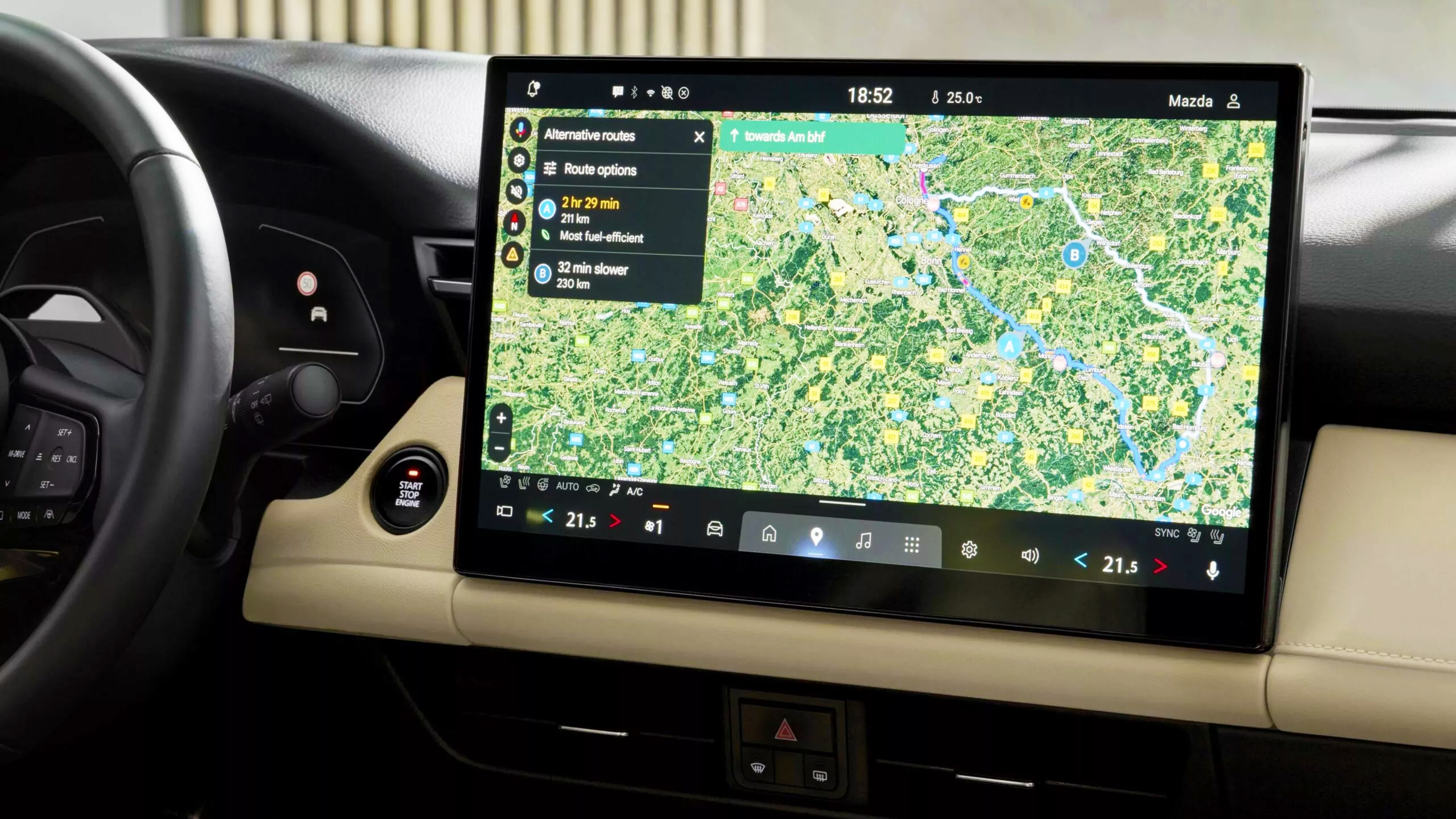
Mazda Changed Its Mind. Now Watch What Happens to the Brand.
The company that built its identity on hating touchscreens just put one in the CX-5 — and its reasoning is better than you'd expect, which makes the whole thing harder to sit with.
From the other desks.

Ochs und Junior Added Texture. Nothing Broke.
The Anno Sandblasted is a test of whether a philosophy survives its own evolution.

Fifty-Three Years of Wanting. Now What?
A city defined by its hunger just got fed — and nobody knows quite what to do with that.

Philips Hue Finally Remembered the Wall
Smart lighting spent years selling you new bulbs. The switch was always the problem.