Sold 99% and Still Got Cut Off
A GMC dealer moved nearly every car it was given. GM's response was to send fewer cars.
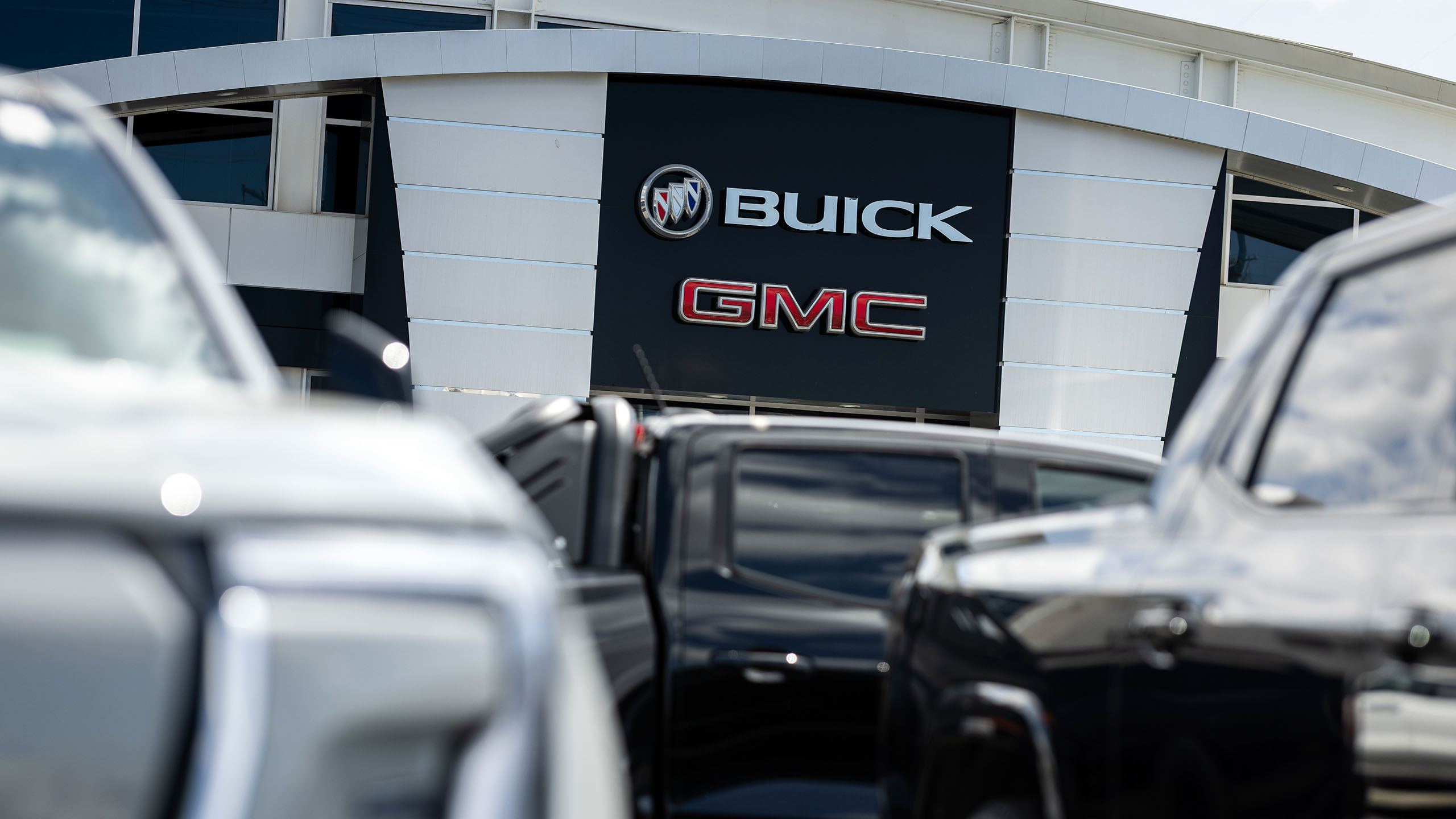
Photo · The Drive
There's a logic problem buried in how GM allocates vehicles to its dealers, and The Drive just made it impossible to ignore.
Sun GMC sold 99% of its allocated inventory in 2024. Not a good quarter — a full year. Ninety-nine percent. And GM's response was to send the dealership fewer than half the vehicles it needed to hit the sales targets GM itself had set. The Drive reported it straight, but the implication hangs in the air like exhaust: the manufacturer's allocation system is now actively punishing dealers for selling cars.
Read that again slowly.
The Metric That Eats Itself
Dealer allocation has always been a quiet lever of power — manufacturers control supply, dealers control the floor, and somewhere in between a customer either gets a car or gets a waitlist. The system was never designed to be fair. It was designed to be useful. The manufacturer moves metal, the dealer earns margin, the customer drives home. Friction exists, but the machine runs.
What The Drive is describing is something different. A dealer who performed at near-perfect efficiency got penalized with reduced supply, which makes it structurally impossible to hit the volume targets that would justify more supply. It's a trap with the logic of a fever dream — you can't sell what you don't have, and you don't get what you don't sell.
If Sun GMC's situation is accurate as reported, it isn't an edge case. It's an indictment of how the formula is built. Because 99% sell-through isn't a failure signal. It's the clearest possible signal that a market wants more cars than it's receiving. Any inventory manager in any industry would read that number and immediately ask: how do we send more? The answer, apparently, is: we don't.
Why This Moment Matters
The Drive didn't write this piece in a vacuum. It lands at a moment when the traditional dealership model is already being interrogated from multiple directions — direct-to-consumer pressure from newer manufacturers, margin compression, shifting buyer behavior. Dealers are already fighting to prove their relevance in a distribution chain that several brands have tried to cut them out of entirely.
For a legacy manufacturer to be accused of kneecapping one of its own high-performing dealers through allocation math isn't just an operational story. It's a trust story. And trust, once it becomes a story in the automotive press, has a way of spreading sideways — to other dealers wondering if their own numbers are being read the same way, to buyers wondering why inventory at their local lot looks thin, to investors watching whether GM's retail relationships can hold the weight being put on them.
Allocation models are supposed to be invisible. They're the plumbing. Nobody thinks about the plumbing until something goes wrong and suddenly the floor is wet.
The floor is wet.
A dealer sold 99 out of every 100 cars it was handed, and the manufacturer decided that wasn't good enough to earn more. Whatever formula produced that conclusion, it has a credibility problem now — not with critics, not with consumers, but with the people who actually move the product.
Keep reading cars.
Mazda Changed Its Mind. Now Watch What Happens to the Brand.
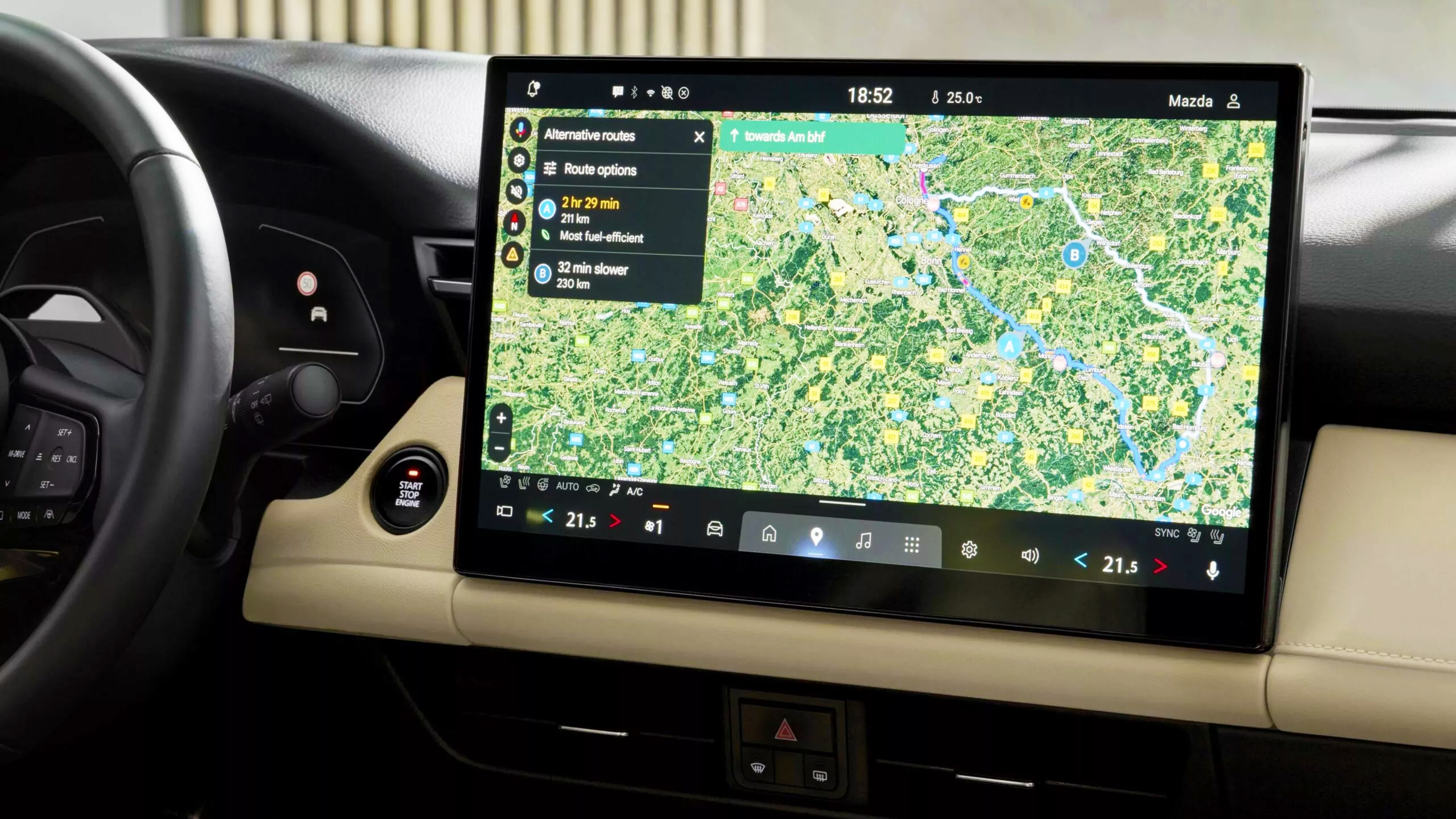
The company that built its identity on hating touchscreens just put one in the CX-5 — and its reasoning is better than you'd expect, which makes the whole thing harder to sit with.
Tesla's Safety Math Has a Denominator Problem
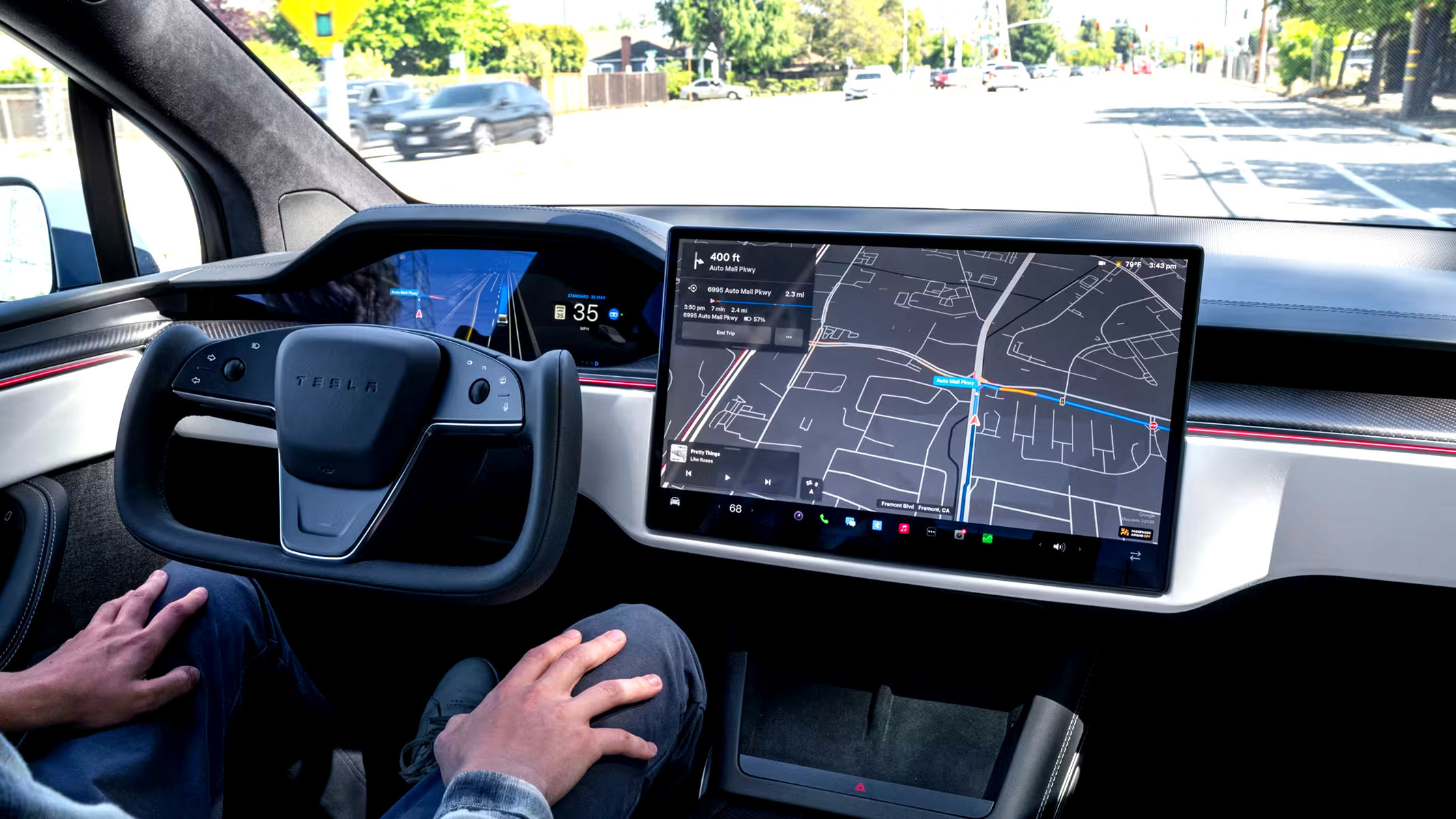
Two senators are asking NHTSA to check the arithmetic on autonomous driving's most repeated number — and the question itself tells you something.

Slate Priced Its Truck Before It Was Ready To
A number leaked. Now comes the hard part of living up to it.
From the other desks.

Simone Rocha Gave Men Permission to Be Dressed With Feeling
Her first menswear runway didn't argue for anything. It just showed you what was possible.

Seven Million Watched. Netflix Still Wasn't Impressed.
UFC threw a fight at the White House and broke a streaming record. The algorithm didn't care.

Rivian Sold the Future. The Future Has a Court Date.
A class action lawsuit against Rivian isn't really about self-driving — it's about an industry that learned to monetize the promise before it could deliver the product.