Simone Rocha Gave Men Permission to Be Dressed With Feeling
Her first menswear runway didn't argue for anything. It just showed you what was possible.
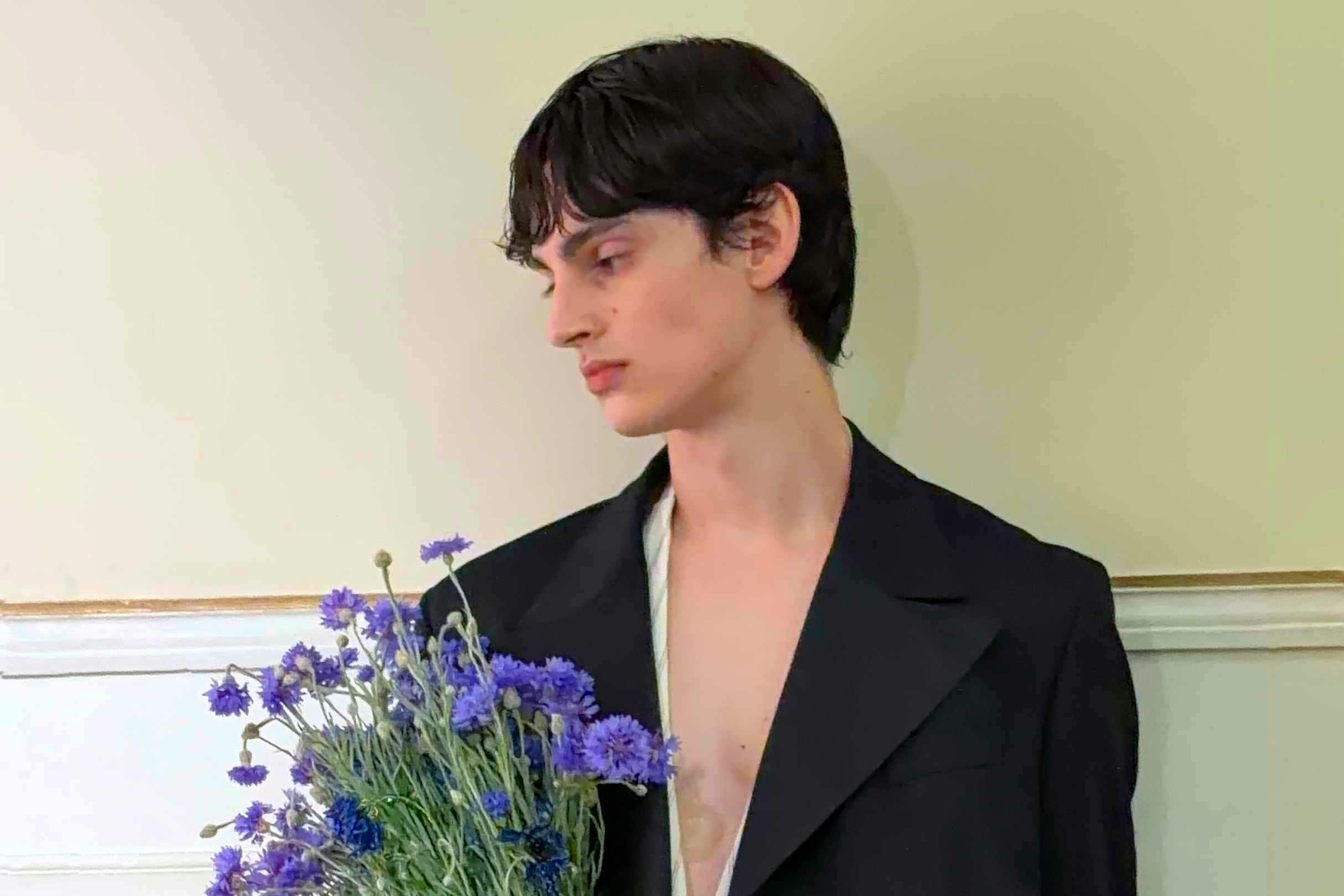
Photo · Highsnobiety
There's a version of menswear that's always been about removal — strip it back, pare it down, don't let it say too much. The discipline of restraint as a kind of virtue. Simone Rocha just walked into that room and left the window open.
Her first-ever menswear runway show — presented at Pitti Uomo — didn't announce itself as a manifesto. That's the thing about genuine conviction: it doesn't need to introduce itself. Highsnobiety described it as a demonstration of her "muteable genius," which is a useful phrase, because it captures something slippery about what she does. The emotion isn't loud. It accumulates.
The Business of Fashion's Angelo Flaccavento called it quiet rebellion, and both words matter equally. Quiet because nothing here was performed for effect. Rebellion because the act of bringing her full sensibility — uncompromised — into a space historically allergic to softness is, in fact, a radical gesture. It just doesn't dress like one.
When the Designer Refuses to Divide
What strikes me, reading across both pieces, is what Rocha didn't do. She didn't create a menswear line that hedges. She didn't sand down her instincts to make them more palatable to a new audience. The show, by every account, felt entirely like her — which means it felt like someone who believes, as she's put it herself, that even a masculine wardrobe should have emotion.
That sentence is worth sitting with. Not can have emotion, not might tolerate it. Should. There's an ethical claim buried in that phrasing, a quiet insistence that the absence of feeling in men's clothing has never been neutrality — it's always been a choice, and maybe not a particularly examined one.
The tension she's working with is real. Menswear has its own grammar, its own signals, and most designers who cross into it from womenswear end up translating themselves — finding the masculine equivalent, softening the references, making peace with the territory's expectations. Rocha didn't translate. She arrived.
What Pitti Uomo Revealed
Pitti Uomo is an interesting place to make this kind of statement. It's a trade fair, yes, but it functions as something closer to a theater for menswear mythology — a place where heritage gets performed alongside provocation, where the real and the faux both show up in beautiful coats. Flaccavento framed the season in terms of rebels, and placing Rocha in that company is generous but accurate. The rebellion just came wrapped in something more considered than most of what surrounds it.
Highsnobiety noted that her clothing is always packed with emotion — the menswear show being the clearest expression of that yet. That framing matters. This wasn't a detour or an experiment. It was the same designer, the same conviction, extended into a new context and left to breathe.
And that's where I keep landing. The story isn't whether Simone Rocha can do menswear. She clearly can. The story is whether the industry — buyers, editors, the men who might actually wear the clothes — is ready to receive something that refuses to apologize for how much it feels. Restraint has always been the safe answer in men's fashion. Rocha just made intention look better.
Keep reading fashion.
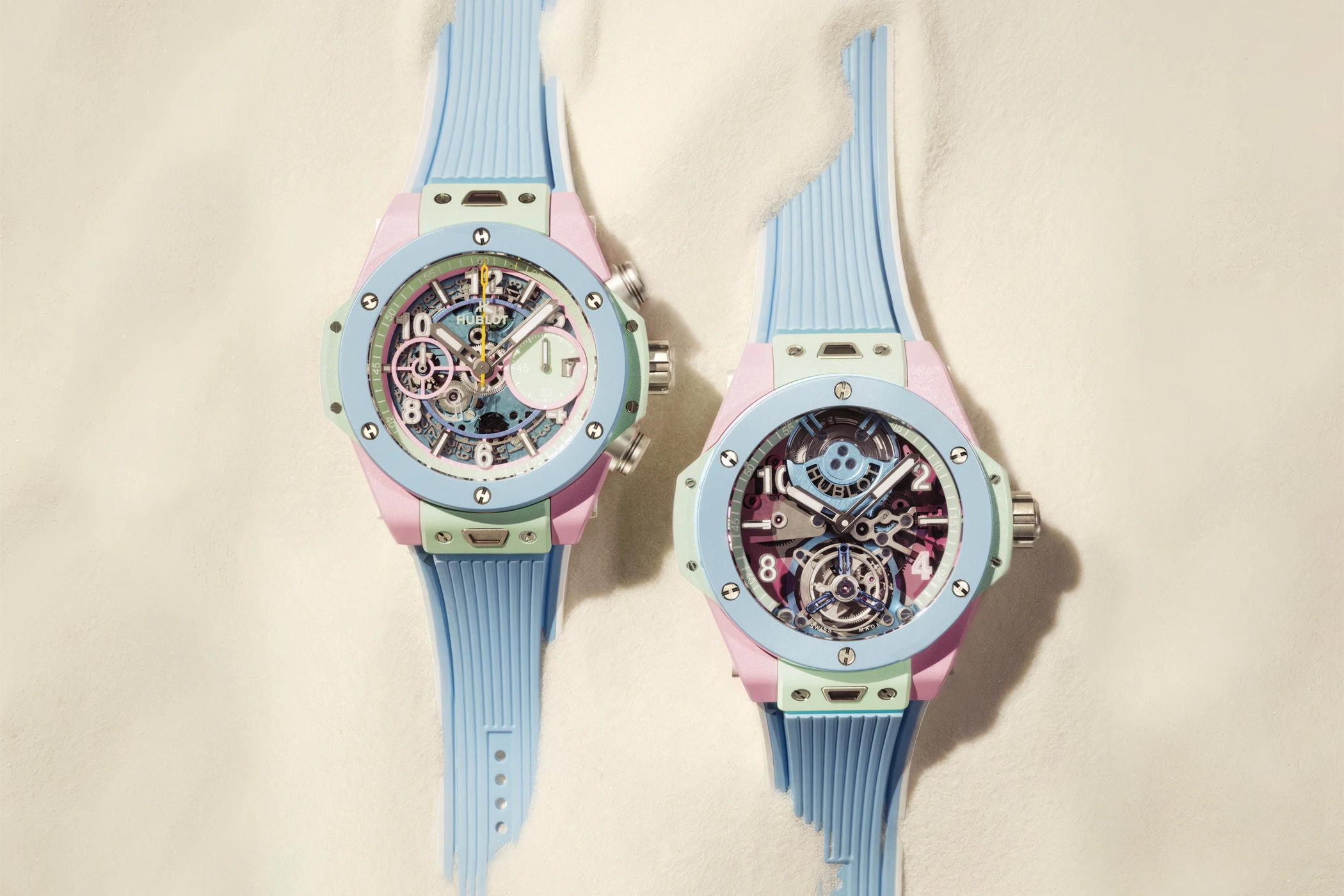
Hublot Chose Hard Colors on Purpose
Pastel ceramic isn't soft. Making it is the opposite of soft.
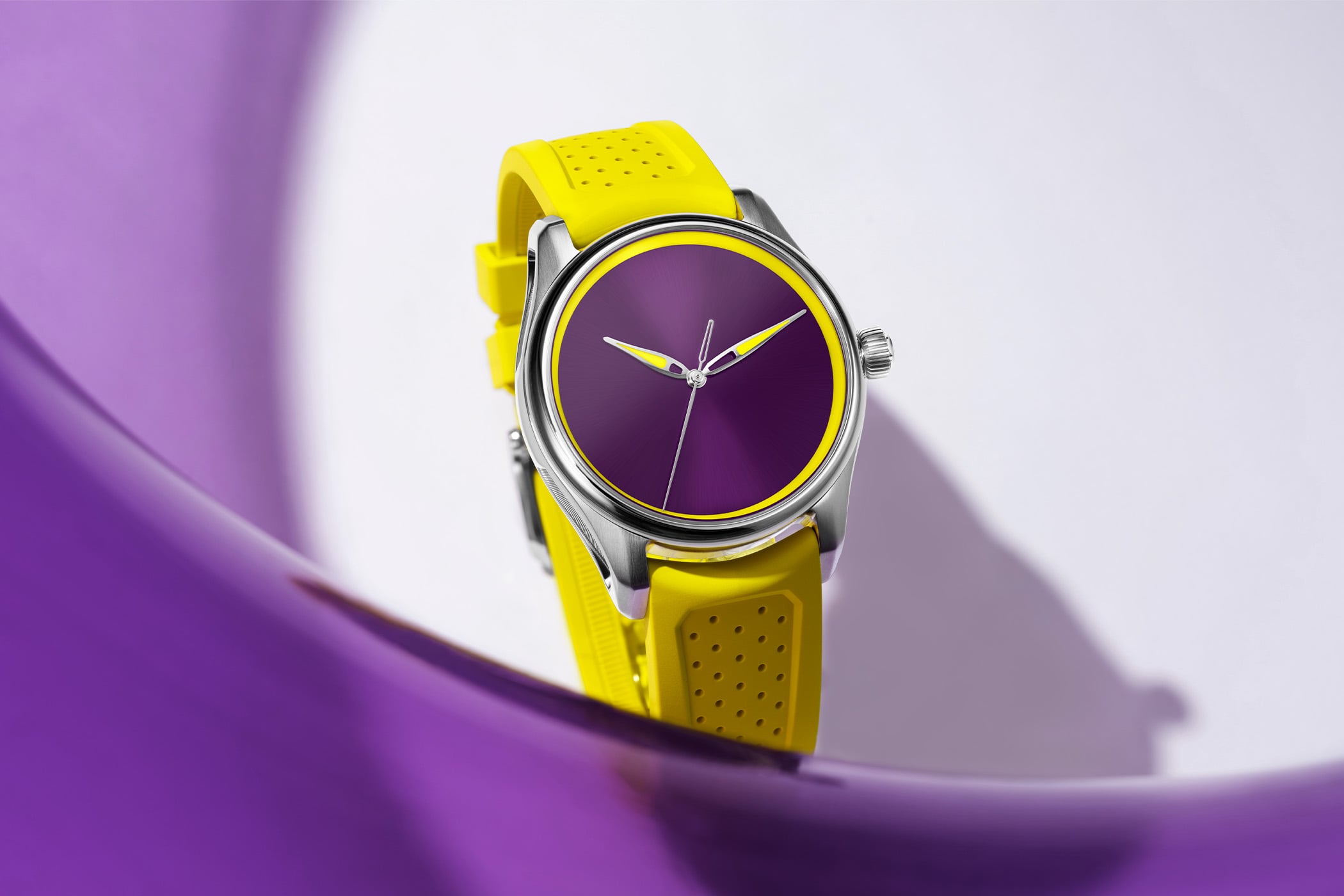
Sun Berry Is a Provocation Dressed as a Watch
H. Moser built its reputation on saying less. The Pioneer Centre Seconds Sun Berry says something else entirely.
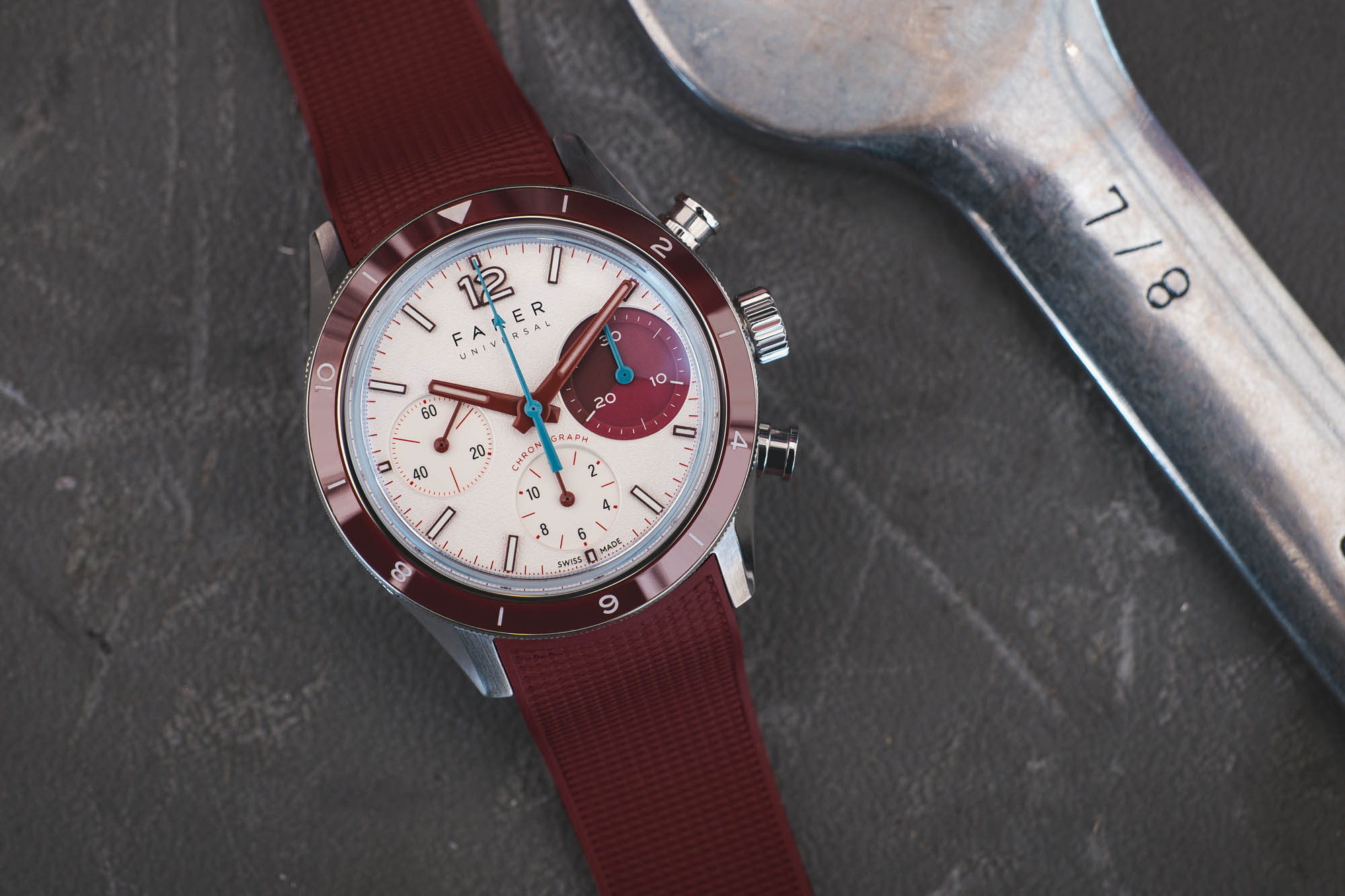
Farer Painted Three Watches in Racing Livery and Asked You to Feel Something
When vintage motorsport aesthetics become design language rather than archive recovery, the romance has to earn its keep.
From the other desks.

Sold 99% and Still Got Cut Off
A GMC dealer moved nearly every car it was given. GM's response was to send fewer cars.

Seven Million Watched. Netflix Still Wasn't Impressed.
UFC threw a fight at the White House and broke a streaming record. The algorithm didn't care.

Rivian Sold the Future. The Future Has a Court Date.
A class action lawsuit against Rivian isn't really about self-driving — it's about an industry that learned to monetize the promise before it could deliver the product.