Farer Painted Three Watches in Racing Livery and Asked You to Feel Something
When vintage motorsport aesthetics become design language rather than archive recovery, the romance has to earn its keep.
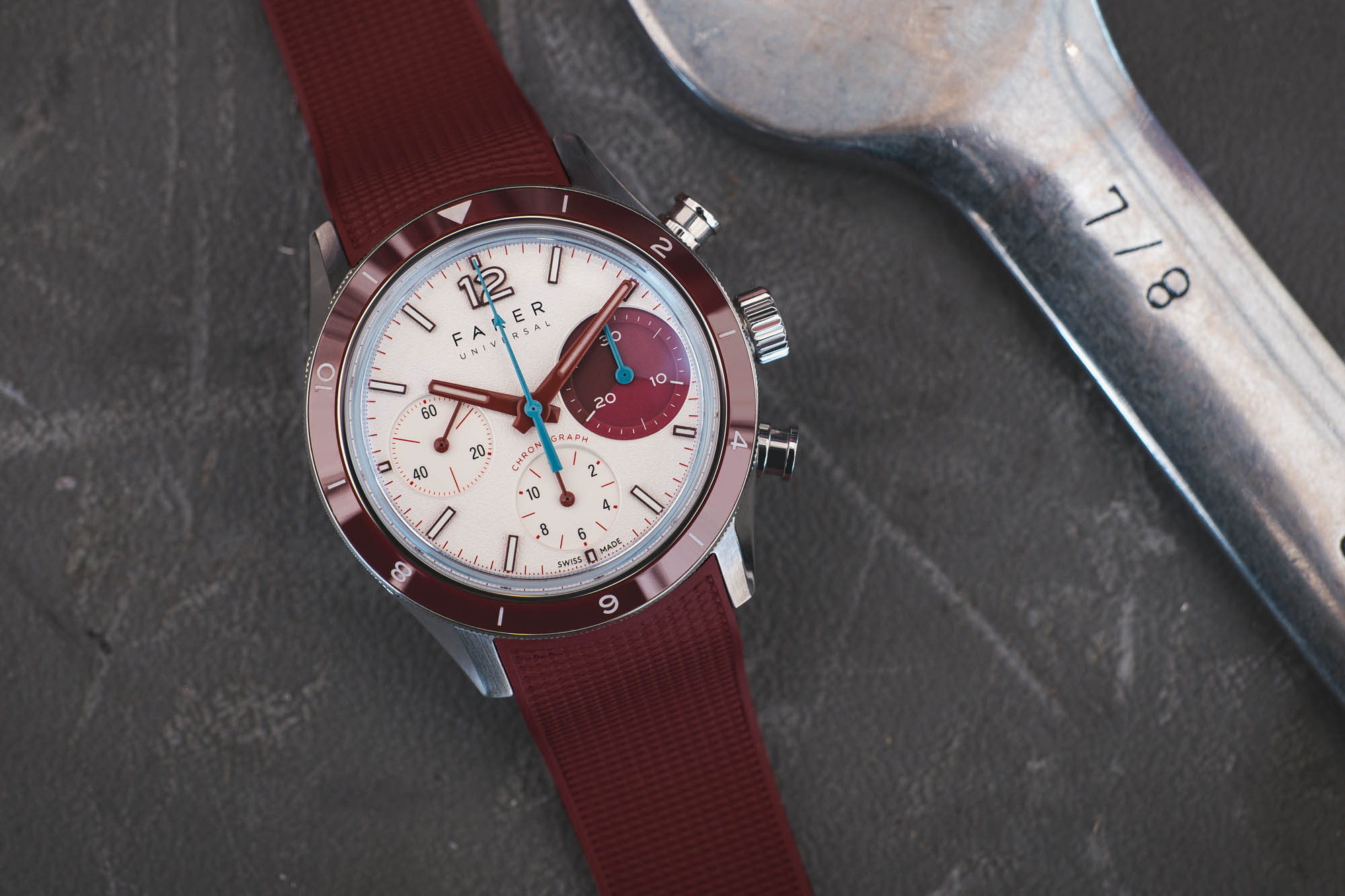
Photo · Worn & Wound
There's a version of this conversation that ends in cynicism. A watch brand reaches back to the 1960s and 1970s, borrows the hand-painted livery energy of that era's motorsport, drops three chronographs with bold color blocking, and you file it under nostalgia product and move on. That's the easy read.
But both pieces of coverage on Farer's new Racing Chronograph collection resist that framing — not because they're promotional, but because the watches themselves seem to understand the difference between reference and recreation.
What the Livery Actually Means
Worn & Wound frames the whole thing through the lens of what's been lost: the hand-painted liveries of racing's earlier decades were built to invoke speed, romance, adventure — and yes, the occasional sponsor — in a way that today's corporate vinyl wraps simply don't. That's not nostalgia talking. That's an aesthetic argument, and it's a defensible one. The visual grammar of old motorsport was expressive because it had to be. It communicated from a distance, at speed, with limited surface area. Restraint and boldness coexisted because they had to.
Farer's decision to build a chronograph collection around that language isn't arbitrary. It's a thesis. Time+Tide describes the result as bold and vibrant, a colorful twist on the vintage-inspired tricompax format — and "twist" is doing important work in that sentence. A copy of the past stays in the past. A twist means you showed up with something to say.
The tricompax layout — three subdials, a configuration with deep roots in mid-century chronograph design — is the structural commitment that makes the color choices land rather than float. Without it, you have a colorful watch. With it, you have a point of view.
Romance as Intention
Here's what I keep turning over: both sources are covering something that is, at its core, designed to make you feel a feeling. That's not a criticism. Every watch that reaches for vintage motorsport imagery is making an emotional argument. The question is whether it's honest about doing so.
Farer appears to be. The Racing Chronograph collection doesn't seem to be pretending it found something in an archive. It's not presenting itself as a reissue or a tribute or a limited-run relic. It's a living design language — color and form chosen because they communicate something true about speed and spectacle, not because they mirror a specific dial from a specific race in a specific year. That's a meaningful distinction.
When romance is intentional, it has to survive scrutiny. Anyone can drape a watch in period-correct aesthetics and call it heritage. The harder thing is building something that would have made sense then and makes sense now — not because it's timeless in some vague marketing sense, but because the underlying visual logic still holds.
From what both sources describe, Farer has done the harder thing.
The bold colorways aren't decoration on top of a conservative base. They're structural. The vintage-inspired architecture isn't a costume over a modern movement — it's the reason the colors read the way they do. Pull either element and you have a lesser object.
That kind of internal coherence is rarer than it should be in this corner of the watch world, where the temptation to hedge — to go slightly muted, slightly safer, slightly more wearable across more contexts — is constant and commercially rational.
Farer didn't hedge. Three watches, bold livery, vintage bones, a clear argument about what made that era worth remembering.
Sometimes the most radical thing a brand can do is just mean it.
Keep reading fashion.
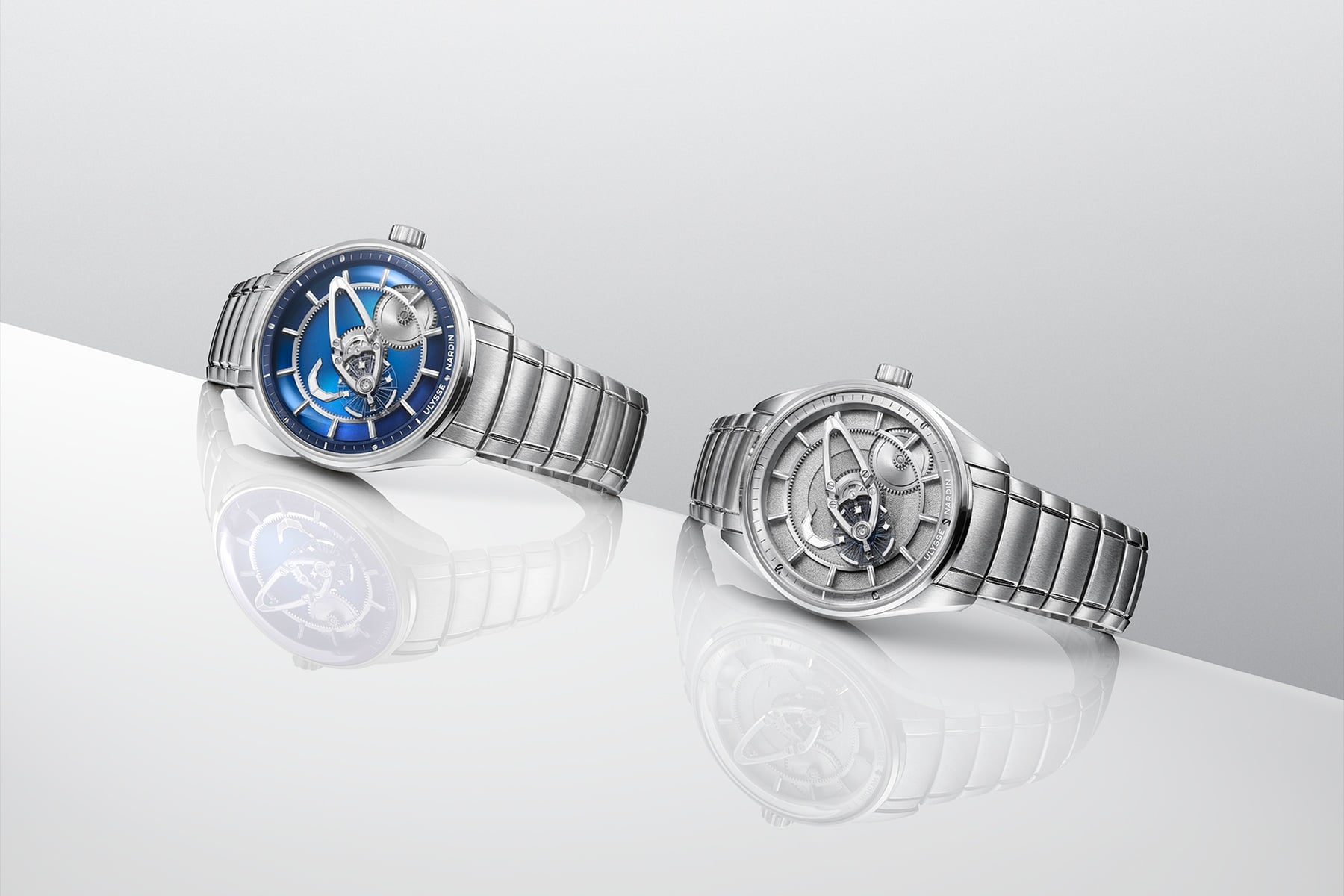
Ulysse Nardin Made the Freak Smaller. That Takes More Courage Than Making It Bigger.
Twenty-five years after a crownless watch rewrote the rules, the new Freak X asks a harder question — can a revolution survive becoming reasonable?
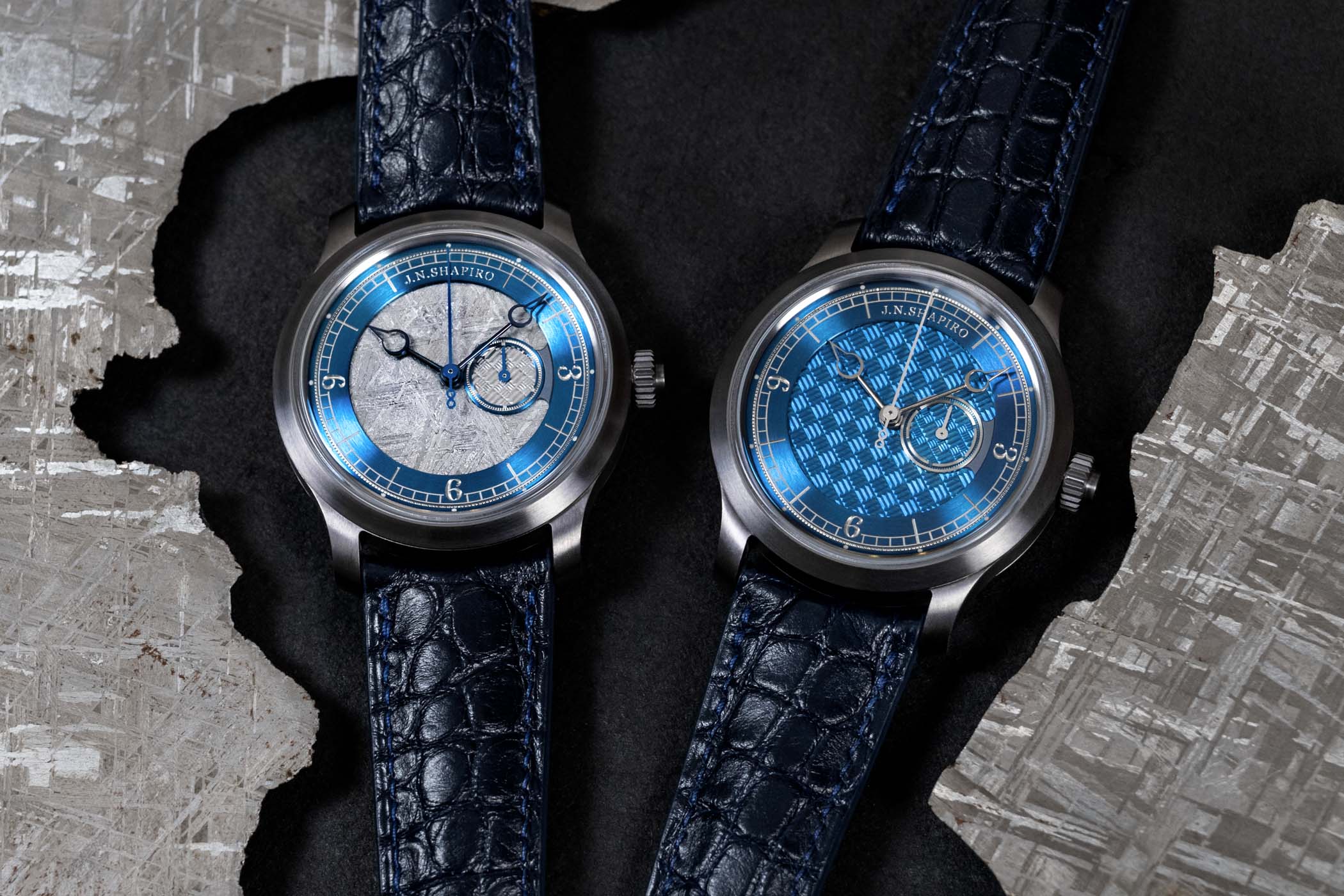
Josh Shapiro Built a Chronograph. California Didn't Ask for Permission.
The Infinity Series Radiant isn't J.N. Shapiro playing a bigger game — it's proof the game was always theirs to play.

BHV Marais Bought Itself Back. Shein Was the Price of Admission.
When a Parisian department store ends a fast-fashion partnership by changing ownership entirely, the question isn't taste — it's what credibility costs.
From the other desks.

Rust at $450,000 a Panel
Icon 4x4 built a brand-new truck that looks like it's been sitting in a field since the Carter administration — and the price tag is the least surprising part of the story.

Owen Wilson Showed Up. Nobody Looked.
When a 26-year-old golfer outdraws a movie star, the sport has a choice: notice what it has, or keep waiting for someone easier to sell.

Draw the Line, Then Move It
Washington weaponized AI export controls and discovered, almost immediately, that weapons need a consistent hand.