Ulysse Nardin Made the Freak Smaller. That Takes More Courage Than Making It Bigger.
Twenty-five years after a crownless watch rewrote the rules, the new Freak X asks a harder question — can a revolution survive becoming reasonable?
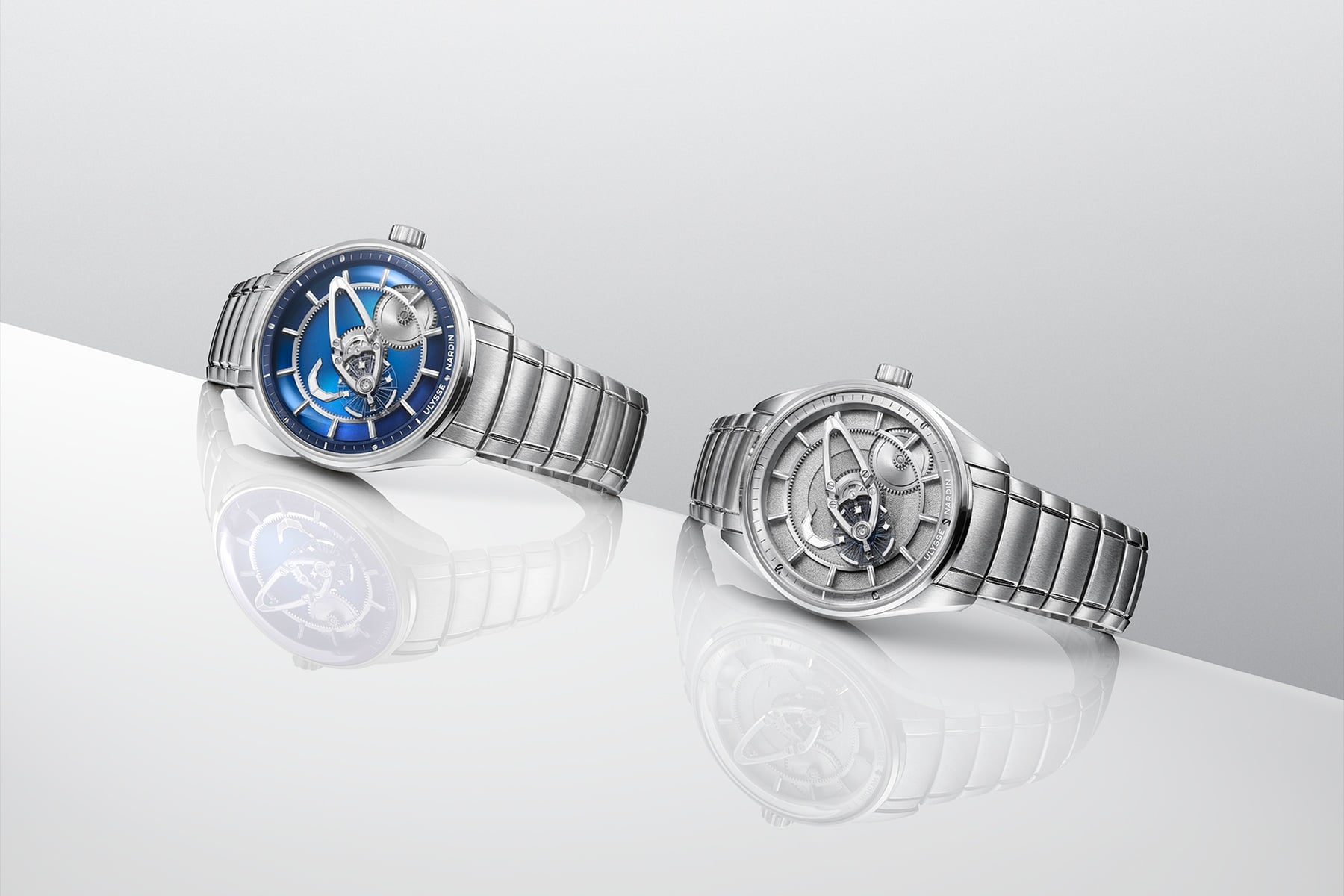
Photo · Fratello Watches – The Magazine Dedicated To Luxury Watches
There's a particular tension in watchmaking that never quite resolves. The moment something genuinely strange finds an audience, the pressure to sand down its edges begins. Not maliciously. Practically. The world wants to wear things.
The Freak was never designed to be worn easily. When Ludwig Oechslin's original concept arrived in 2001, according to Monochrome, it came with no hands, no dial, and no crown — a set of deliberate absences that announced itself as something other than a watch in the conventional sense. It was a statement about what horology could be if you stopped deferring to convention. Fratello called it nothing short of a watchmaking revolution, and that's not the kind of language watch writers throw around carelessly.
So when Ulysse Nardin introduced the first Freak X in 2019 — more compact, more accessible, and, notably, equipped with a conventional crown — the response was complicated. Something had been gained. Something had also been acknowledged: that the original, for all its brilliance, lived mostly on wrists that collected rather than wore.
Smaller Is Not Simpler
The second-generation Freak X arrives at the 25th anniversary of the original, and the headline number is 41mm — a steel case that SJX notes is smaller than its predecessor, housing an all-new micro-rotor calibre. The flying carousel architecture, the Freak's signature visual logic, remains. What's changed is the scale and the intent.
An interchangeable strap system arrives alongside the movement update, per SJX, which reads less like a technical note and more like a declaration of purpose. This watch wants to move between contexts. It wants to be worn to dinner and to the office and maybe somewhere between those two things where you're not entirely sure what you're doing but you'd like to look like you've thought about it.
Oracle Time frames this as a series of quality-of-life updates — a phrase that lands differently when the life in question belongs to a watch that once had no interest in your quality of life at all. That's not a criticism. It's an observation about distance traveled.
What Originality Costs When It Goes Wearable
Revolution called this the most wearable Freak yet, which is true and also slightly beside the point. The Freak was never competing in the wearability category. It was competing in the category of watches that make you reconsider what a watch is for.
The question worth sitting with isn't whether the second-generation Freak X is better or worse than what came before. It almost certainly does more things more conveniently for more people, and that's genuinely worth something. The question is whether the thing that made it matter — that original confrontational strangeness, the insistence on doing everything differently — survives the process of being refined toward approachability.
I keep coming back to the crown. Its return in the first Freak X was a concession to usability, and a readable one. But every concession changes the conversation slightly. The original had no crown because Oechslin decided you didn't need one. The new version has one because, at some point, it was decided you did. Both positions are defensible. Only one of them was a provocation.
None of this is to say Ulysse Nardin made the wrong call. A watch that gets worn carries the idea further than a watch that sits in a safe. The flying carousel on someone's wrist at a dinner table does more work for the cause of radical horology than the same movement in a display case.
But there's a version of this story where the most radical thing the Freak ever did was refuse to care whether you found it practical. And that version gets a little quieter with every millimeter shaved off the case.
The revolution didn't die. It just learned how to dress for the occasion.
Keep reading fashion.
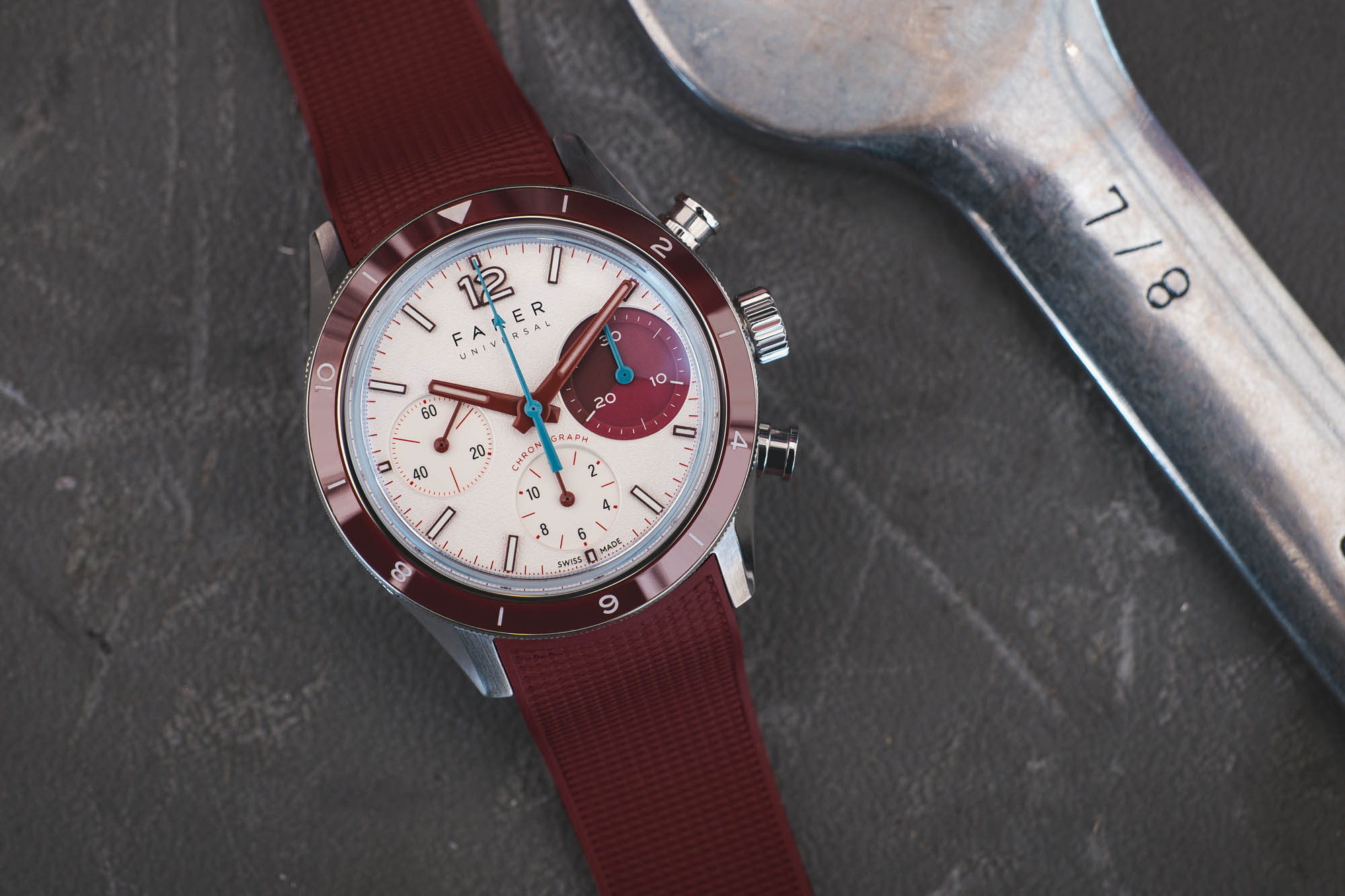
Farer Painted Three Watches in Racing Livery and Asked You to Feel Something
When vintage motorsport aesthetics become design language rather than archive recovery, the romance has to earn its keep.
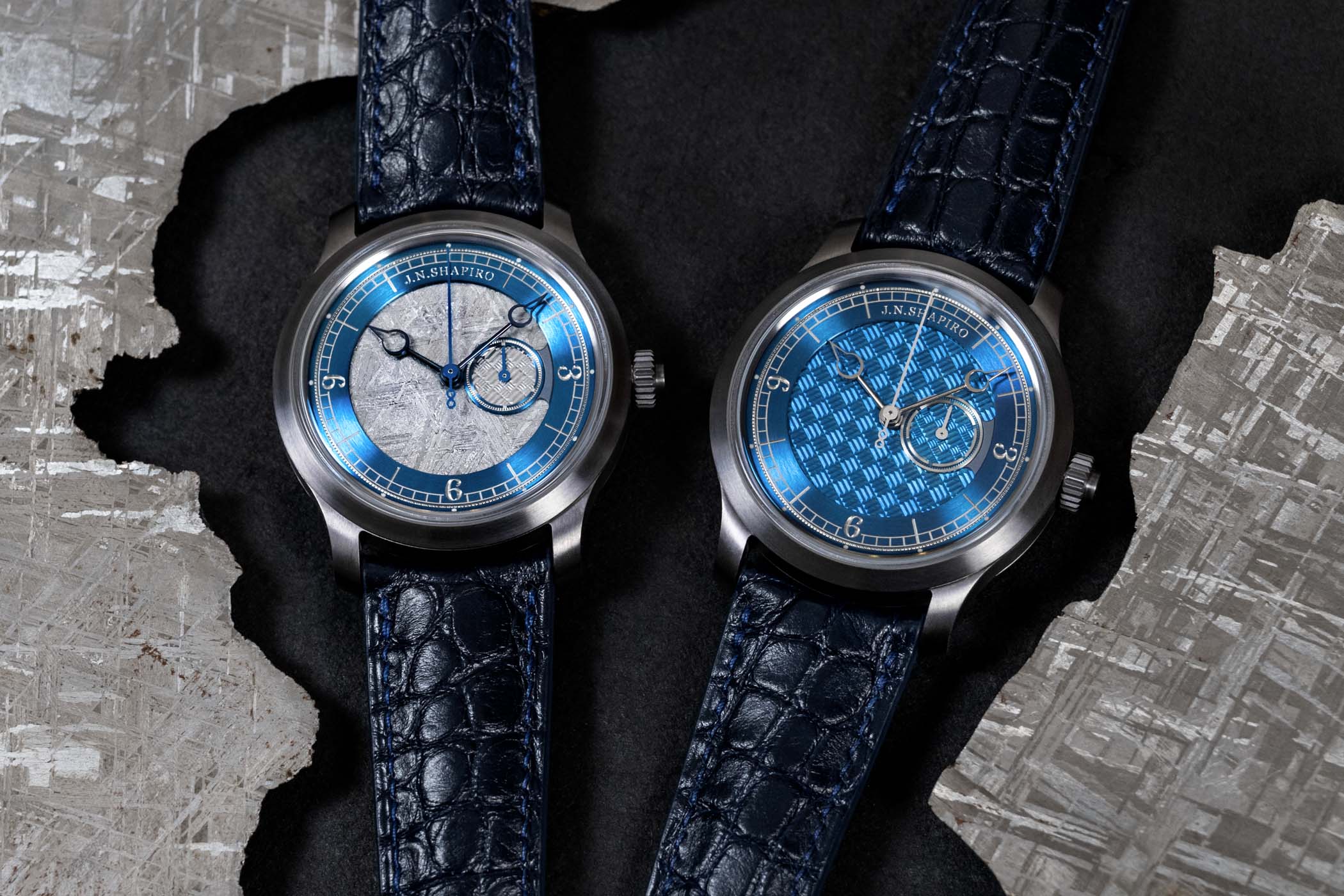
Josh Shapiro Built a Chronograph. California Didn't Ask for Permission.
The Infinity Series Radiant isn't J.N. Shapiro playing a bigger game — it's proof the game was always theirs to play.

BHV Marais Bought Itself Back. Shein Was the Price of Admission.
When a Parisian department store ends a fast-fashion partnership by changing ownership entirely, the question isn't taste — it's what credibility costs.
From the other desks.

Rust at $450,000 a Panel
Icon 4x4 built a brand-new truck that looks like it's been sitting in a field since the Carter administration — and the price tag is the least surprising part of the story.

Owen Wilson Showed Up. Nobody Looked.
When a 26-year-old golfer outdraws a movie star, the sport has a choice: notice what it has, or keep waiting for someone easier to sell.

Draw the Line, Then Move It
Washington weaponized AI export controls and discovered, almost immediately, that weapons need a consistent hand.