Josh Shapiro Built a Chronograph. California Didn't Ask for Permission.
The Infinity Series Radiant isn't J.N. Shapiro playing a bigger game — it's proof the game was always theirs to play.
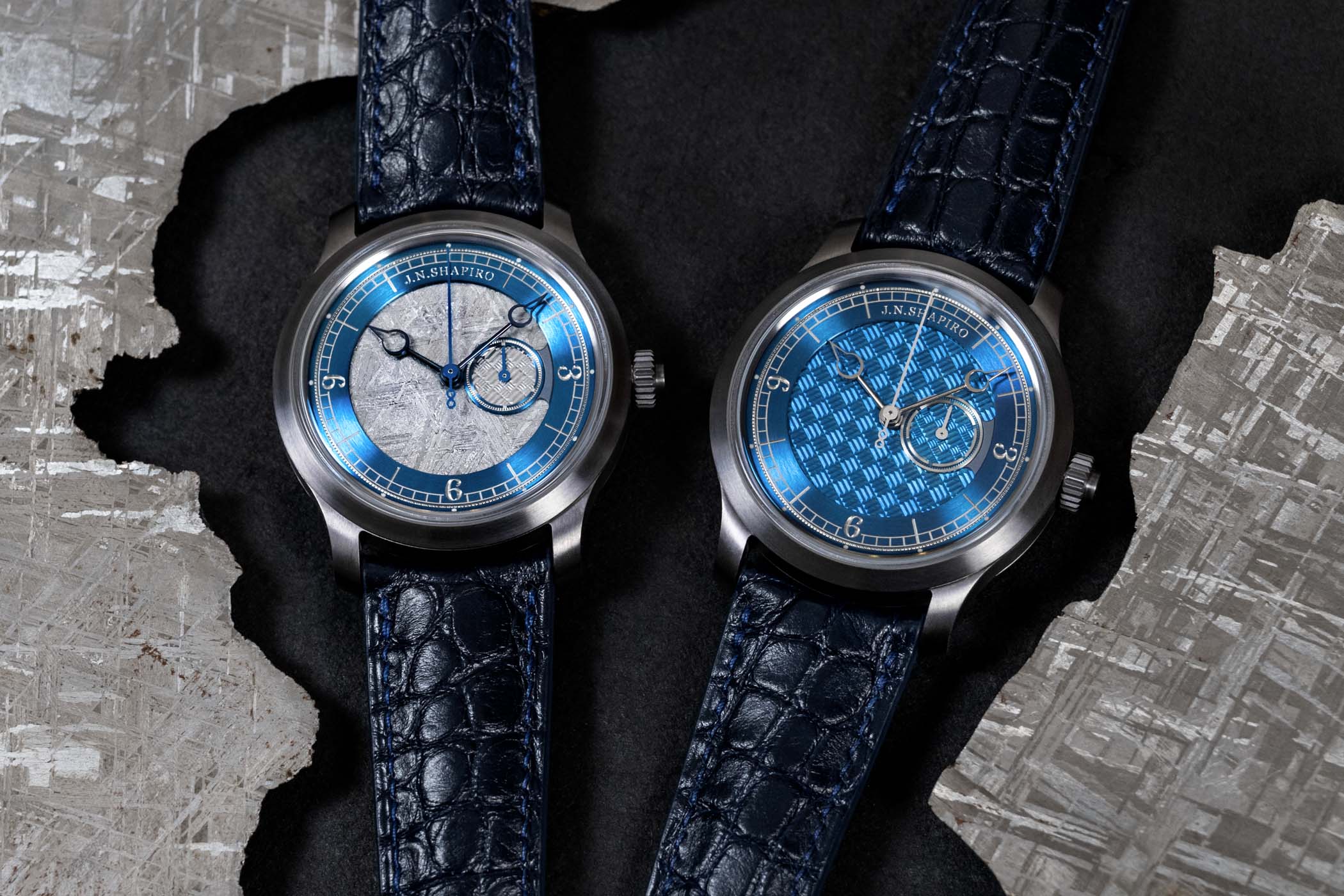
Photo · Monochrome Watches
What the Coverage Keeps Circling
Seven outlets looked at the J.N. Shapiro Infinity Series Radiant. Nearly all of them, in their own way, felt obliged to explain what J.N. Shapiro was before telling you what it just became. That reflex is worth examining. Because a brand doesn't earn that kind of preamble unless people have been quietly underestimating it.
The Radiant is a monopusher chronograph in a tantalum case — the brand's first complicated model made available to the general public, according to SJX. Worn & Wound noted the temptation to read J.N. Shapiro as a brand locked in an earlier era, one that made its name on guilloché dials and the kind of craft that feels inherited rather than invented. They called it a trap. They were right to.
Hodinkee connected the watch to California's aerospace industry. That framing is doing real work. Tantalum is a dense, dark, aerospace-adjacent metal — not the obvious choice for a dress-adjacent independent. Choosing it signals something deliberate: this is a brand that wants its materials to carry meaning, not just visual weight.
The Ambition Underneath the Classicism
What the collective coverage reveals, when you step back, is a brand navigating a genuinely difficult tension. J.N. Shapiro built its reputation on precision in a traditional register — guilloché, finish, the kind of execution that earns respect in rooms full of people who've seen everything. Monochrome described founder Josh Shapiro's Resurgence project as evidence that high-end mechanical watchmaking can be produced in the United States again. That's a statement with weight behind it.
But the Radiant isn't a nostalgia play. A monopusher chronograph built around a La Joux-Perret calibre — offered in two dial variations, now accessible beyond special order — is a brand announcing that it intends to compete on complication, not just on craft pedigree. Those are different arenas, and not everyone makes the jump cleanly.
J.N. Shapiro appears to have made it.
What's interesting is how little fanfare surrounds that claim. Robb Report included the watch in their roundup of the year's best new watches, framing it alongside models from houses with centuries of history. No asterisk. No "for an American brand" qualifier. Just a place at the table.
That quiet inclusion might be the most significant detail in all seven pieces.
The Larger Question Nobody Quite Asked
American independent watchmaking has always carried a chip on its shoulder — partly deserved, mostly circumstantial. The infrastructure isn't there the way it is in Switzerland. The heritage narrative is thinner. The collector community has, historically, looked east across the Atlantic before looking at its own coastline.
What the Radiant coverage suggests, without quite saying it directly, is that something has shifted. Not seismically. Not overnight. But a California independent building a tantalum monopusher chronograph — and having it covered seriously, without condescension, by the outlets that matter — is a different world than the one that existed even a few years ago.
Worn & Wound flagged the experimentation embedded in the Infinity Series as a sign of genuine openness to evolution. Monochrome framed the arc of the brand as one of accelerating ambition. SJX noted its accessibility — the first complicated piece available to the public at large, not just special-order clients.
Together, those observations sketch something bigger than a single watch launch. They sketch a brand that has earned the right to be difficult, to be demanding, to reach for complications without anyone rolling their eyes.
The real story of the Radiant isn't the monopusher or the tantalum or even the guilloché. It's what it means when American horology stops apologizing for wanting to be serious.
Some brands spend decades asking for a seat at the table. Others just build something worth sitting down for.
Keep reading fashion.
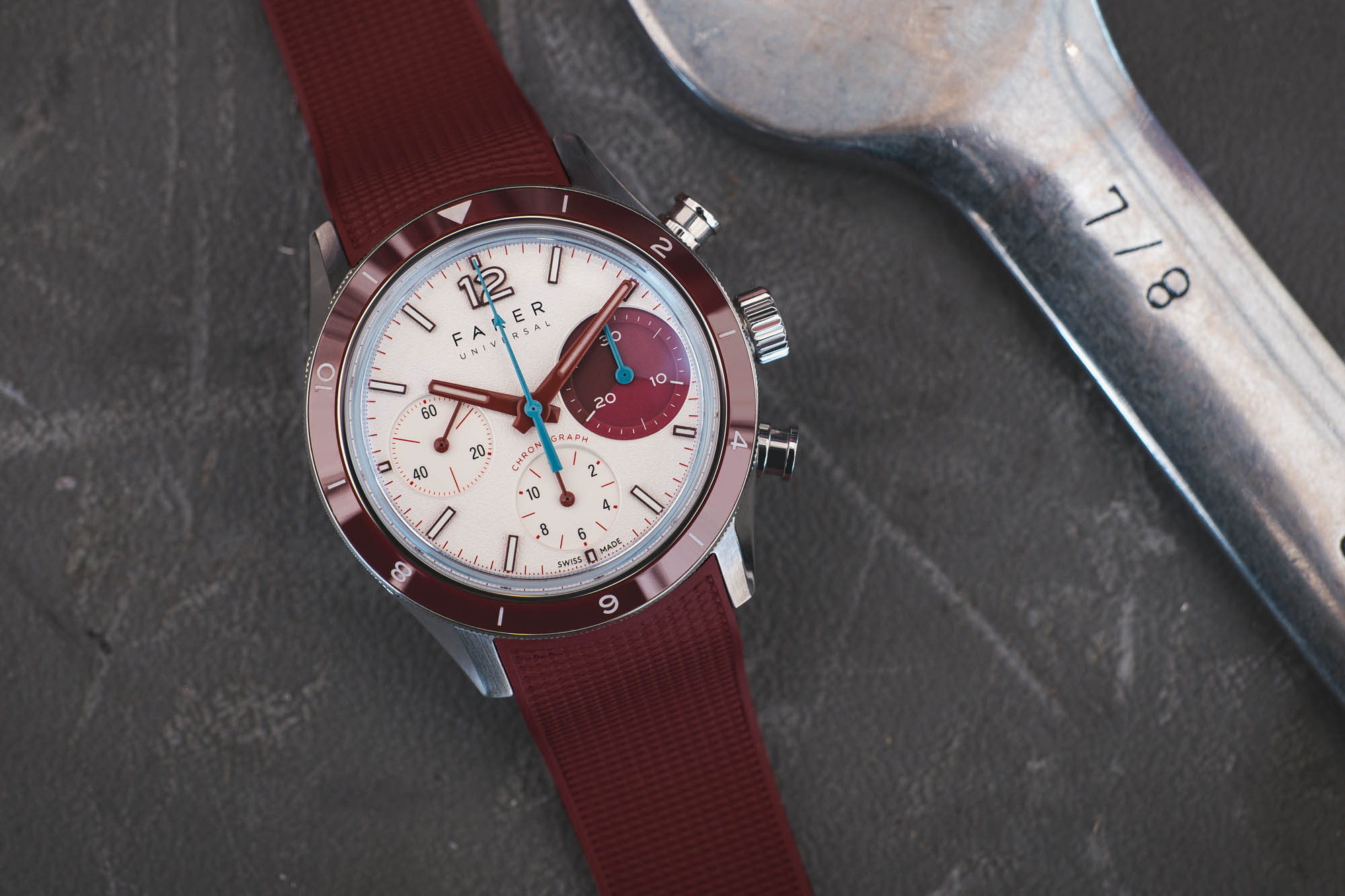
Farer Painted Three Watches in Racing Livery and Asked You to Feel Something
When vintage motorsport aesthetics become design language rather than archive recovery, the romance has to earn its keep.
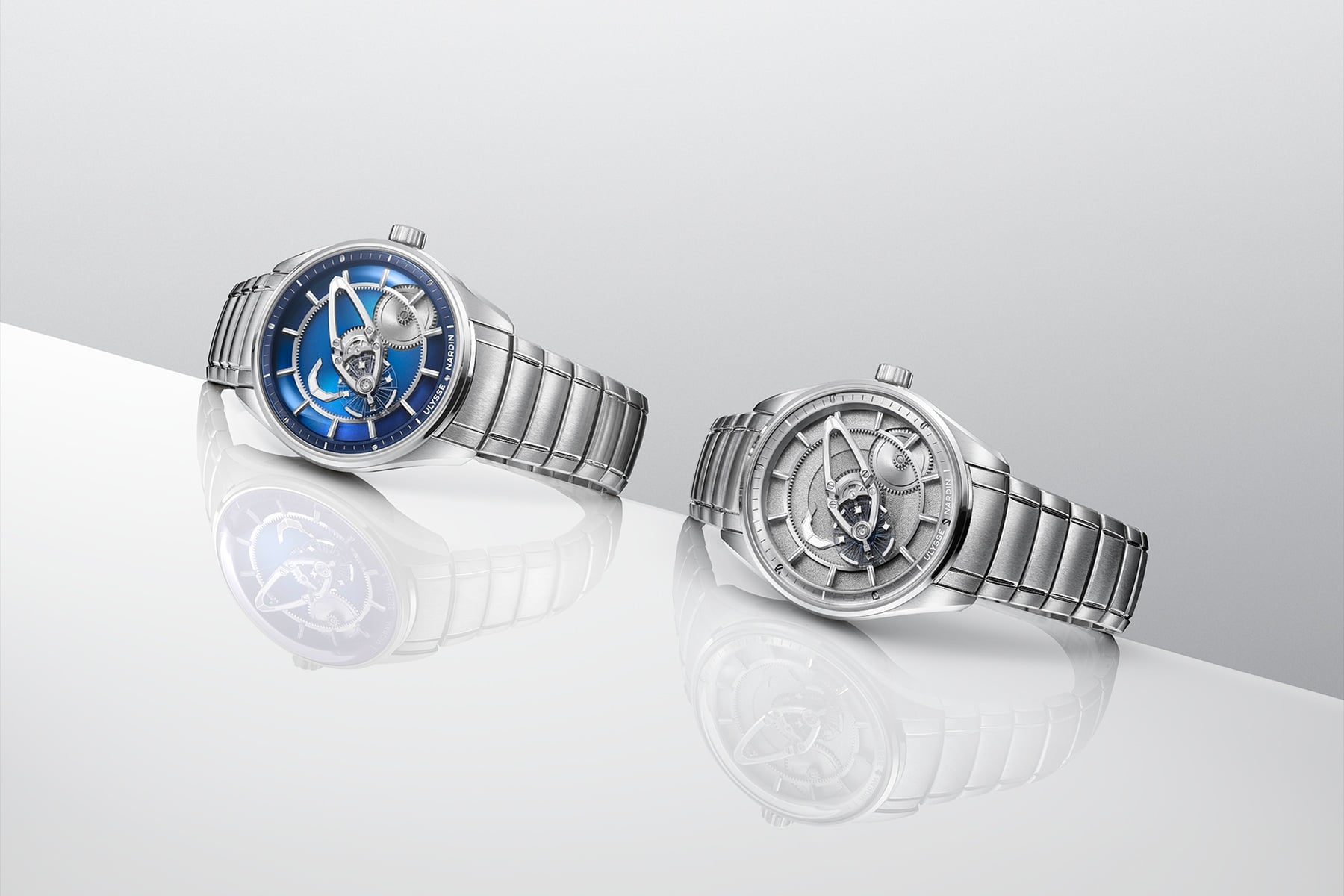
Ulysse Nardin Made the Freak Smaller. That Takes More Courage Than Making It Bigger.
Twenty-five years after a crownless watch rewrote the rules, the new Freak X asks a harder question — can a revolution survive becoming reasonable?

BHV Marais Bought Itself Back. Shein Was the Price of Admission.
When a Parisian department store ends a fast-fashion partnership by changing ownership entirely, the question isn't taste — it's what credibility costs.
From the other desks.
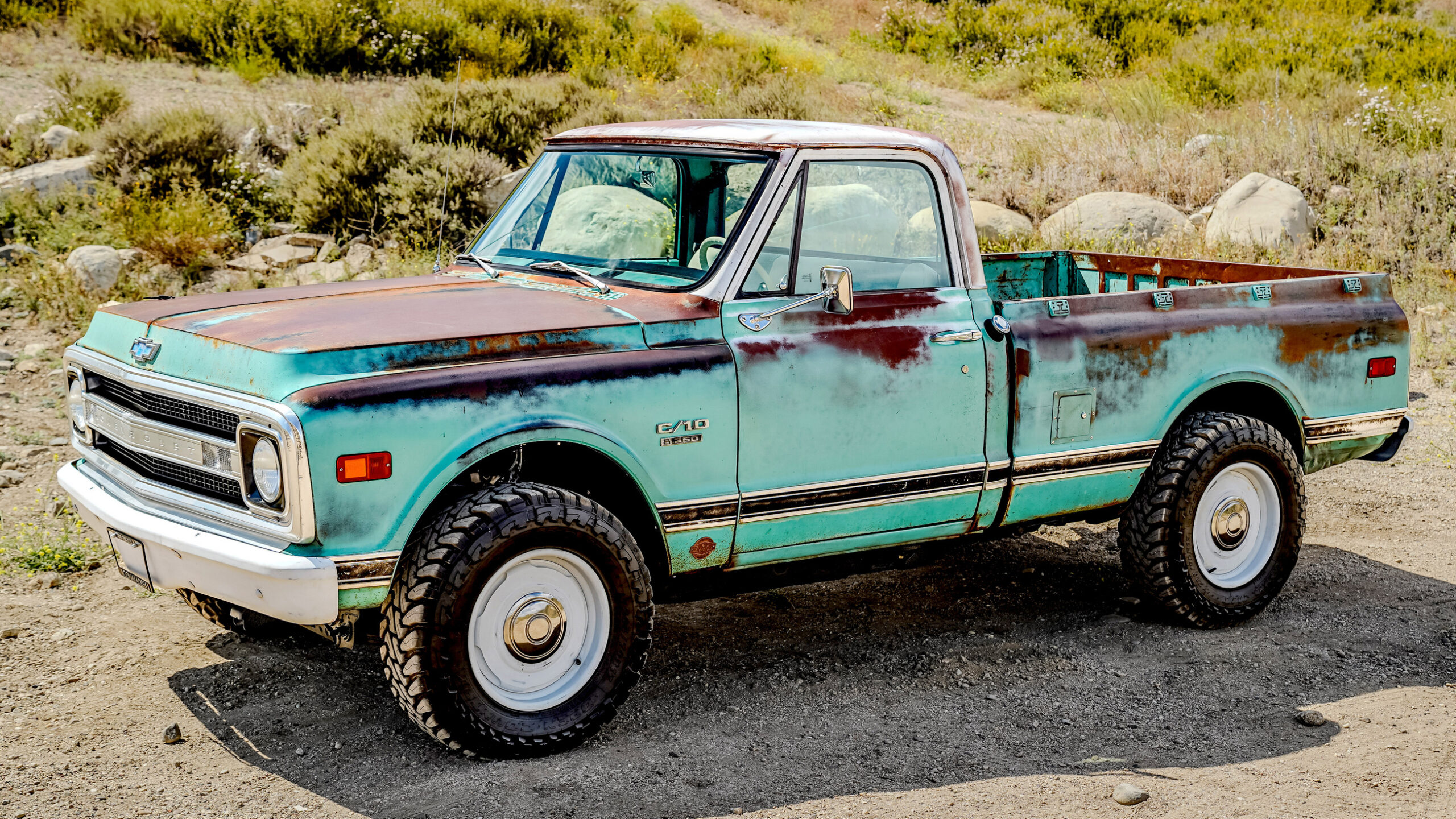
Rust at $450,000 a Panel
Icon 4x4 built a brand-new truck that looks like it's been sitting in a field since the Carter administration — and the price tag is the least surprising part of the story.

Owen Wilson Showed Up. Nobody Looked.
When a 26-year-old golfer outdraws a movie star, the sport has a choice: notice what it has, or keep waiting for someone easier to sell.

Draw the Line, Then Move It
Washington weaponized AI export controls and discovered, almost immediately, that weapons need a consistent hand.