Draw the Line, Then Move It
Washington weaponized AI export controls and discovered, almost immediately, that weapons need a consistent hand.

Photo · The Verge
The Rule, and the Exception
Imagine you've spent two years telling the world that the most dangerous thing it could do is let adversaries access frontier AI. You've built a whole doctrine around this. You've held meetings, written memos, sent officials to G7 summits. You've made the argument in rooms with world leaders and on stages with tech CEOs. The argument is: we control the frontier, and that control is the point of the whole exercise.
Then you block your own allies from getting the models.
And then you hesitate to sanction the adversary.
This is where the United States finds itself now, and I've seen enough policy cycles to know that when a doctrine starts generating its own contradictions this fast, the doctrine isn't long for this world.
The Trump administration moved to block export access to Anthropic's Fable 5 — a frontier AI model — creating an immediate scramble among European and Canadian partners, according to reporting from Tom's Hardware. World leaders, suddenly cut off from access they'd been building around, began raising alarms that they might need to develop their own national alternatives. That's not a footnote. That's the whole story in miniature: the US, in attempting to control the spread of powerful AI, has accelerated the exact fragmentation it claimed to be preventing.
Meanwhile, WIRED reports that White House officials told them Anthropic would need to guarantee Fable 5's guardrails couldn't be circumvented before any re-release could happen. Security experts told WIRED that's not possible. Not difficult. Not expensive. Not possible. So the condition for compliance is a condition that cannot be met, which means the block may not be about safety at all — it may just be about control, dressed in the language of safety.
And then there's DeepSeek.
The Adversary Gets a Pass
Also from Tom's Hardware: DeepSeek, along with CXMT, had been identified as supporting Chinese military and intelligence operations and was set to be added to the US Entity List — the formal mechanism for cutting off access to American technology. The White House held off. The reason given was avoiding escalating trade tensions with Beijing.
Sit with that for a moment.
The administration blocked allies from accessing an American AI model and simultaneously declined to formally sanction a Chinese AI company flagged for military ties — because the geopolitical moment required a softer touch with Beijing. Two decisions, made in the same general window, pointing in opposite directions. One punishes partners. One protects an adversary from consequences.
I'm not here to argue the foreign policy particulars — those calculations are genuinely complicated, and trade leverage is real. But from where I'm sitting, what this sequence reveals isn't sophisticated statecraft. It reveals a doctrine that bends under pressure in exactly the places you'd hope it wouldn't. You can build an argument for blocking allied access to frontier AI. You can build a separate argument for not escalating with China over DeepSeek. What you cannot do, with a straight face, is claim both decisions flow from the same coherent national security framework.
They don't. One is strategic. One is expedient. And the gap between them is where credibility goes to die.
Factions, Signals, Noise
The Verge's reporting on the White House-Anthropic conflict notes something that anyone who covered Trump's first administration will recognize immediately: the story keeps fracturing into multiple versions. Different factions, different reads, different agendas operating simultaneously inside the same building. What looks like policy from the outside is often, closer in, a negotiation between competing interests that haven't resolved yet.
That context matters here because it reframes the export ban question. Is this a coherent strategic move? Or is it a pressure tactic from one faction, using the machinery of national security to win an argument that's really about something else? The Verge's framing suggests the latter is at least plausible — that what reads as geopolitical doctrine might be more personal, more transactional, more about leverage in a specific fight than about a considered view of how AI power should be distributed across allied nations.
If that's true, it's worse than incoherence. Incoherence can be corrected. Factionalism dressed as policy tends to calcify.
What Gets Built in the Gap
Here's what I keep returning to: the allies who got cut off aren't going to wait. Tom's Hardware's reporting is explicit — European and Canadian leaders are already talking about building national alternatives. That's not a threat. That's a roadmap. And it's a roadmap the US handed them.
There's a version of this where American AI dominance was a genuine strategic asset — a soft power instrument, a way to shape global norms around how these systems get built and governed. That asset required allies to stay dependent, or at least aligned. The moment they start building their own frontier infrastructure, that leverage evaporates. Not slowly. Fast.
The administration seems to understand that AI is a geopolitical instrument. What it hasn't reckoned with is that instruments require consistent operators. You can't use a tool as both a weapon against adversaries and a club against allies and expect the people watching to draw the distinction you intend.
Some of them will just start building their own tools.
And some of them — the ones in Beijing — will notice exactly how much hesitation looked like when it mattered.
Keep reading tech.

Hide My Email Has Been Showing Your Email
Apple's privacy flagship has a hole in it. They've known for over a year.

Sony Killed the Disc. Sony Is Also Killing the Store.
Two announcements, one company, and a quiet admission that "ownership" was always their word to define.
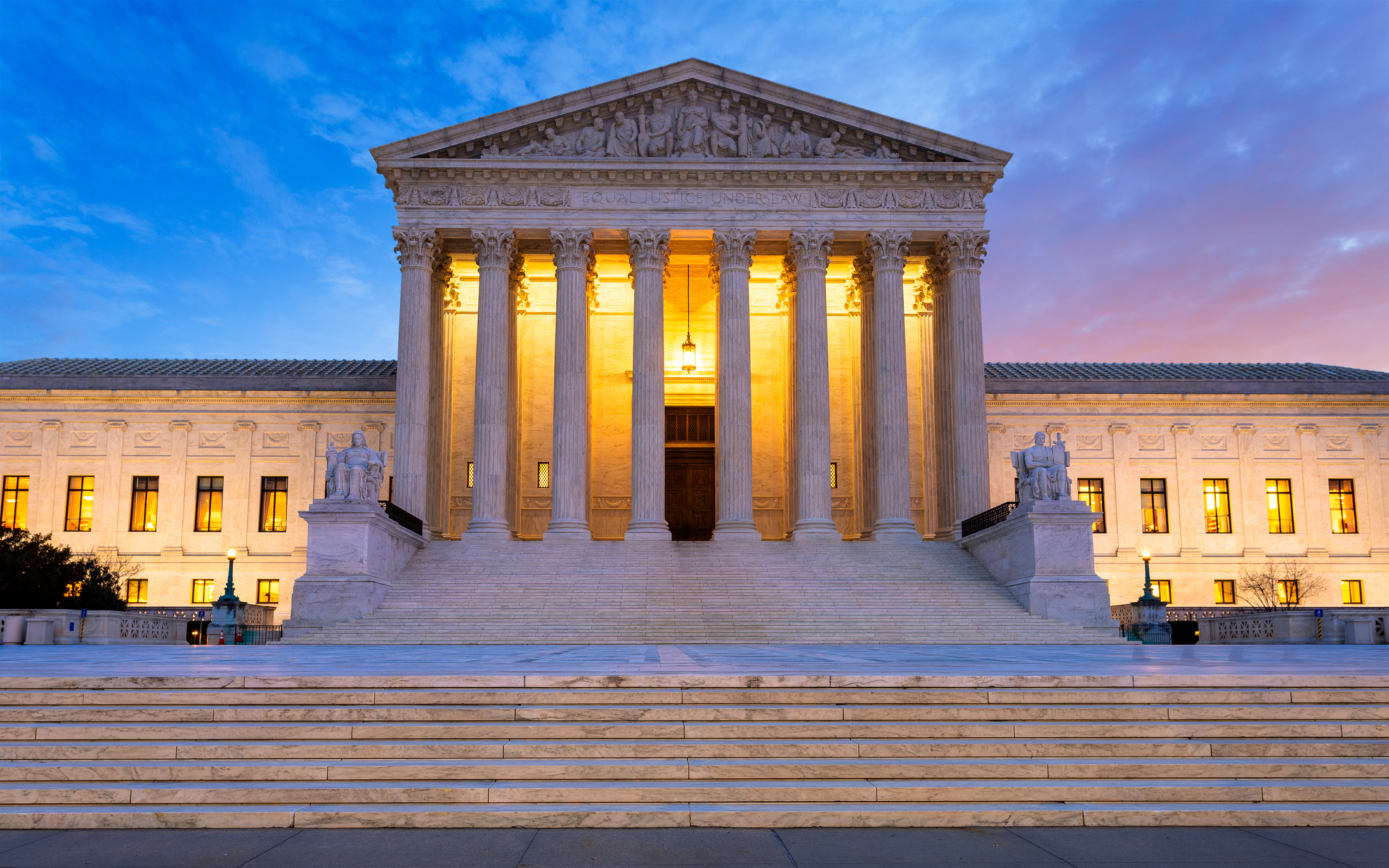
Apple Went to the Highest Court It Could Find. That Tells You Everything.
When a contempt ruling sends you to the Supreme Court, you're not defending a policy anymore — you're defending a worldview.
From the other desks.

800 Horsepower, One Ton of Doubt
Lamborghini built the most powerful SUV it's ever made. It's also slower than what it replaced.

Gold Leaf on a Lacquer Dial, and the Weight of What That Costs
Awake's Frosted Leaf Royal Blue asks a question Vietnamese craft has never quite had to answer at this price.

ESPN Named Him. Then Unnamed Him. Nobody's Explaining the Gap.
A retraction without a reckoning is just a deleted link.