Hublot Chose Hard Colors on Purpose
Pastel ceramic isn't soft. Making it is the opposite of soft.
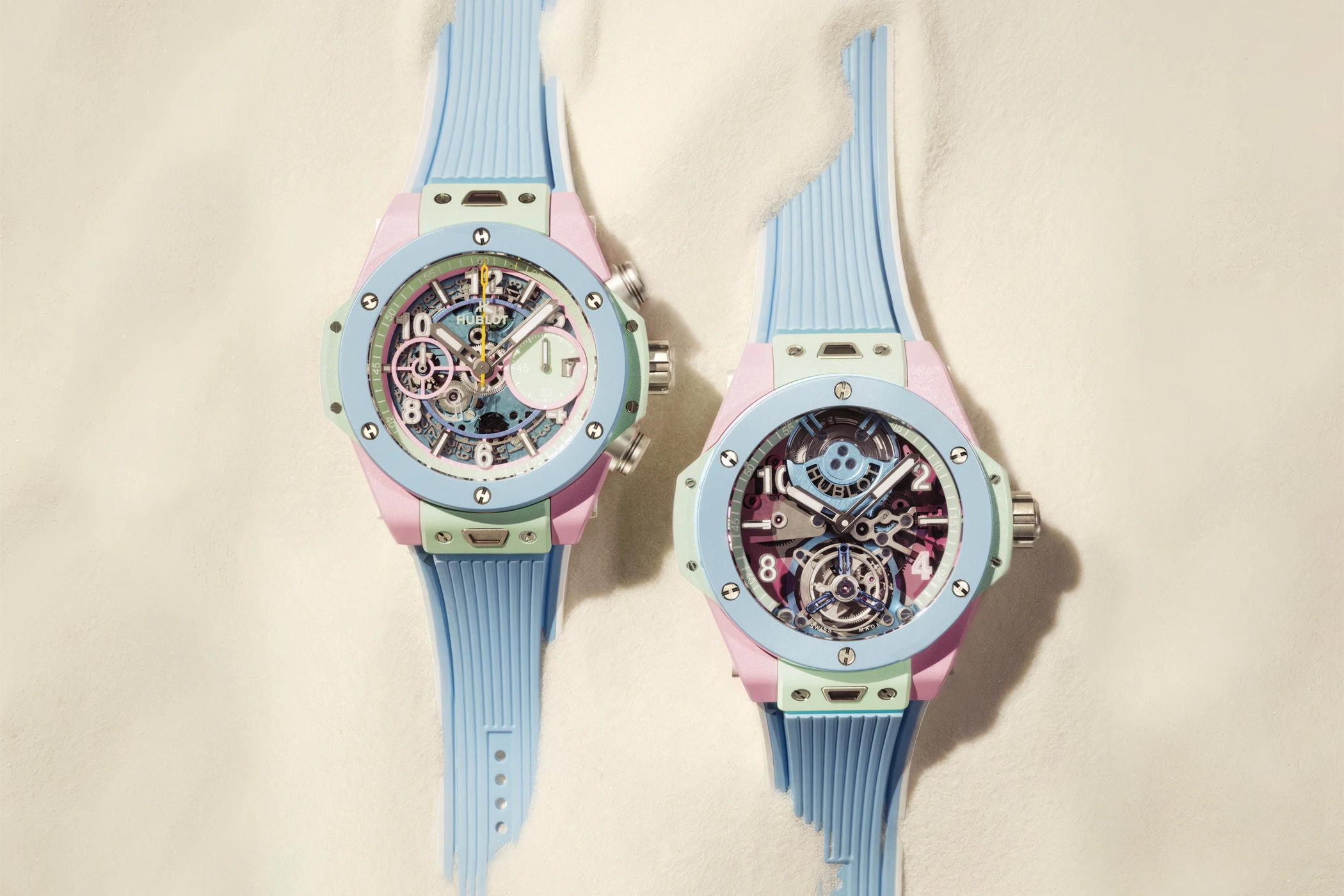
Photo · Swisswatches Magazine
There's a version of a summer watch collection that practically writes itself. Bright straps, sunburned dials, a press release using the word "playful." Hublot didn't go that route — or rather, they went there in appearance only, which is a more interesting move than it sounds.
The Big Bang Summer 2026 editions arrive in pastel ceramic: soft pinks and blues rendered in a material that is, by every account, one of the most unforgiving to work with in watchmaking. Oracle Time walked through why that matters. Ceramic in this context begins as zirconium oxide powder, sintered at extreme temperatures, and the margin for error during composition is essentially zero. A miscalculation in the mix of powder and pigments doesn't produce a slightly off shade — it produces failure. Or unevenness. Either way, it produces something you can't sell.
So the palette that reads as breezy at a glance is, at the process level, anything but.
What Color Costs
This is the part most coverage skips past in pursuit of describing what the watches look like. The colors are gentle. The manufacturing is not. That gap — between the register of the finished object and the register of making it — is where the actual story lives.
Hublot is not the first brand to work in colored ceramic, but the choice to push into pastels specifically raises the difficulty further. Pale tones are less forgiving than saturated ones. There's less pigment to hide behind, less depth to absorb inconsistency. Swisswatches Magazine covered the collection's summer positioning and the range of colorways; Oracle Time went further into the material science. Read them together and you get a clearer picture: this is a collection that earns its lightness.
Whether that earns your money is a separate question.
Restraint as a Technical Achievement
Here's what I find genuinely interesting about this moment in watch design: color has stopped being accidental. For a long time, a colorful watch was a seasonal gesture, a strap swap, a limited run that didn't require the brand to commit to anything structurally different. What's shifted — and Hublot is part of this, not the only part, but a visible part — is that color is increasingly built into the case itself. Into the material. You can't swap it out. The watch is that color the way a building is made of brick.
That changes what restraint means. When a dial or strap is colorful, restraint is choosing the right shade. When the ceramic case is colorful, restraint is surviving the manufacturing process without overcorrecting into something that looks like it's trying too hard. Pastel is a tightrope. Too much saturation and you've lost the softness. Too little and you've made something that reads as faded rather than considered.
From what both sources describe, Hublot landed on the right side of that. Whether they stayed there across the full range of colorways in the collection is harder to say without the watches in hand.
But the instinct is sound. Summer doesn't have to mean loud. Sometimes it means precise about quiet.
Keep reading fashion.
Sun Berry Is a Provocation Dressed as a Watch
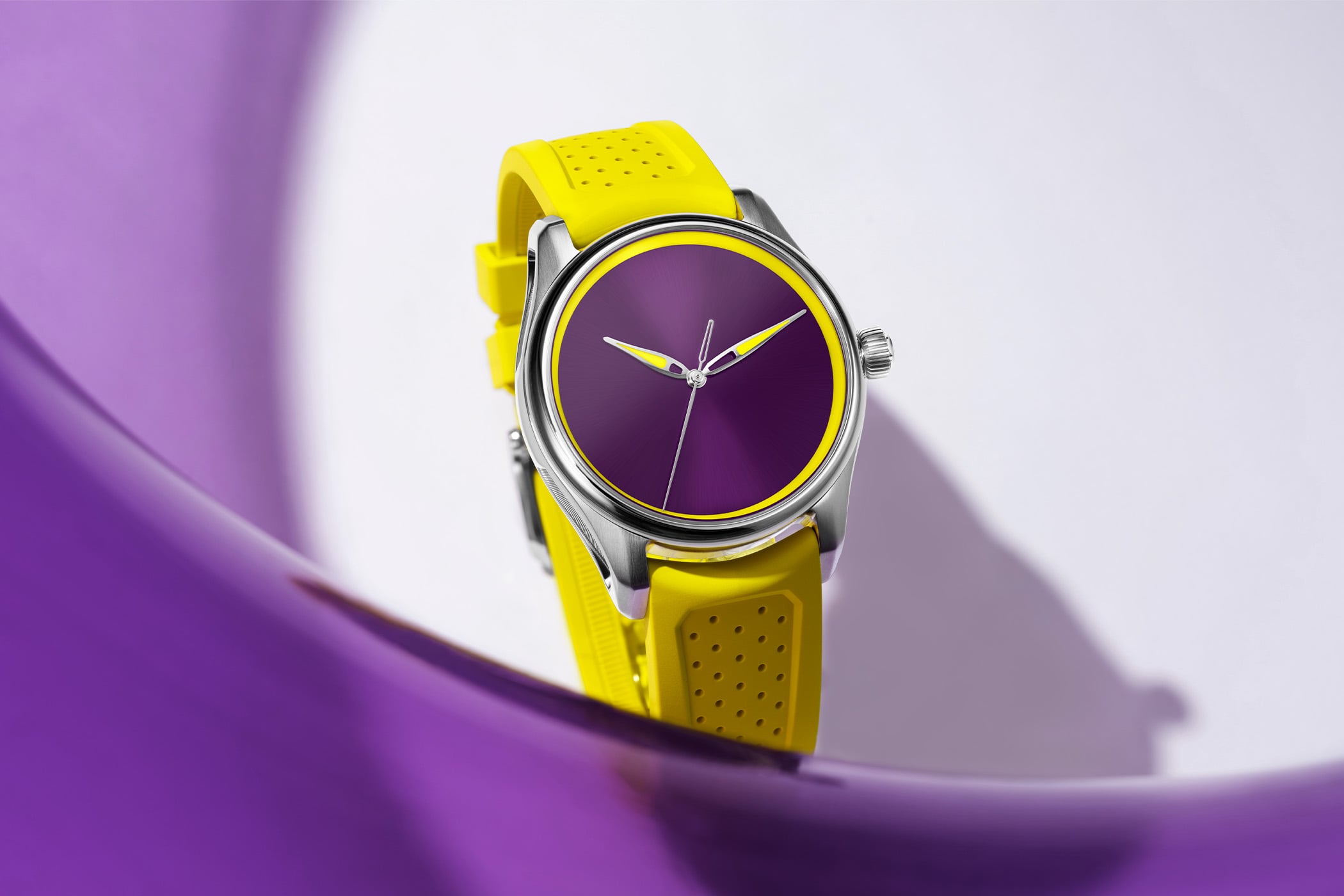
H. Moser built its reputation on saying less. The Pioneer Centre Seconds Sun Berry says something else entirely.
Farer Painted Three Watches in Racing Livery and Asked You to Feel Something
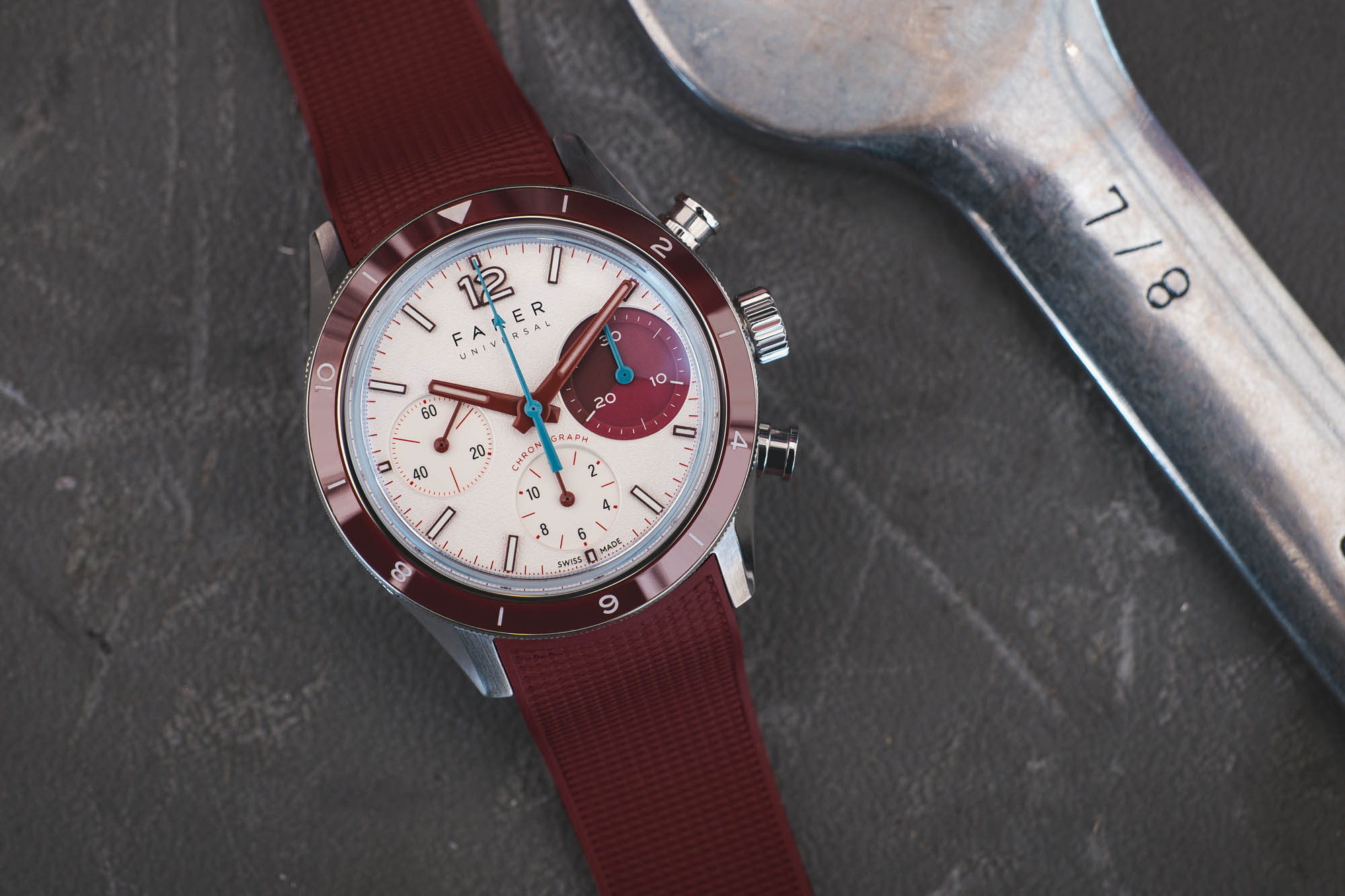
When vintage motorsport aesthetics become design language rather than archive recovery, the romance has to earn its keep.
Ulysse Nardin Made the Freak Smaller. That Takes More Courage Than Making It Bigger.
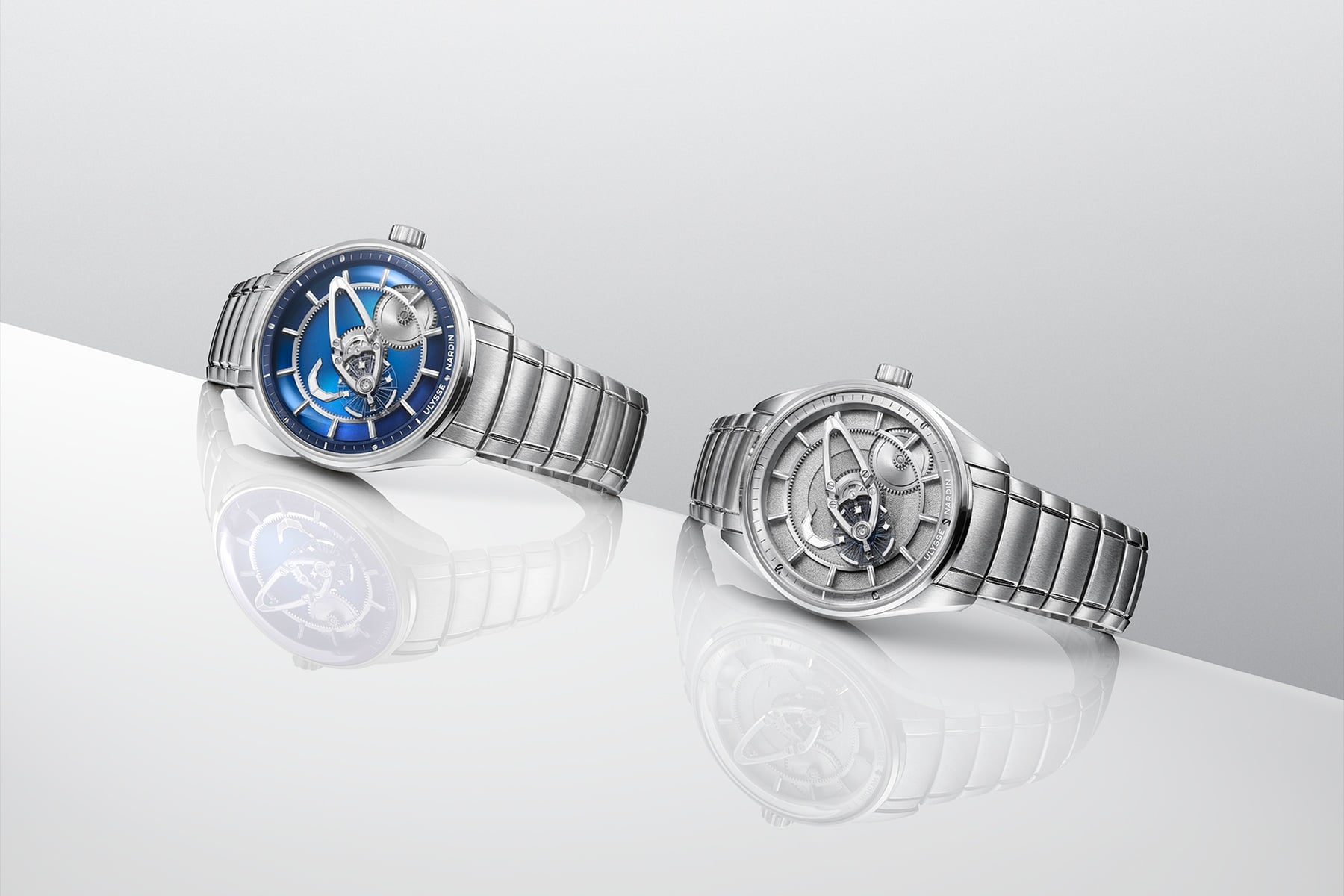
Twenty-five years after a crownless watch rewrote the rules, the new Freak X asks a harder question — can a revolution survive becoming reasonable?
From the other desks.

Mazda Changed Its Mind. Now Watch What Happens to the Brand.
The company that built its identity on hating touchscreens just put one in the CX-5 — and its reasoning is better than you'd expect, which makes the whole thing harder to sit with.

Pedigree Was Always a Distraction
The 2026 World Cup didn't just outperform expectations — it exposed how wrong the expectations were in the first place.

Brazil Got a Door. Apple Still Built the Frame.
Alternative app marketplaces are now open in Brazil — Apple just makes sure it approves who walks through.