Pedigree Was Always a Distraction
The 2026 World Cup didn't just outperform expectations — it exposed how wrong the expectations were in the first place.
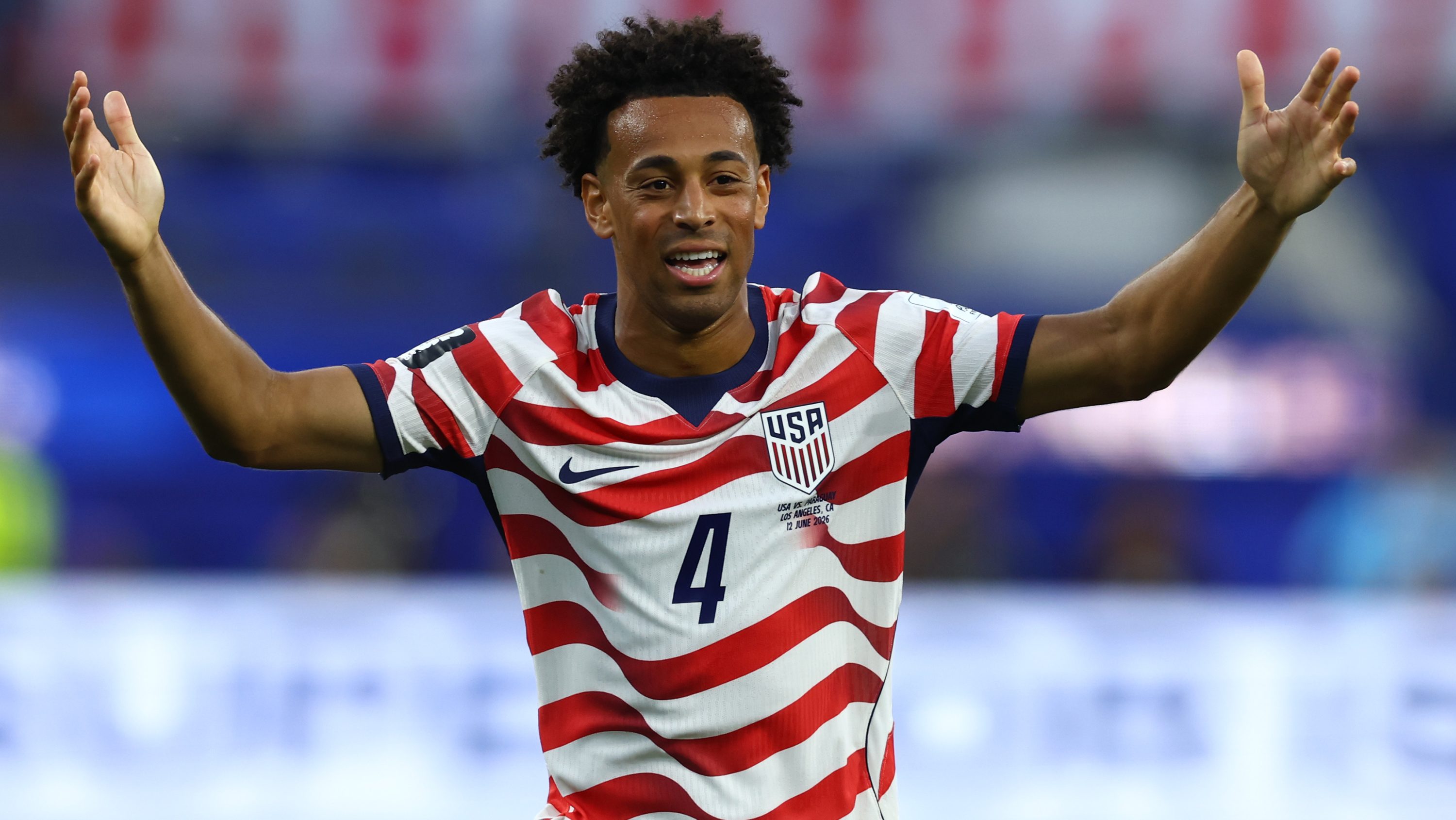
Photo · Andscape
The Room That Wasn't Supposed to Be Full
Imagine a bar in Kansas City. Packed at noon on a Tuesday. People standing three-deep near a television that's technically meant for showing highlights on a slow sports afternoon. Nobody in that bar needed to be talked into caring. Nobody needed a think-piece explaining why this mattered. They already knew. The tournament had come to them, and they had shown up in a way that apparently surprised everyone except the people actually standing in the room.
This is the strange position North American soccer finds itself in during the summer of 2026: finally arriving at a party it had been told, for decades, it wasn't ready to throw.
The pre-tournament coverage had a particular flavor. Anxious. Hedging. Lots of language about "whether Americans would tune in," about "growing the game," about what would happen if the host nation failed to capture imagination. The Chicken Little-ing, as Sportico put it, was real — and it was widespread. Serious sports business minds genuinely entertained the possibility that the United States, handed the most-watched sporting event on earth and a home-field advantage across an entire continent, might somehow fumble the cultural moment.
They were wrong. Comprehensively.
What the Numbers Actually Said
Fox's viewership numbers arrived early, and they didn't whisper — they announced. According to Sportico's reporting, out-of-home deliveries alone boosted ratings by 25 percent, and within the first week, five matches were already tracking toward spots on the year's most-watched list. The network partners, per Sportico, said audiences had surpassed even their own expectations. Not met. Surpassed.
Out-of-home viewing is the stat worth sitting with. It means bars, airports, gyms, common rooms — all those places where people gather around a screen not because they planned to watch but because the thing was on and they couldn't look away. That's not a scheduled sports fan. That's cultural gravity. That's what it looks like when a tournament stops being a niche interest and starts being the ambient fact of everyone's summer.
Sportico's podcast noted that fans have become the story of the early tournament — not just the play on the field, but the atmosphere, the attendance, the sheer noise of crowds that weren't supposed to be this invested. Forty-eight teams played their opening matches. All 48. That scale, stretched across a continent, created moments in cities that had never hosted games at this level, for crowds who had never been in a room that loud.
And yet the conversation, in some corners, kept reaching for the old frame. Kept asking whether this was real, whether it would last, whether America had truly arrived. As if a 25-percent ratings bump and packed watch parties weren't already an answer.
Tyler Adams Walked Onto That Pitch
Andscape published a diary piece with Tyler Adams — the United States men's national team captain — reflecting on the opening match at Los Angeles Stadium. The tone was controlled, focused, almost careful. "We can't let our foot off the gas," Adams said. Which is the kind of thing a person says when they understand that the moment is fragile not because the crowd isn't there, but because expectations have finally caught up to reality and there's nowhere left to hide behind them.
For years, the narrative shelter for American soccer was the gap between potential and performance. The sport was "growing." The fanbase was "developing." The team was "building toward something." That language kept everyone comfortable — players, journalists, fans — because it made every result provisional, every disappointment a data point in a longer arc rather than a verdict.
There's no arc left to hide behind now. The tournament is here. The crowds are real. The ratings are real. Adams walking onto that pitch in Los Angeles wasn't a symbol of a sport trying to matter — it was a man in a high-stakes situation that his country, for once, was fully paying attention to.
Meanwhile, in Seattle, the United States was preparing to face Australia in a Group D match that The Guardian broke down with tactical precision — Nestory Irankunda's speed on the wing, the Socceroos' willingness to concede possession and hit on the counter. The analysis was the kind you'd see applied to any major footballing nation. Not a curiosity piece. Not a "can they compete" frame. Just tactics, stakes, two teams that had earned a serious look.
In Atlanta, a match between Czechia and South Africa carried the weight of other people's grief. The Guardian's live coverage captured a fan named John Brennan, lamenting what might have been had Ireland made it through — the penalty that wasn't saved, the chance that didn't fall right. That's what tournament soccer does. It creates parallel universes in the minds of people who were one bounce away from being in the story.
What Pedigree Was Ever Protecting
I keep coming back to the skepticism. Not because it was stupid — it wasn't. It was reasonable, grounded in history, in the long record of American soccer promising more than it delivered. But the skepticism also served a function beyond prediction. It protected a certain idea of what soccer is and who it belongs to.
The game's cultural authority in Europe and South America is inseparable from its scarcity there — the way it lives in neighborhoods, in the body, in inherited allegiance. When a nation like the United States takes that game and fills a stadium in Kansas City on a Tuesday, the implicit question is whether something is being diluted or just redistributed. Whether enthusiasm without lineage counts.
The 2026 World Cup is answering that question in real time, and the answer is messier and more interesting than either side of the debate wanted. The crowds are genuine. The ratings are genuine. The tactical conversations are serious. Andscape, The Guardian, Sportico — none of them are writing about a novelty. They're writing about a tournament that is, by every available measure, working.
Pedigree was always a way of managing who got to feel like they belonged. The room in Kansas City wasn't asking for permission. It was already full.
Keep reading sports.

ESPN Named Him. Then Unnamed Him. Nobody's Explaining the Gap.
A retraction without a reckoning is just a deleted link.

Three People Died Celebrating. FIFA Hasn't Said Their Names.
Mexico City buried three people after the World Cup crowds came through. At some point, the sport has to sit with that.

Sell the Stadium, Lose the Room
NFL franchises are rolling out the welcome mat for World Cup tourists — and the desperation is showing.
From the other desks.

800 Horsepower, One Ton of Doubt
Lamborghini built the most powerful SUV it's ever made. It's also slower than what it replaced.

Gold Leaf on a Lacquer Dial, and the Weight of What That Costs
Awake's Frosted Leaf Royal Blue asks a question Vietnamese craft has never quite had to answer at this price.

Hide My Email Has Been Showing Your Email
Apple's privacy flagship has a hole in it. They've known for over a year.