Mazda Changed Its Mind. Now Watch What Happens to the Brand.
The company that built its identity on hating touchscreens just put one in the CX-5 — and its reasoning is better than you'd expect, which makes the whole thing harder to sit with.
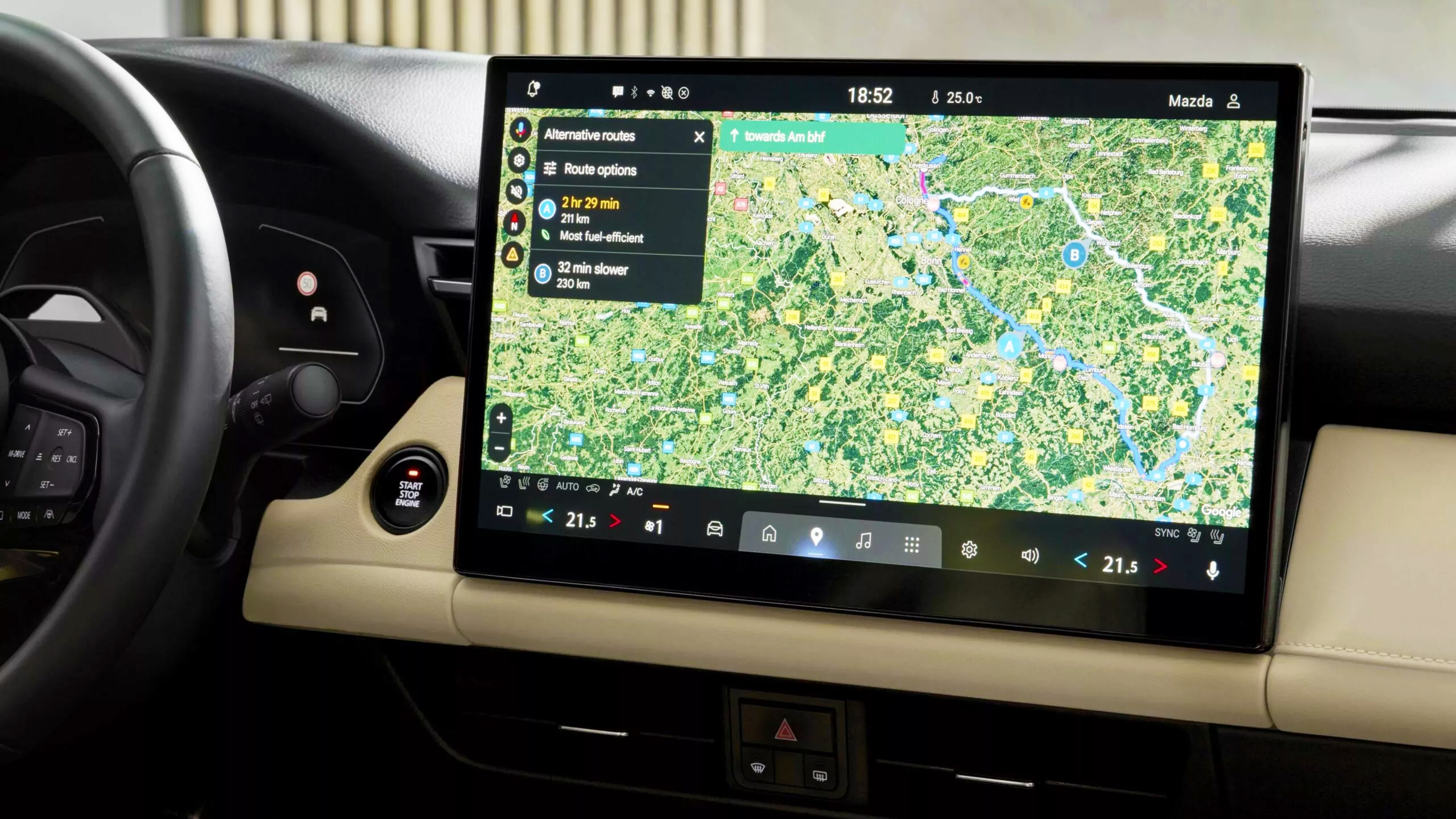
Photo · Carscoops
There's a particular kind of credibility that comes from being the one who says no. Mazda had it. For years, while every other manufacturer raced to install the biggest, glassiest slab they could fit between the seats, Mazda held the line — physical controls, rotary dial, eyes on the road. It wasn't just a design choice. It became identity. The brand wore its anti-screen position like a badge, and enthusiasts handed it back like a compliment.
That position is now officially over.
Mazda has moved the CX-5's HVAC controls to a touchscreen. And the person explaining why — Mazda program manager Koichiro Yamaguchi, as reported by The Drive — didn't apologize or deflect. He made an argument: a bank of 15 similar-looking buttons forces a driver to look down longer than a touchscreen would, because finding the right one among identical switches takes visual search time that a screen, with its organized layout, can actually reduce.
I keep turning that logic over. It's not wrong.
The Problem With Being Right
Here's what's uncomfortable about Mazda's reversal: the argument holds. Fifteen switches that look alike are genuinely harder to navigate by feel than people remember. The muscle memory we romanticize — the confident, eyes-forward reach to the climate dial — works when you know exactly where that dial lives and what it does. It breaks down in an unfamiliar rental, or when the switchgear has multiplied to cover every possible function, or when the buttons have been flattened into haptic surfaces that feel like nothing at all. Yamaguchi isn't inventing a problem to justify a decision that was already made for cost reasons. He's describing a real one.
But here's what Mazda is asking us to forget: they were the loudest voice in the room telling us screens were the enemy. Carscoops noted the company resisted big displays longer than almost anyone in the industry. That resistance wasn't quiet skepticism. It was doctrine. It was marketing. It shaped how a generation of car buyers thought about what Mazda stood for.
When the loudest critic reverses course, the reversal lands differently than it would from anyone else. It doesn't just change a spec sheet. It reopens every argument the brand already won.
What Authenticity Costs
The cynical read is simple: Mazda held out as long as holding out was competitively useful, and now that the market has moved, the position became a liability. Principles, meet margins.
I'm not sure that's the whole story. Companies do learn things. Engineers do run studies. Yamaguchi's specific claim — that similar-looking buttons create longer glance durations than a well-organized screen — sounds like something that came from data, not a boardroom pivot. The Drive reported it straight, and nothing in that framing suggests the reasoning was fabricated after the fact.
But authenticity isn't just about being right. It's about being consistent. And there's a version of this where Mazda was right before — screens as a distraction vector, as a UX disaster, as a way to bury simple functions inside three menu levels — and is also right now, because the specific problem they've identified with button banks is real. Both things can be true, and neither one fully rescues the narrative.
What Mazda loses isn't the argument. It's the posture. The brand that said no is now saying yes, with caveats. That's a more honest place to stand, actually. It's just a lonelier one.
Being principled is easy until the principle starts costing you something — and then what you do next is the only data point that matters.
Keep reading cars.
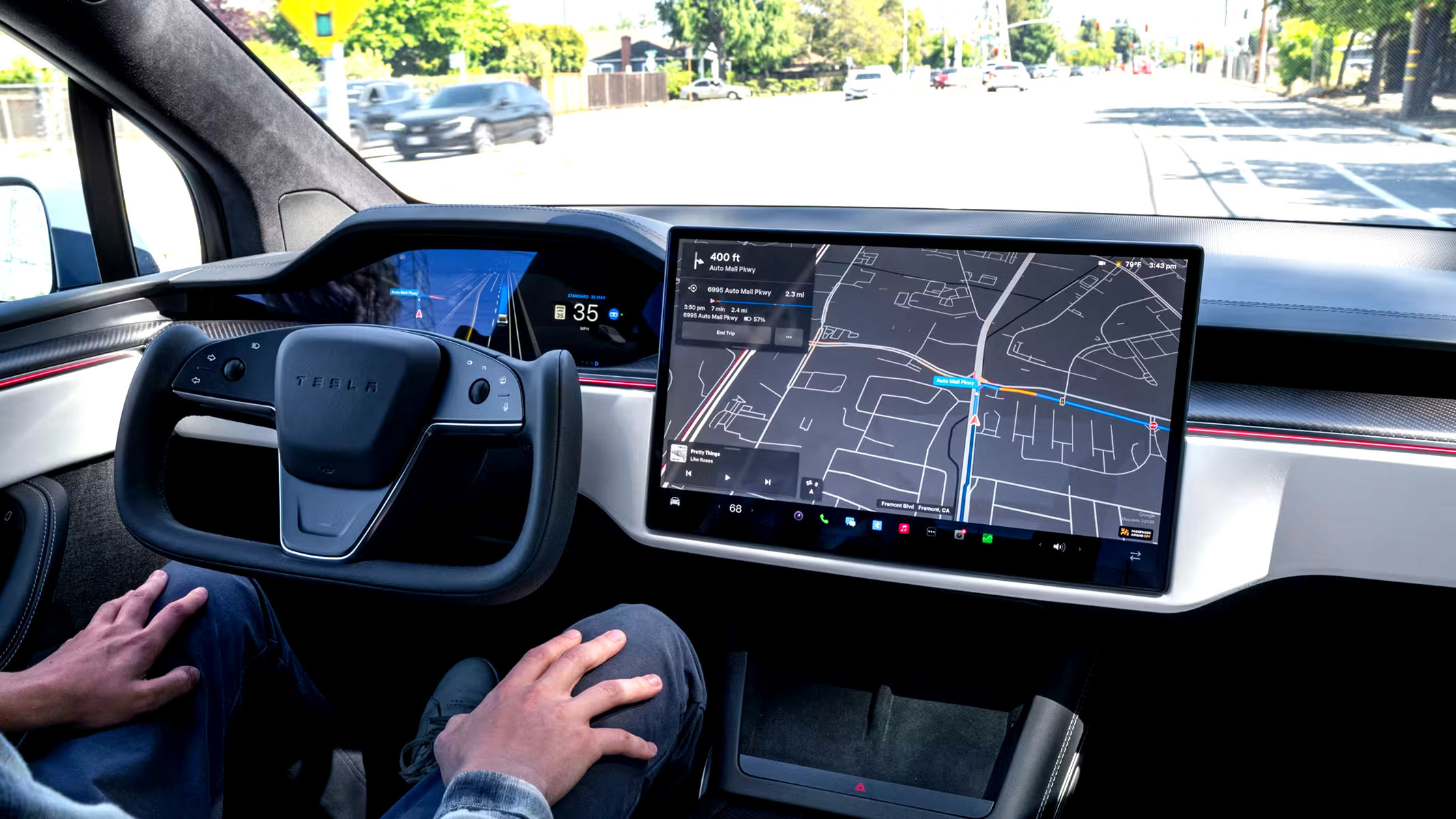
Tesla's Safety Math Has a Denominator Problem
Two senators are asking NHTSA to check the arithmetic on autonomous driving's most repeated number — and the question itself tells you something.

Slate Priced Its Truck Before It Was Ready To
A number leaked. Now comes the hard part of living up to it.
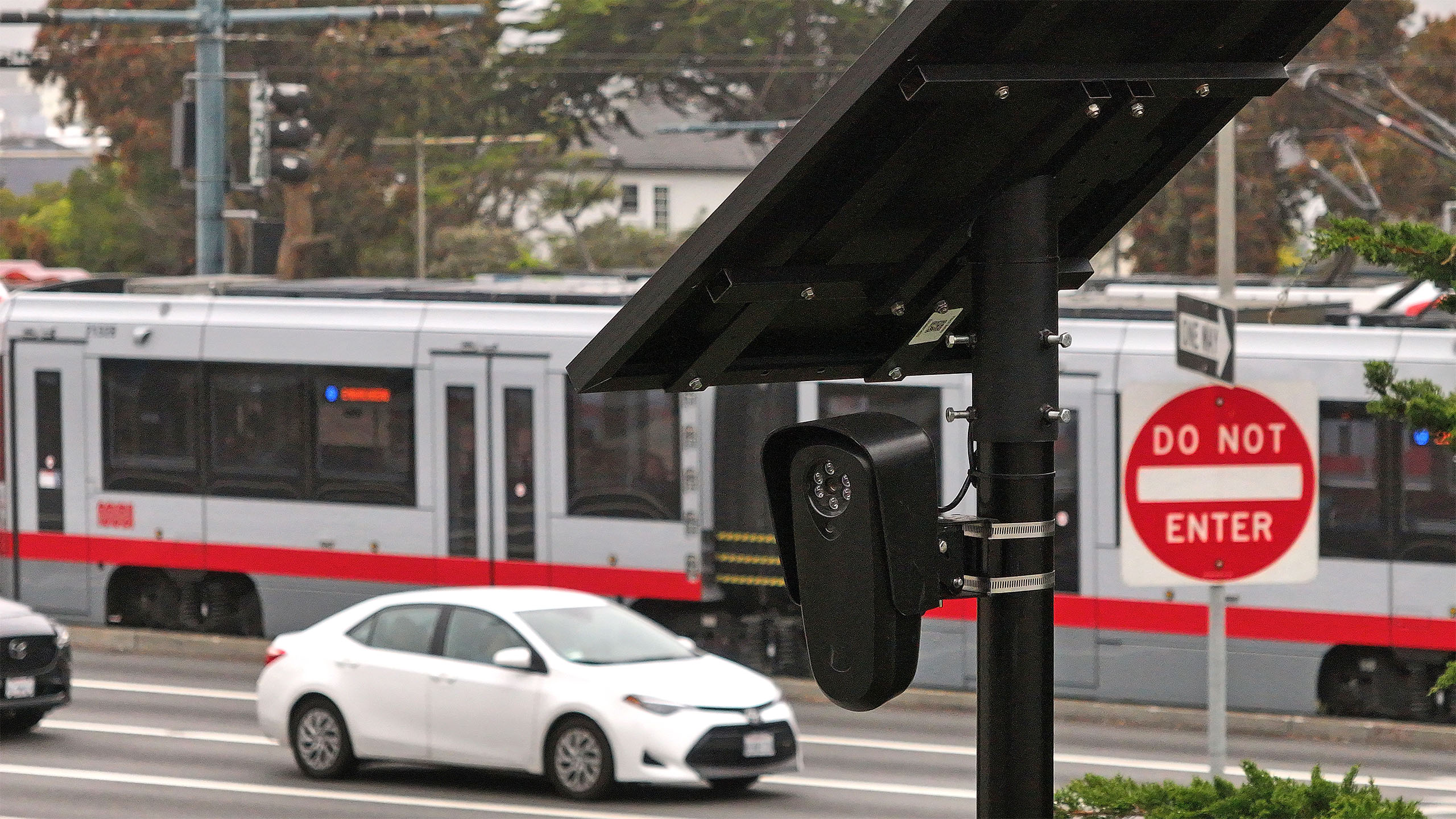
Your Car Was Never the Product. You Were.
A new generation of license plate cameras doesn't just read plates — it reads everything in the car with you.
From the other desks.
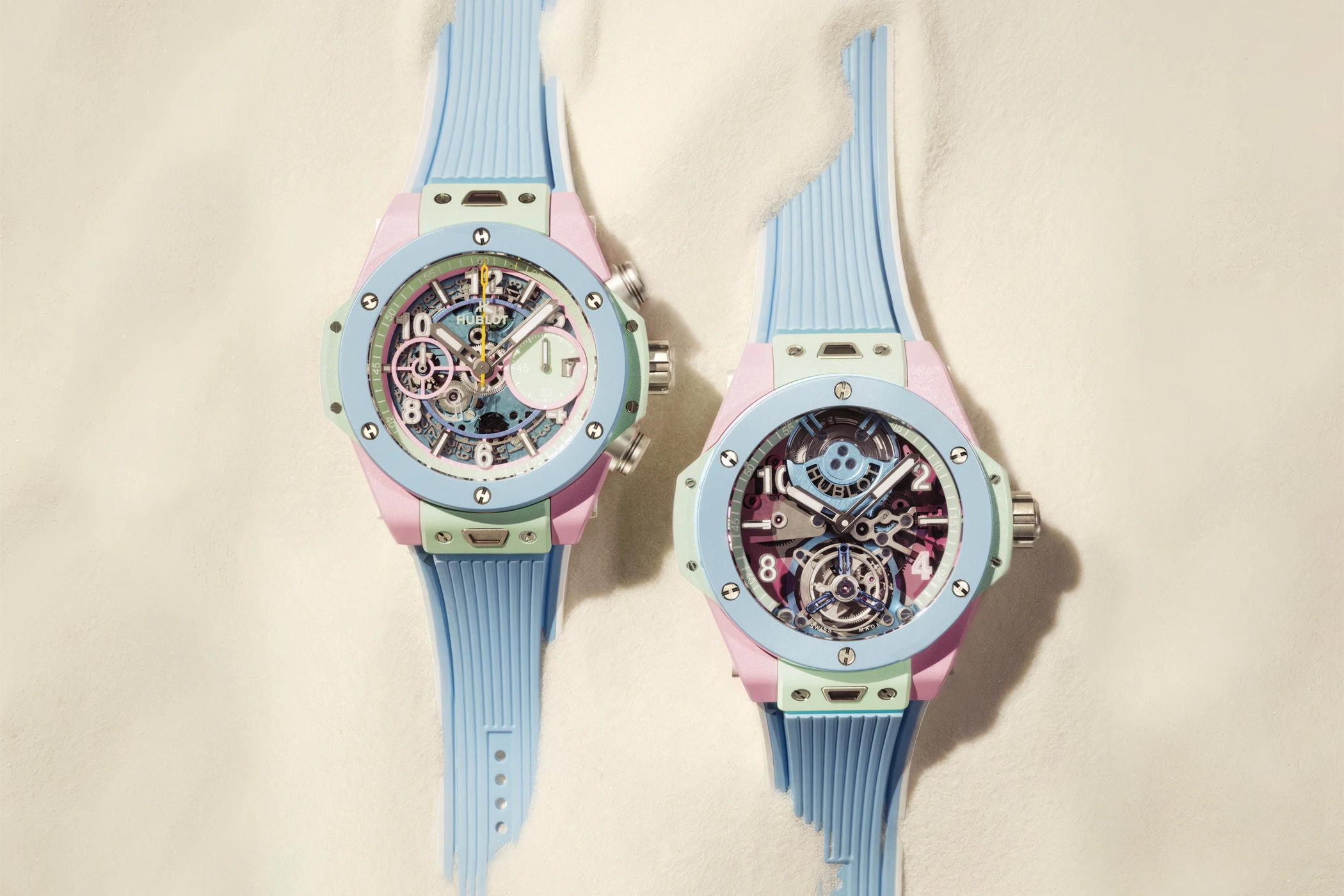
Hublot Chose Hard Colors on Purpose
Pastel ceramic isn't soft. Making it is the opposite of soft.

Pedigree Was Always a Distraction
The 2026 World Cup didn't just outperform expectations — it exposed how wrong the expectations were in the first place.

Brazil Got a Door. Apple Still Built the Frame.
Alternative app marketplaces are now open in Brazil — Apple just makes sure it approves who walks through.