Your Car Was Never the Product. You Were.
A new generation of license plate cameras doesn't just read plates — it reads everything in the car with you.
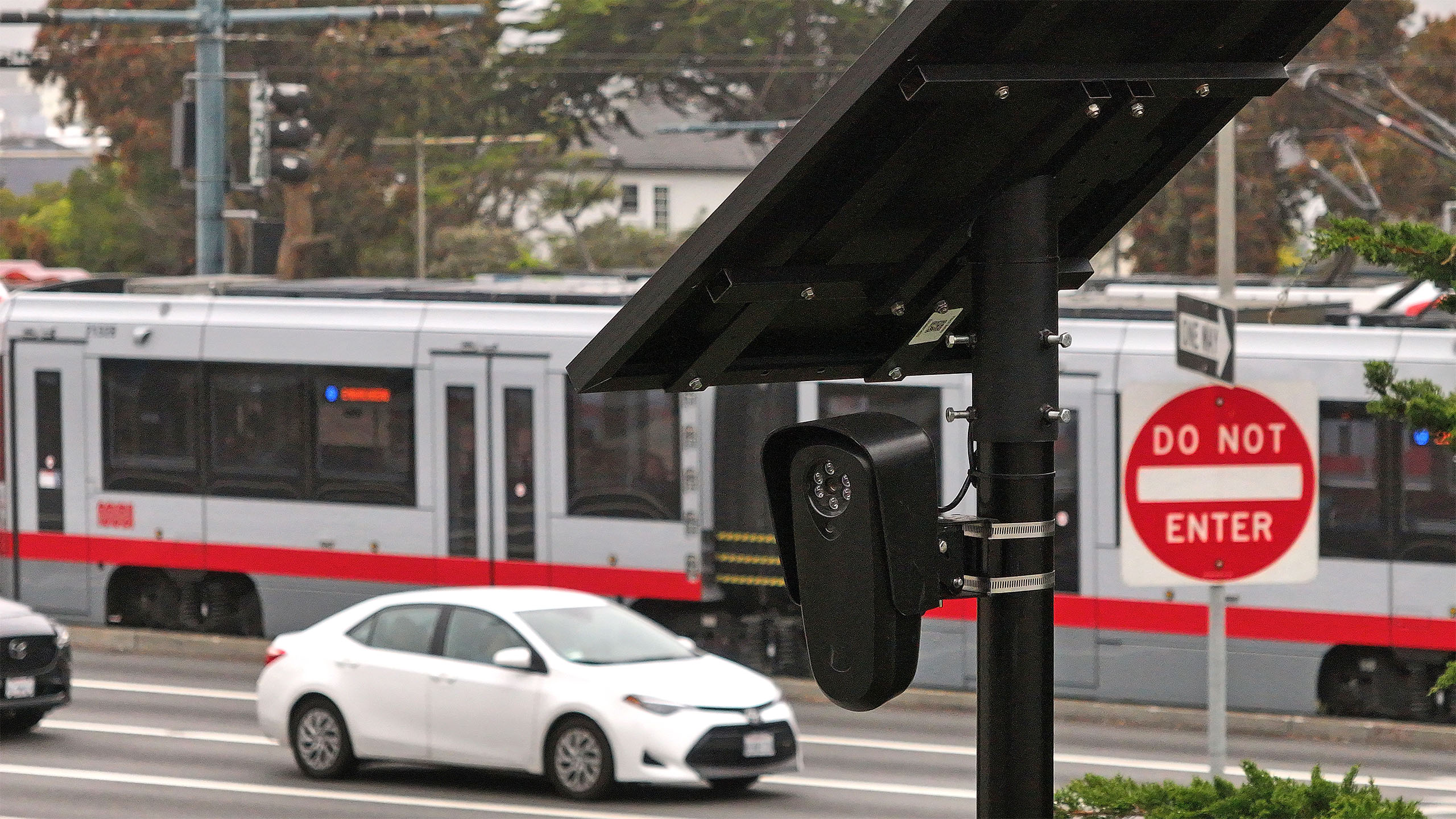
Photo · The Drive
Someone at The Drive finally said it plainly: the license plate reader on the side of the road isn't just clocking your plates anymore. It's scraping your phone, your wearables, your infotainment system. Maybe your dog's microchip. All of it bundled up and handed to law enforcement and government agencies.
Read that again slowly.
We spent years being told these cameras were about stolen vehicles and Amber Alerts. That framing was never wrong, exactly — it was just narrow. Convenient. The kind of narrow that tends to widen once the infrastructure is in place and nobody's watching the expansion closely. Now the writer at The Drive is watching it, and what they're describing isn't a slippery slope. It's a slope that's already been slipped.
The Infrastructure Always Comes First
This is how surveillance works in practice. You build the poles, string the cables, plant the cameras at every arterial intersection and highway on-ramp. You make the case on the uncontroversial application — plate reading, toll collection, fugitive tracking — and you get the public comfortable with the hardware before you tell them what the hardware can actually do.
What it can apparently do now is identify the Bluetooth and Wi-Fi signals emanating from every device inside a passing vehicle. Your phone. A smartwatch. Whatever your car's infotainment stack is broadcasting. These aren't signals you choose to transmit to a roadside pole. They're ambient. They're the background noise of living in 2025. And they're now, according to The Drive's reporting, collectible.
The car never changed. You changed — you loaded yourself down with connected devices, and the car became the container that moves all of them through a fixed chokepoint at predictable times.
What the Framing Reveals
What's interesting about The Drive publishing this now isn't the technology itself. It's the acknowledgment that the safety story has run its course. When a publication aimed at car enthusiasts — people who like machines, who extend goodwill to automotive engineering by default — starts framing roadside cameras as a privacy threat rather than a traffic tool, something has shifted in the cultural temperature.
The pitch used to land. Safer roads. Faster response times. Get the bad guys. Most people accepted that trade implicitly, because the trade felt abstract. Your plate getting scanned didn't feel like you getting scanned.
Pet tracking data makes it feel different. There's something about the specificity of that — your dog, in your car, on your Tuesday morning — that collapses the abstraction. That's not infrastructure. That's a profile.
And once you're building profiles, the question of who holds them and for how long stops being paranoid and starts being the only reasonable question left.
The car always felt like freedom. Wind, road, the particular silence of moving through space under your own direction. Nobody told you that the road itself was watching back — not because it wasn't true, but because the cameras weren't sophisticated enough to make it undeniable.
They are now. And the road has a very good memory.
Keep reading cars.
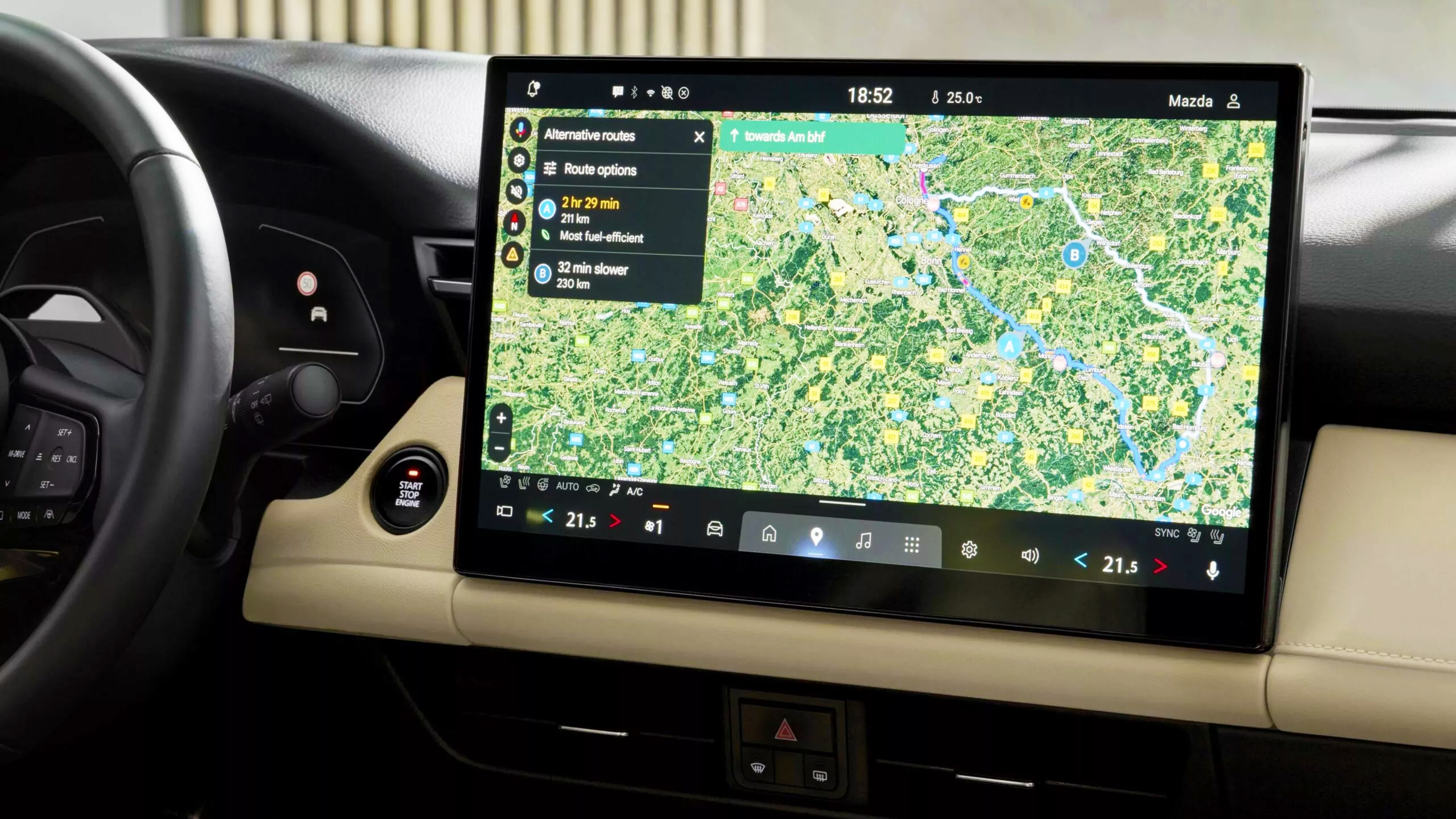
Mazda Changed Its Mind. Now Watch What Happens to the Brand.
The company that built its identity on hating touchscreens just put one in the CX-5 — and its reasoning is better than you'd expect, which makes the whole thing harder to sit with.
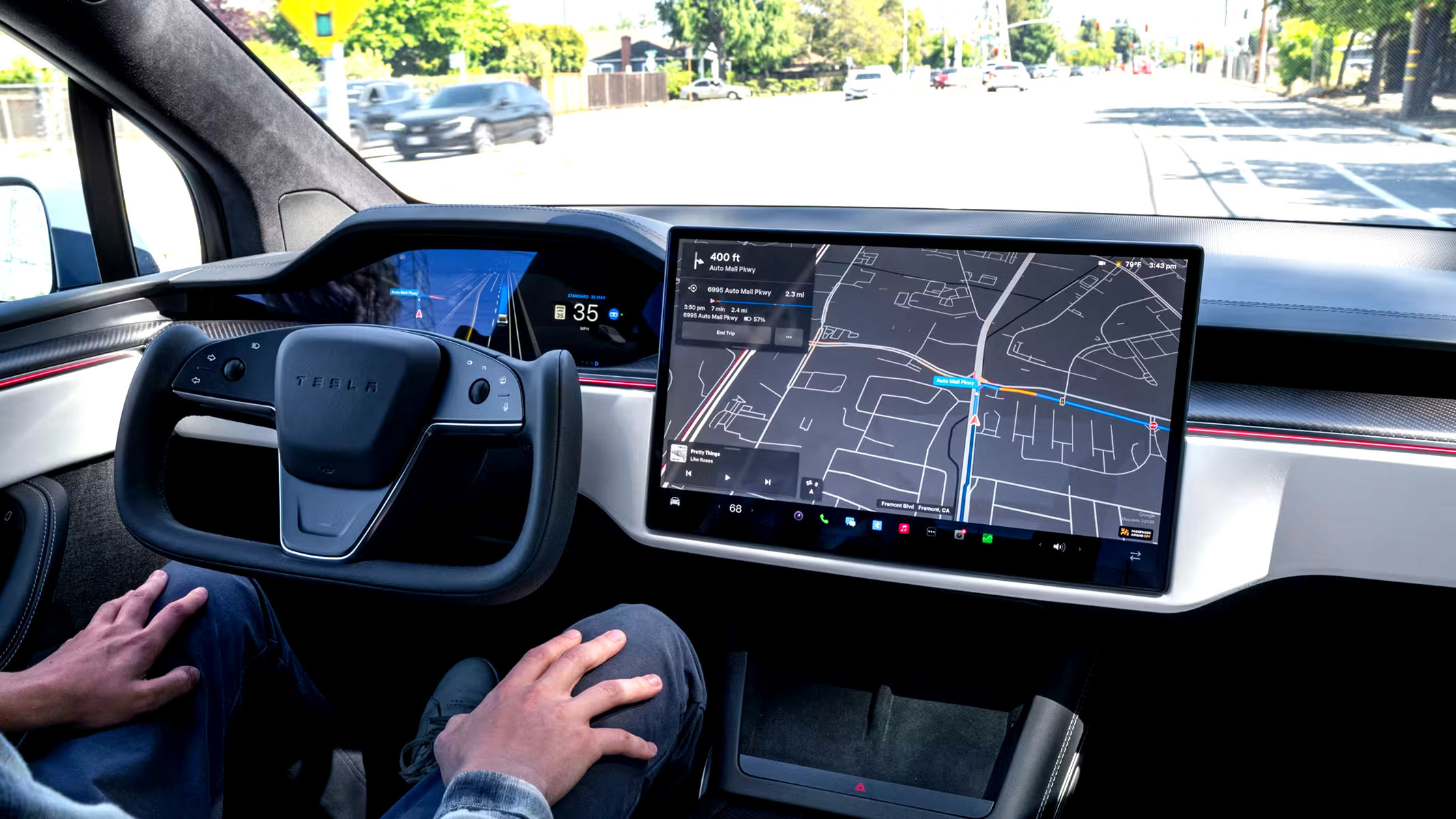
Tesla's Safety Math Has a Denominator Problem
Two senators are asking NHTSA to check the arithmetic on autonomous driving's most repeated number — and the question itself tells you something.

Slate Priced Its Truck Before It Was Ready To
A number leaked. Now comes the hard part of living up to it.
From the other desks.
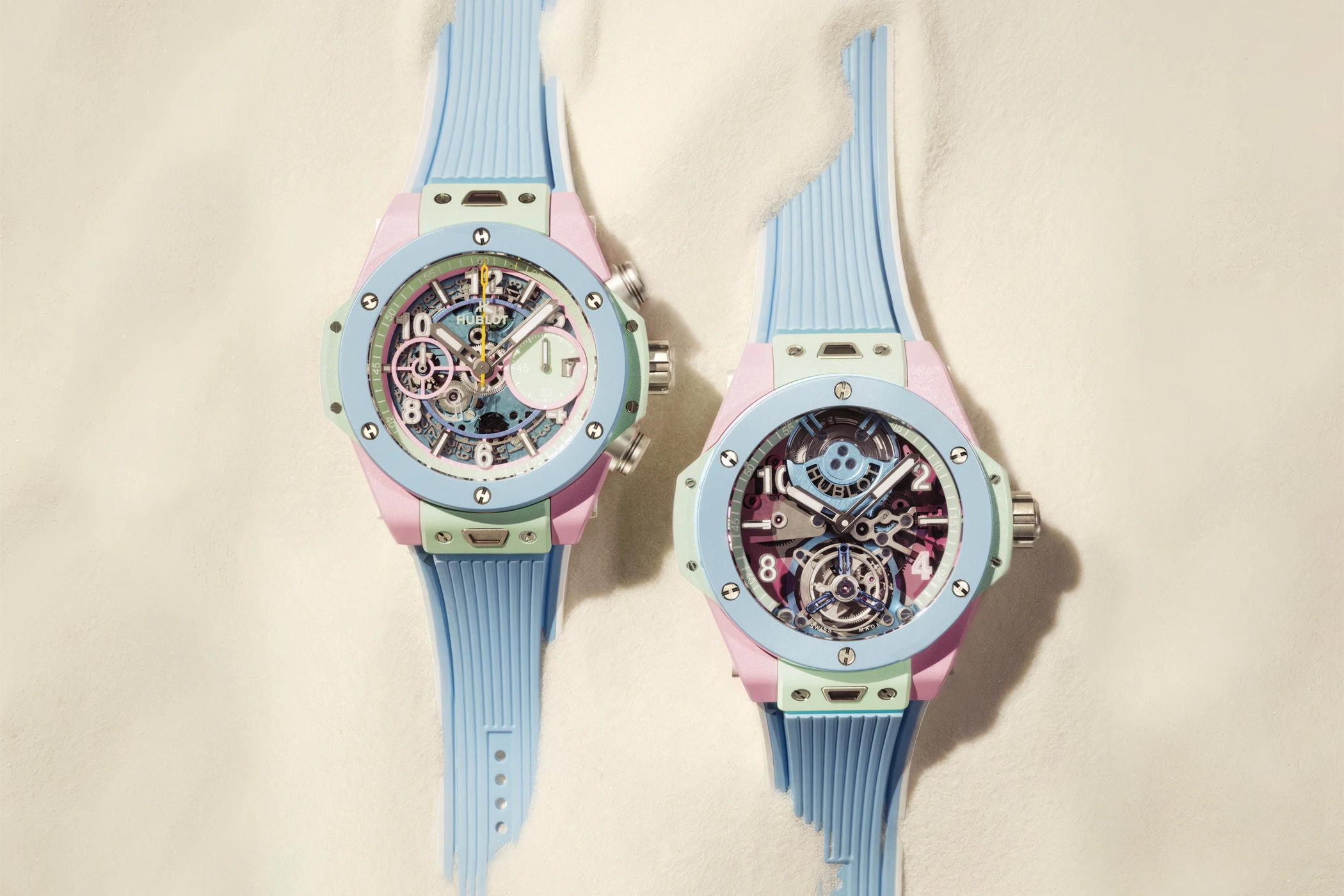
Hublot Chose Hard Colors on Purpose
Pastel ceramic isn't soft. Making it is the opposite of soft.

Pedigree Was Always a Distraction
The 2026 World Cup didn't just outperform expectations — it exposed how wrong the expectations were in the first place.
Brazil Got a Door. Apple Still Built the Frame.
Alternative app marketplaces are now open in Brazil — Apple just makes sure it approves who walks through.