Tesla's Safety Math Has a Denominator Problem
Two senators are asking NHTSA to check the arithmetic on autonomous driving's most repeated number — and the question itself tells you something.
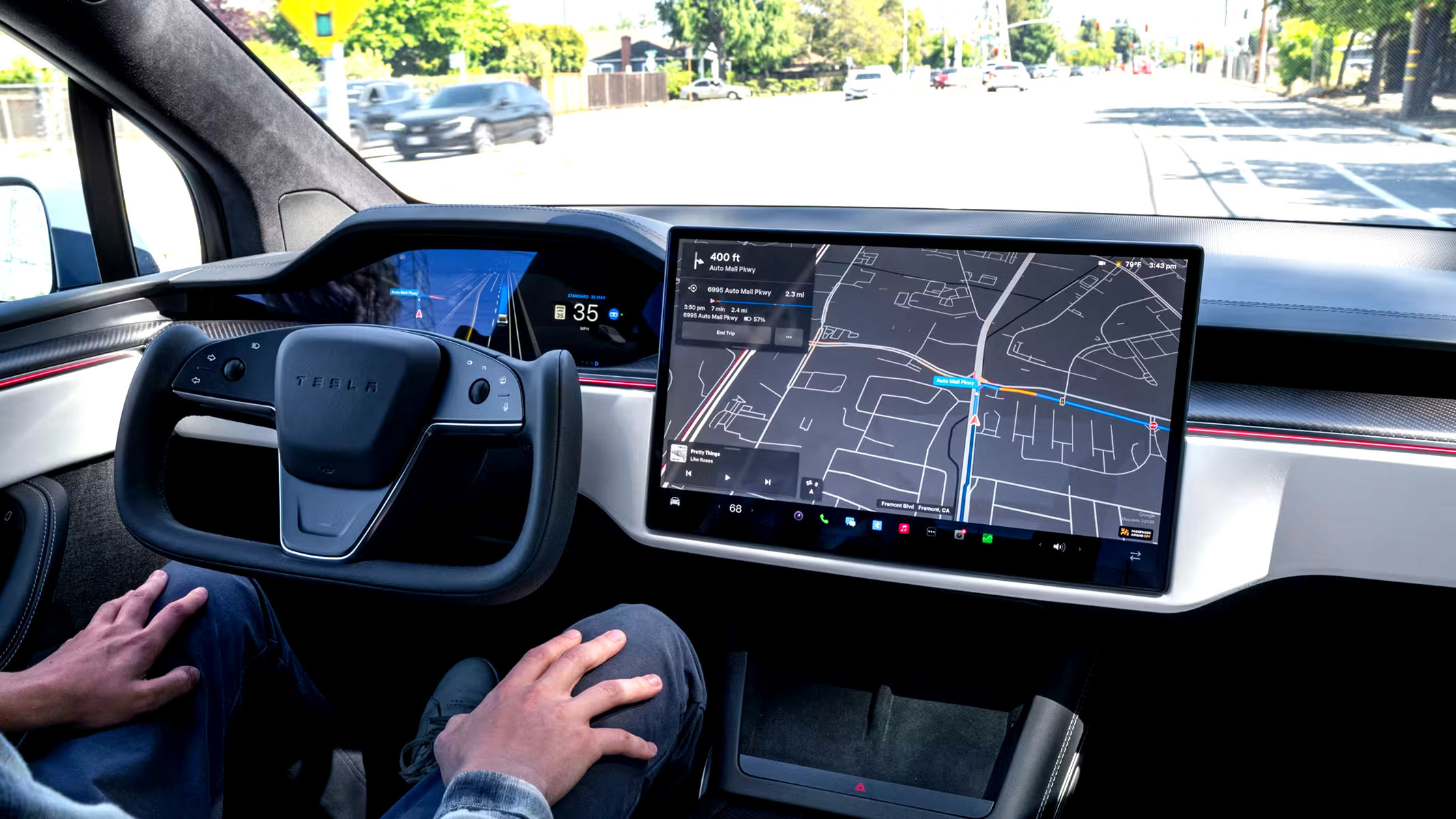
Photo · Carscoops
The Claim Isn't New. The Scrutiny Is.
For years, Tesla has put a number into circulation: FSD is ten times safer than a human driver. It lands cleanly. It's the kind of figure that ends arguments at dinner parties and fills press releases. And it may be true — depending entirely on how you count.
According to Carscoops, two US senators are now pressing NHTSA to examine exactly that. Their concern isn't that Tesla fabricated a result. It's that Tesla counted crashes differently than everyone else counts crashes. Which, if accurate, means the ten-times figure isn't a comparison at all. It's a ratio built on two different measuring sticks held up as if they were one.
That's not a minor methodological quibble. That's the whole structure of the argument.
What Gets Counted, and What Doesn't
The senators' push matters because autonomous driving has always had a credibility problem dressed up as a data problem. The technology is real. The progress is real. But the benchmarks have been slippery from the start — because there's no neutral referee, and the companies doing the measuring are also the ones with the most to gain from favorable results.
When you control both the numerator and the denominator, you can make almost any ratio say what you need it to say.
If Tesla's crash rate is calculated against miles driven under conditions where FSD is least likely to encounter a difficult situation, and human crash rates are drawn from the full chaotic spectrum of driving — school zones, ice, 2 AM highway exits, everything — then the comparison isn't a comparison. It's a framing. A writer at Carscoops has flagged exactly this: the methodology behind the safety claim may be counting Tesla's incidents in a fundamentally different way than the human baseline it's being measured against.
That's the kind of detail that doesn't make it into the headline version of the story, which is why most people are still walking around with "ten times safer" rattling in their heads as settled fact.
The Transition Has to Survive the Accounting
Here's what I keep coming back to: autonomous driving was always going to face a moment when the numbers had to hold up under hostile examination. Not friendly journalists. Not investors who need the story to be true. Actual scrutiny — the kind that arrives when regulators and legislators have enough political cover to start asking uncomfortable questions.
That moment appears to be now.
The technology doesn't have to be dangerous for this to matter. It just has to be unable to prove, in terms anyone outside the company can verify, that it's as safe as advertised. That gap — between the claim and the auditable evidence — is where public trust goes to die. We've watched it happen in pharmaceuticals, in finance, in social media engagement metrics. The number circulates, the number gets questioned, and then the number becomes a symbol of the thing you couldn't trust.
FSD doesn't need that story. Neither does the broader transition to autonomy, which depends on the public believing — not just being told — that the machines are safer than we are.
So two senators sending a letter to NHTSA isn't the end of anything. But it's a signal that the grace period on self-reported safety data may be closing. And if Tesla's math doesn't survive a neutral audit, the ten-times figure won't just be wrong.
It'll be the number that taught everyone to stop believing the numbers.
Keep reading cars.
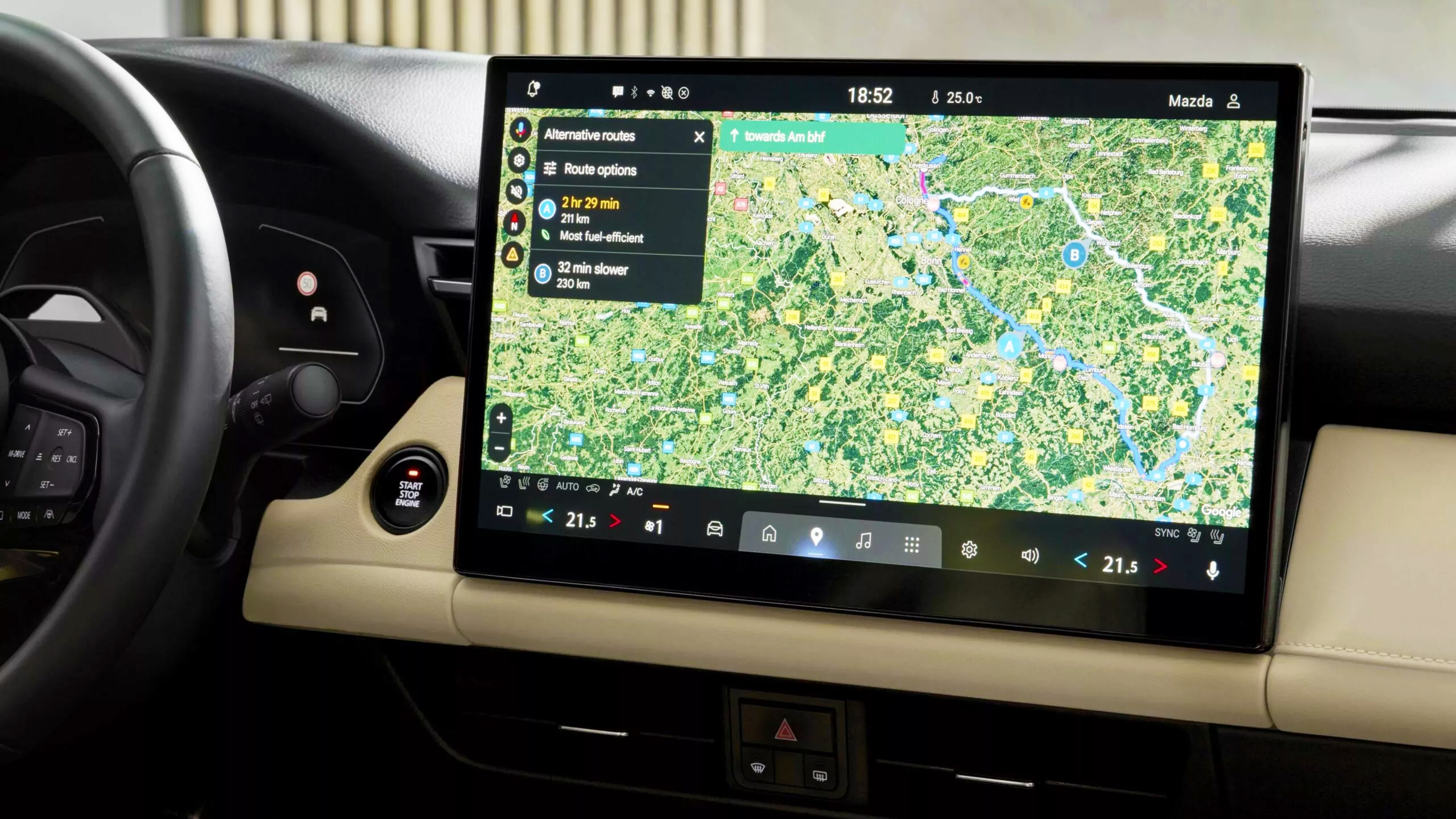
Mazda Changed Its Mind. Now Watch What Happens to the Brand.
The company that built its identity on hating touchscreens just put one in the CX-5 — and its reasoning is better than you'd expect, which makes the whole thing harder to sit with.

Slate Priced Its Truck Before It Was Ready To
A number leaked. Now comes the hard part of living up to it.
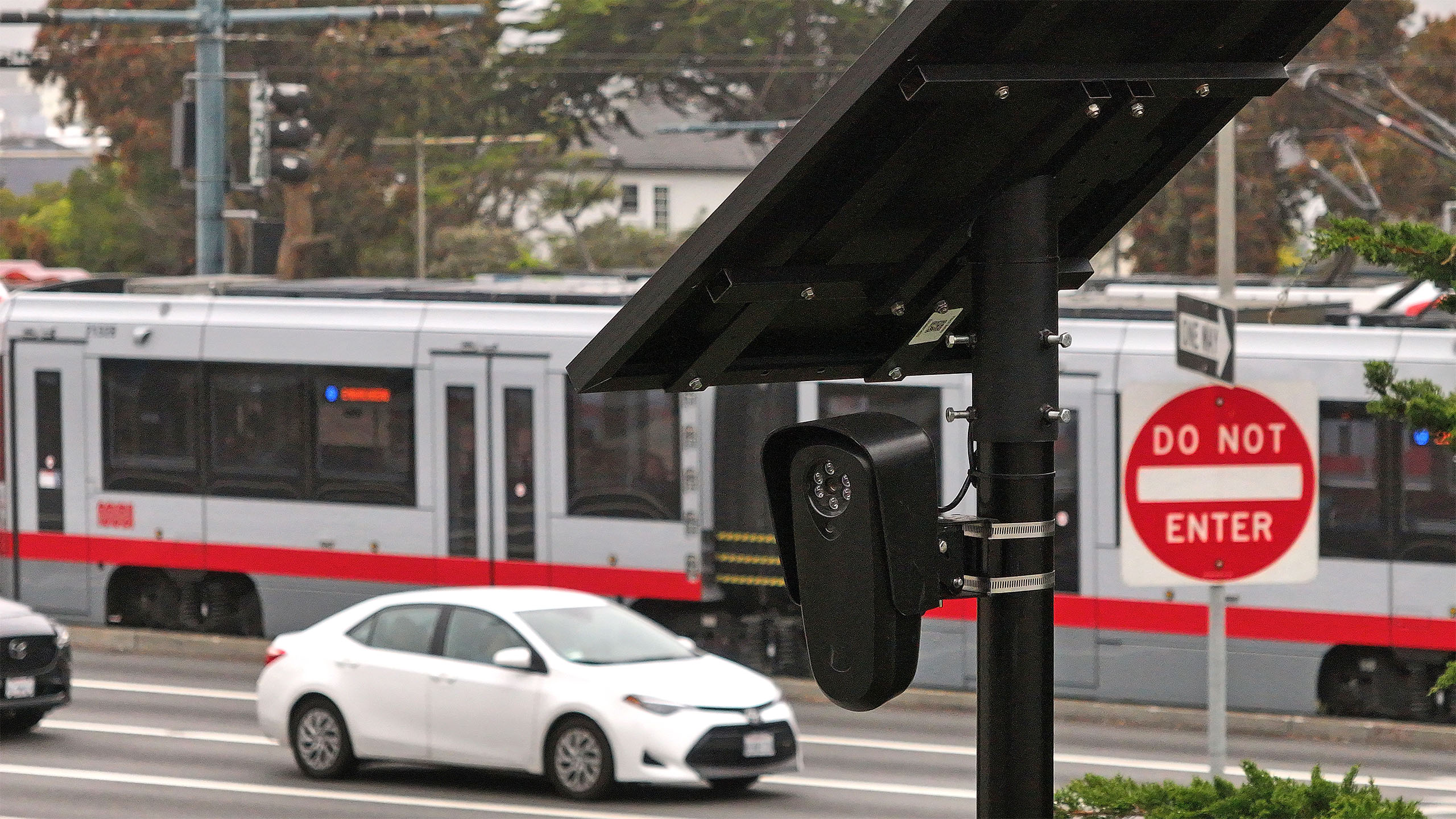
Your Car Was Never the Product. You Were.
A new generation of license plate cameras doesn't just read plates — it reads everything in the car with you.
From the other desks.
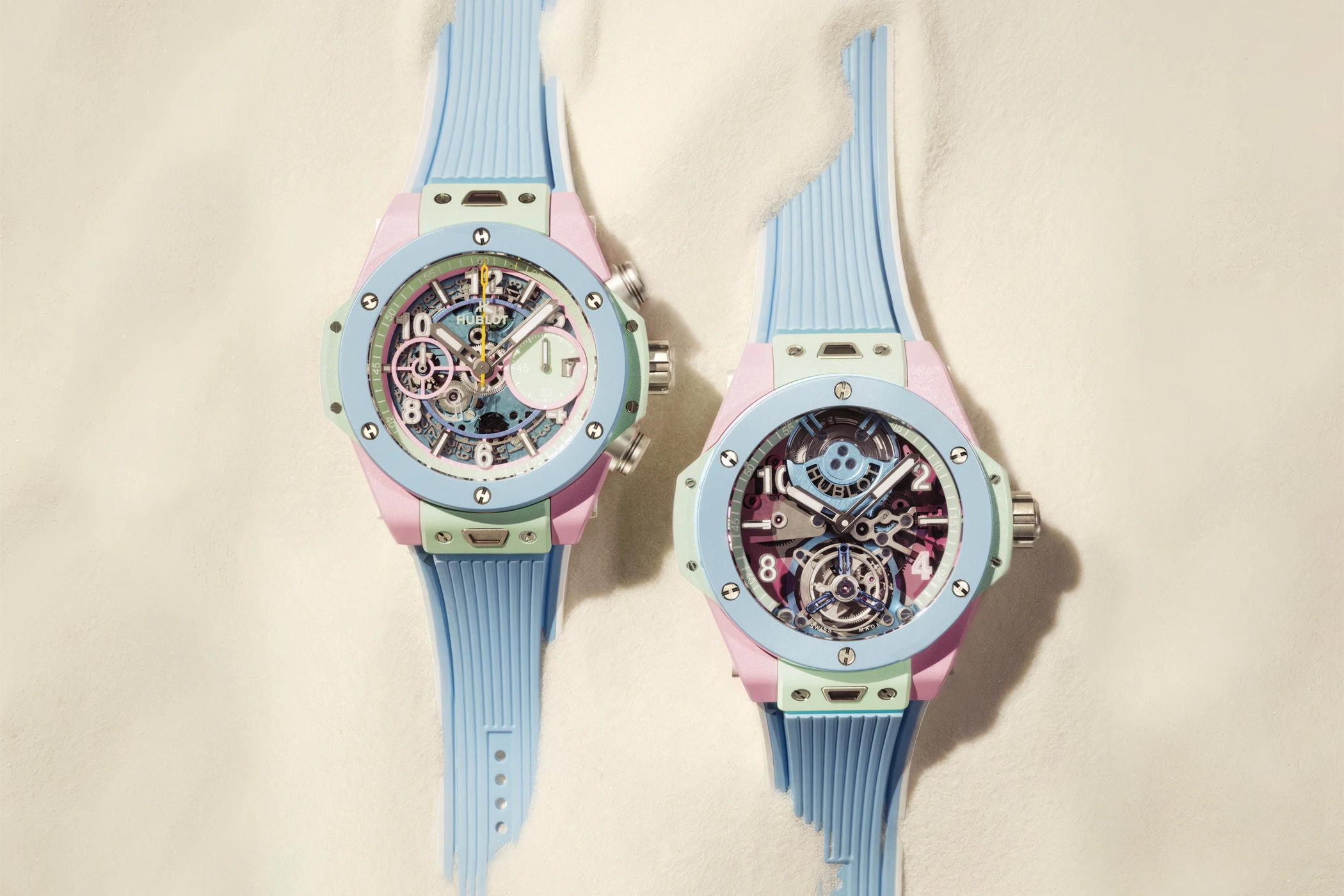
Hublot Chose Hard Colors on Purpose
Pastel ceramic isn't soft. Making it is the opposite of soft.
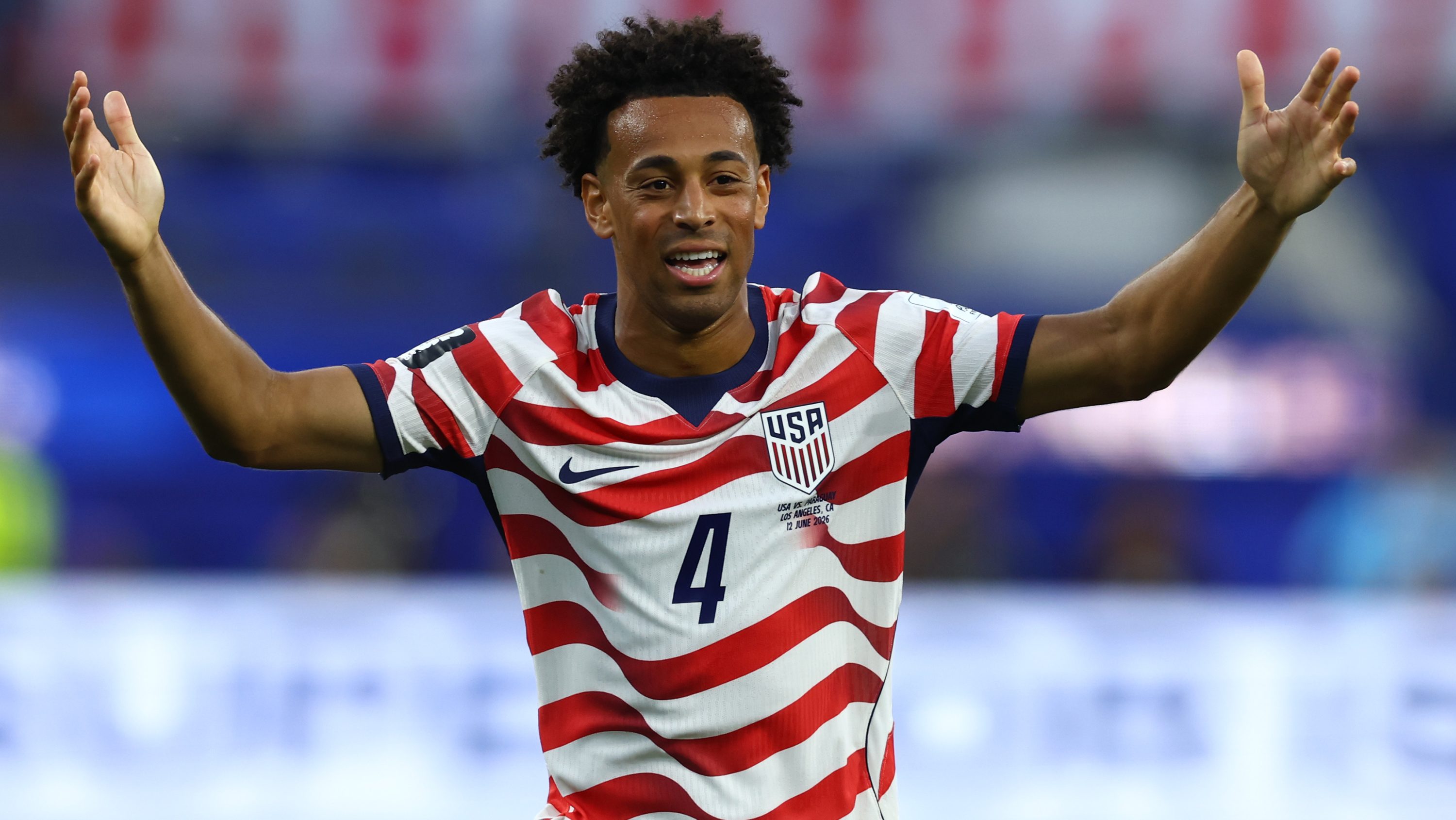
Pedigree Was Always a Distraction
The 2026 World Cup didn't just outperform expectations — it exposed how wrong the expectations were in the first place.

Brazil Got a Door. Apple Still Built the Frame.
Alternative app marketplaces are now open in Brazil — Apple just makes sure it approves who walks through.