Winding Against the Current
Six stories about watches turned out to be one story about what people are actually hungry for.
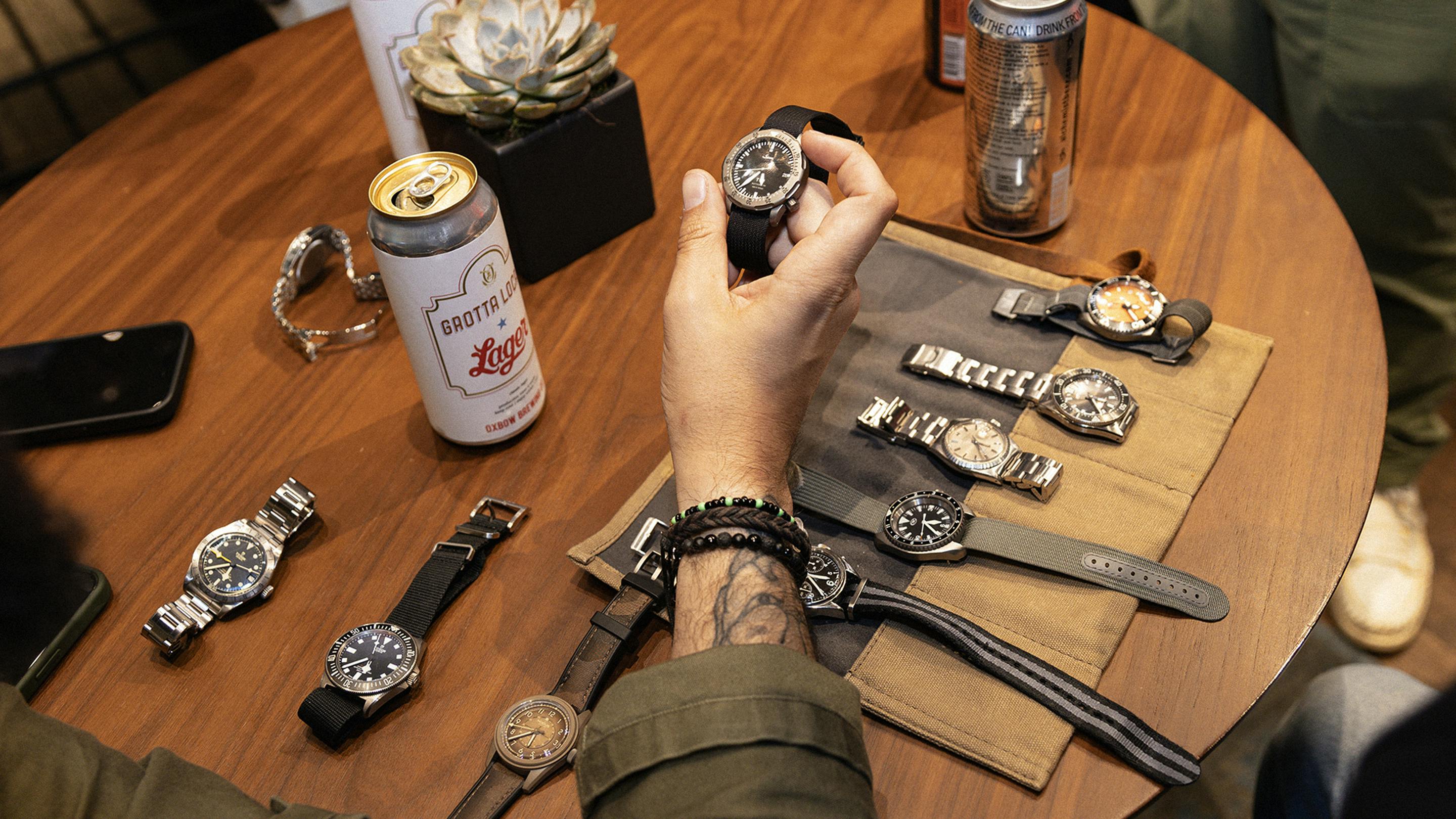
Photo · Hodinkee
There's a moment, somewhere in the middle of a conversation about a mechanical watch, when the watch stops being the subject. The gears and the finishing and the price — all of it recedes. What's left is two people standing close together, looking at the same small thing, briefly outside their phones.
That moment is the whole industry right now. It just took a while to notice.
The Room Before the Room
When Hodinkee hosted a happy hour this past May, what they were really hosting was permission — permission to gather, to hold something, to talk slowly. The watches on wrists were the entry tickets, but the room itself was the product. You can read almost any recent watch gathering the same way. A shooting range outside Philadelphia has apparently become a genuine destination for collectors, and according to Robb Report, what draws people there isn't the sneak previews or the cigars or even the fine dining — it's the approach. Laid-back. Unhurried. A hobby treated like a hobby.
That detail stopped me. A laid-back approach to the hobby. In an era when every interest has been optimized into a content vertical, when enthusiasm gets immediately monetized and ranked and turned into a leaderboard, someone built a place where watch people could just... be watch people. And it became a hot spot.
There's something being said there about scarcity. Not of watches. Of ease.
What Fratello Asked and Nobody Wanted to Answer Directly
Fratello Watches put the question on the table plainly: could a desire for disconnection spell a bright future for mechanical watches? They noted that vinyl records are doing well, physical books persist, wired headphones and even MP3 players have found their way back into circulation. The analog reflex is real and it's broad. Mechanical watches sit inside that same current — objects that do one simple thing through a process of almost absurd complexity, that require no software update, that will not notify you of anything.
The piece gestures at something most of the watch press circles without quite landing on: mechanical watches have stopped being primarily about timekeeping, probably permanently, and the industry's health increasingly depends on what they're actually for instead. Fratello is brave enough to raise this. The answer, scattered across every other source in this particular moment, is that watches are infrastructure for a certain kind of life. Not a status symbol exactly — though that current never fully switches off — but a physical object that anchors you in a room, in a conversation, in a set of values that don't require a signal.
That's a different value proposition than anything a marketing department wrote in 2010.
One Man's Workshop, Fifty-Nine Years In
Hodinkee's return visit to Philippe Dufour's workshop — their first in thirteen years — lands differently once you've absorbed all this. Dufour, according to their dispatch, finished his school watch fifty-nine years ago and is still working. Still going strong, as they put it. The workshop exists as a kind of proof of concept for everything the community keeps reaching toward: that making something slowly, by hand, over a lifetime, is its own complete argument. You don't need to defend it. You just need to keep showing up.
I find myself drawn to that image more than almost anything else in recent watch coverage. Not the auction results, not the celebrity wrists, not the trend reports out of Las Vegas. One person, in one room, doing the same thing they've always done. The continuity itself is the statement.
And then there's Studio Underd0g — which Hodinkee's Business of Watches podcast recently covered — a brand launched just five years ago, now sitting at around thirty staff, with a full assembly and after-market facility in the U.K., and a new concept called the D0ghouse on the way. Founder Richard Benc built something real in almost no time, which would seem to contradict the Dufour picture entirely. Except it doesn't. Studio Underd0g succeeded not by chasing legacy but by finding a community that felt excluded from the conversation and building something for them. Different speed. Same instinct: the watch as a way into a room where you belong.
Las Vegas Was Watching Something Else
The trends out of Las Vegas's Jewelry Week, per Robb Report, were vintage bracelet watches and micro timepieces. Smaller. Older-looking. Quieter. The impulse lines up perfectly with everything else: in a moment when the world keeps getting louder and larger and faster, the thing people want to wear on their wrist is small, considered, and reminiscent of a time that moved differently.
This is the consensus the sources share, even when they're not talking to each other. The shooting range crowd and the Hodinkee happy hour crowd and the people buying Studio Underd0g watches and the editors tracking Las Vegas trends — they're all reporting from the same cultural moment, even if they're framing it as fashion or community or craft or business.
The mechanical watch is not winning because it tells time better. It's winning because it tells you something about how you want to live. And right now, a lot of people are trying to figure out what that is.
The small thing on your wrist keeps moving regardless. Fifty-nine years in, or five, or one — it doesn't care how connected you are. It just runs.
Keep reading fashion.

Gold Leaf on a Lacquer Dial, and the Weight of What That Costs
Awake's Frosted Leaf Royal Blue asks a question Vietnamese craft has never quite had to answer at this price.
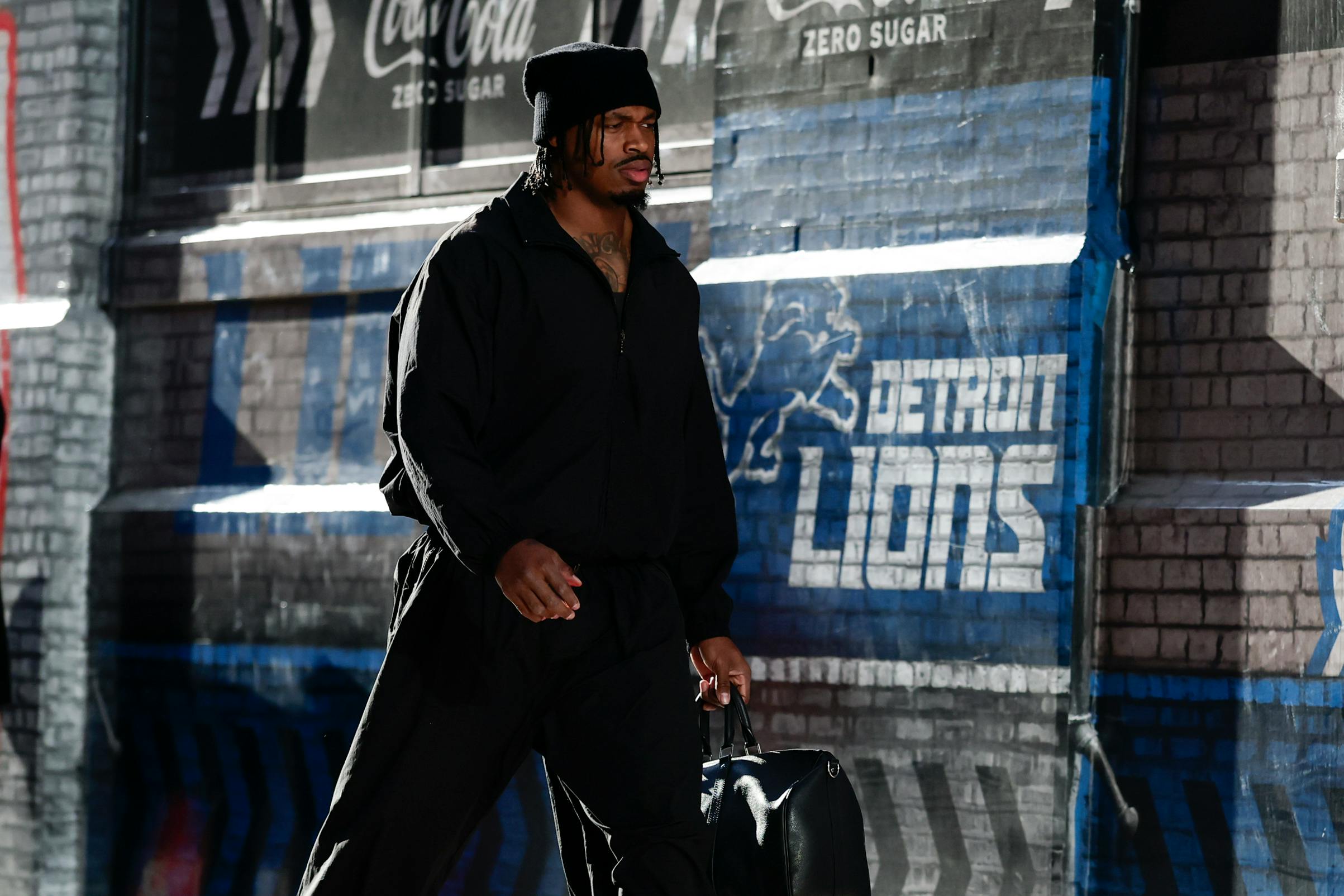
Kyle Smith Has a Job Title That Didn't Exist Before. That's the Whole Tell.
When the NFL hires a fashion editor, it's not about clothes — it's about who gets to decide what matters.
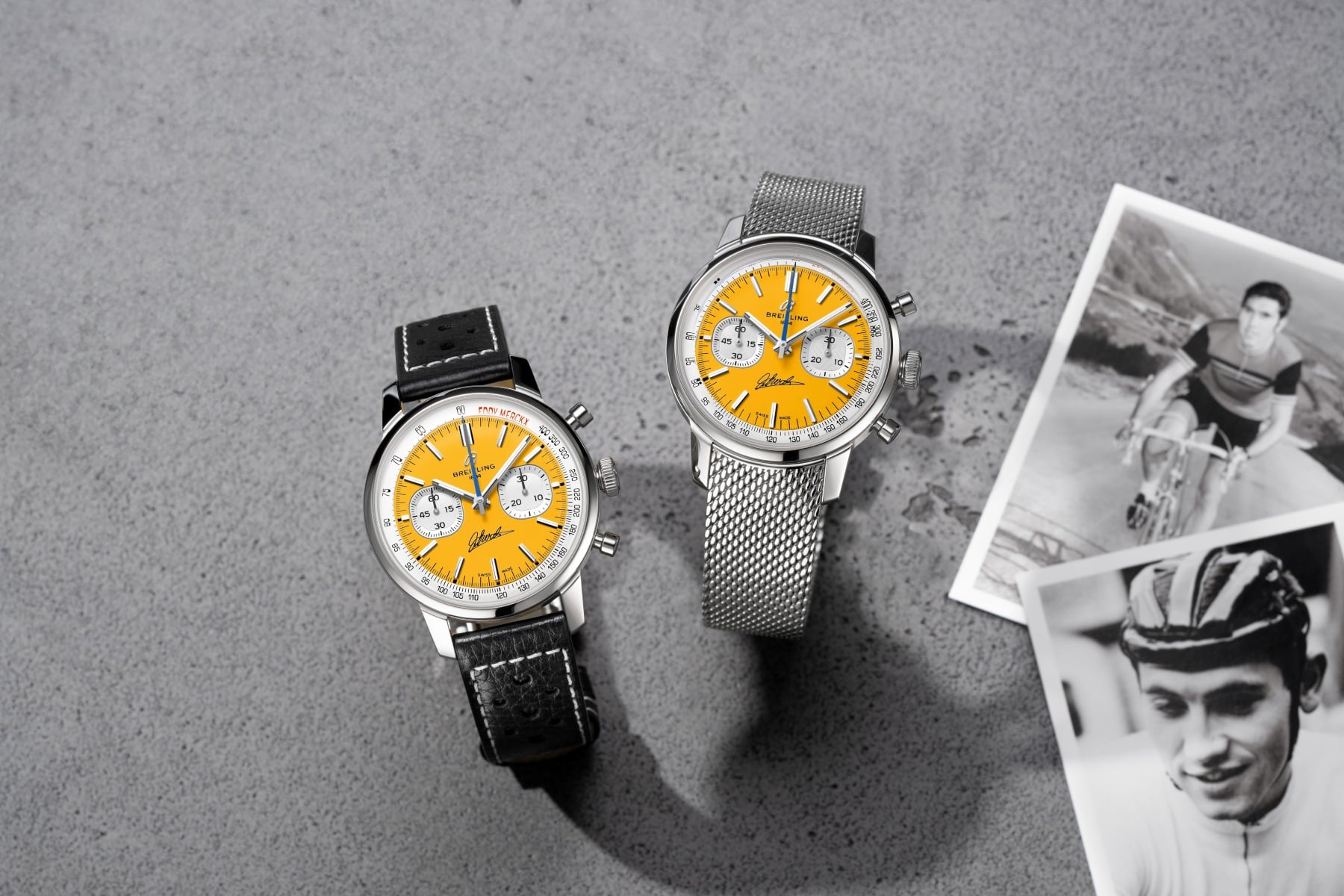
525 Victories, One Dial, and Cycling's Long Wait for a Wrist
Breitling's Eddy Merckx edition doesn't just reference a legend — it asks whether motorsport's younger sibling has finally earned its place in serious watch culture.
From the other desks.

800 Horsepower, One Ton of Doubt
Lamborghini built the most powerful SUV it's ever made. It's also slower than what it replaced.

ESPN Named Him. Then Unnamed Him. Nobody's Explaining the Gap.
A retraction without a reckoning is just a deleted link.

Hide My Email Has Been Showing Your Email
Apple's privacy flagship has a hole in it. They've known for over a year.