Hamilton Gave Leclerc the Data. That's Not Generosity — That's Pressure.
Montreal handed Ferrari a podium and a problem, and both belong to the same car.
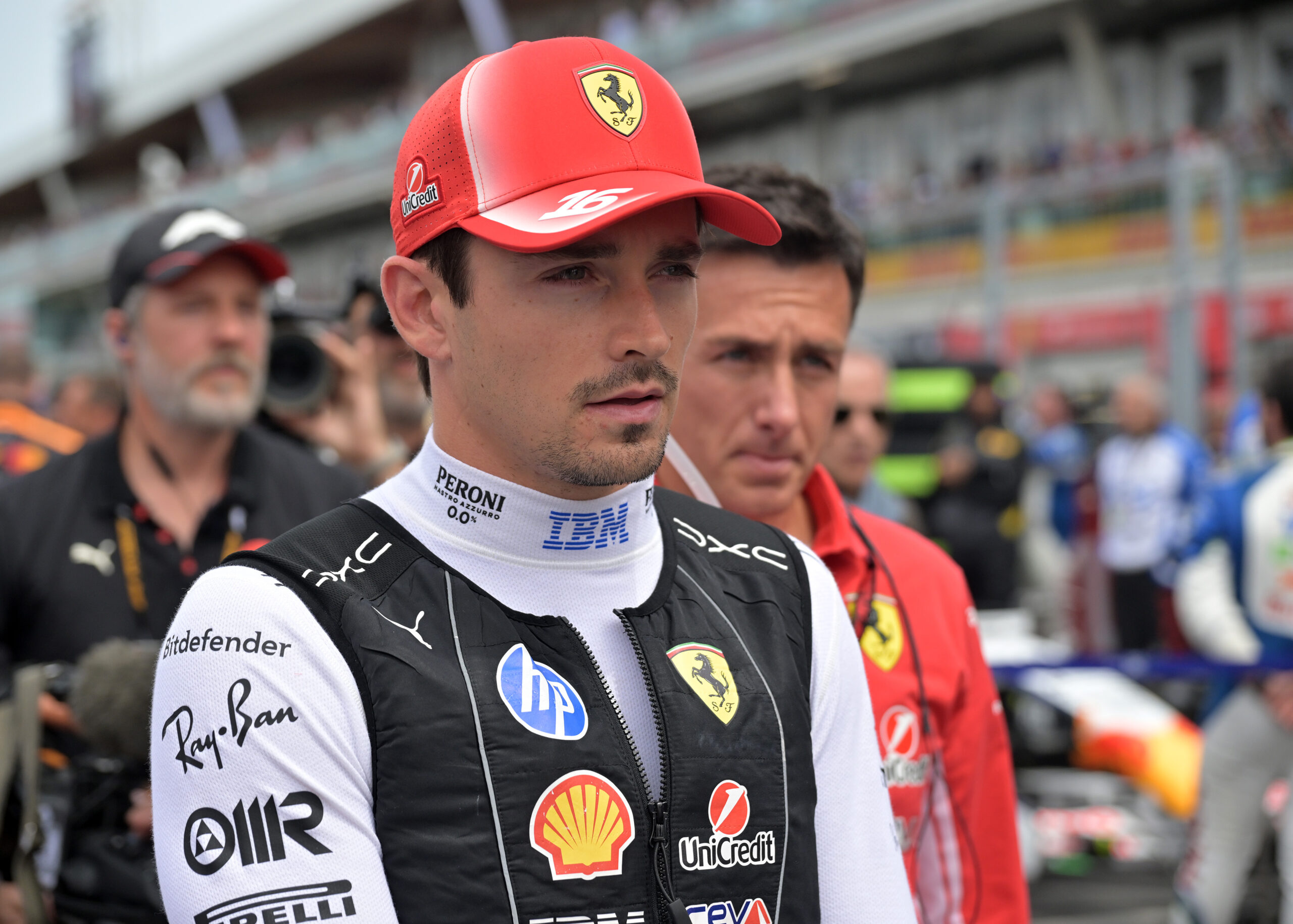
Photo · MotorBiscuit
Second place at Montreal, after hunting down Max Verstappen for laps and finally making the pass into Turn 1 on lap 62. That's the headline. But the number that keeps pulling at me is 30 — the seconds Charles Leclerc finished behind his own teammate.
Same car. Same weekend. Same circuit. Thirty seconds.
What Montreal Actually Revealed
Ferrari left Canada with a result that looks clean on paper. It isn't. What the weekend produced, underneath the celebration, was a split-screen portrait of two drivers in completely different relationships with the same machine. According to Motorsport.com, Hamilton described the result as a weight lifting — his best-ever finish in Ferrari red, and a performance that felt, by multiple accounts, like things finally clicking into place. The confidence was visible. The pace was real.
Leclerc, meanwhile, called it the most difficult weekend of his Formula 1 career. Not a rough patch. Not a bad day. His career. And he held fourth only because George Russell retired — Motorsport.com noted that detail plainly, without softening it.
That's not a gap you explain away with setup choices or tire luck. That's a driver and a car not communicating.
Same Machine, Different Language
What makes Montreal genuinely uncomfortable for Ferrari is that there's no convenient alibi. Hamilton didn't have a better car — he had the same car, and he extracted something from it that Leclerc couldn't find across an entire race weekend. MotorBiscuit called it an absolute masterclass. Motorsport.com went further, suggesting that beyond the result itself, what Hamilton showed was a driver who has finally found his footing in the team's ecosystem — everything in the right place, as they put it.
Leclerc's response, to his credit, is the correct one: he's going to study Hamilton's data. Use it as a reference. Find the answers. That's the professional move, and it reflects a level of self-awareness that matters in a championship fight. But there's something quietly vertiginous about the situation. The person whose data you need to learn from is the teammate you're supposed to be racing against.
Hamilton isn't just fast right now — he's fast in a way that reframes the internal hierarchy at Ferrari. For years, Leclerc was the project, the future, the driver the team was building around. Hamilton arrived this season as the decorated veteran slotting into a supporting role in the narrative. Montreal flipped that framing without making any announcement about it.
The car is the same. The stopwatch doesn't care about narrative arcs.
Thirty seconds is a conversation Ferrari will be having long after the champagne from Canada is gone.
Keep reading cars.

800 Horsepower, One Ton of Doubt
Lamborghini built the most powerful SUV it's ever made. It's also slower than what it replaced.

£11,990 Draws a Line Under Every Excuse You Had Left
Dacia just made the cheapest new car in Britain electric — and that's not a footnote, it's a verdict.
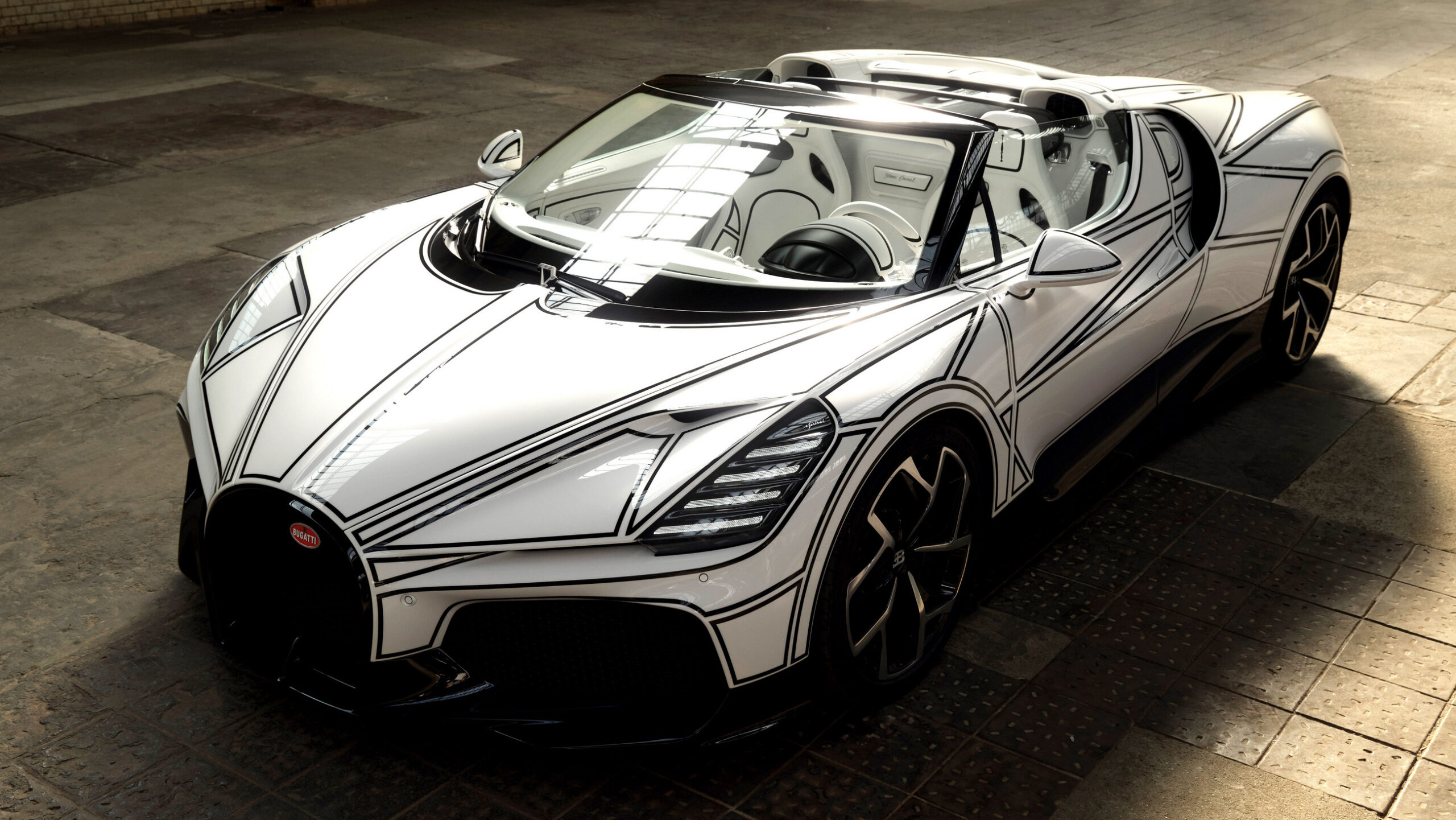
Blanc Éternel Hides Its Speed Behind a Gas Cap
Bugatti built a 261-mph roadster and made sure you'd notice the porcelain first.
From the other desks.

Gold Leaf on a Lacquer Dial, and the Weight of What That Costs
Awake's Frosted Leaf Royal Blue asks a question Vietnamese craft has never quite had to answer at this price.

ESPN Named Him. Then Unnamed Him. Nobody's Explaining the Gap.
A retraction without a reckoning is just a deleted link.

Hide My Email Has Been Showing Your Email
Apple's privacy flagship has a hole in it. They've known for over a year.