Huawei Sold More Sedans Than Maybach Last Month and Nobody in Stuttgart Got the Memo
When a Chinese tech company starts outselling Germany's most storied nameplates on their most profitable turf, the question isn't what changed — it's how long the West pretended it wouldn't.
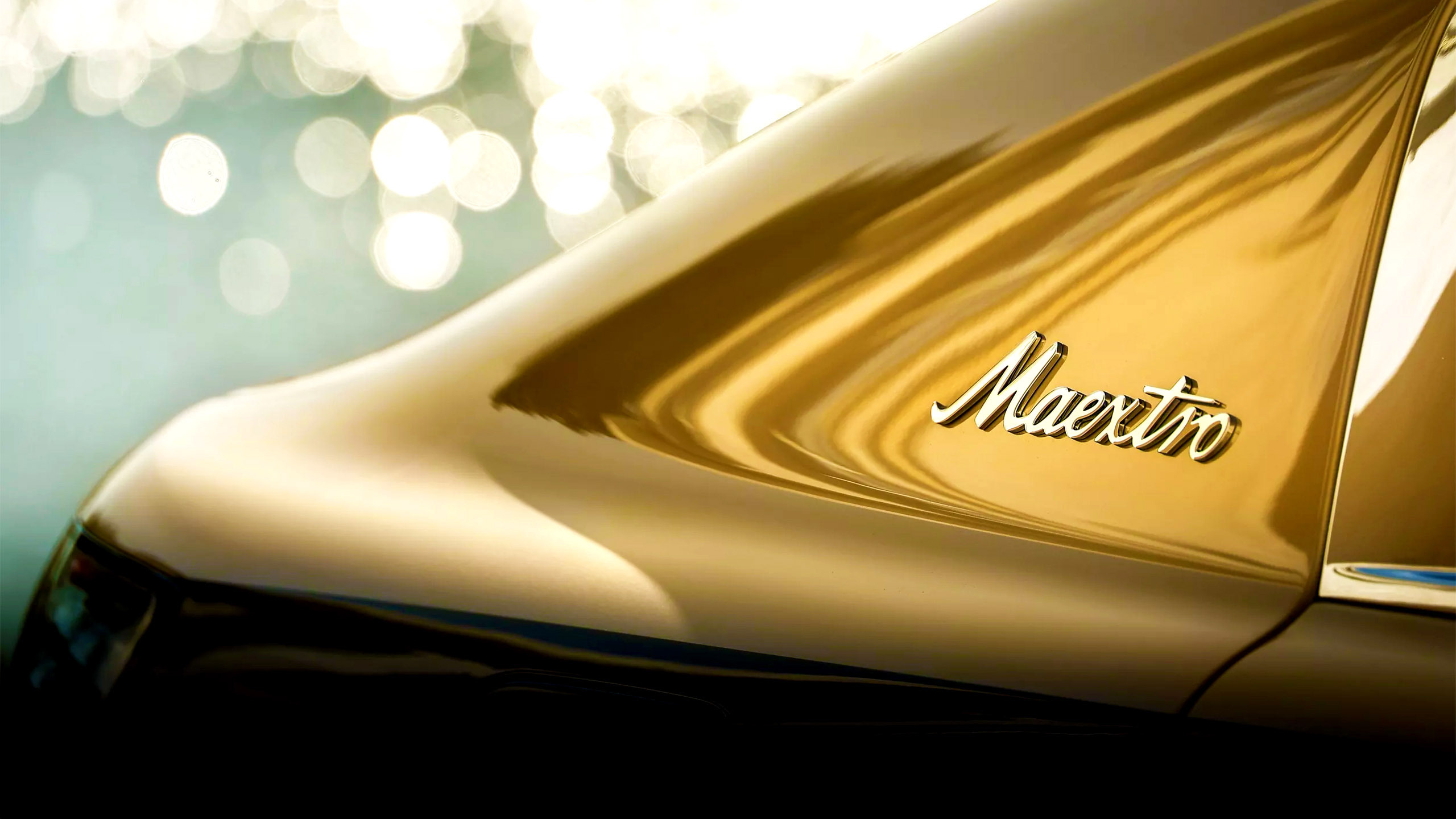
Photo · Carscoops
The Room Where It Happened
Picture the boardroom in Stuttgart, or Munich, or wherever men in expensive suits review monthly sales figures from markets they once considered conquered. Someone has to read that number out loud. Huawei's Aito M9 — a sedan that retails around $104,000 — is outselling the Maybach S-Class, the Porsche Panamera, and the BMW 7 Series in China. Not by a whisker. By a widening margin.
Someone in that room has to say it without their voice cracking.
A writer at Carscoops staked out this territory recently, laying the numbers flat on the table with a headline designed to make Western readers feel the distance — the car's name, the price, the market, all slightly out of reach from an American vantage point. And that framing is exactly right, even if the conclusion feels underplayed. Because this isn't a market curiosity. This isn't an emerging brand finding its footing in a niche segment. This is a technology company from Shenzhen walking into the room where BMW and Mercedes have been collecting rent for decades — and rewriting the lease.
I keep coming back to what that means, not just commercially, but philosophically. German automotive prestige was never really about the cars alone. It was about what the cars represented: engineering seriousness, accumulated knowledge, the weight of history. You weren't buying a 7 Series. You were buying a century of Bavarian intention.
The Aito M9 doesn't have that century. It doesn't seem to need it.
What Prestige Actually Costs
There's a version of this story where we comfort ourselves with qualifications. China is a different market. Chinese consumers prioritize technology features differently. This won't translate globally. The brand doesn't have the same resonance in Europe or North America.
All of that may be true. None of it is comforting.
Because prestige, in the automotive world, has always been a story told to people who had the money to believe it. And the story worked as long as there was no competing narrative with equal production quality, equal cabin refinement, and — this is the part that stings — arguably superior technology integration. When Carscoops notes that Huawei's sedan is moving at volumes that leave the Panamera and the Maybach looking like limited editions, what they're really documenting is a prestige transfer. The story is being retold, in Mandarin, with different heroes.
The German brands have faced challengers before. American luxury wobbled in the nineties. Japanese precision threatened in the eighties. Korean value crept in at the margins over the last twenty years. But those challenges all came from below — brands climbing the ladder, earning credibility rung by rung, hoping the incumbent would nod their approval eventually.
Huawei didn't climb the ladder. It showed up on the roof.
Engineering as Identity
What makes this genuinely disorienting, if you care about cars the way I do, is the craft dimension. The appeal of a well-sorted German sport sedan — the 7 Series, the Panamera in particular — was always partly tactile. The way the door closes. The weight of the controls. The sense that every interface decision was made by someone who understood what driving means, not just what driving does.
The critique of Chinese vehicles, until recently, was that they could match the specs but not the soul. That they were technically proficient but somehow hollow. That you could feel the gap between the number on the sheet and the experience in the seat.
That critique is harder to make now. The Carscoops piece doesn't linger on it, but the sales figures are the argument. Chinese buyers in the $100,000+ segment are not uninformed. They are not buying on patriotism alone. They have sat in the 7 Series. They know what a Maybach smells like. And they are choosing something else.
That should be treated as data, not as anomaly.
What the Clock Is Telling You
I think about the collectors and the loyalists — the people who will always find their way back to a specific German marque because of what it meant to their father, or what it felt like the first time they drove one on an empty autobahn at an age when that kind of thing imprints permanently. Those people aren't going anywhere. Emotional loyalty is real and it's durable.
But that's a ceiling, not a floor. You can't build a global luxury automotive business on nostalgia alone, and you especially can't hold a market like China — vast, fast, and completely unsentimental about Western mythology — with nothing but heritage as your argument.
The writer at Carscoops framed this as a story about a car most Americans can't pronounce. They're right that the pronunciation gap is real. They're underplaying what comes after it closes — and it will close, the way every gap between 'unfamiliar' and 'inevitable' eventually does.
Somewhere, a German engineer is doing something extraordinary with aluminum and software and road-feel calibration, trying to close a different kind of gap. I hope they're working fast. The clock on the wall in Stuttgart is the same one running in Shenzhen, and right now, only one side seems to know what time it is.
Keep reading cars.

800 Horsepower, One Ton of Doubt
Lamborghini built the most powerful SUV it's ever made. It's also slower than what it replaced.

£11,990 Draws a Line Under Every Excuse You Had Left
Dacia just made the cheapest new car in Britain electric — and that's not a footnote, it's a verdict.
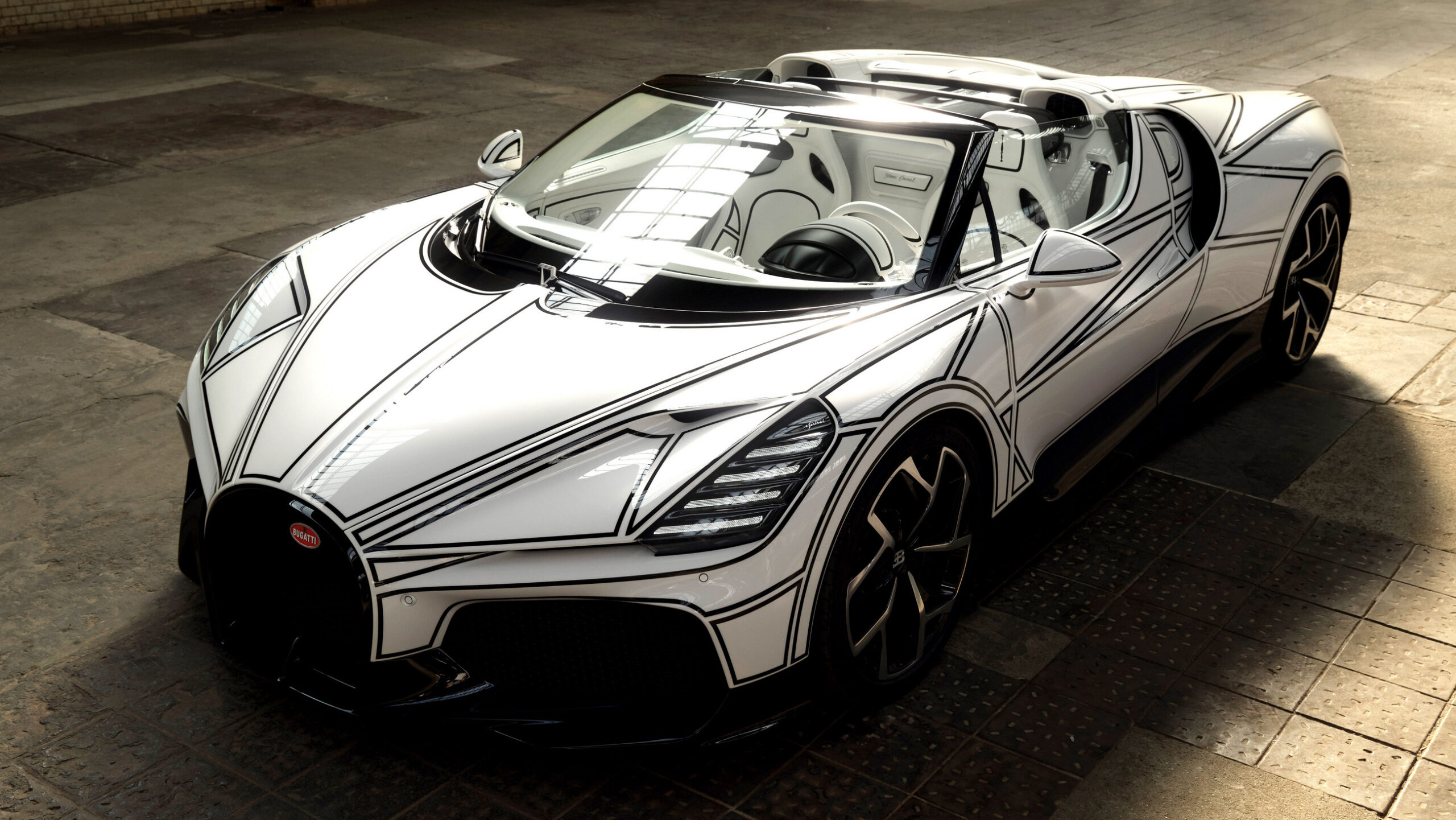
Blanc Éternel Hides Its Speed Behind a Gas Cap
Bugatti built a 261-mph roadster and made sure you'd notice the porcelain first.
From the other desks.

Gold Leaf on a Lacquer Dial, and the Weight of What That Costs
Awake's Frosted Leaf Royal Blue asks a question Vietnamese craft has never quite had to answer at this price.

ESPN Named Him. Then Unnamed Him. Nobody's Explaining the Gap.
A retraction without a reckoning is just a deleted link.

Hide My Email Has Been Showing Your Email
Apple's privacy flagship has a hole in it. They've known for over a year.