America Is Building Chargers Nobody Can Use Yet
The infrastructure is ready to sprint. The cars are still tying their shoes.

Photo · InsideEVs - Articles
There's a version of the EV story where the villain is the charger — too slow, too scarce, too unreliable. That version has been running for years. A writer at InsideEVs just complicated it.
The piece is straightforward in its thesis: absurdly fast chargers are coming to America, and the cars on the road aren't equipped to use them. We're not talking about incremental gains. We're talking about charging hardware that's ready to push well beyond 400 kilowatts — speeds that would be transformative if the vehicles on the receiving end could actually accept them. Most can't.
Sit with that for a second. The infrastructure, the thing we spent years treating as the weak link, has started lapping the product.
The Bottleneck Moved
For most of EV's mainstream life, the charging network was the easy target. Road trips required planning. Stations failed. Queues formed. The car, meanwhile, was the aspirational object — the thing you believed in, the thing you drove home and told people about. The charger was the utility, the necessary inconvenience, the thing you hoped had been fixed at the next stop.
That framing is now backwards, or at least incomplete. When the charging hardware is outrunning the vehicle's acceptance rate, the car becomes the constraint. The machine you chose, the one sitting in your garage or your driveway, is suddenly the conservative actor in this equation. The grid is ready to move faster than your onboard electronics will allow.
This isn't a knock on any specific manufacturer. Acceptance rates are an engineering problem with real tradeoffs — thermal management, battery chemistry, cell architecture — and there are genuine reasons why pushing those numbers requires more than ambition. But the narrative shift matters. For years, automakers could point outward. Now the finger curves back.
What This Moment Actually Reveals
The insideEVs piece is worth paying attention to not because it breaks news, but because of when it lands. The charging network in America, for all its well-documented chaos, has been improving. More stations. More reliability. And now, apparently, more speed than the cars arriving at those stations know what to do with.
That's a strange position to be in — and it reveals something about how EV adoption actually works at the edges. The easy wins come first: more chargers, faster chargers, better coverage. The hard win is the car itself, which involves development cycles measured in years, not quarters. Software can help at the margins. The fundamental hardware is what it is until the next generation arrives.
So what does a driver do with a charger that's ready to give more than their car can take? They wait the same amount of time they would have anyway. The station looks impressive. The numbers on the screen don't match the potential. It's a strange kind of progress — the kind where you can see how fast things could go while sitting at the exact speed they've always gone.
There's a version of this story that ends with optimism, and honestly, it should. If the charging hardware is racing ahead, that's pressure on manufacturers to match it. It's the infrastructure making a promise the cars will eventually have to keep. The gap is real, but gaps close. The more interesting question is which vehicles close it first — and whether the drivers who bought in early will be sitting in the ones that do, or watching from the wrong side of a model year.
Keep reading cars.
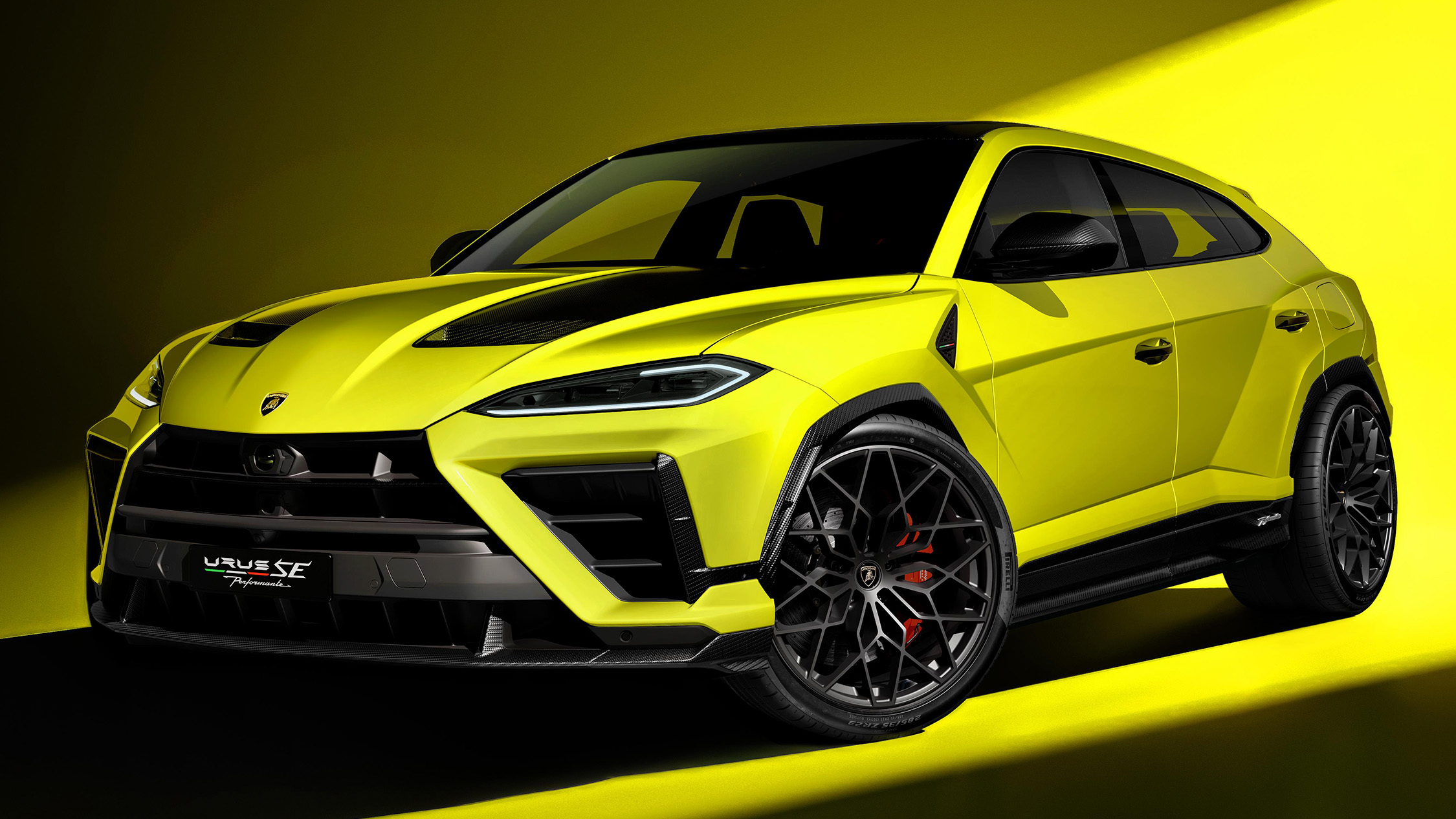
800 Horsepower, One Ton of Doubt
Lamborghini built the most powerful SUV it's ever made. It's also slower than what it replaced.

£11,990 Draws a Line Under Every Excuse You Had Left
Dacia just made the cheapest new car in Britain electric — and that's not a footnote, it's a verdict.
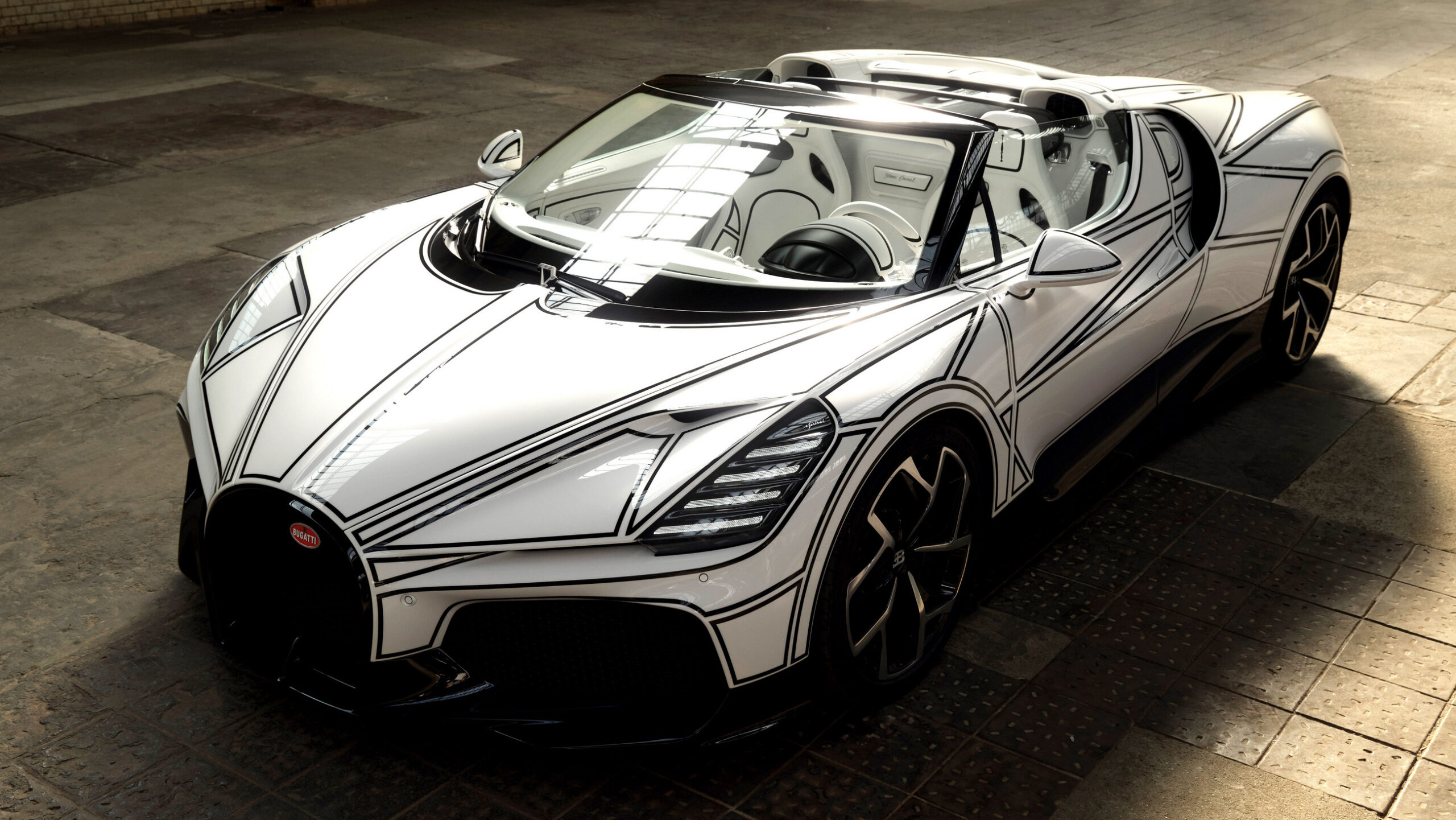
Blanc Éternel Hides Its Speed Behind a Gas Cap
Bugatti built a 261-mph roadster and made sure you'd notice the porcelain first.
From the other desks.

Gold Leaf on a Lacquer Dial, and the Weight of What That Costs
Awake's Frosted Leaf Royal Blue asks a question Vietnamese craft has never quite had to answer at this price.

ESPN Named Him. Then Unnamed Him. Nobody's Explaining the Gap.
A retraction without a reckoning is just a deleted link.

Hide My Email Has Been Showing Your Email
Apple's privacy flagship has a hole in it. They've known for over a year.