Larry Chen Is Inside the Game Now
Forza Horizon 6 didn't hire a consultant. It hired a photographer — and that's a different thing entirely.
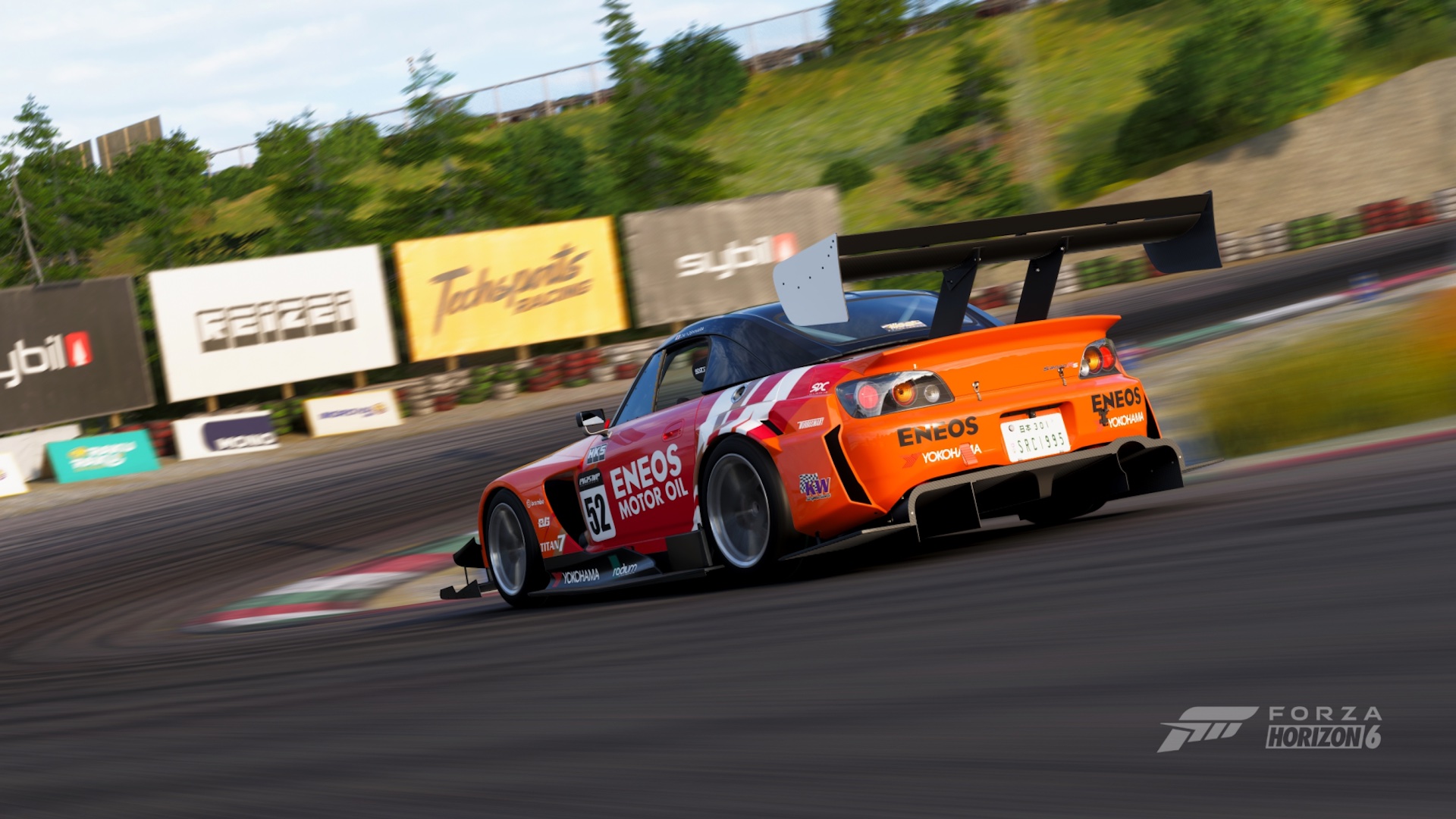
Photo · The Drive
There's a version of this story where a game studio hires a famous name, puts them in a cutscene, and calls it a collaboration. We've seen that version. It's fine. It's marketing.
This isn't that.
According to a piece at The Drive, Larry Chen — the automotive photographer whose work has shaped how a generation sees cars — didn't just lend his face to Forza Horizon 6. He worked behind the scenes on the photo mode itself. He's a character in the game, yes, but he was also in the room where the camera system got built. That's a meaningful distinction, and it's worth sitting with for a second.
What Changes When the Photographer Is Actually There
Photo modes in racing games have been getting better for years. The tools multiply, the resolution climbs, the depth-of-field sliders get more granular. But there's always been a gap between what the mode can technically do and what an actual eye for automotive photography demands. Getting the light to feel like it's coming from somewhere real. Knowing where to place the frame relative to motion. Understanding that a car at rest and a car at speed are two completely different subjects, even if the pixels look similar.
Chen understands those things in his bones. The Drive's coverage suggests his involvement shaped how the mode works — not just what buttons exist, but what the mode understands about the act of photographing a car. That's a collaboration with actual stakes.
And it signals something shifting in how game studios think about authenticity. Not just authenticity of the cars themselves — the licensed models, the tuned sounds, the chassis dynamics — but authenticity of the experience surrounding them. The image. The frame. The moment after the apex when the car settles and the light catches the rear quarter just right.
Gaming Stopped Pretending the Camera Doesn't Matter
For a long time, photo mode felt like a bonus feature. A nice thing to have. Something the community would run with on its own. The underlying assumption was that the car was the product and the photograph was the souvenir.
Chen's involvement flips that hierarchy. Or at least complicates it. Because if you bring in someone whose entire career is built on the argument that the photograph is the experience — that the image of a car carries emotional weight equal to the drive itself — then you're no longer treating photo mode as a side door. You're treating it as part of the core proposition.
That's a bet worth watching. A generation of car enthusiasts grew up with Forza and Gran Turismo before they ever got near a real steering wheel. Some of them learned to see cars — really see them, compositionally, emotionally — through those photo modes. Chen entering that space isn't a celebrity drop. It's a practitioner going back to where a lot of his audience first learned to look.
The camera was always the point. Someone just finally said it out loud.
Keep reading cars.
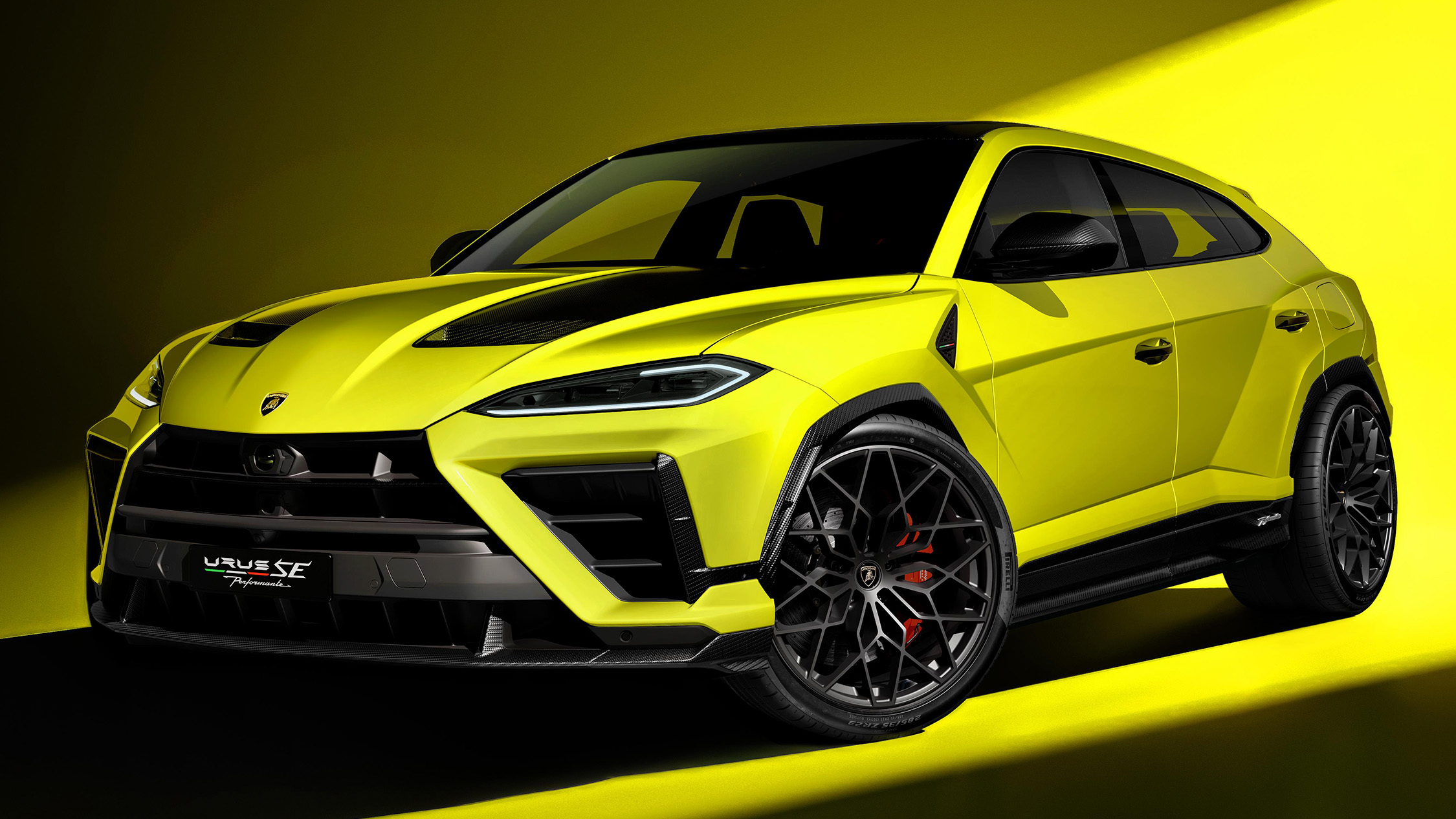
800 Horsepower, One Ton of Doubt
Lamborghini built the most powerful SUV it's ever made. It's also slower than what it replaced.

£11,990 Draws a Line Under Every Excuse You Had Left
Dacia just made the cheapest new car in Britain electric — and that's not a footnote, it's a verdict.
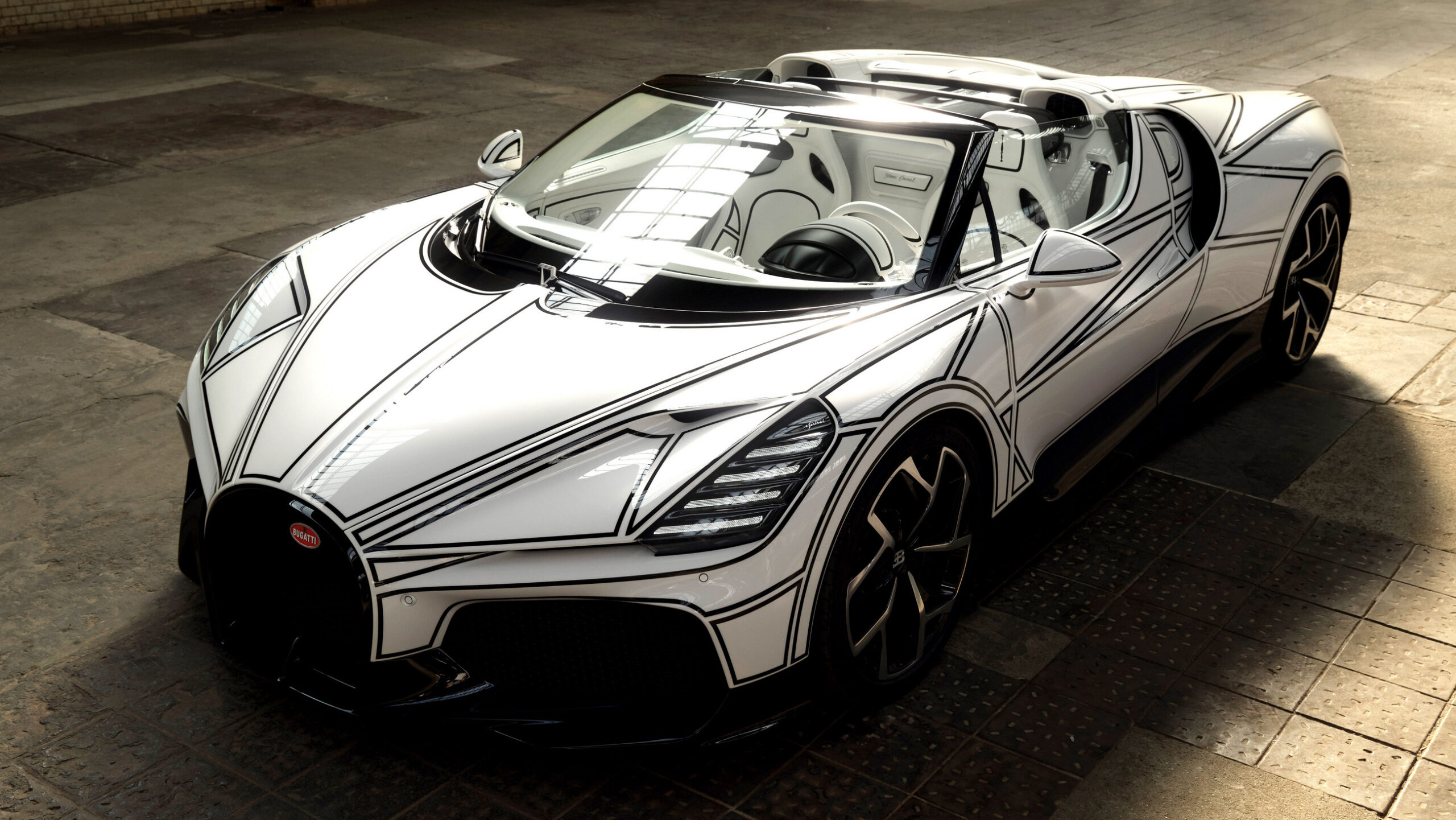
Blanc Éternel Hides Its Speed Behind a Gas Cap
Bugatti built a 261-mph roadster and made sure you'd notice the porcelain first.
From the other desks.
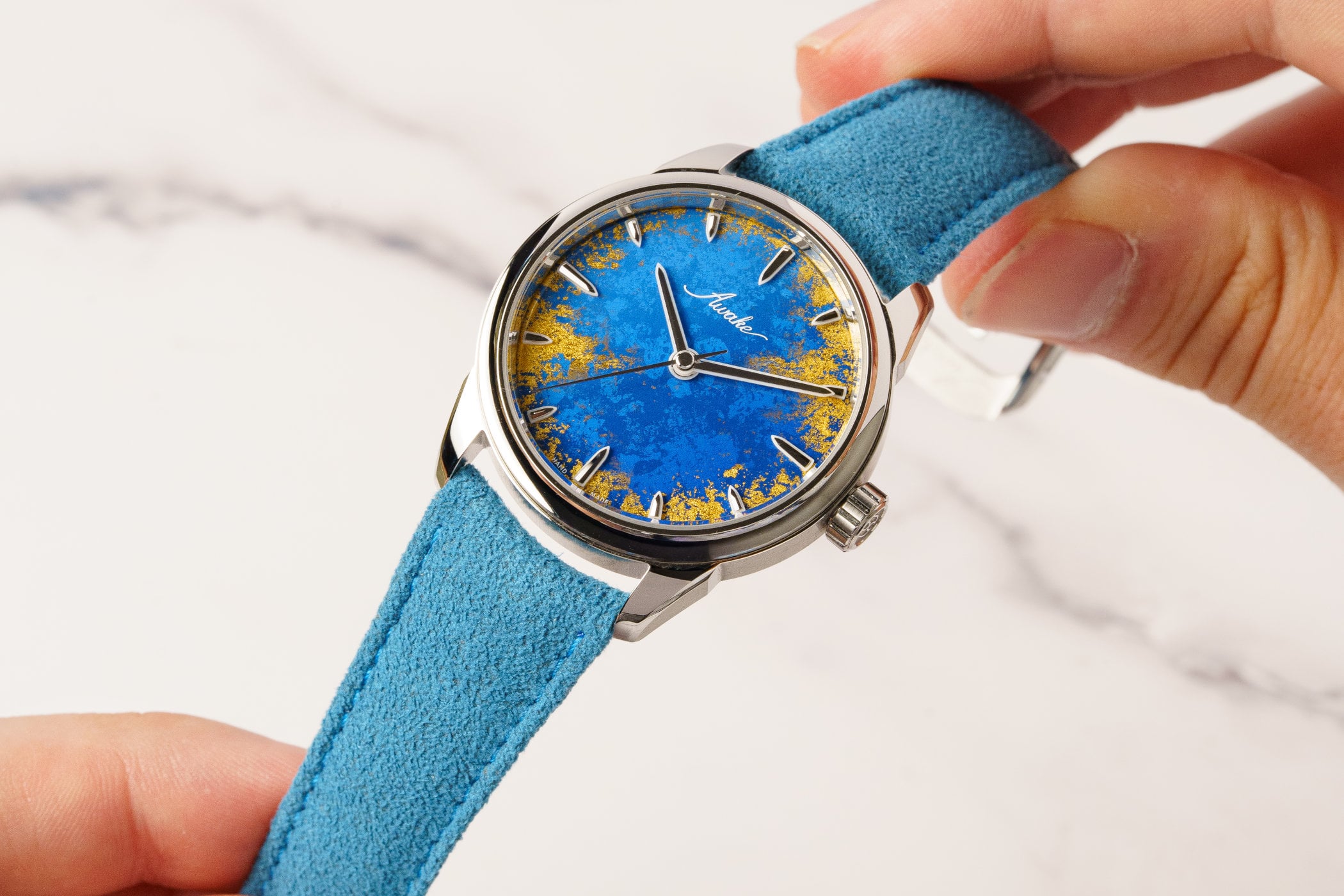
Gold Leaf on a Lacquer Dial, and the Weight of What That Costs
Awake's Frosted Leaf Royal Blue asks a question Vietnamese craft has never quite had to answer at this price.
ESPN Named Him. Then Unnamed Him. Nobody's Explaining the Gap.
A retraction without a reckoning is just a deleted link.

Hide My Email Has Been Showing Your Email
Apple's privacy flagship has a hole in it. They've known for over a year.