Old Body, New Bones — ICON Wants You to Stop Caring About the Difference
ICON 4x4's C10 restomod puts a 1967–1972 Chevy body on a current Silverado platform, and the question it raises is bigger than the truck.

Photo · Latest Content - Autoweek
There's a version of this conversation where we argue about purity. Where someone plants a flag and says a 1967 C10 body riding on a 2024 Silverado platform isn't a classic truck — it's a costume. And they're not entirely wrong. But they're not winning the argument either.
ICON 4x4 has done exactly this: taken the body from the 1967–1972 C10 generation and married it to the architecture of a current Chevrolet Silverado. Both Autoweek pieces covering the build land on the same verdict — that this is, in their word, a bullseye. Not a near miss. Not a conversation starter. A hit.
So the purity argument gets complicated fast.
What the Body Carries
The C10 body from that era has a specific grammar. Flat glass. Clean flanks. A cab that sits like it means it. There's a reason it keeps showing up in garages and on wishlist boards — it's one of those designs that didn't try too hard and still won. ICON understood that the shell is doing most of the cultural work here, and the Silverado underneath is doing the mechanical work. That division of labor is either cynical or brilliant depending on your prior commitments.
My read: it's honest. The original platform was never going to give you modern ride quality, modern safety, modern anything. Keeping the bones original would mean keeping the compromises original too. ICON made a choice that the shape matters more than what holds it up — and then they committed to it.
The result, based on what Autoweek is reporting, is something that earns the word restomod without apology. This isn't a museum piece. It isn't a trailer queen. It's a truck built to be used, wearing a body that earns attention every time it parks.
What Heritage Actually Is
Here's the meta-question neither piece fully sits with: when you transplant a classic body onto a modern platform, what exactly are you preserving?
Not the driving experience — that's new. Not the mechanicals — those are current. What you're keeping is the silhouette, the proportions, the visual language. Which means heritage, in ICON's hands, has become an aesthetic category rather than a mechanical one. That's a significant move, and the market is clearly fine with it.
Maybe that's always been true and we just weren't saying it out loud. The people who loved the C10 in 1969 loved it because it looked right and felt capable. ICON's version delivers both of those things, just with a different set of tools. The truck that inspired the affection no longer needs to be the truck that delivers it.
There's something almost liberating about that logic — and something slightly vertiginous, if you follow it far enough. Because once the platform becomes interchangeable, the body becomes the product. And the body is just steel shaped by someone else's decisions made sixty years ago.
ICON isn't hiding from that. They built a whole series around it. Called it the C Modern Retro Series and dared you to complain.
I don't think you should. A truck this resolved — old lines, current capability, no apology — is exactly what this corner of the market needed someone to build. Whether it answers the heritage question or just sidesteps it entirely is a conversation for people who've never driven one.
The rest of us are too busy looking for the keys.
Keep reading cars.

800 Horsepower, One Ton of Doubt
Lamborghini built the most powerful SUV it's ever made. It's also slower than what it replaced.

£11,990 Draws a Line Under Every Excuse You Had Left
Dacia just made the cheapest new car in Britain electric — and that's not a footnote, it's a verdict.
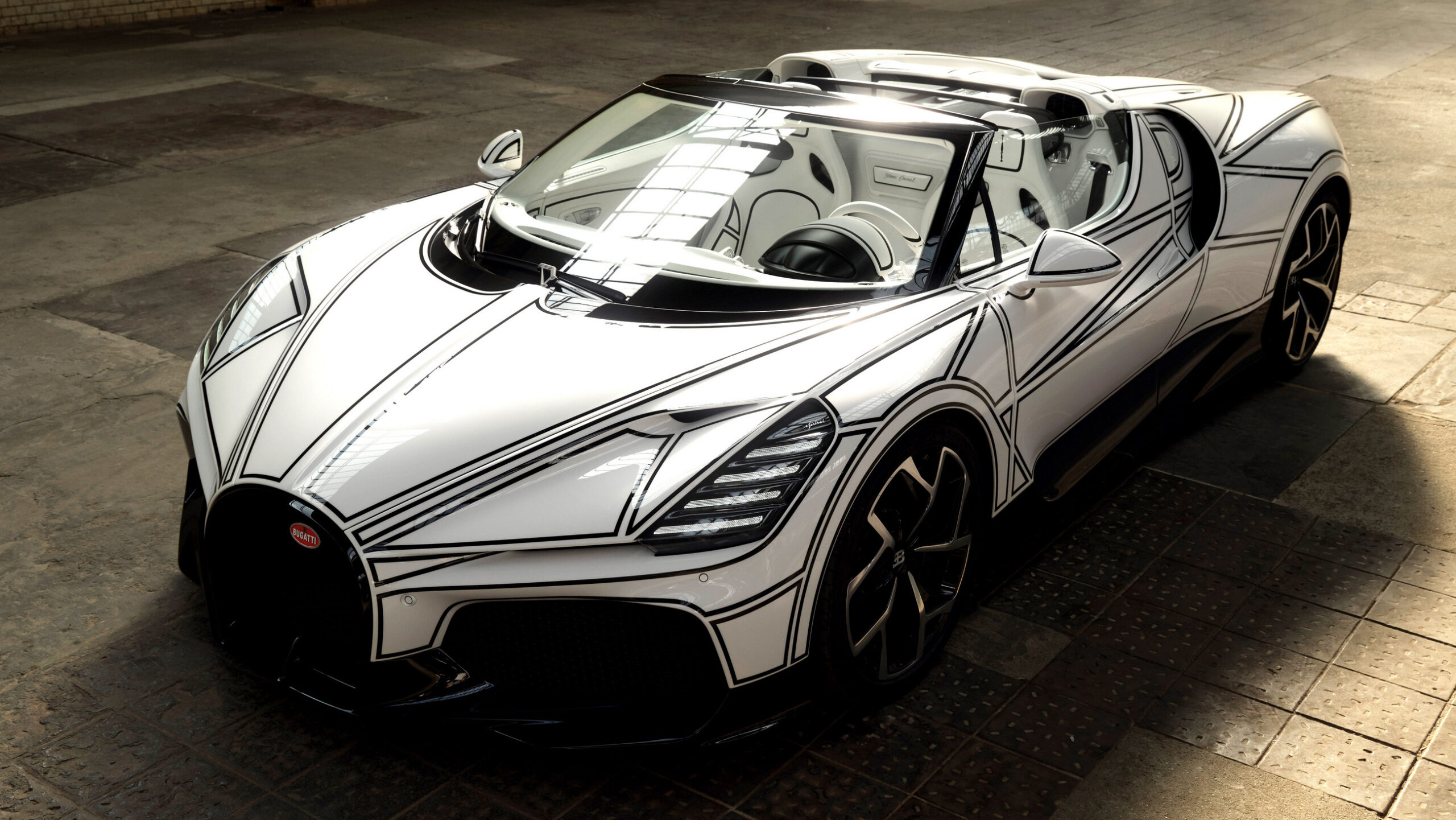
Blanc Éternel Hides Its Speed Behind a Gas Cap
Bugatti built a 261-mph roadster and made sure you'd notice the porcelain first.
From the other desks.

Gold Leaf on a Lacquer Dial, and the Weight of What That Costs
Awake's Frosted Leaf Royal Blue asks a question Vietnamese craft has never quite had to answer at this price.

ESPN Named Him. Then Unnamed Him. Nobody's Explaining the Gap.
A retraction without a reckoning is just a deleted link.

Hide My Email Has Been Showing Your Email
Apple's privacy flagship has a hole in it. They've known for over a year.