Jason Momoa's Century-Old Harleys Now Run on Electrons and Gasoline at the Same Time
An HBO documentary, five vintage machines, and a UK conversion shop just made the strongest argument yet that nostalgia is how electrification finally gets permission.

Photo · Electrek
There's a version of the EV conversation that has been stuck in the same loop for years — range anxiety, charging infrastructure, the cold sterility of purpose-built electric vehicles that feel engineered by committee. Then a UK-based conversion specialist called Electrogenic goes and rewires three 100-year-old Harley-Davidsons into plug-in hybrids, and suddenly the whole debate sounds different.
This is not a thought experiment. According to both Electrek and the Robb Report, Electrogenic converted five of Jason Momoa's personal vintage vehicles — three antique Harleys and two rare classic Land Rovers — and documented the entire process in Season 2 of his HBO documentary series On the Roam. The Land Rovers got full electric drivetrains with over 150 miles of range. The Harleys got something stranger and more interesting: the ability to run on electric power, petrol, or both simultaneously, switchable on the fly.
Sit with that for a second. A motorcycle that was built when the concept of a charging network would have been science fiction can now pull itself forward on electricity alone, or lean on its original engine, or blend both sources depending on what you want from the road that day. That's not a gimmick. That's a genuinely novel relationship between a machine and its rider.
The Object Is Not the Story
The machines are spectacular, but the meta-observation here is about permission. Electrification has spent years struggling to earn emotional legitimacy — the feeling that a car or a bike is yours, that it carries weight, that it means something beyond its carbon footprint. Heritage objects don't have that problem. They arrive pre-loaded with meaning. When Electrogenic threads a battery pack into a frame that's a century old, they're borrowing that meaning and attaching it to a technology that still makes a lot of people feel nothing.
Momoa's collection isn't a fleet of appliances. These are vehicles he clearly cares about — Electrek describes them as cherished. The fact that he chose electrification for them, rather than preservation through pure originality, says something about where his priorities actually sit. He's not treating the conversion as a compromise. He's treating it as an extension of what the machines already were.
The off-grid camping trailer in the build — battery-equipped, presumably to support the converted vehicles in the field — adds another layer. This isn't just about driving cleaner on city streets. The whole system is designed to function away from infrastructure, which is the exact use case where EV skeptics say electric fails hardest.
What Electrogenic Is Selling
Here's where it gets practically interesting: Electrogenic is now offering conversion kits for both the Land Rovers and the Harleys. The documentary is marketing, yes, but it's marketing for a real product. Anyone with the right vintage machine and the budget to match can pursue the same transformation.
That's a different business than building bespoke one-offs for celebrities. It means Electrogenic is betting there's a market of owners who love their old vehicles enough to preserve them, but are open — maybe even eager — to change how they move. The kind of person who has held onto a classic Land Rover for decades isn't usually chasing novelty. They're chasing a feeling. If a conversion kit can deliver that feeling on electric power, the audience is larger than it might look from the outside.
The Harleys are the wilder proof of concept. A Land Rover conversion to full electric is technically ambitious but conceptually legible — big vehicle, room for batteries, torque-friendly use case. A century-old motorcycle running as a hybrid, with the rider choosing their power source mid-ride, is something else entirely. It's preservation and reinvention happening at the same time, in the same frame, on the same road.
The most radical thing about all of this isn't the technology. It's the argument embedded in the choice: that the machines worth keeping are worth keeping and changing, and that those two things are not in conflict.
Electrification has been looking for an emotional on-ramp. Turns out it was parked in someone's garage, covered in a hundred years of history.
Keep reading cars.

800 Horsepower, One Ton of Doubt
Lamborghini built the most powerful SUV it's ever made. It's also slower than what it replaced.

£11,990 Draws a Line Under Every Excuse You Had Left
Dacia just made the cheapest new car in Britain electric — and that's not a footnote, it's a verdict.
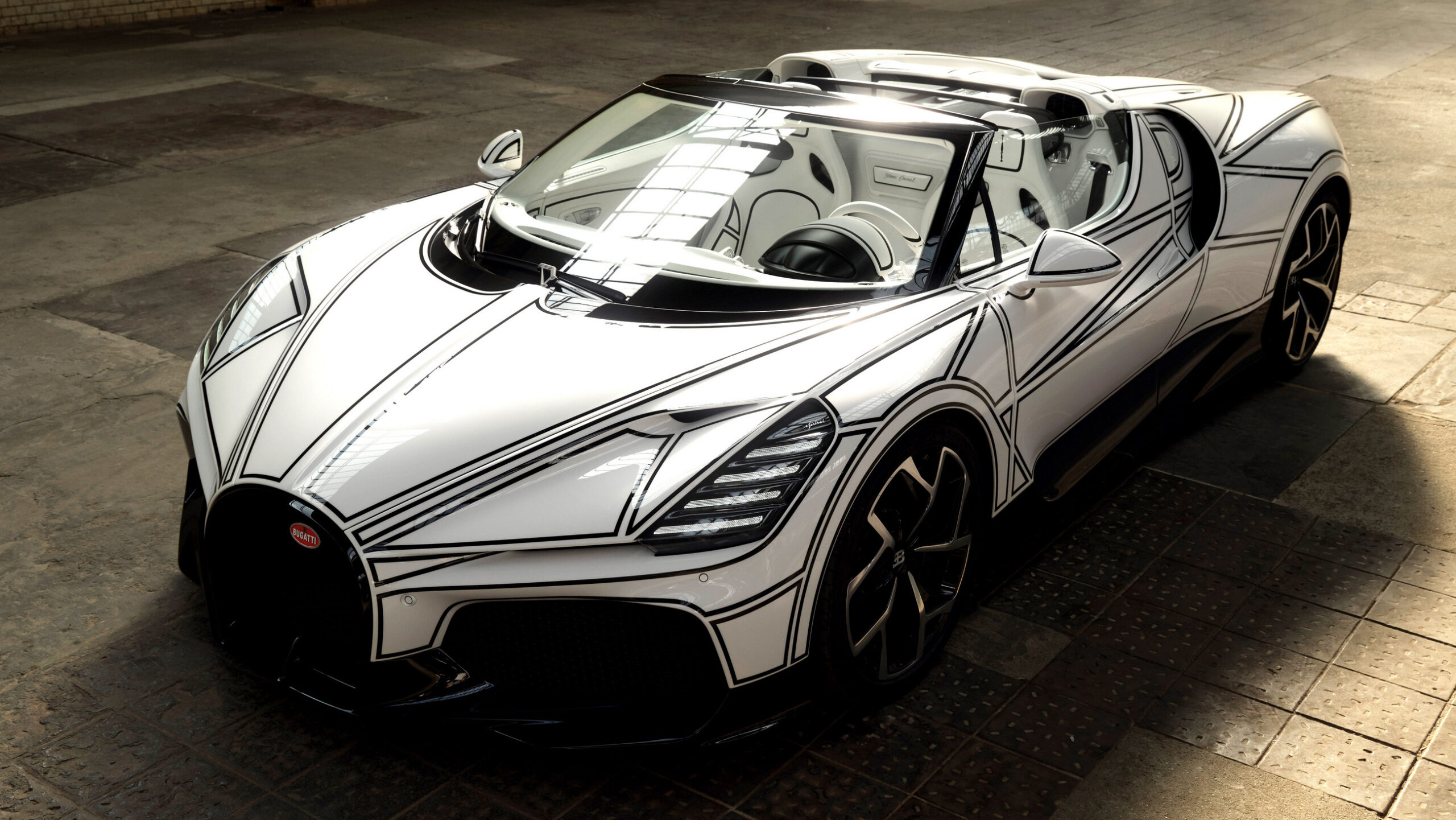
Blanc Éternel Hides Its Speed Behind a Gas Cap
Bugatti built a 261-mph roadster and made sure you'd notice the porcelain first.
From the other desks.

Gold Leaf on a Lacquer Dial, and the Weight of What That Costs
Awake's Frosted Leaf Royal Blue asks a question Vietnamese craft has never quite had to answer at this price.

ESPN Named Him. Then Unnamed Him. Nobody's Explaining the Gap.
A retraction without a reckoning is just a deleted link.

Hide My Email Has Been Showing Your Email
Apple's privacy flagship has a hole in it. They've known for over a year.