Lotus Doesn't Care Whose Name Is on the Engine Anymore
Geely-Renault power under a Lotus hood isn't a scandal — it's a thesis statement about where sports car performance is actually headed.
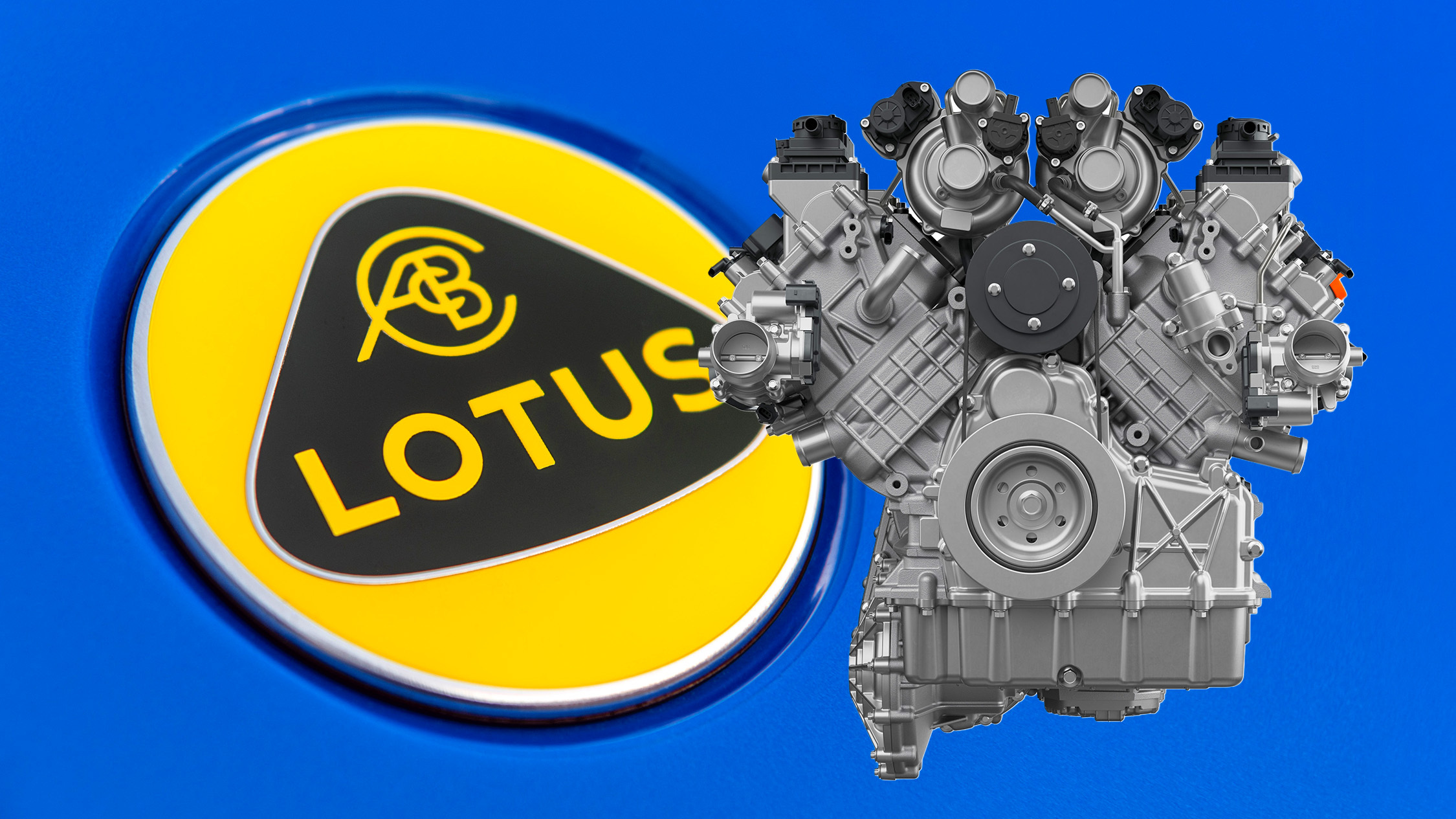
Photo · Carscoops
The Nameplate Stopped Mattering
Carscoops flagged it plainly: Lotus is moving away from Toyota and AMG engines in favor of powerplants from a Geely-Renault joint venture called Horse Powertrain — a name most enthusiasts couldn't place in a lineup. The headline framed it as a dumping. A betrayal, almost. And that framing is worth examining, because it tells you more about how we used to think about performance than about where performance is actually going.
For decades, the engine supplier was part of the story. You didn't just buy the car — you bought the lineage. Toyota's reliability mythology. AMG's hand-built theater. Those names carried weight the way a tailor's label carries weight: not because the stitching changes, but because the association does something to your confidence. Lotus leaned on that. It made sense to lean on that.
But the leaning is over.
What Lightweight Hybrid Actually Demands
The Horse Powertrain technology reportedly underpins a lightweight hybrid setup — which is precisely where the old logic collapses. The engineering demands of a hybrid sports car aren't the same as a naturally aspirated or turbocharged combustion unit. You're not chasing a singular mechanical voice anymore. You're managing two power sources, calibrating torque fill, tuning regeneration behavior, optimizing weight distribution across a system where the battery placement matters as much as the displacement. The heritage of whoever machined the pistons is almost beside the point.
Lotus, of all manufacturers, knows this. Their entire philosophy has been built around the idea that lightness is the answer — that removing weight solves problems adding power only complicates. A lightweight hybrid architecture is the direct descendant of that thinking. It doesn't matter that it comes from a joint venture with an unfamiliar name. What matters is whether the power-to-weight math comes out right, whether the torque arrives where the chassis needs it, whether the whole system disappears beneath you when you're driving hard and only announces itself when you ask.
The writer at Carscoops is right that these are engines most enthusiasts haven't heard of. But that's not an indictment — it's a clue. The next generation of performance is being built by partnerships that don't have sixty years of motorsport hagiography attached to them. They have engineers who grew up on a different set of problems.
There's also something honest about Lotus making this move now. The company has been navigating a complicated transition — repositioning, electrifying, trying to hold onto the soul of a sports car brand while the industry reshapes around it. Choosing a powertrain partner based on what the technology actually does, rather than what the badge implies, is a more coherent position than it might first appear. It says they're betting on the physics.
You can mourn the Toyota and AMG era if you want. Those were real engines with real character. But nostalgia for a supplier relationship is a strange place to plant your flag. What Lotus is signaling here is that the next Lotus will feel like a Lotus because of how it's tuned, how it weighs, how it handles — not because of whose name is cast into the block.
If the hybrid system is light enough, fast enough, and honest enough, nobody will care where it came from.
The road doesn't ask for credentials.
Keep reading cars.

800 Horsepower, One Ton of Doubt
Lamborghini built the most powerful SUV it's ever made. It's also slower than what it replaced.

£11,990 Draws a Line Under Every Excuse You Had Left
Dacia just made the cheapest new car in Britain electric — and that's not a footnote, it's a verdict.
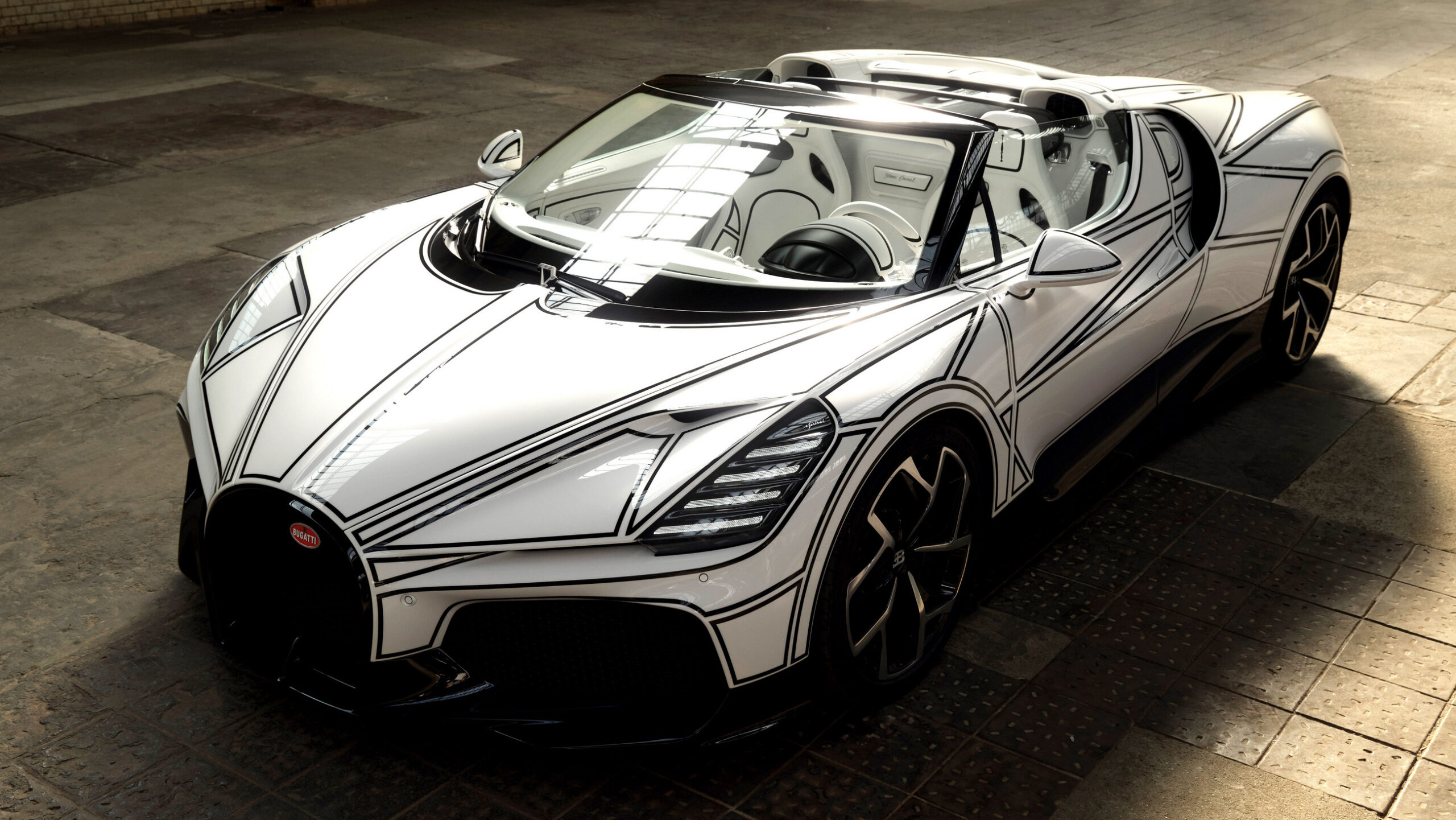
Blanc Éternel Hides Its Speed Behind a Gas Cap
Bugatti built a 261-mph roadster and made sure you'd notice the porcelain first.
From the other desks.

Gold Leaf on a Lacquer Dial, and the Weight of What That Costs
Awake's Frosted Leaf Royal Blue asks a question Vietnamese craft has never quite had to answer at this price.

ESPN Named Him. Then Unnamed Him. Nobody's Explaining the Gap.
A retraction without a reckoning is just a deleted link.

Hide My Email Has Been Showing Your Email
Apple's privacy flagship has a hole in it. They've known for over a year.