Nissan Sold You a Dream in 1990. Someone Just Rebuilt It With the Right Engine.
A YouTuber corrected a thirty-six-year-old lie — and in doing so, said something true about what nostalgia actually costs.

Photo · The Drive
There's a version of the past that never existed, and we've been protective of it for decades.
A writer at The Drive flagged something this week that deserves more than a footnote: the Nissan 300ZX that appeared in the famous 1990 "Dreamer" Super Bowl commercial wasn't actually a twin-turbo. It was a naturally aspirated Z32, dressed up to look like the real thing. Thirty-six years of cultural memory, built on a car that wasn't fully what it claimed to be.
A YouTuber has now built the actual twin-turbo version — the one the ad was pretending to be — and recreated the commercial with it.
What the Original Ad Actually Was
This is worth sitting with. Nissan ran a Super Bowl spot to sell a car, and the car in the ad wasn't the car they were selling. Or rather, it wasn't all of the car. The twin-turbo Z32 was the machine people wanted — the one with the performance story, the one that justified the desire. The naturally aspirated version was fine. But it wasn't that.
Nobody caught it. Or if they did, they didn't say so loudly enough. The commercial became iconic anyway, carrying the weight of a specific automotive dream through the nineties and into the nostalgia cycle that followed. The myth got bigger than the machine.
That's not unusual. Advertising has always smoothed the distance between aspiration and reality. What's unusual is that someone cared enough to go back and correct it — not cynically, not to tear anything down, but to actually build the thing that should have been there.
The Correction as Its Own Statement
What the YouTuber did isn't just a fun project. It's a position. It says: the original feeling was real, but it deserves a real object underneath it. Nostalgia without accuracy is just sentiment. And sentiment alone doesn't hold up when you're talking about machines that were supposed to do something — actually do something, in the physical world, on actual roads.
The Z32 twin-turbo is a specific thing. Twin turbos, Japanese grand touring performance from an era when that combination was genuinely surprising, a shape that still reads as forward even now. When someone builds that car, correctly, and points a camera at it in the context of the original ad, they're not just celebrating the past. They're insisting that the past be honest.
There's something almost confrontational about that. Polite nostalgia lets the myth stand. This doesn't.
I keep thinking about what it means that this correction took thirty-six years. Not because no one knew — someone always knows — but because the culture wasn't ready to care. Authenticity as a value has sharpened considerably. The restomods, the documented builds, the chassis numbers and matching engine codes — the community around classic cars has become more precise about truth, not less. Fakes still exist, but they're harder to float unchallenged.
The 1990 ad got away with it because it could. That window is closing.
A dream is worth having. But if you're going to chase it for three and a half decades, it should at least have the right engine.
Keep reading cars.

800 Horsepower, One Ton of Doubt
Lamborghini built the most powerful SUV it's ever made. It's also slower than what it replaced.

£11,990 Draws a Line Under Every Excuse You Had Left
Dacia just made the cheapest new car in Britain electric — and that's not a footnote, it's a verdict.
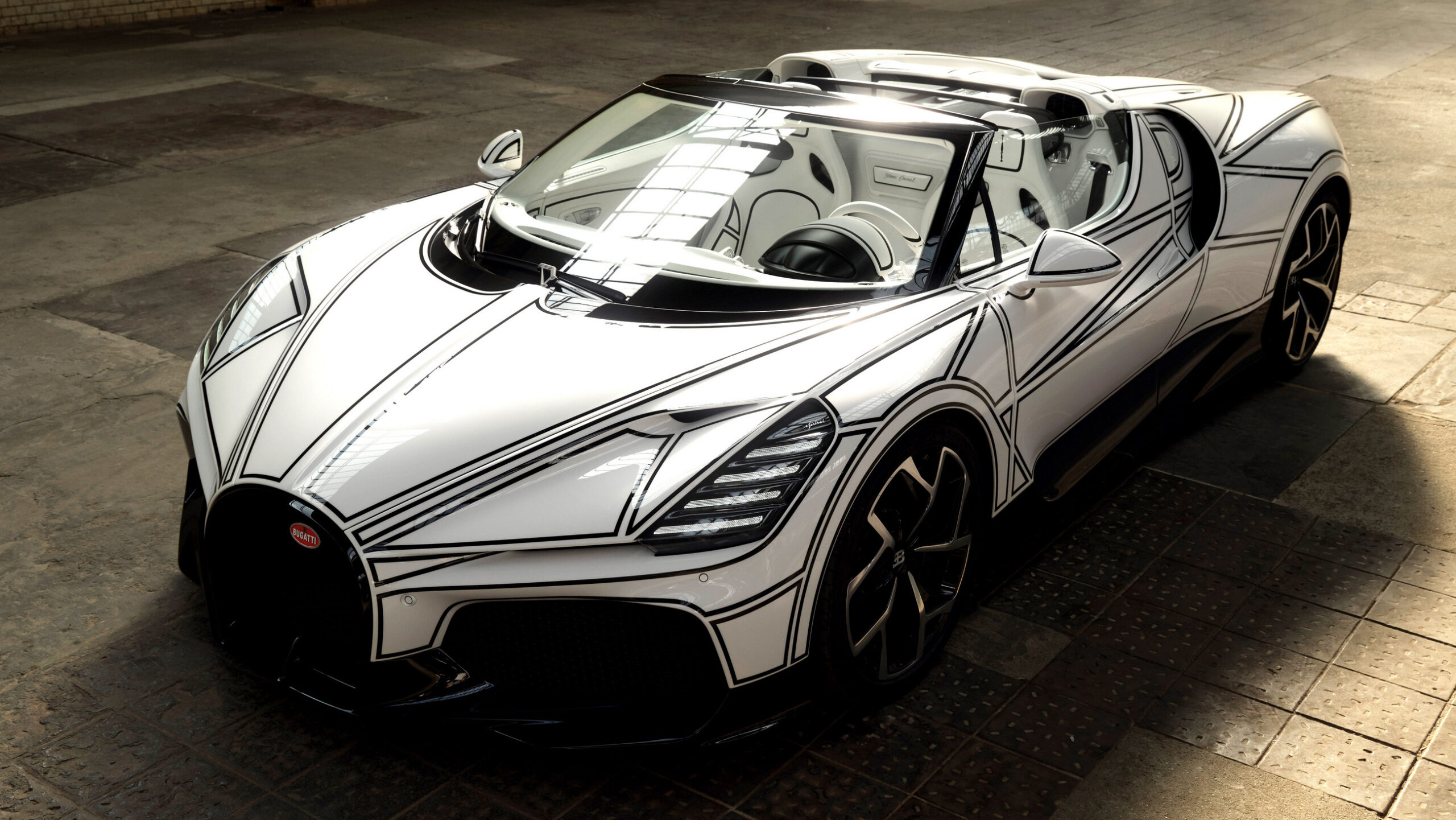
Blanc Éternel Hides Its Speed Behind a Gas Cap
Bugatti built a 261-mph roadster and made sure you'd notice the porcelain first.
From the other desks.

Gold Leaf on a Lacquer Dial, and the Weight of What That Costs
Awake's Frosted Leaf Royal Blue asks a question Vietnamese craft has never quite had to answer at this price.

ESPN Named Him. Then Unnamed Him. Nobody's Explaining the Gap.
A retraction without a reckoning is just a deleted link.

Hide My Email Has Been Showing Your Email
Apple's privacy flagship has a hole in it. They've known for over a year.