Nissan Heard You. The V6 Stays.
The new Xterra will come in hybrid and non-hybrid form — and that choice alone says more about where off-road culture stands than any spec sheet.
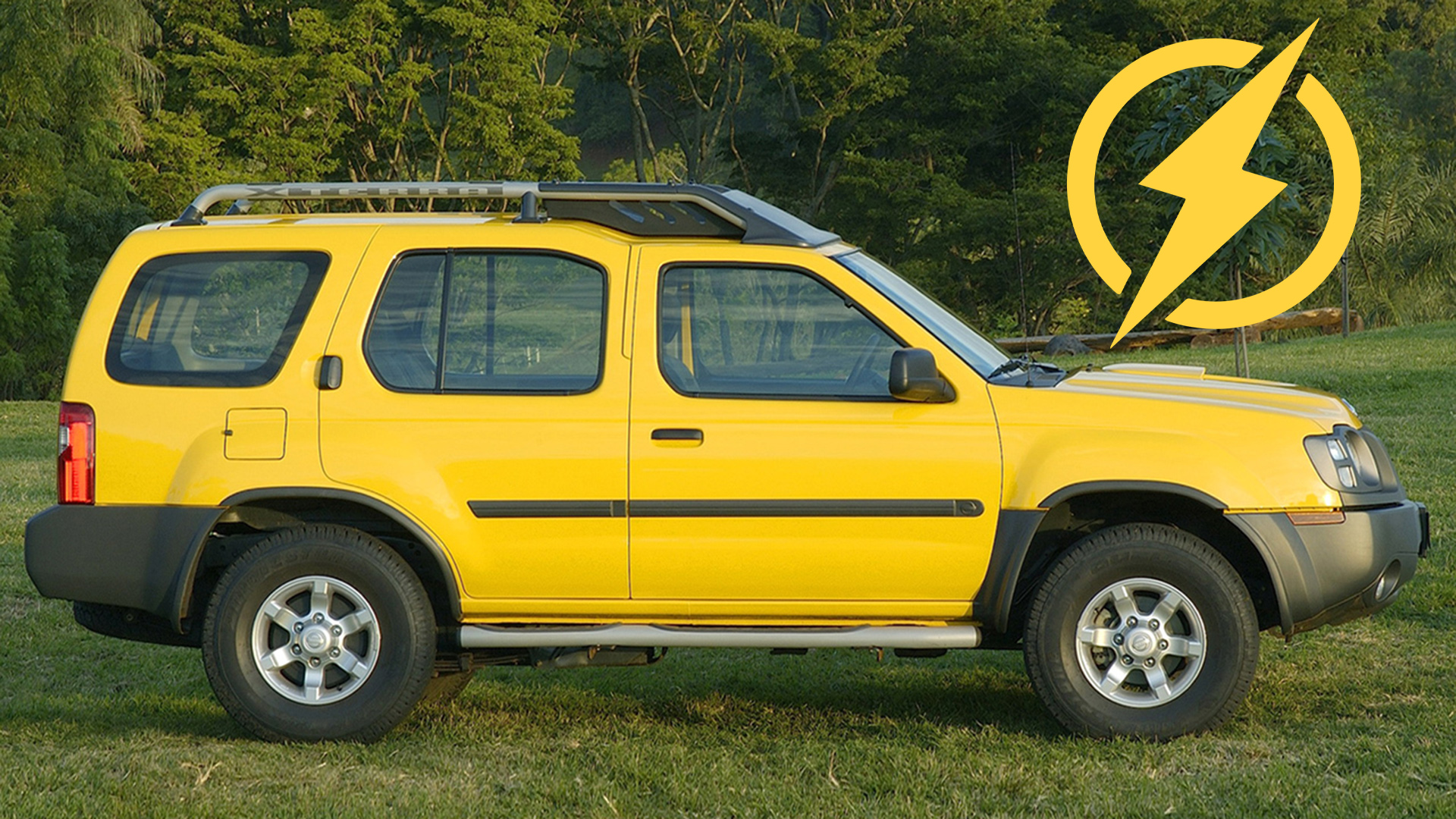
Photo · The Drive
There's a version of this story where Nissan does what every other automaker is quietly doing: forces the hybrid, drops the pure gas option, and calls it progress. They didn't do that. The new Xterra will offer both a hybrid and a straight V6 — no turbo-four, no downsizing apology — and that decision is either a concession to the market or a statement about what the Xterra actually is. Maybe both.
The Drive confirmed the powertrain split directly: buyers who want the V6 without electrification can have it. Full stop. In an era when "choice" usually means choosing between two trim levels of the same compromised engine, that's not nothing.
The Off-Road Math Doesn't Lie
Hybrids have gotten genuinely good. The technology works. But the off-road community has a long memory and a specific set of demands — sustained low-end torque, heat management on extended climbs, simplicity when you're three hours from a service center. The V6 has answered those questions for decades. The hybrid is still writing its résumé.
Nissan's move here isn't anti-electric sentiment. It's product realism. They're not saying hybrids are wrong. They're saying this particular buyer, in this particular use case, hasn't been fully convinced yet — and forcing the issue would be worse than letting the technology prove itself on its own timeline.
There's something almost refreshing about that logic in an industry that keeps announcing the death of things that keep not dying.
The Bigger Picture Is Leaner
Zoom out, and the Xterra powertrain story is one thread in a more complicated fabric. According to coverage from Driving, Nissan's longer-term plan involves shrinking its global lineup, cutting production costs, and folding AI more deliberately into its driver-assist systems. The new Xterra — confirmed for Canada in that same report — fits inside a strategy that's simultaneously contracting and evolving.
That tension is worth sitting with. A company paring down its portfolio while still maintaining two distinct powertrain paths on a single model isn't being indecisive. It's being specific. They know who buys the Xterra. They know why. And they've apparently decided that alienating that buyer with a mandate nobody asked for is a worse outcome than carrying two powertrains through development.
Cost-cutting and customer respect don't always point in the same direction. Here, they seem to.
The V6 was never the problem. It was always the answer to a very specific question — and Nissan, at least for now, is still asking it.
Keep reading cars.

800 Horsepower, One Ton of Doubt
Lamborghini built the most powerful SUV it's ever made. It's also slower than what it replaced.

£11,990 Draws a Line Under Every Excuse You Had Left
Dacia just made the cheapest new car in Britain electric — and that's not a footnote, it's a verdict.
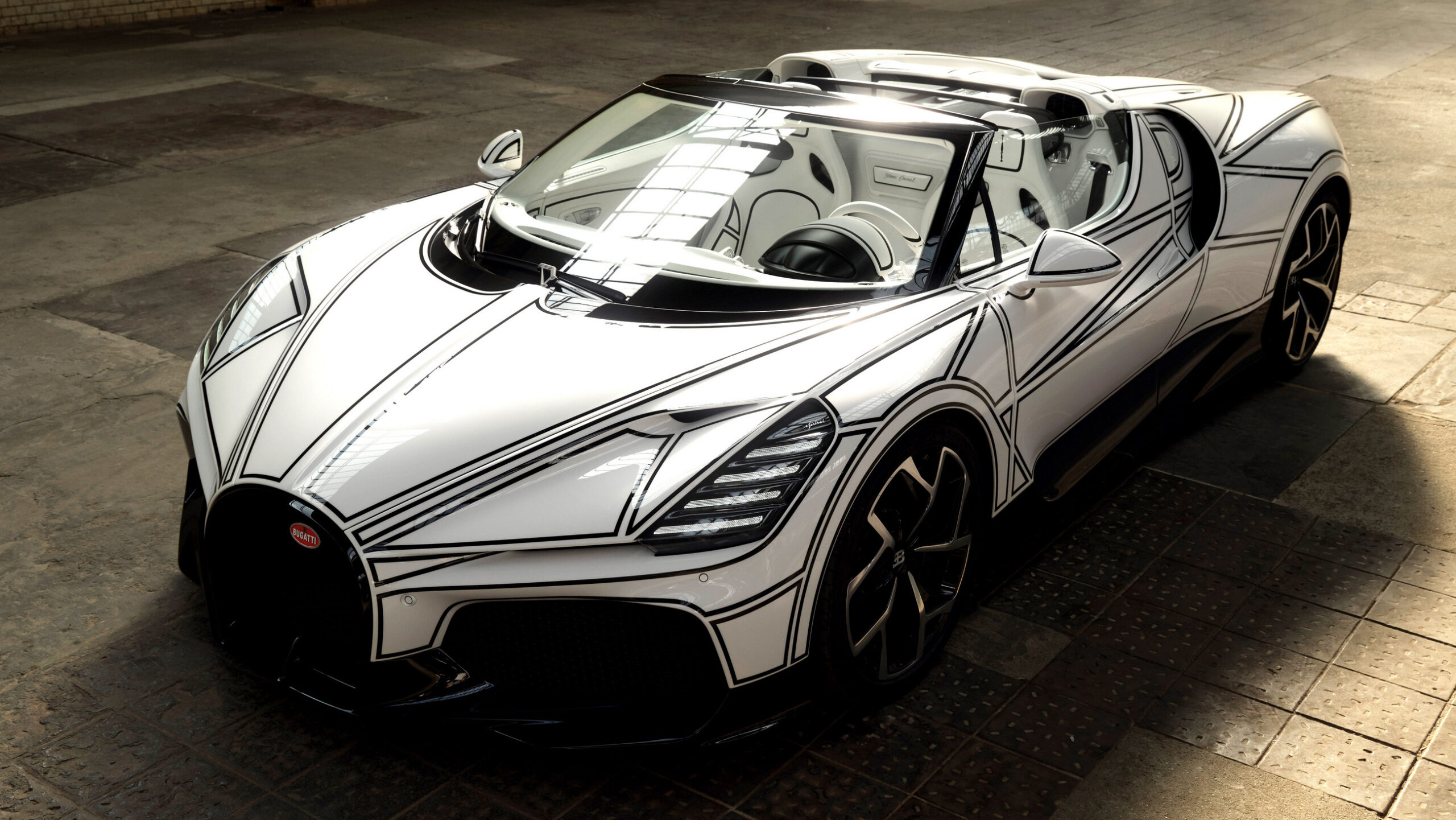
Blanc Éternel Hides Its Speed Behind a Gas Cap
Bugatti built a 261-mph roadster and made sure you'd notice the porcelain first.
From the other desks.

Gold Leaf on a Lacquer Dial, and the Weight of What That Costs
Awake's Frosted Leaf Royal Blue asks a question Vietnamese craft has never quite had to answer at this price.

ESPN Named Him. Then Unnamed Him. Nobody's Explaining the Gap.
A retraction without a reckoning is just a deleted link.

Hide My Email Has Been Showing Your Email
Apple's privacy flagship has a hole in it. They've known for over a year.