Nobody Waited for the Future. They Bought a Hybrid.
Gas above four dollars has a way of clarifying what people actually want — and it turns out it isn't a charging cable.
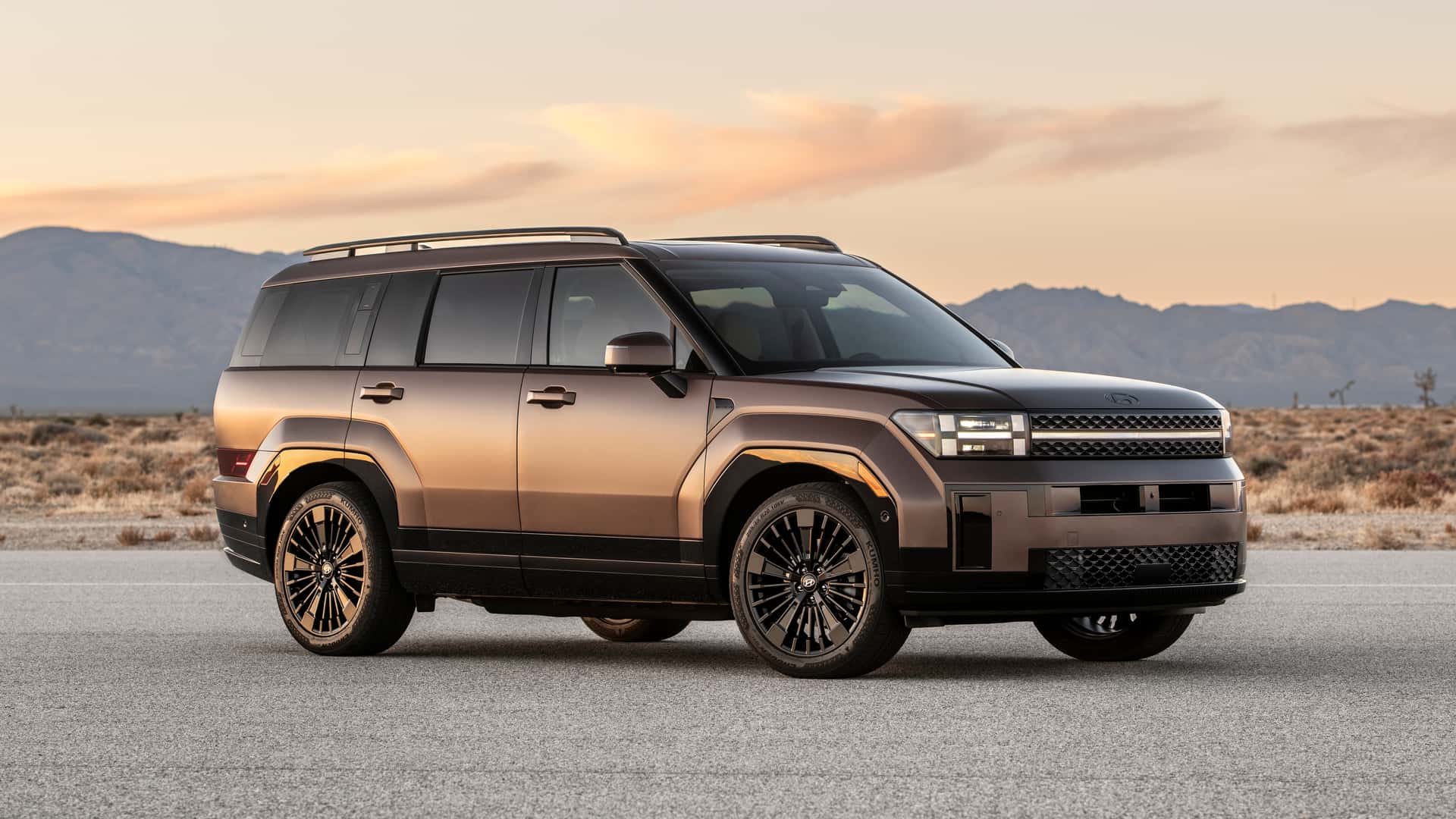
Photo · InsideEVs - Articles
The math stopped being abstract
Over four dollars a gallon has a way of focusing the mind. Not in the abstract, policy-paper sense — in the pull-up-to-the-pump-and-feel-it sense. And when consumers started feeling it, they didn't scroll through EV range calculators or search for the nearest fast charger. They bought hybrids. A lot of them.
InsideEVs reported that Hyundai and Kia are seeing their hybrid lineups surge amid sustained high gas prices — the Santa Fe and the Sportage, specifically, pulling serious numbers. Meanwhile, TheTruthAboutCars noted that May marked the first month in 2026 where more automakers reported sales gains than losses, with hybrid demand leading the recovery. Two sources, same story. The hybrid is no longer a compromise. It's the product.
There's something worth sitting with in that. The industry spent the better part of a decade telling consumers that EVs were the destination and everything else was a layover. The charging infrastructure would materialize. The range anxiety would fade. The prices would come down. And consumers — reasonable, patient, occasionally burned-by-hype consumers — listened politely and kept watching their gas gauge.
The transition that isn't transitioning
What the sales data actually shows is that the hybrid era isn't a bridge to somewhere else. It might just be where people live. A Sportage hybrid starts your engine when it needs to and runs electric when it can, doesn't ask you to reroute your road trip around a charging stop, and doesn't penalize you for living somewhere that hasn't built out the infrastructure yet. That's not a compromise. That's a solved problem.
The EV conversation — important, ongoing, genuinely necessary in the long arc — has always had a gap between the people writing about it and the people buying cars. One critic might argue that the future is clearly electric. The buyer in front of the dealership has a commute, a budget, and a gas station two blocks from the house. They'll meet the future when the future meets them.
Hyundai and Kia, to their credit, seem to have figured this out earlier than most. The Santa Fe and Sportage aren't positioned as reluctant stepping stones. They're just well-built vehicles that happen to solve the immediate problem people are walking in with. That's not a narrative. That's a product.
The broader industry rebound TheTruthAboutCars described isn't a coincidence of timing — it's a signal. When the market softens and then recovers, what leads the recovery tells you what people actually trust. Right now, they trust the hybrid. Not because they've given up on the electric future, but because they're living in the present, and the present costs four dollars a gallon.
The most honest thing the auto industry could do right now is stop calling this a transition.
Keep reading cars.

800 Horsepower, One Ton of Doubt
Lamborghini built the most powerful SUV it's ever made. It's also slower than what it replaced.

£11,990 Draws a Line Under Every Excuse You Had Left
Dacia just made the cheapest new car in Britain electric — and that's not a footnote, it's a verdict.
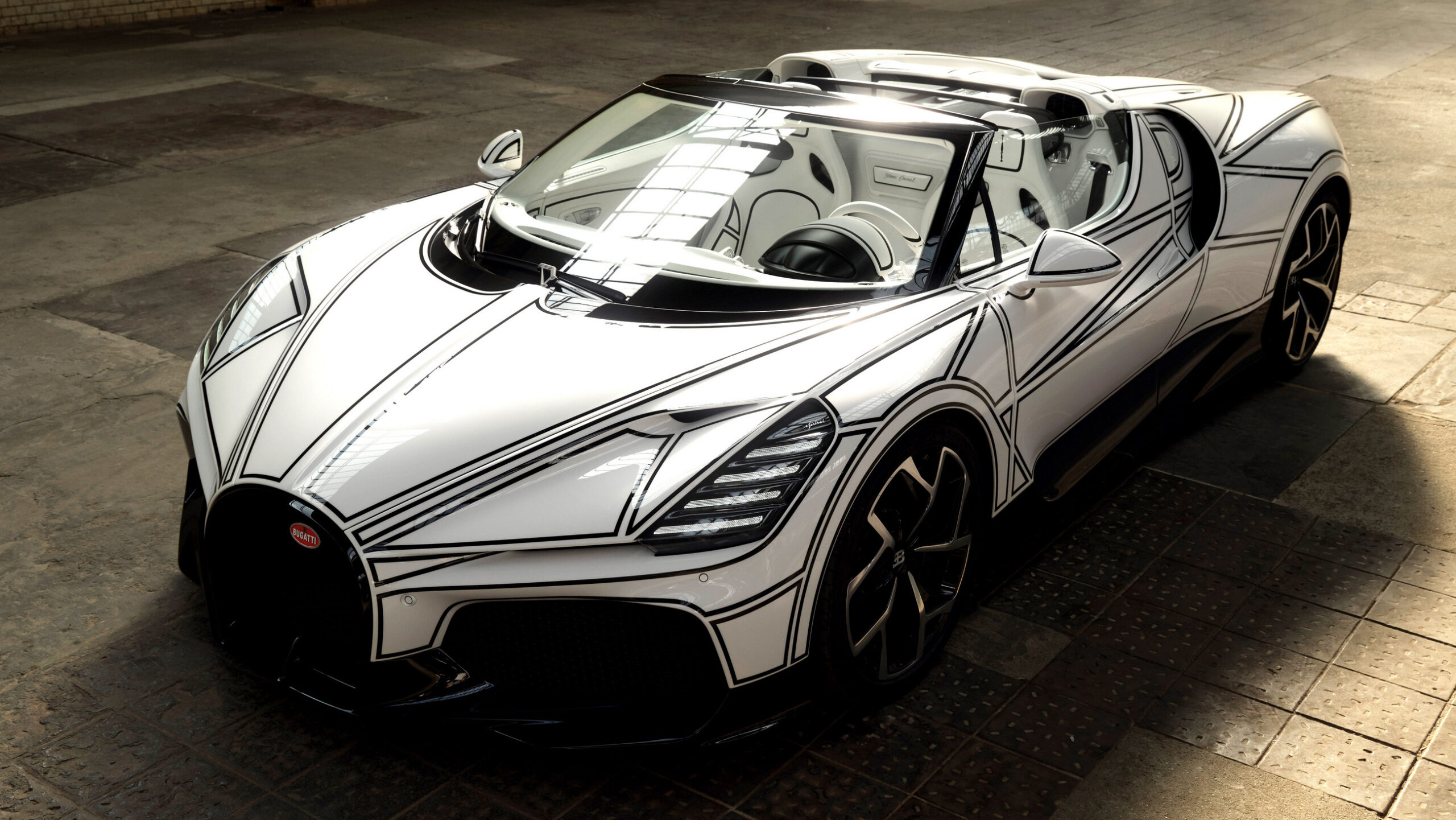
Blanc Éternel Hides Its Speed Behind a Gas Cap
Bugatti built a 261-mph roadster and made sure you'd notice the porcelain first.
From the other desks.

Gold Leaf on a Lacquer Dial, and the Weight of What That Costs
Awake's Frosted Leaf Royal Blue asks a question Vietnamese craft has never quite had to answer at this price.

ESPN Named Him. Then Unnamed Him. Nobody's Explaining the Gap.
A retraction without a reckoning is just a deleted link.

Hide My Email Has Been Showing Your Email
Apple's privacy flagship has a hole in it. They've known for over a year.