Polestar Found a Door. It Goes Through Canada.
A beloved EV is back in North America — but the path it took says more about trade walls than horsepower.

Photo · InsideEVs - Articles
The Car Didn't Change. The Map Did.
Somewhere between the engineering that made the Polestar 2 a genuine fan favorite and the showroom where a buyer eventually signs for one, there is now a border crossing. A tariff schedule. A political calculation made in a building far from any test track.
A writer at InsideEVs is marking the return of the Polestar 2 to North American sale — and the mechanism that made it possible is worth sitting with. The car is coming back because Canada remains open to Chinese-built electric vehicles in a way the United States currently is not. That's the whole architecture of this story. Not a refresh, not a new powertrain, not a pricing breakthrough. A geography.
The Polestar 2 is built in China. The U.S. has effectively closed that door for now. Canada hasn't. So Polestar walks through the door that's open, and North American buyers — at least some of them, in some provinces — get their car back.
What That Actually Means
There's something clarifying about this moment, and the InsideEVs piece, even in its brevity, captures it: EV market access is no longer primarily a product question. It's a policy question. You can build something people want — something that earned the word favorite from the people who drove it — and still find yourself locked out of a market not because the product failed but because a tariff regime decided the matter first.
That should bother anyone who cares about the actual pace of EV adoption. The argument for tariffs on Chinese-built EVs is real: domestic industry protection, supply chain sovereignty, national economic interest. These aren't nothing. But the consumer standing in a showroom, or more accurately not standing in a showroom because the car they wanted is no longer sold where they live, experiences none of that policy nuance. They experience absence.
The Polestar 2 being described as a fan favorite is not incidental detail. It means this isn't a story about a marginal product finding a marginal market. It's a story about a car people actually responded to getting caught in machinery that has nothing to do with whether it's good.
Canada's position here is worth noting plainly: by staying open, it becomes the conduit. Buyers who want this car and live close enough to the right side of a border may find a way. That's not a loophole exactly — it's just two countries making different calls, with different consequences for the same product.
What this reveals, more than anything, is that the EV transition is not a clean technological story. It's a geopolitical one. Range anxiety was supposed to be the friction. Turns out trade policy has a longer range.
Keep reading cars.

800 Horsepower, One Ton of Doubt
Lamborghini built the most powerful SUV it's ever made. It's also slower than what it replaced.

£11,990 Draws a Line Under Every Excuse You Had Left
Dacia just made the cheapest new car in Britain electric — and that's not a footnote, it's a verdict.
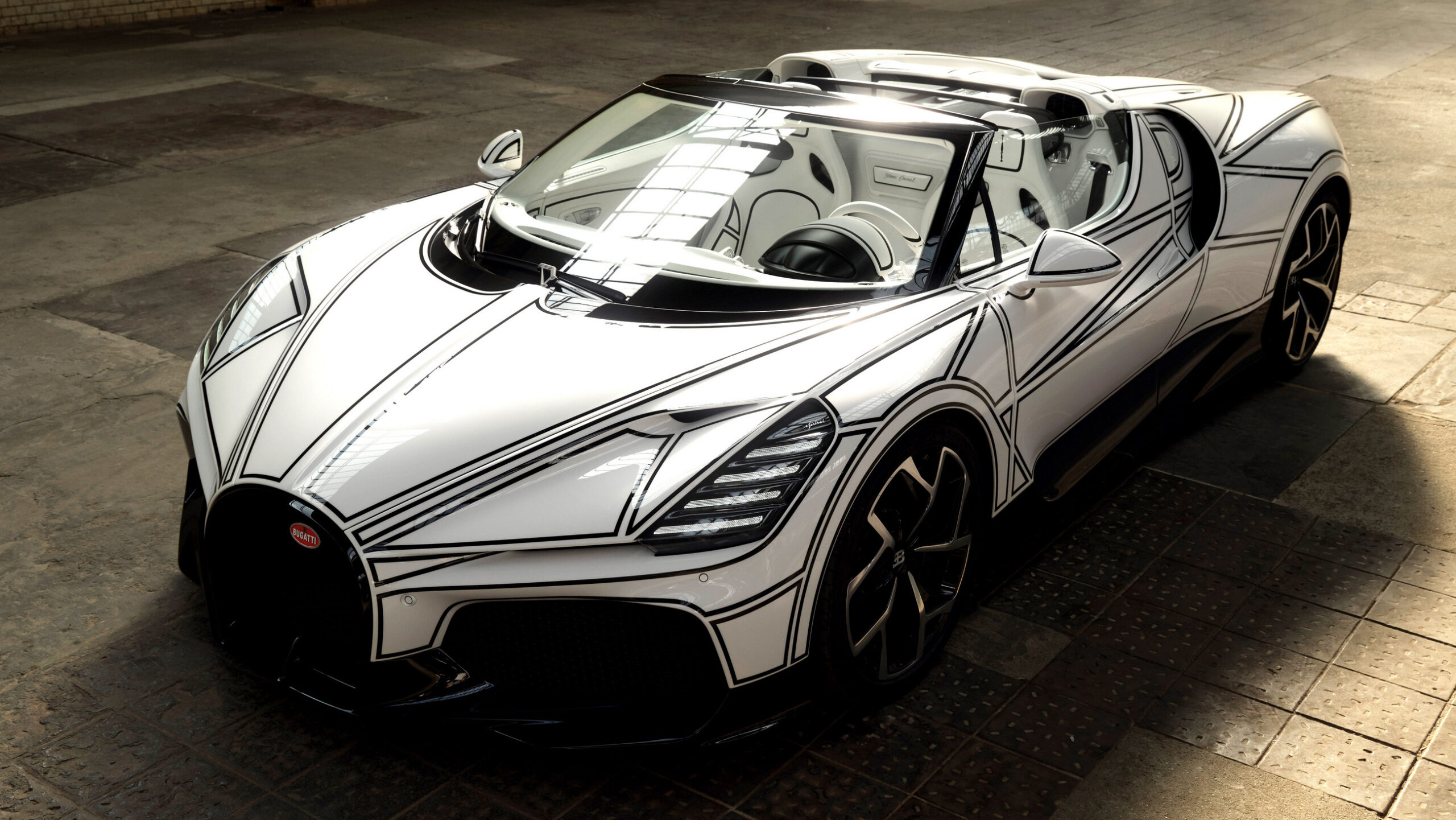
Blanc Éternel Hides Its Speed Behind a Gas Cap
Bugatti built a 261-mph roadster and made sure you'd notice the porcelain first.
From the other desks.

Gold Leaf on a Lacquer Dial, and the Weight of What That Costs
Awake's Frosted Leaf Royal Blue asks a question Vietnamese craft has never quite had to answer at this price.

ESPN Named Him. Then Unnamed Him. Nobody's Explaining the Gap.
A retraction without a reckoning is just a deleted link.

Hide My Email Has Been Showing Your Email
Apple's privacy flagship has a hole in it. They've known for over a year.