Porsche Looked at a Hyundai and Said 'That's the Standard'
When a Stuttgart legend benchmarks a Korean EV for driving feel, the theater of fake gears and artificial exhaust notes starts looking very expensive and very hollow.
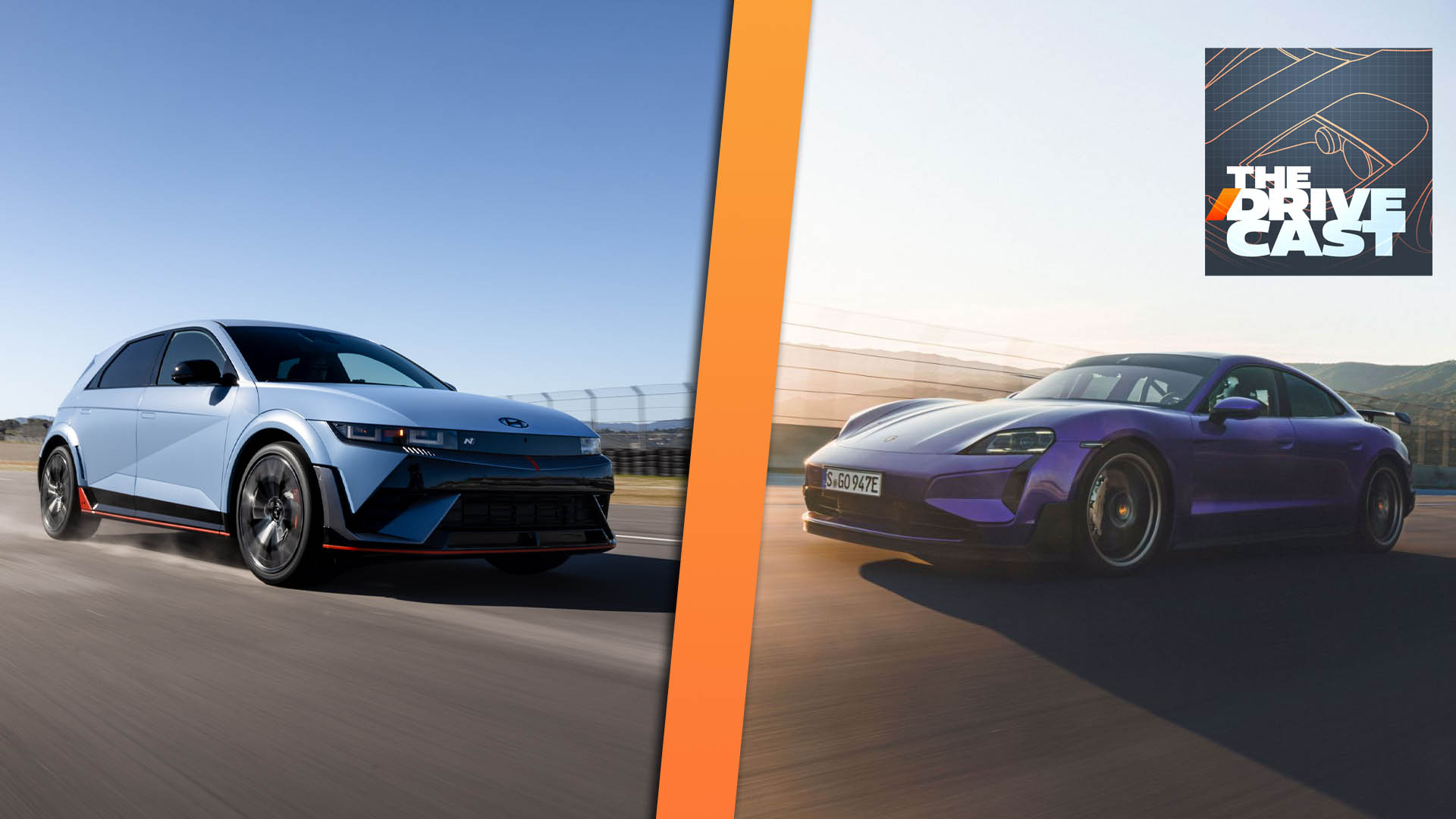
Photo · The Drive
There's a confession buried inside a piece at The Drive, and it deserves to be read slowly. Porsche — Porsche — has apparently identified Hyundai as the benchmark for fun in an electric vehicle. Not a rival from Stuttgart. Not a legacy sports brand with decades of chassis tuning mythology. Hyundai.
Sit with that for a moment.
The Theater Is Getting Tired
The automotive industry's dominant response to electrification has been to simulate what was lost. Fake gear shifts. Synthesized exhaust pumped through cabin speakers. The logic is understandable, even sympathetic — enthusiasts mourned something real when the internal combustion engine started disappearing from the conversation, and manufacturers wanted to soften that loss. But simulation is not feeling. A stage set is not a room.
The Drive's piece frames this tension clearly: legacy brands are grafting performance theater onto their EVs while startups like Rivian and Lucid have largely declined to play that game. The startups aren't apologizing for being electric. They're not cosplaying as something else. Whatever they are, they're committing to it.
That distinction matters more than it might appear. Because the enthusiast community — the people who actually care about how a car drives, not just how fast it goes — can feel the difference between something engineered to be honest and something engineered to feel familiar. One earns the sensation. The other just references it.
What Porsche Actually Said
The fact that Porsche engineers looked at what Hyundai built and identified it as the target — not for efficiency, not for value, but for fun — is a small seismic event in automotive culture. Porsche has a specific, hard-won definition of what driving should feel like. They do not hand out that designation carelessly.
For Hyundai to receive it means someone in that company made decisions that prioritized the physical, sensory experience of driving an EV over everything else that usually wins internal arguments: range anxiety headlines, charging infrastructure optics, price point positioning. They built for feel. And apparently it registered.
What's interesting isn't just that Hyundai made something good. It's that the acknowledgment came from that particular source. Porsche naming Hyundai as the bar is the automotive equivalent of a Michelin chef recommending a neighborhood spot — not because it's cheap, but because it's right.
The fake-gear crowd should pay attention to what that implies. If the metric is authenticity of experience, you cannot manufacture your way there. You can't synthesize your way into being the benchmark. The shortcut is also the dead end.
Startups, for all their stumbles and overruns and missed delivery windows, built from a blank page. No heritage to protect. No loyal customer base expecting a certain sound at a certain RPM. That constraint turned out to be a gift — it forced honesty about what an EV actually is, and what it can feel like when you stop apologizing for what it isn't.
The legacy brands spent years telling enthusiasts that the electric future would feel like the past. Porsche just quietly admitted who figured out the present.
Keep reading cars.

800 Horsepower, One Ton of Doubt
Lamborghini built the most powerful SUV it's ever made. It's also slower than what it replaced.

£11,990 Draws a Line Under Every Excuse You Had Left
Dacia just made the cheapest new car in Britain electric — and that's not a footnote, it's a verdict.
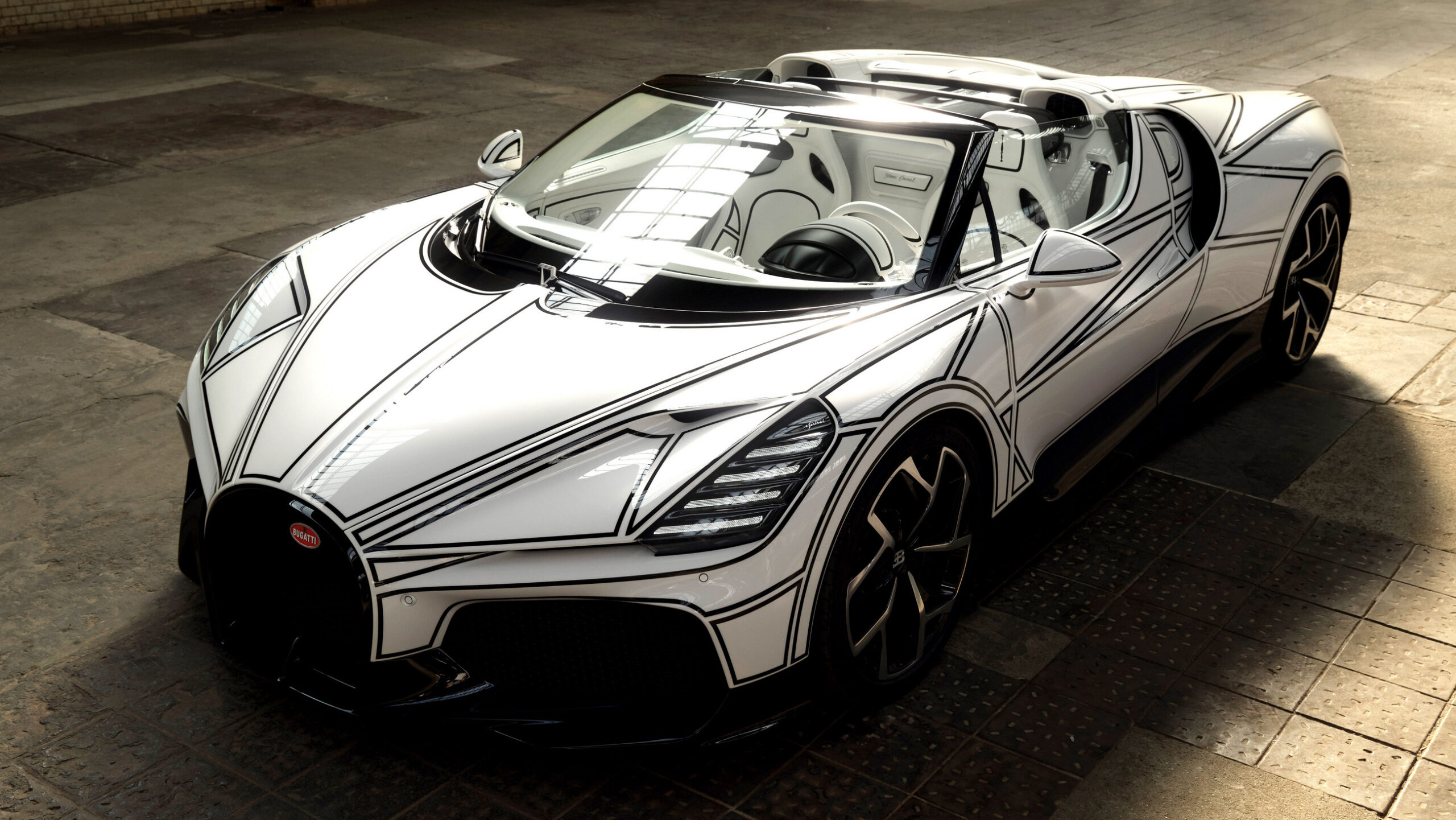
Blanc Éternel Hides Its Speed Behind a Gas Cap
Bugatti built a 261-mph roadster and made sure you'd notice the porcelain first.
From the other desks.

Gold Leaf on a Lacquer Dial, and the Weight of What That Costs
Awake's Frosted Leaf Royal Blue asks a question Vietnamese craft has never quite had to answer at this price.

ESPN Named Him. Then Unnamed Him. Nobody's Explaining the Gap.
A retraction without a reckoning is just a deleted link.

Hide My Email Has Been Showing Your Email
Apple's privacy flagship has a hole in it. They've known for over a year.