Raging Bull, Bottled
Lamborghini is selling $558 perfume, and the honesty of that transaction is the most interesting thing they've done in years.
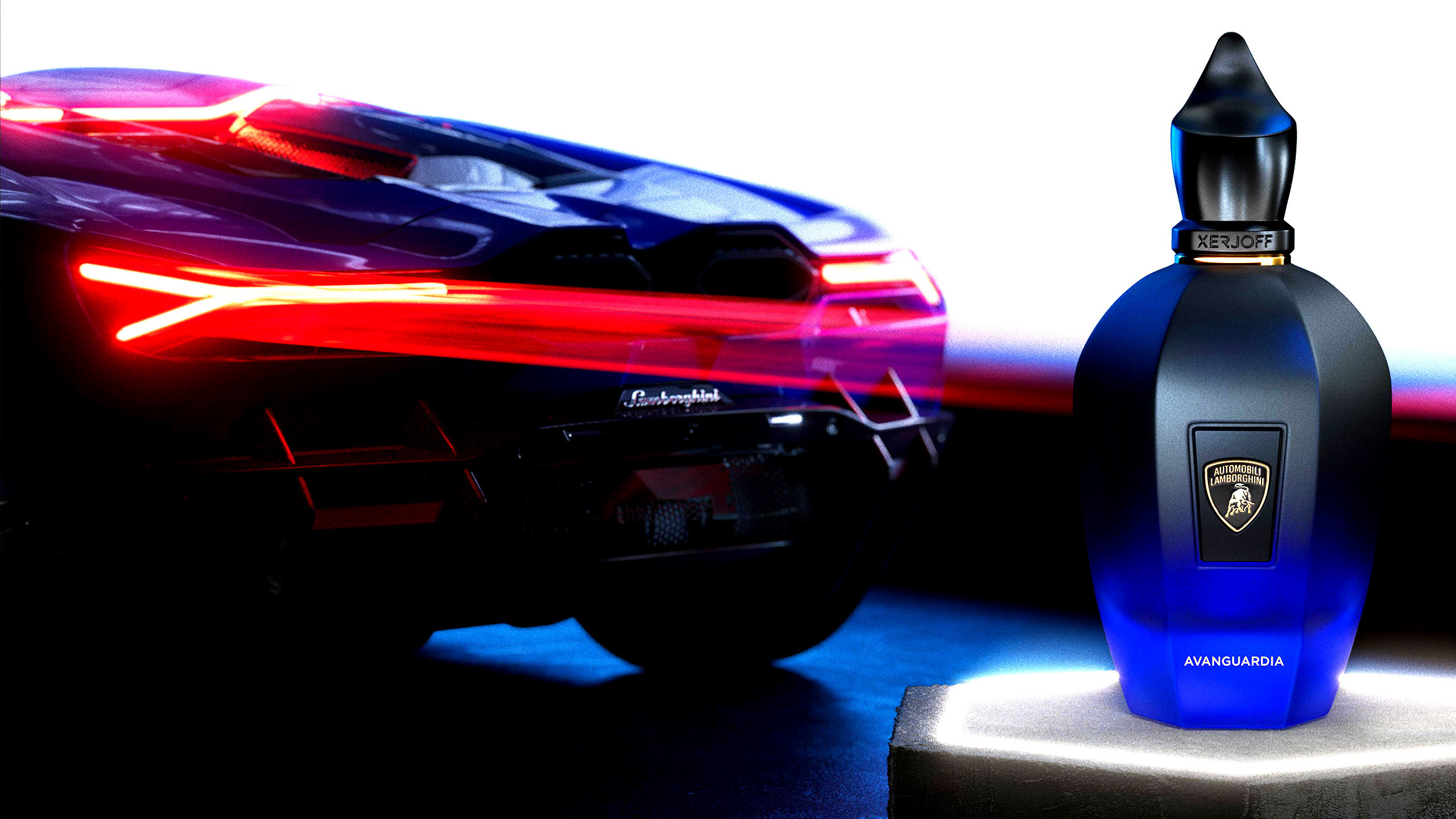
Photo · Carscoops
There's a version of this story where we're supposed to be offended. A supercar brand — one whose cars cost more than most people's houses — has started selling perfume. The cheapest bottle runs $558. You're meant to feel the condescension in that, the brazen reach downmarket dressed up in Sant'Agata mythology.
I don't feel that. I feel something closer to respect for the candor.
The Velvet Rope Was Always a Revenue Model
A writer at Carscoops framed it with a headline sharp enough to leave a mark: you can smell like a Lambo since you'll never park one. It's a joke with a balance sheet inside it. Because what that framing actually exposes isn't cynicism on Lamborghini's part — it's clarity. The brand has always sold more than cars. It sold the idea of a car. The silhouette, the scissor door, the color that doesn't exist in nature. The perfume is just that idea, decanted and made portable.
For $558, you are not buying proximity to performance. You are buying a signal. Same as the keychain, the cap, the quarter-scale model on the shelf. The difference is that a perfume disappears into your skin and nobody can tell if you earned it or bought it. There's something almost democratic in that — a luxury object that requires no provenance check.
The supercar business figured out decades ago that the cars are the advertisement and the merchandise is the margin. Lamborghini selling fragrance isn't a departure from that model. It's the model, fully realized.
What It Actually Says About the Moment
Here's what I keep turning over: the fact that a serious automotive outlet felt it worth covering — with that specific headline, in that specific register — tells you something about where we are with supercar culture right now.
There's fatigue. The hypercar arms race has been running so long and so loud that somewhere along the way the cars started feeling like press releases. Thousand-horsepower numbers announced at auto shows, delivered to waiting lists, photographed by people who will never drive them hard. The machine as object. The machine as status artifact. And now, logically, inevitably, the machine as scent.
The Carscoops piece isn't really about perfume. It's about the gap between what these brands say they are — raw, dangerous, driver-focused — and what they've become: lifestyle companies with engineering departments. The perfume just made that gap impossible to ignore.
And yet. And yet I don't think the car got worse because the perfume exists. A V12 doesn't care what else the brand sells. The driving experience — if you're one of the people who gets one — isn't diluted by a bottle on someone else's bathroom counter. Performance and commerce have always coexisted in motorsport. Always will.
What Lamborghini did by launching this isn't betray the car. It's just stop pretending the car was ever the only thing they were selling you.
The scent costs $558. The self-awareness is free.
Keep reading cars.

800 Horsepower, One Ton of Doubt
Lamborghini built the most powerful SUV it's ever made. It's also slower than what it replaced.

£11,990 Draws a Line Under Every Excuse You Had Left
Dacia just made the cheapest new car in Britain electric — and that's not a footnote, it's a verdict.
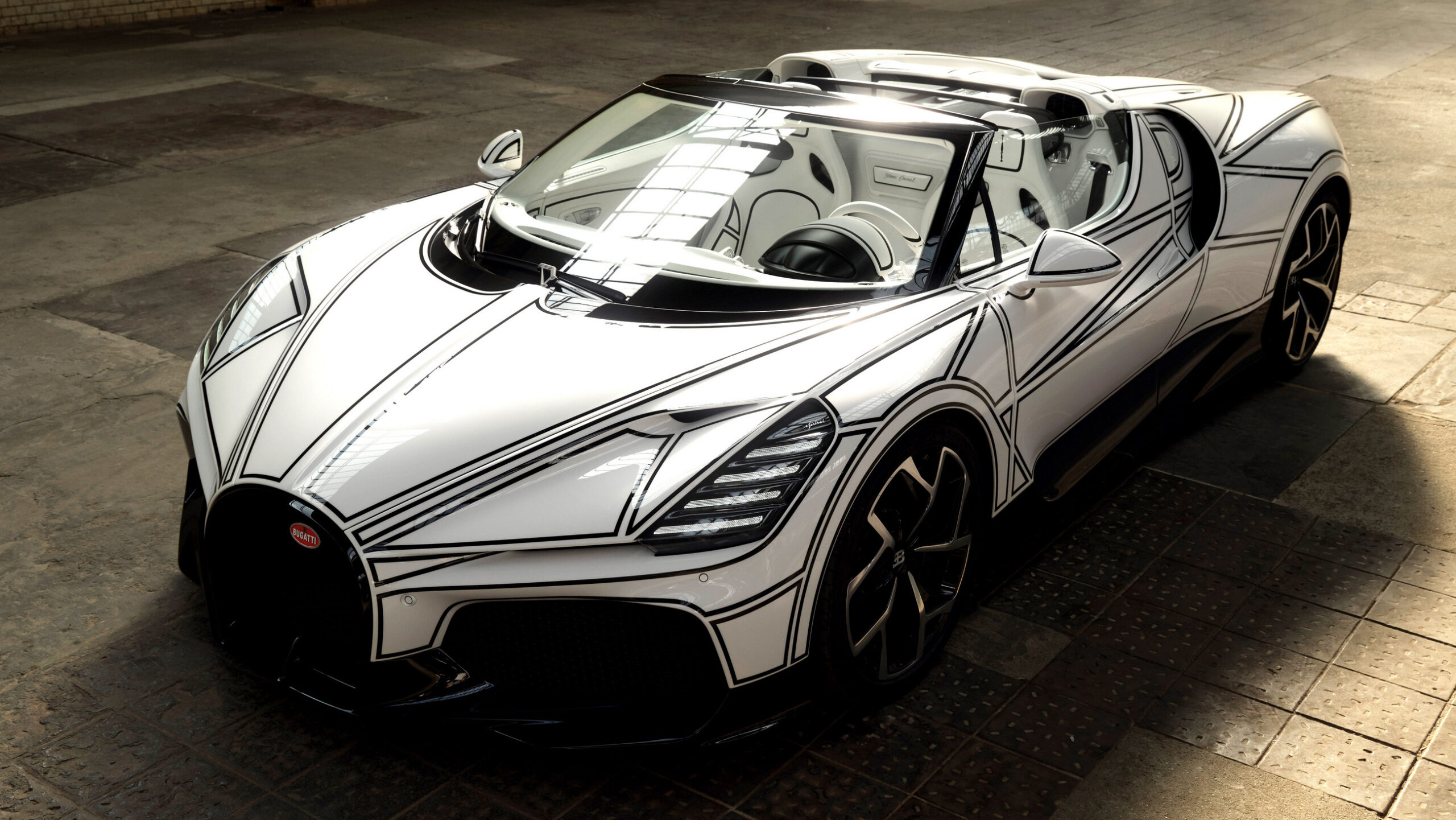
Blanc Éternel Hides Its Speed Behind a Gas Cap
Bugatti built a 261-mph roadster and made sure you'd notice the porcelain first.
From the other desks.

Gold Leaf on a Lacquer Dial, and the Weight of What That Costs
Awake's Frosted Leaf Royal Blue asks a question Vietnamese craft has never quite had to answer at this price.

ESPN Named Him. Then Unnamed Him. Nobody's Explaining the Gap.
A retraction without a reckoning is just a deleted link.

Hide My Email Has Been Showing Your Email
Apple's privacy flagship has a hole in it. They've known for over a year.