Red Bull Found 7 Kilograms It's Afraid to Lose
When removing weight makes a car slower, you've learned something about the ceiling of optimization.
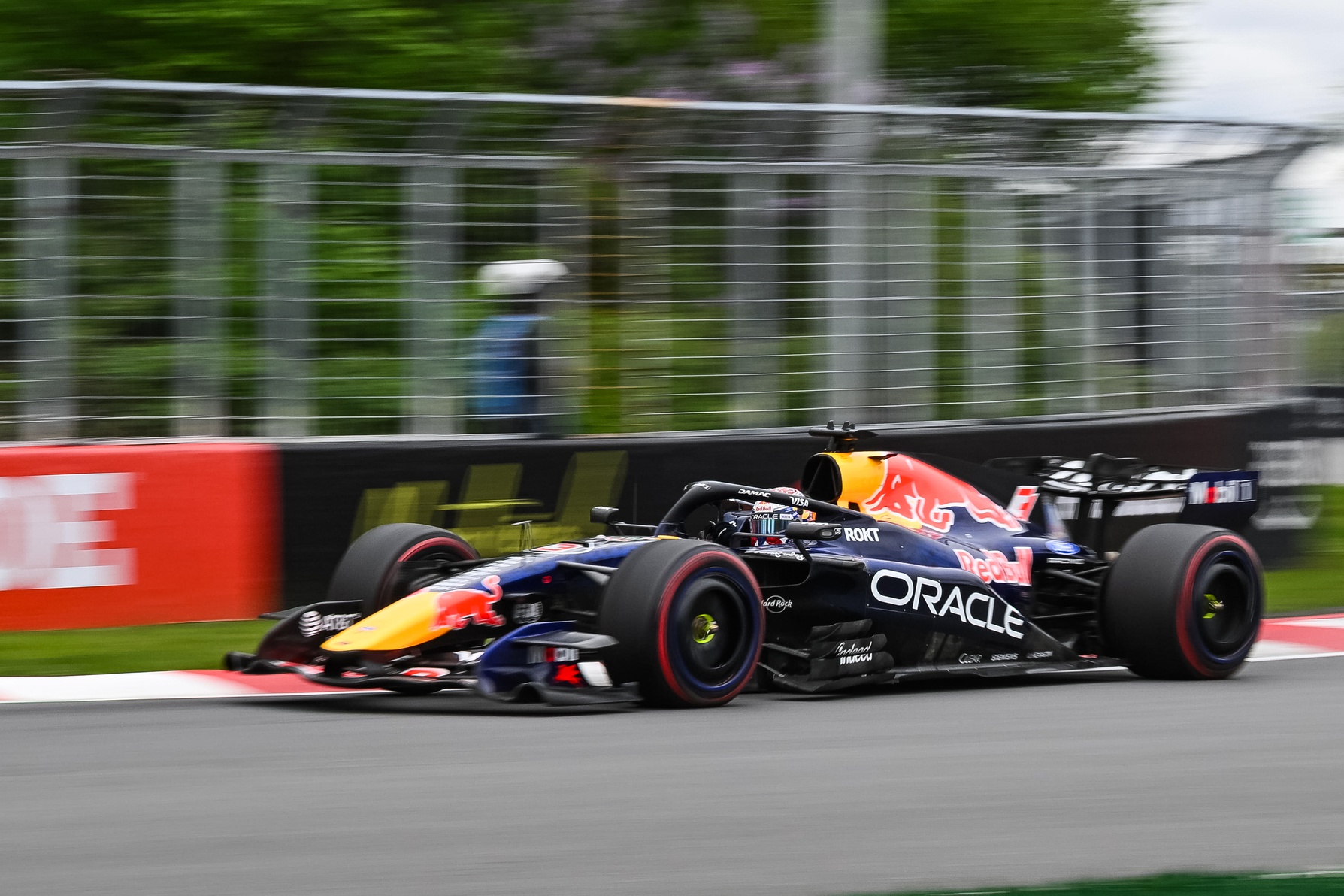
Photo · MotorBiscuit
There's a version of engineering where every answer is obvious. Less weight means more speed. More downforce means more grip. You iterate, you improve, you win. Formula 1 teams have operated inside that logic for decades, spending fortunes to shave mass measured in grams. And then Red Bull walked into a wall.
A writer at MotorBiscuit has reported that the team in Milton Keynes is sitting on roughly 7 kilograms of dead weight aboard the RB22 — and is afraid to cut it. Not because of cost. Not because of timeline. Because removing it could break the car's handling entirely. That's the story. That's the one worth sitting with.
When the Math Stops Working
In almost any other engineering context, that sentence wouldn't make sense. Dead weight is dead weight. You find it, you remove it, you move on. But Formula 1 cars are tuned so precisely to their own behavior — the aerodynamics, the suspension geometry, the tire loads — that mass isn't just mass anymore. It's a variable in a system that has been calibrated around its presence. Pull it out and the system recalibrates around its absence, and not necessarily in your favor.
What Red Bull appears to have discovered is that the RB22's handling characteristics are, at least in part, a function of where that weight sits and how it interacts with everything else on the car. The 7 kilograms isn't dead in the way a forgotten bolt is dead. It's load-bearing in a way the team apparently didn't fully anticipate — or didn't anticipate becoming a problem until now.
This is what optimization looks like when it runs out of room. You've already found every easy gain. The remaining mass isn't fat. It's structural to the behavior of the machine, even if it wasn't designed to be.
The Paradox Doesn't Embarrass Anyone
It's tempting to read this as a Red Bull failure. It isn't. Or at least, it isn't only that. What it actually reveals is something more interesting: that the cars in Formula 1 have gotten so thoroughly optimized that the remaining inefficiencies are load-bearing. You can't extract them cleanly because nothing is separate from anything else anymore. Every kilogram that's still on the car has survived years of engineers asking whether it needed to be there. The ones that survived did so for a reason, even if that reason is now inconvenient.
The teams that figured this out a decade ago are running lighter. Red Bull is learning it now, mid-season, with a car that might be fast enough to compete but not quite fast enough to dominate — and with a chunk of recoverable weight it can't responsibly recover.
That's a specific kind of frustration. Not the frustration of lacking resources or talent, but the frustration of being close enough to see the answer and unable to take it without risking something you can't afford to break.
Seven kilograms in any other context is nothing. In this one, it's a mirror held up to the entire development philosophy of the car. And what it reflects back is a team staring at the ceiling of what iterative refinement can deliver, trying to figure out whether to push through it or work around it.
Sometimes the weight you can't cut tells you more than the weight you already did.
Keep reading cars.

800 Horsepower, One Ton of Doubt
Lamborghini built the most powerful SUV it's ever made. It's also slower than what it replaced.

£11,990 Draws a Line Under Every Excuse You Had Left
Dacia just made the cheapest new car in Britain electric — and that's not a footnote, it's a verdict.

Blanc Éternel Hides Its Speed Behind a Gas Cap
Bugatti built a 261-mph roadster and made sure you'd notice the porcelain first.
From the other desks.

Gold Leaf on a Lacquer Dial, and the Weight of What That Costs
Awake's Frosted Leaf Royal Blue asks a question Vietnamese craft has never quite had to answer at this price.

ESPN Named Him. Then Unnamed Him. Nobody's Explaining the Gap.
A retraction without a reckoning is just a deleted link.

Hide My Email Has Been Showing Your Email
Apple's privacy flagship has a hole in it. They've known for over a year.