Rivian's Software Chief Thinks AI Wins Before the Market Agrees
Wassym Bensaid just told Apple CarPlay users to wait for a future that hasn't arrived yet.
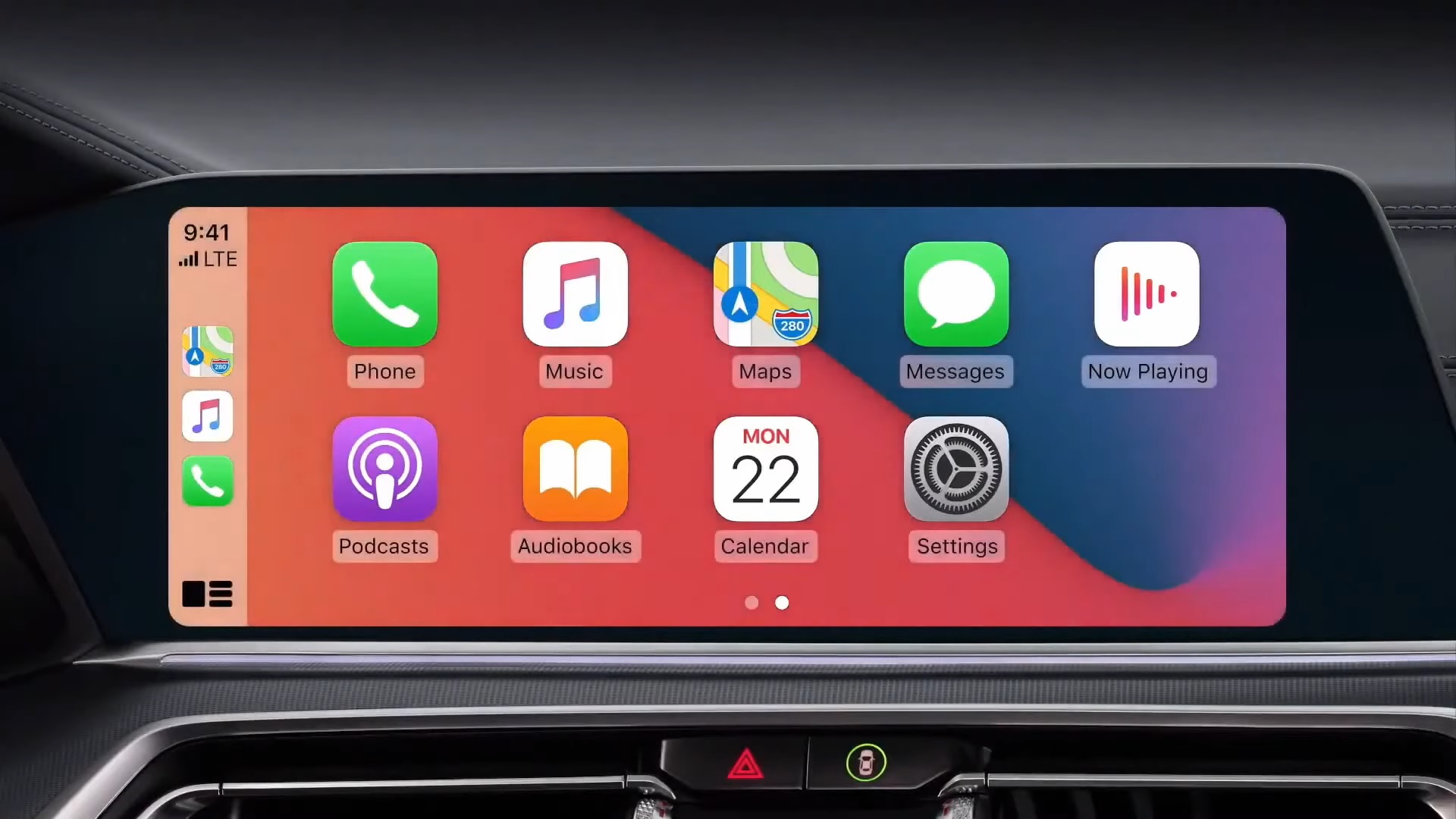
Photo · The Drive
There's a certain kind of confidence that reads as vision until it doesn't. Rivian's software chief Wassym Bensaid went on The Verge's Decoder podcast and said the quiet part at volume: Rivian doesn't want CarPlay because CarPlay takes over every pixel on the screen, and Rivian wants those pixels. What he called a preference for "end-to-end integration" is, in plain terms, a bet — that the thing millions of drivers already depend on will be rendered irrelevant by AI before enough Rivian buyers walk away over it.
That's a big bet. And it deserves more scrutiny than it's getting.
What Bensaid Actually Said
His argument isn't that CarPlay is bad. It's that CarPlay is a stopgap. The logic, as reported from the Decoder episode, runs like this: AI agents will eventually surface the core functionality of any app directly through the vehicle's own interface. You won't need your phone to mirror onto the dash because the car will already know what you need. The CarPlay debate, in his framing, becomes "completely obsolete."
That's not a dismissal. It's a timeline claim. And timelines are where tech confidence tends to get expensive.
The Drive noted that Bensaid framed CarPlay and Android Auto as redundant in an AI-integrated world — not today, but soon enough to justify withholding them now. Which means Rivian owners are being asked to live in the present with a product designed around a future that Bensaid believes in but cannot yet deliver.
The Pixel Problem Is Real — and So Is the Risk
To be fair, Bensaid's pixel argument has technical merit. Screen mirroring solutions do hand over the visual experience wholesale. If you believe the car's interface should breathe with the car — responding to speed, route, driver state, ambient conditions — then handing that canvas to Apple is a genuine concession. It's not irrational to want coherence.
But coherence is only valuable if what replaces CarPlay is better. Right now, for most drivers, it isn't. Not because Rivian's software is bad, but because the AI-native interface Bensaid is describing doesn't fully exist yet. He's asking buyers to trust the roadmap over the road.
And here's the thing about EV buyers in this particular moment: they've already made one leap of faith on infrastructure, range anxiety, and charging networks. Asking them to also forgo the one piece of in-car software that actually works, everywhere, with everything they already own — that's a compounding ask.
Other manufacturers looked at that same ask and blinked. Rivian is still staring.
What This Exposes
The coverage of Bensaid's comments — both from MacRumors and The Drive — treats this mostly as a CarPlay story. I think it's a strategy story. What Rivian is actually doing is staking its software identity on AI integration at a moment when AI integration in cars is still largely theoretical, inconsistent, or demo-stage impressive at best.
If that bet pays off, Rivian looks prescient. The interface will feel native, contextual, alive in a way that mirrored apps never could. The company will have owned the experience end-to-end at exactly the moment drivers started expecting it.
If it doesn't — if AI in the cabin stays clunky or slow to mature — Rivian will have spent years handing competitors a clean talking point. Every CarPlay-equipped rival just has to point at the infotainment screen and say: ours works with your life.
Bensaid knows this. His confidence on the Decoder podcast didn't sound like denial — it sounded like someone who has made peace with the risk and is betting the software team can outrun the market's patience.
Maybe they can. But "the debate will become obsolete" is only a satisfying answer if you're willing to wait for the debate to end.
Keep reading cars.

800 Horsepower, One Ton of Doubt
Lamborghini built the most powerful SUV it's ever made. It's also slower than what it replaced.

£11,990 Draws a Line Under Every Excuse You Had Left
Dacia just made the cheapest new car in Britain electric — and that's not a footnote, it's a verdict.
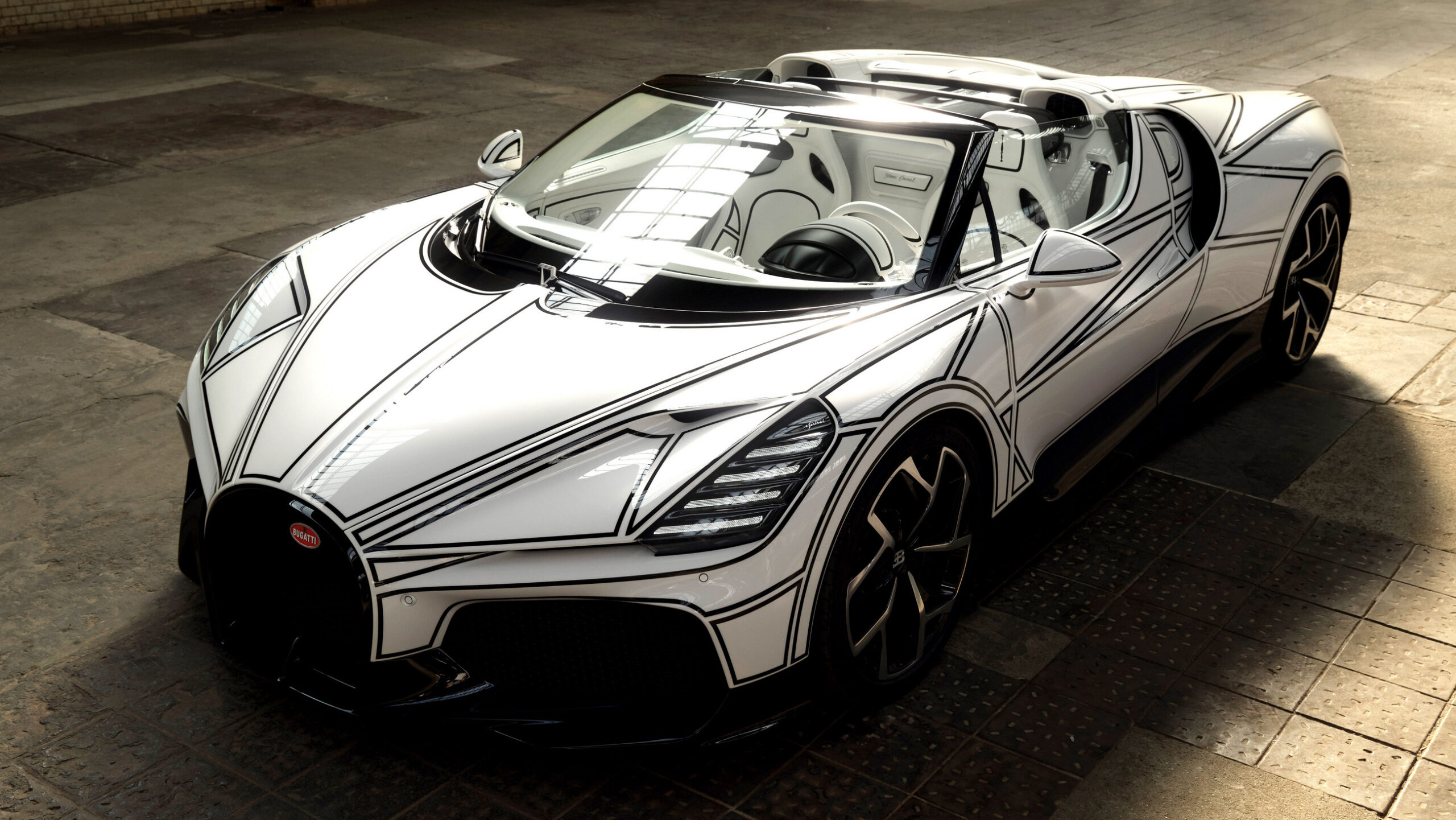
Blanc Éternel Hides Its Speed Behind a Gas Cap
Bugatti built a 261-mph roadster and made sure you'd notice the porcelain first.
From the other desks.

Gold Leaf on a Lacquer Dial, and the Weight of What That Costs
Awake's Frosted Leaf Royal Blue asks a question Vietnamese craft has never quite had to answer at this price.

ESPN Named Him. Then Unnamed Him. Nobody's Explaining the Gap.
A retraction without a reckoning is just a deleted link.

Hide My Email Has Been Showing Your Email
Apple's privacy flagship has a hole in it. They've known for over a year.