Rolls-Royce Built the Engine That Won the War. Someone Put It Back.
A 27-liter Merlin V12 in a 1930 Rolls-Royce body is either the most coherent thing ever built or proof that restraint is overrated.
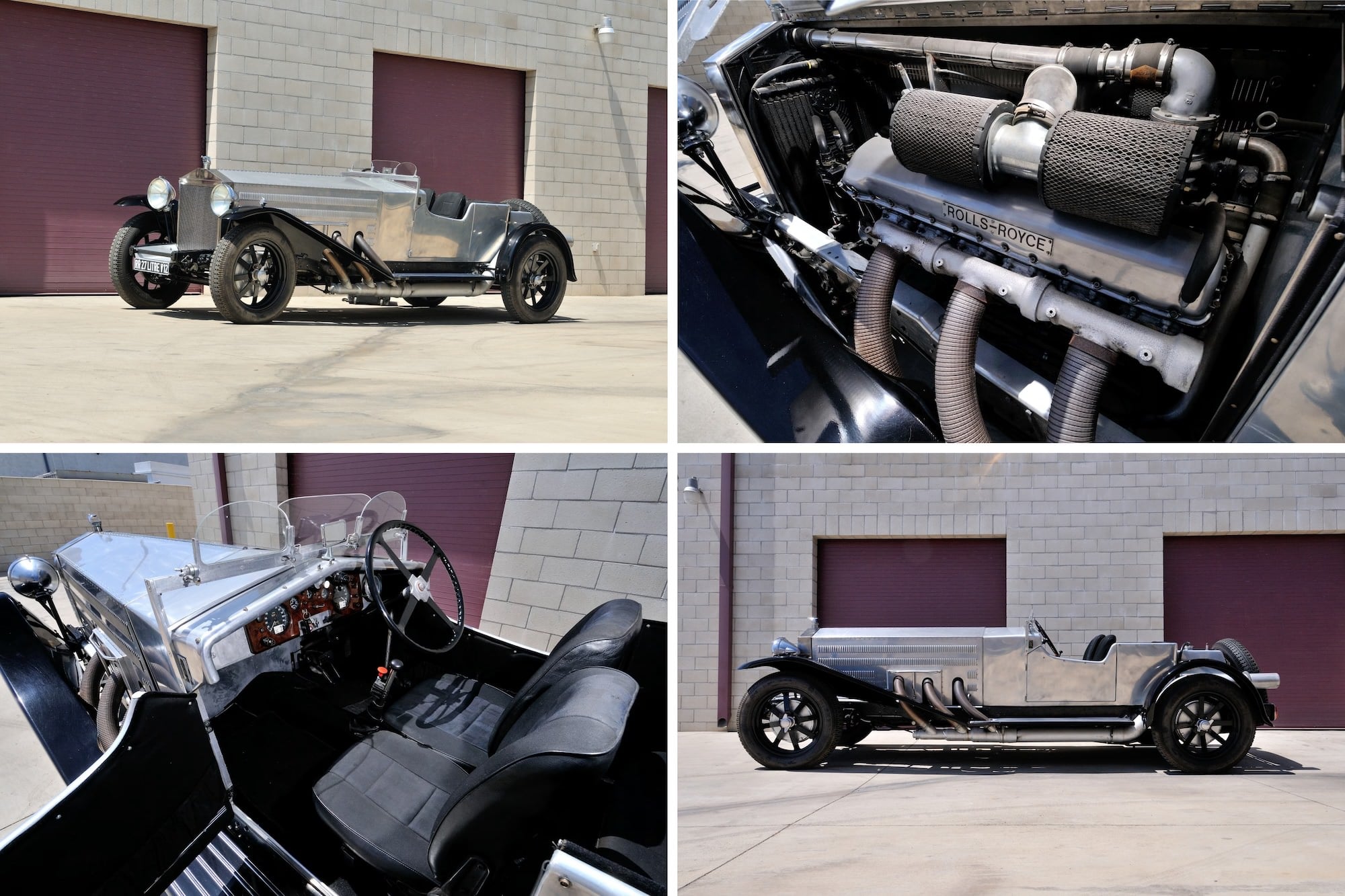
Photo · Silodrome
There's a version of this story where the car is the interesting part. Silodrome isn't telling that version.
What a writer there has surfaced is a 1930 Rolls-Royce — coachwork, proportions, the whole pre-war silhouette — now carrying a 27-liter Merlin V12 aero engine from the Second World War. They're calling it a mystery. They're right to. Nobody seems to know exactly who built it, or when, or why beyond the obvious reason: because it could be done, and once you imagine it, you can't un-imagine it.
The Merlin is the engine. The engine, if you grew up anywhere near aviation history. It powered Spitfires. It powered Hurricanes. The kind of displacement figure — 27 liters — that stops a conversation cold because the brain needs a moment to process the scale. And someone decided the right home for one wasn't a museum or a restoration project. It was a Rolls-Royce body from 1930, long and upright and built for a world that moved at a different speed entirely.
The Swap as Statement
Engine swaps used to be a footnote. The car was the subject; the engine was the modification, disclosed somewhere near the bottom of the listing like a confession. What Silodrome is doing — and getting right — is treating the engine as the headline. Not the Rolls-Royce. The Merlin.
That's a shift worth noticing. For a long time, dropping something wrong-and-powerful into something old-and-respectable felt like vandalism with a wrench. The purists had a point, sometimes. A numbers-matching car is a document. It tells you something true about a specific moment in manufacturing history. Crack that open and you've changed what it is.
But this isn't a numbers-matching Rolls-Royce. This is a 1930 body that someone looked at and saw not a document to preserve but a silhouette to weaponize. The Merlin doesn't desecrate the car. In a strange, almost poetic way, it completes a loop — Rolls-Royce made both the chassis and, through their aero division, the engine. They were always in the same family. Someone just forced an introduction.
What the Mystery Actually Means
Silodrome flags the unknown provenance as part of the appeal, and they're correct. The anonymity is doing real work here. If this thing had a known builder, a documented commission, a name attached — it becomes a different object. A showpiece. An achievement with an author.
Without that, it's something rarer: a machine that just exists. You can't call the guy who built it. You can't ask what he was thinking. You're left with the object itself and the question of whether the idea was brilliant or insane, and the honest answer is that those aren't mutually exclusive.
What I keep returning to is the scale problem. A 27-liter engine in a pre-war body isn't a performance upgrade. It's a philosophical position. It says the car's job isn't transportation or status or even speed in the conventional sense — it's to embody a kind of mechanical excess that the original designers never imagined and probably would have found alarming. The 1930 Rolls-Royce was built for a world of white gloves and unhurried distances. The Merlin V12 was built to keep a Spitfire alive at altitude.
Somebody put those two worlds in the same frame and walked away.
The mystery isn't who built it. The mystery is why it took this long for someone to notice that was always the story.
Keep reading cars.

Ian Callum Loved Jaguar Enough to Say It Out Loud
The man who shaped the brand for two decades looked at its future and found something missing.
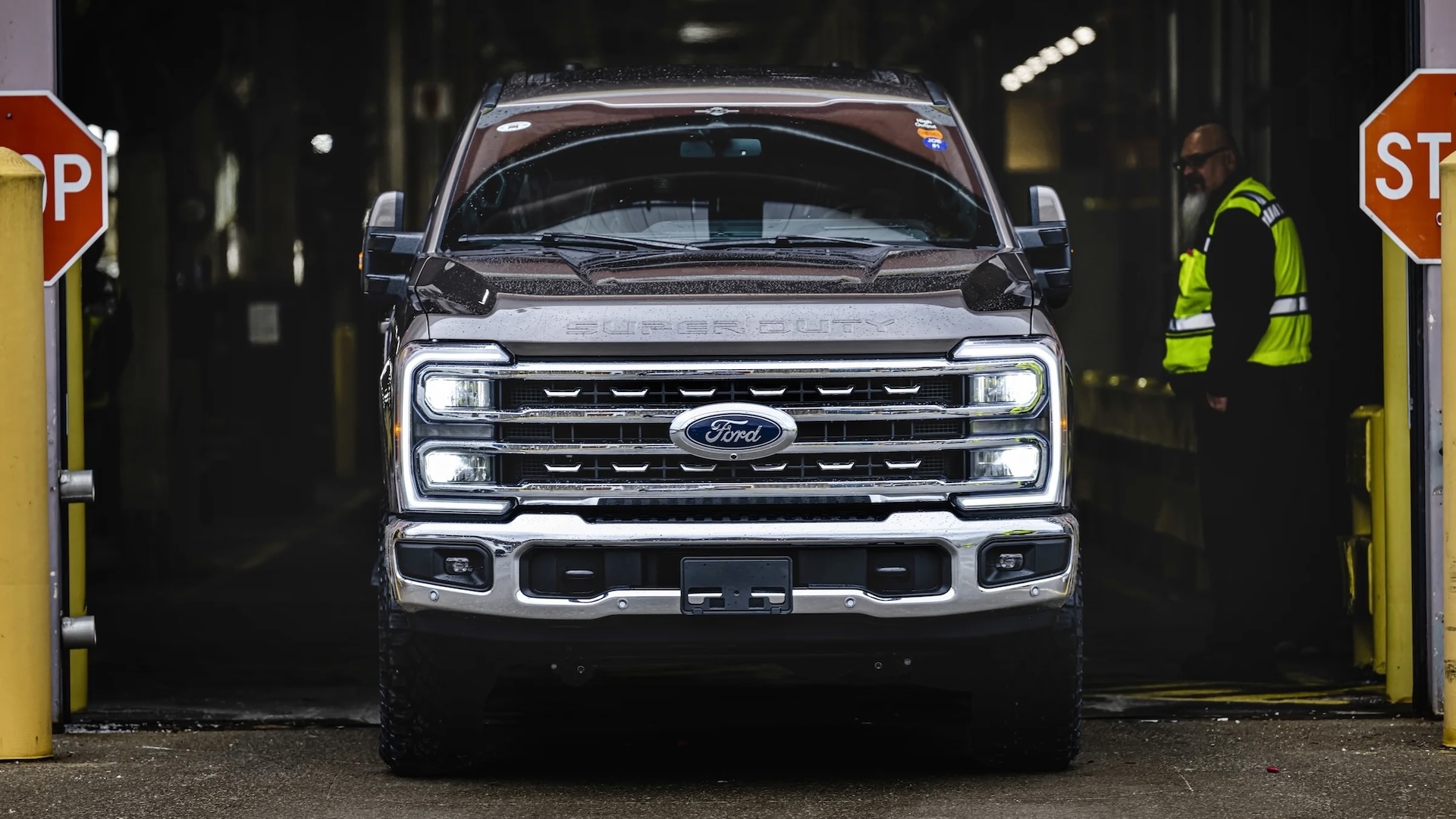
We Chose This. Pedestrians Paid For It.
The data on what larger vehicles do to human bodies has been sitting in plain sight — and so has our answer to it.

San Diego Gave NASCAR a Fleet of F-35s and a Nuclear Carrier. The Race Almost Felt Like an Afterthought.
When the spectacle outguns the sport, motorsport has a choice to make about what it actually is.
From the other desks.
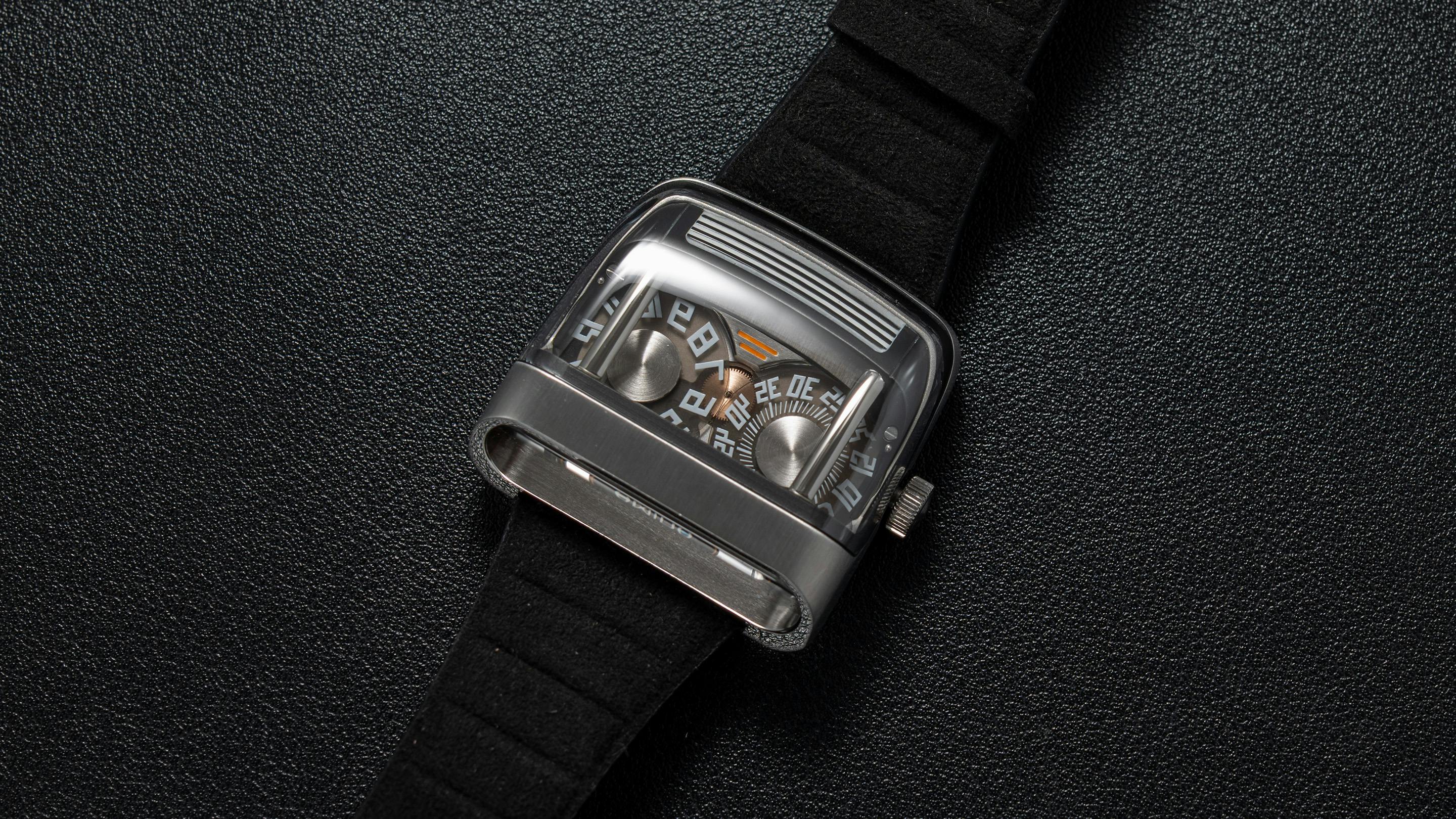
Sapphire Hood, Jumping Hours, 150 Units — Amida Isn't Asking
The Digitrend OSII Black didn't soften its edges to get worn. It just started glowing.

Edmonton Knows Exactly What It's Hiring
Mike Babcock is back in an NHL building, and the Oilers just told you everything about where they think they are.

Anthropic Moved Into Your Office and Nobody Checked the Lease
Claude is now a Slack teammate — and the real question isn't whether it helps you work faster.