San Diego Gave NASCAR a Fleet of F-35s and a Nuclear Carrier. The Race Almost Felt Like an Afterthought.
When the spectacle outguns the sport, motorsport has a choice to make about what it actually is.

Photo · Latest Content - Autoweek
There's a version of this weekend where you talk about Corey Heim's breakthrough Cup win, or Shane van Gisbergen's brutal slide below the playoff cutline, or Tyler Reddick watching a late lead dissolve into heartbreak. All of that happened. All of it matters. And yet, reading across four separate accounts of NASCAR's San Diego weekend, a different story keeps insisting on itself.
Thirteen of the stars weren't race cars.
Autoweek made that observation plain: F-35s, Super Hornets, Seahawks, and a nuclear carrier shared the weekend's spotlight with the Cup field. That's not a detail. That's a programming decision. And it raises a question the sport is going to have to answer more honestly than it has so far.
When the Venue Becomes the Event
NASCAR racing on a military installation is a genuinely interesting idea — not cynically, but structurally. Temporary street courses force improvisation. Unusual venues create access problems and sight-line problems and logistical headaches that, when solved well, produce something that feels alive rather than processed. The San Diego experiment, by most accounts, worked well enough that Autoweek reported it may be just the beginning — a proof of concept for future events at similar venues.
That's worth taking seriously. There's real creative ambition in the idea of motorsport breaking out of purpose-built ovals and into places with their own identity and weight. A military base carries a specific gravity. The machines on that flight line have a specific purpose. Put stock cars next to an aircraft carrier and you're making a statement about American power and spectacle that is, at minimum, coherent.
But coherence and clarity aren't the same thing. When 13 of the weekend's headline acts fly rather than drive, the race risks becoming the intermission.
The Race Itself Was Unquiet
To be fair to the sport: what happened on track was not boring. Heim's win, as Autoweek covered it, came through the wreckage of van Gisbergen's crash and the slow-motion cruelty of Reddick's late fade — the kind of finish that produces genuine emotion rather than manufactured drama. Van Gisbergen, meanwhile, is now outside the playoff field, which for a driver of his pedigree is the sort of number that doesn't just sting in the moment. It compounds.
Those are real stories. Characters under pressure. Stakes that existed before the weekend started and will exist long after the jets flew home.
The tension, though, is this: the military showcase and the racing weren't really in conversation with each other. They occupied the same geography on the same weekend, and the crowds apparently showed up for both, but they didn't need each other to work. That's not integration. That's co-location.
What NASCAR Is Asking of Itself
If the military-base experiment scales — if NASCAR genuinely pursues more installations, more street courses, more venues that bring their own spectacle — the sport is betting that novelty compounds rather than dilutes. Maybe it does. The Formula 1 calendar has proven that unusual venues can create moments that a Midwest oval simply cannot.
But F1's street races still put the car first. Monaco is about the car navigating the impossible. The cars aren't sharing top billing with superyachts.
NASCAR in San Diego shared top billing with an aircraft carrier. That's a different negotiation.
The race produced a real winner, a real loser, and a real playoff picture that just got sharper. The weekend produced something harder to categorize — a proof that the sport can command a military base, surround itself with the most visually dominant machines the American government builds, and still put on a race worth watching.
The question nobody in the coverage quite asked is whether that's a ceiling or a floor.
Keep reading cars.
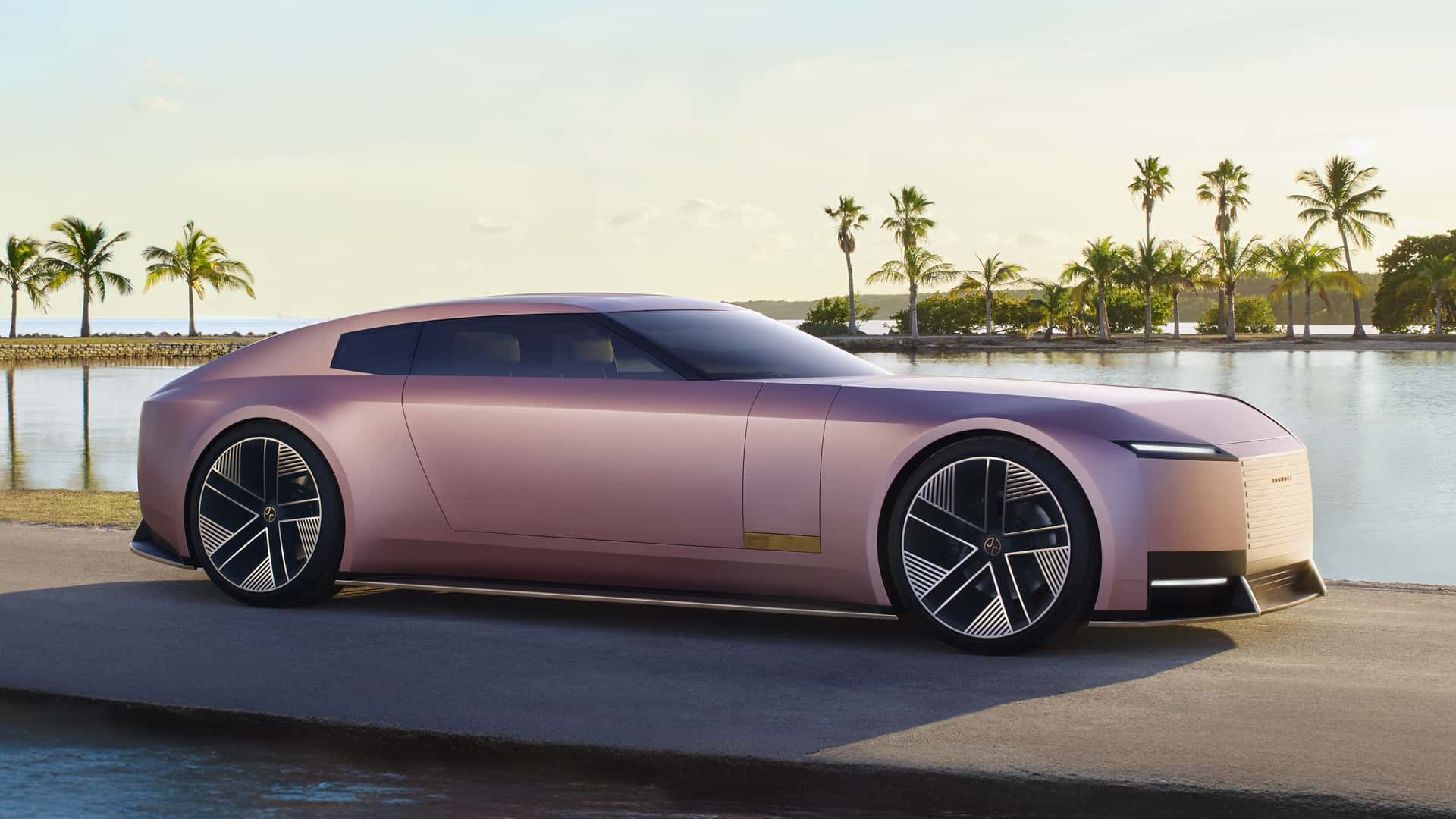
Ian Callum Loved Jaguar Enough to Say It Out Loud
The man who shaped the brand for two decades looked at its future and found something missing.
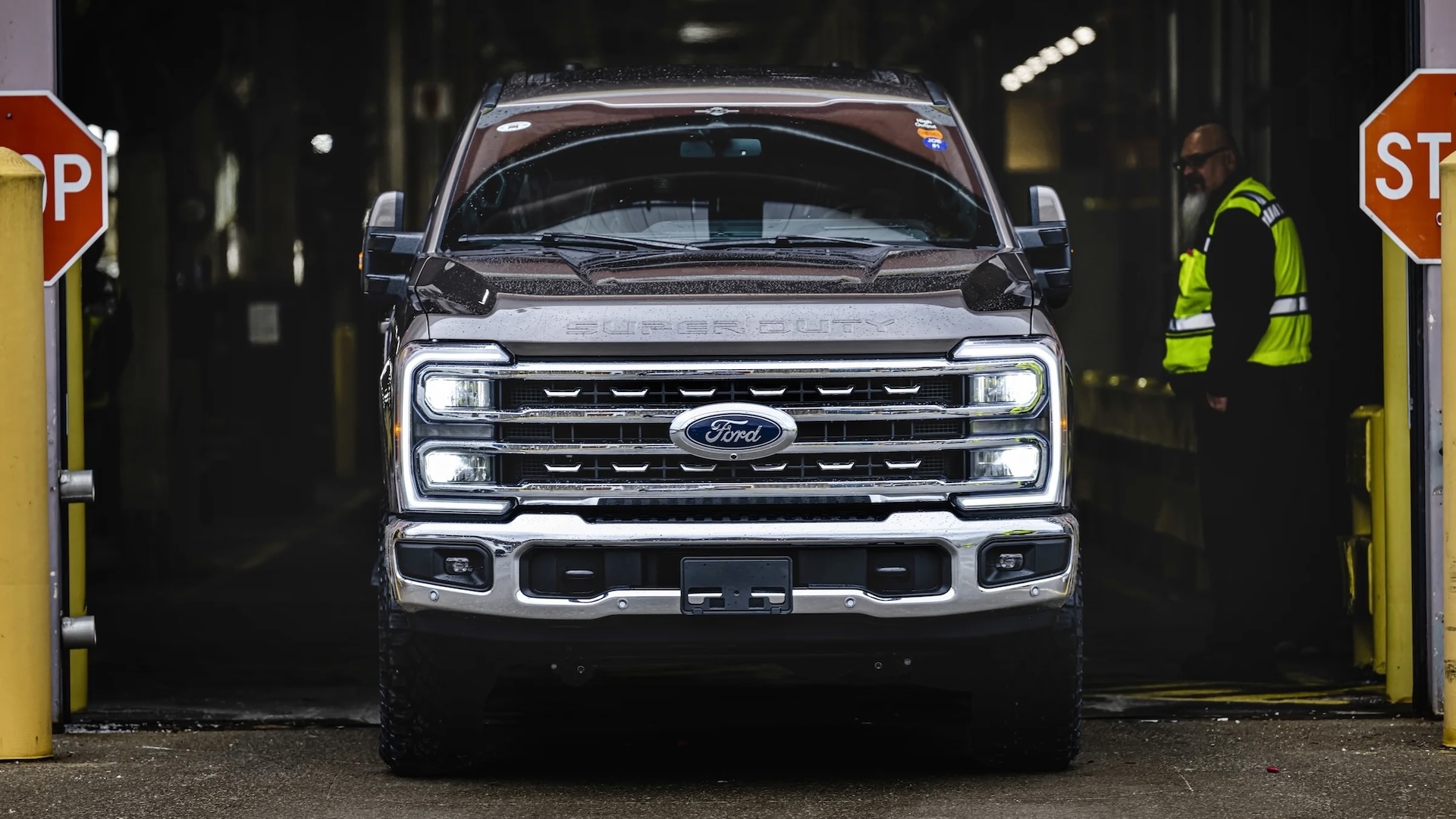
We Chose This. Pedestrians Paid For It.
The data on what larger vehicles do to human bodies has been sitting in plain sight — and so has our answer to it.
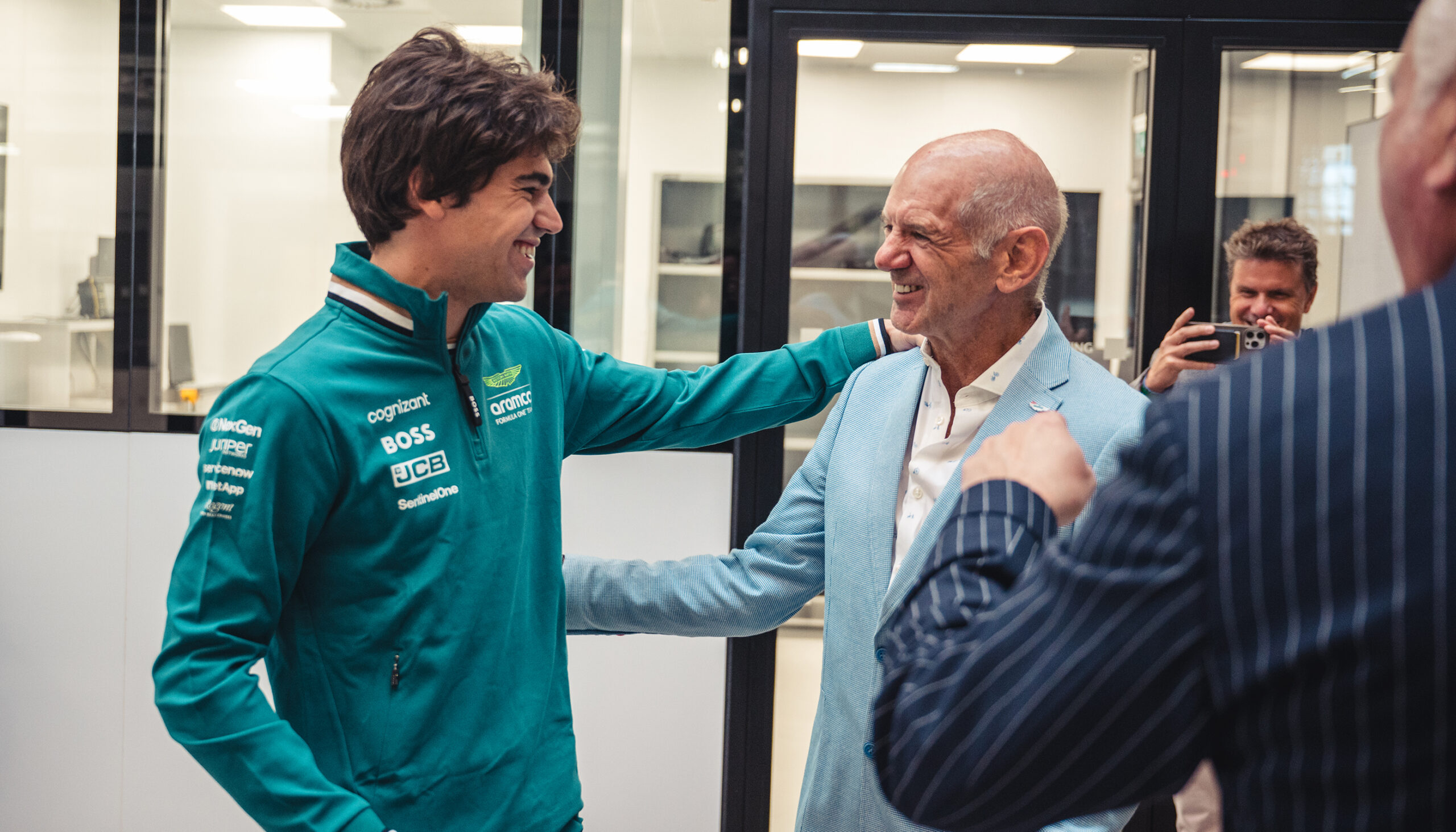
Three Teams, Three Lifelines, One Season to Get It Right
The 2026 F1 driver market isn't a reshuffling — it's a stress test for whether ambition alone can hold a team together.
From the other desks.
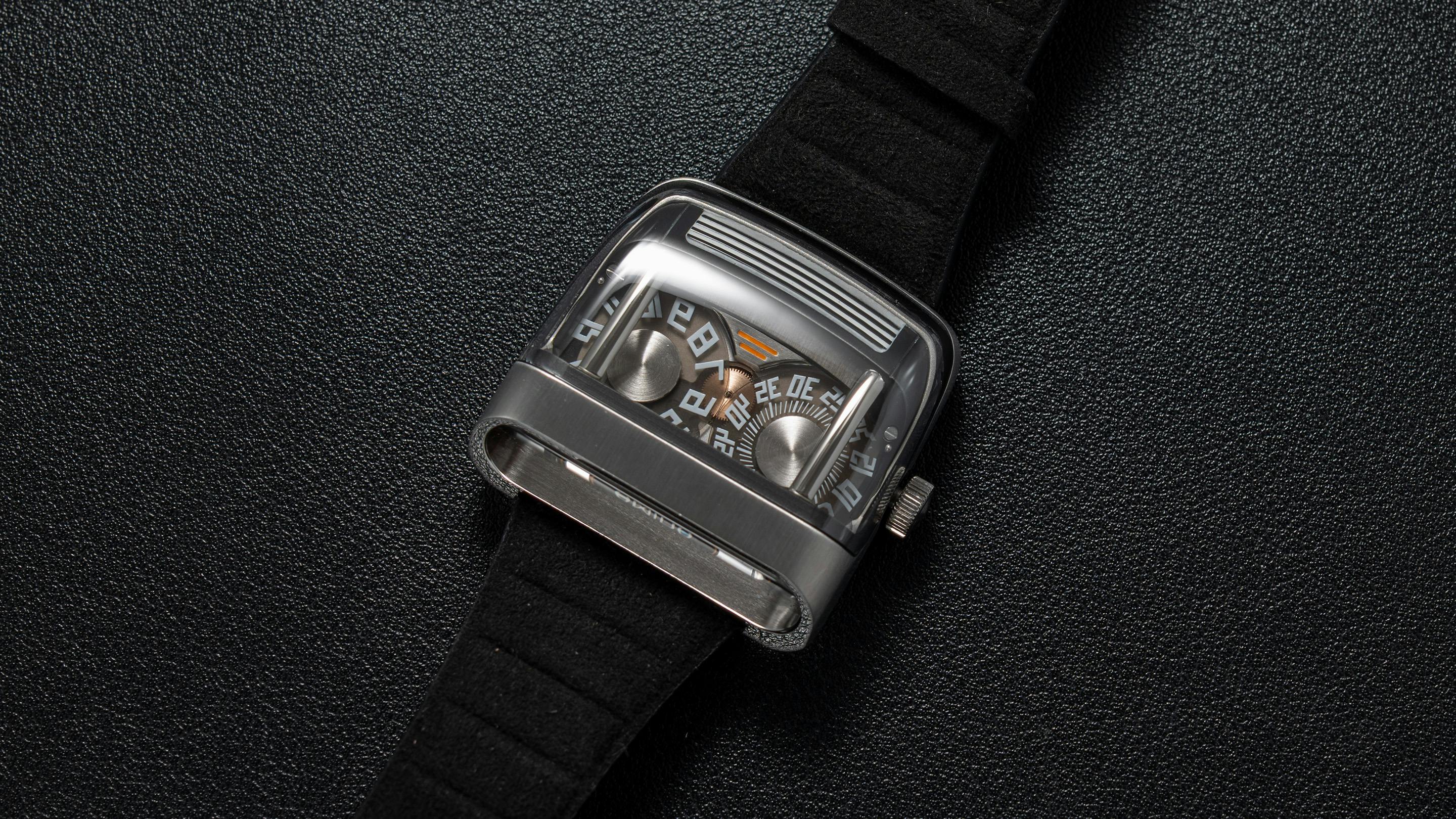
Sapphire Hood, Jumping Hours, 150 Units — Amida Isn't Asking
The Digitrend OSII Black didn't soften its edges to get worn. It just started glowing.

Edmonton Knows Exactly What It's Hiring
Mike Babcock is back in an NHL building, and the Oilers just told you everything about where they think they are.

Anthropic Moved Into Your Office and Nobody Checked the Lease
Claude is now a Slack teammate — and the real question isn't whether it helps you work faster.