The Screen Won. Now What?
Mercedes put a drive-thru menu in the new electric C-Class, and the backlash says everything about where this arms race was always headed.
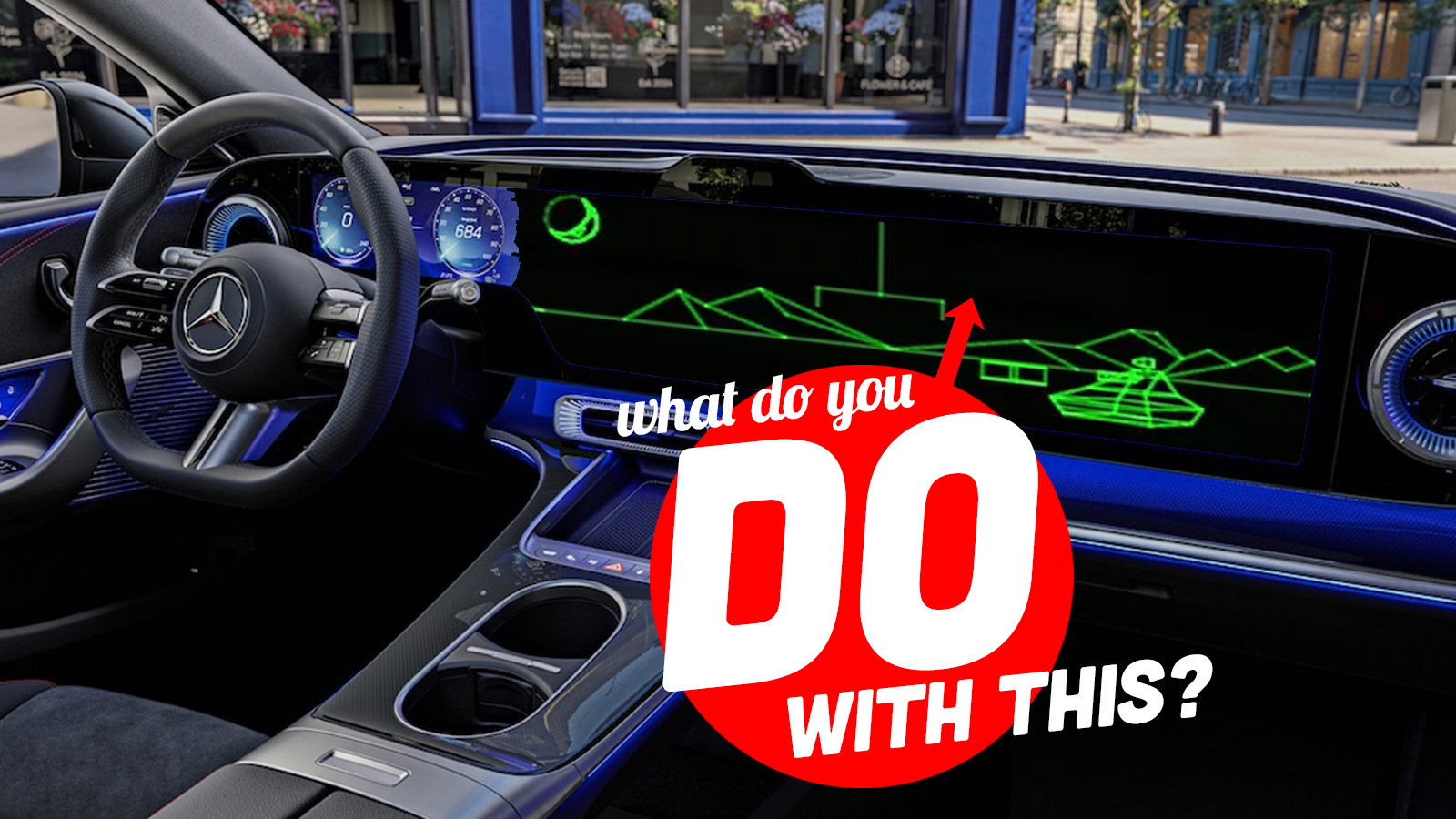
Photo · The Autopian
There's a moment at a fast food drive-thru — you know the one — where the menu board is so large, so aggressively lit, so packed with options that you forget what you came for. Writers at The Autopian looked at the interior of the incoming electric Mercedes-Benz C-Class and landed on exactly that comparison. A drive-thru menu. Inside a car that, not long ago, stood for a certain kind of restrained German seriousness.
That image hasn't left me.
The Arms Race Has a Winner, Sort Of
The Autopian's coverage traces the arc cleanly: infotainment screens have been escalating for years, the Tesla Model S portrait setup accelerated the whole thing, and the last five years turned it into something closer to a competition than a design philosophy. Automakers stopped asking should we and started asking how much. Mercedes, with this C-Class EV, appears to have answered: more.
The screen in question spans the dashboard in a way that reframes the entire cabin around it. It isn't a screen you glance at. It's a screen you inhabit. The Autopian called it colossal. They called it absurd. They wrote two separate pieces about it, which tells you something — you don't do that for something you've already made peace with.
What's interesting isn't the screen itself. It's that Mercedes knows the backlash is real and leaned in anyway. That's either confidence or stubbornness, and from the outside, those look identical.
When Theater Replaces Utility
Here's what both pieces are circling without quite landing on: there's a version of this that works, and a version that doesn't, and the difference isn't size. It's intent. A screen that makes driving simpler, that gets out of your way when you're moving and surfaces what you need before you need it — that's a tool. A screen that dominates the visual field, demands attention, and turns the act of adjusting the temperature into a UI exercise — that's a statement.
Mercedes has been making statements with screens for a while now. This C-Class EV feels like the statement getting louder because the room stopped listening.
The drive-thru comparison stings because it's accurate in a specific way: drive-thru menus aren't designed for the customer's ease. They're designed to upsell, to overwhelm, to fill every inch of available space with something to want. When that logic migrates into a car interior, the cabin stops being a cockpit and starts being a storefront.
I keep coming back to the word screenification — The Autopian's word, and a good one. It captures the process, not just the result. A thing being gradually replaced by its own interface. The steering wheel is still there. The seats are still there. But increasingly, the car is the screen, and everything else is peripheral.
The backlash is real, documented, and apparently not enough to slow anyone down. Which means the people building these cars either believe the critics are wrong, or believe the critics are a minority who will adapt. Maybe both.
Either way, the electric C-Class is coming, and it's bringing that dashboard with it. Whether that feels like progress depends entirely on what you think a car is for.
Keep reading cars.

800 Horsepower, One Ton of Doubt
Lamborghini built the most powerful SUV it's ever made. It's also slower than what it replaced.

£11,990 Draws a Line Under Every Excuse You Had Left
Dacia just made the cheapest new car in Britain electric — and that's not a footnote, it's a verdict.
Blanc Éternel Hides Its Speed Behind a Gas Cap
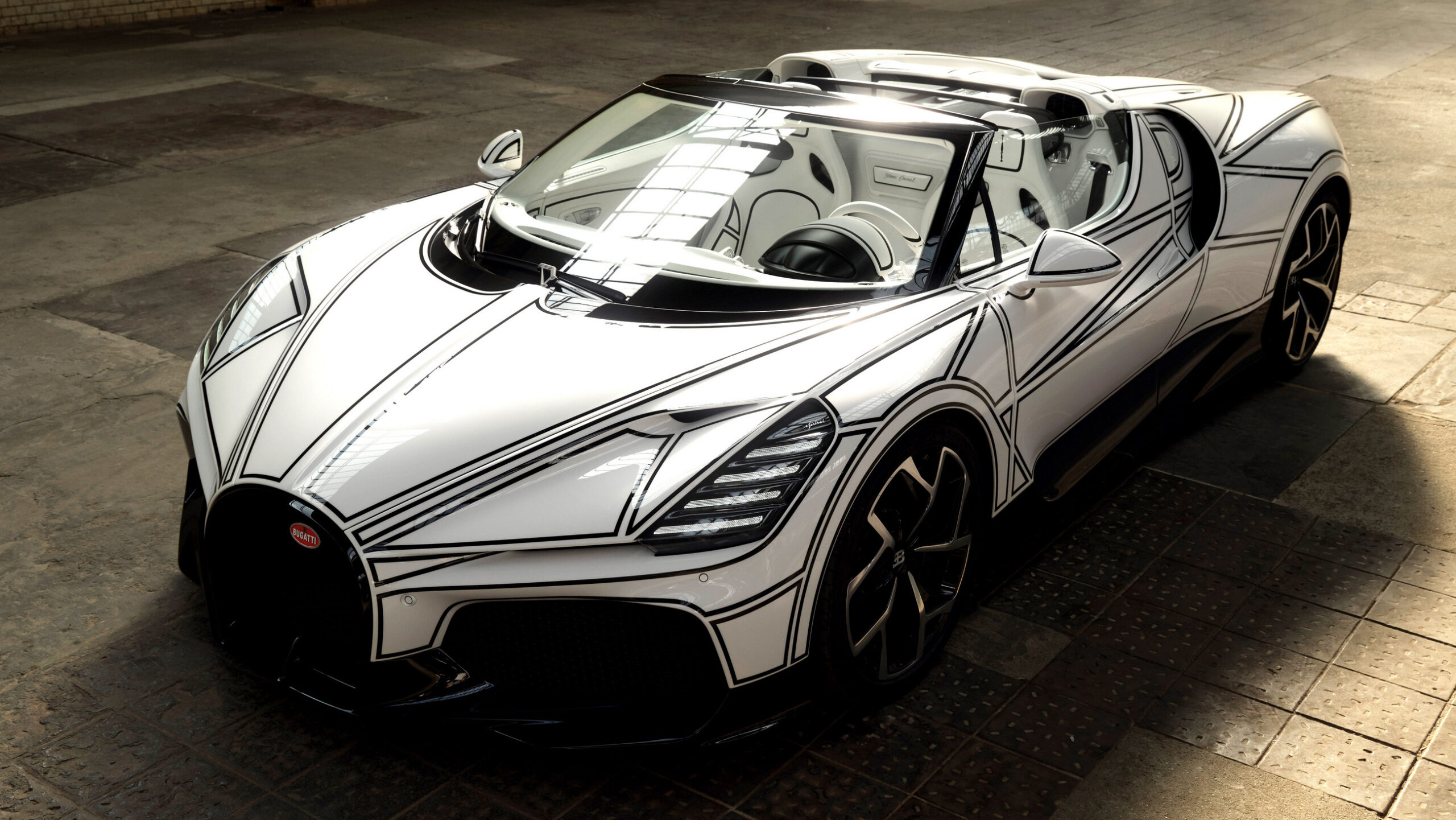
Bugatti built a 261-mph roadster and made sure you'd notice the porcelain first.
From the other desks.

Gold Leaf on a Lacquer Dial, and the Weight of What That Costs
Awake's Frosted Leaf Royal Blue asks a question Vietnamese craft has never quite had to answer at this price.

ESPN Named Him. Then Unnamed Him. Nobody's Explaining the Gap.
A retraction without a reckoning is just a deleted link.

Hide My Email Has Been Showing Your Email
Apple's privacy flagship has a hole in it. They've known for over a year.