Thirty Years of Progress, Captured in About Four Seconds of Footage
The IIHS put a 2026 Chevy Blazer into a 1996 model and the result isn't satisfying — it's haunting.
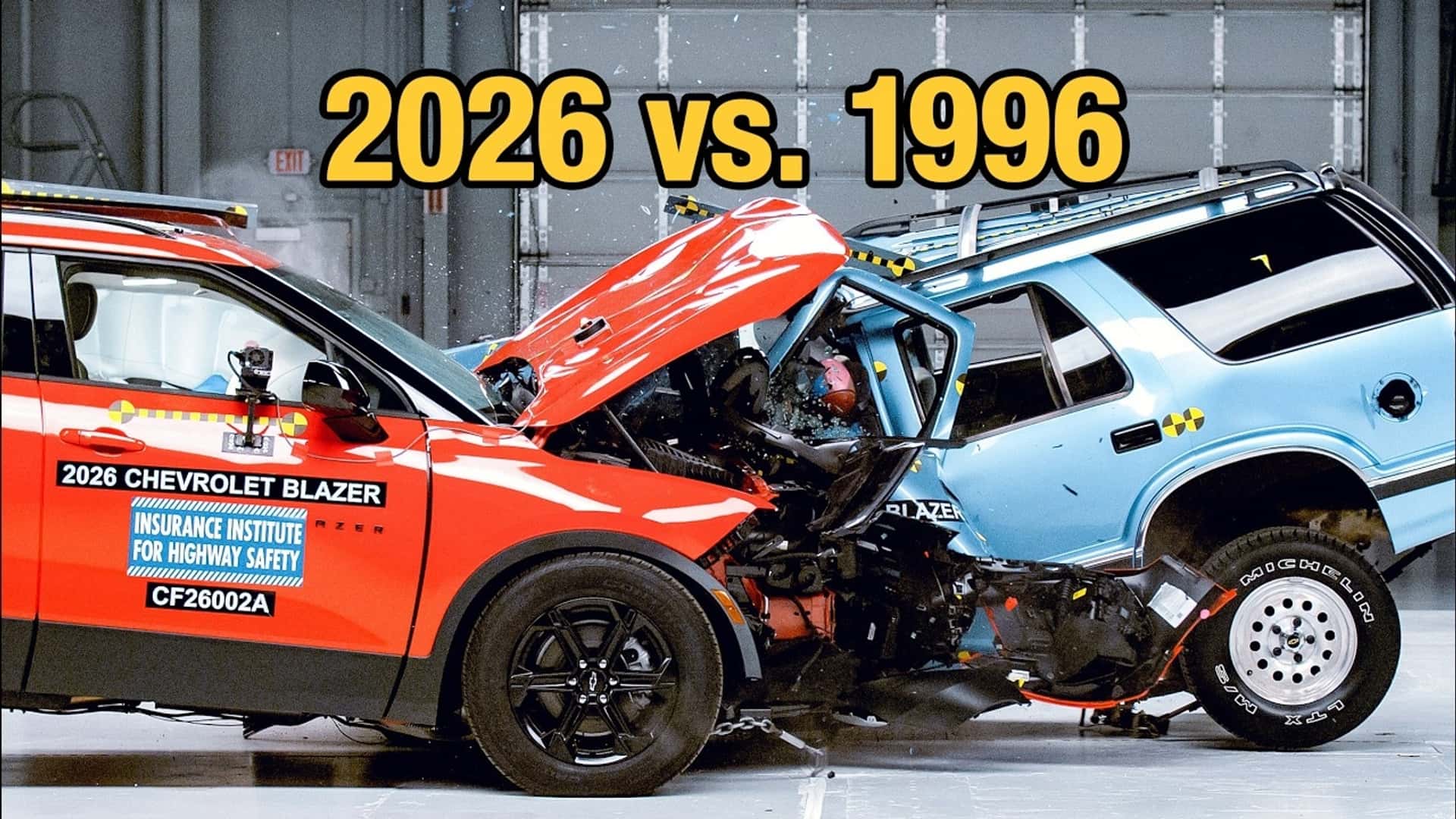
Photo · Motor1.com - Articles
Nobody should enjoy watching this video.
The Insurance Institute for Highway Safety ran a 2026 Chevy Blazer into a 1996 Chevy Blazer — a controlled overlap crash test, the kind designed to reveal what actually happens to the passenger cabin when metal meets metal. The outcome was predictable before a single camera rolled. Thirty years of federal mandates, engineering iteration, and hard-won safety research were always going to win. What nobody quite prepares you for is how completely the old truck ceases to exist as a protective structure. Not bent. Not compromised. Gone, functionally, as a place a human being could survive.
The footage is the story. And the story is uncomfortable.
What the Camera Sees
The 1996 model's cabin collapses in a way that reads less like a mechanical failure and more like an admission. The kind of admission that arrives thirty years too late. A writer at The Autopian noted some ambivalence about these matchup tests — the sense that they can feel like a setup, a foregone conclusion dressed up as revelation. That's a fair instinct. But it's also exactly what makes this footage worth watching anyway, because the discomfort isn't in the result. It's in the recognition.
People drove those trucks. Parents drove those trucks with children in the back. Not because they were reckless, but because that was the available technology, the accepted standard, the thing on the lot when the lease was up. The 2026 Blazer's cabin holds. The dummy inside it represents someone who walks away. The dummy in the 1996 represents someone who doesn't.
Motor1 called the footage chilling, and that's the right word — not because it's dramatic, but because it's quiet and fast and final.
The Permission to Say It Out Loud
What these tests actually do — what this one does, specifically — is give safety permission to be the narrative. For decades, the conversation around cars defaulted to performance, styling, value, the occasional reliability ranking. Safety was a checkbox, a star rating buried in the fine print, something that lived in the brochure between the cup holder count and the towing capacity.
The IIHS has been running these generational comparisons long enough now that the pattern is undeniable. Modern cars are categorically, measurably, visibly safer than the ones they replaced. That's not a marketing claim. That's a crumple zone holding its shape while thirty-year-old steel folds like paper.
The harder question — the one neither source quite lands on directly — is what we do with that information about the past. There's a version of this story that's triumphant: look how far we've come. And there's a version that sits with you differently at night: look how long it took. Look at what we were selling, and buying, and calling safe.
The 1996 Blazer wasn't considered a deathtrap when it rolled off the line. It was a truck. A popular one. The standards of the moment said it was fine.
The standards of the moment always say it's fine.
That's the part worth carrying out of the footage — not the satisfaction of progress, but the humility to wonder what we're accepting right now that thirty years from now will look exactly like that cabin looks today.
Keep reading cars.

800 Horsepower, One Ton of Doubt
Lamborghini built the most powerful SUV it's ever made. It's also slower than what it replaced.

£11,990 Draws a Line Under Every Excuse You Had Left
Dacia just made the cheapest new car in Britain electric — and that's not a footnote, it's a verdict.
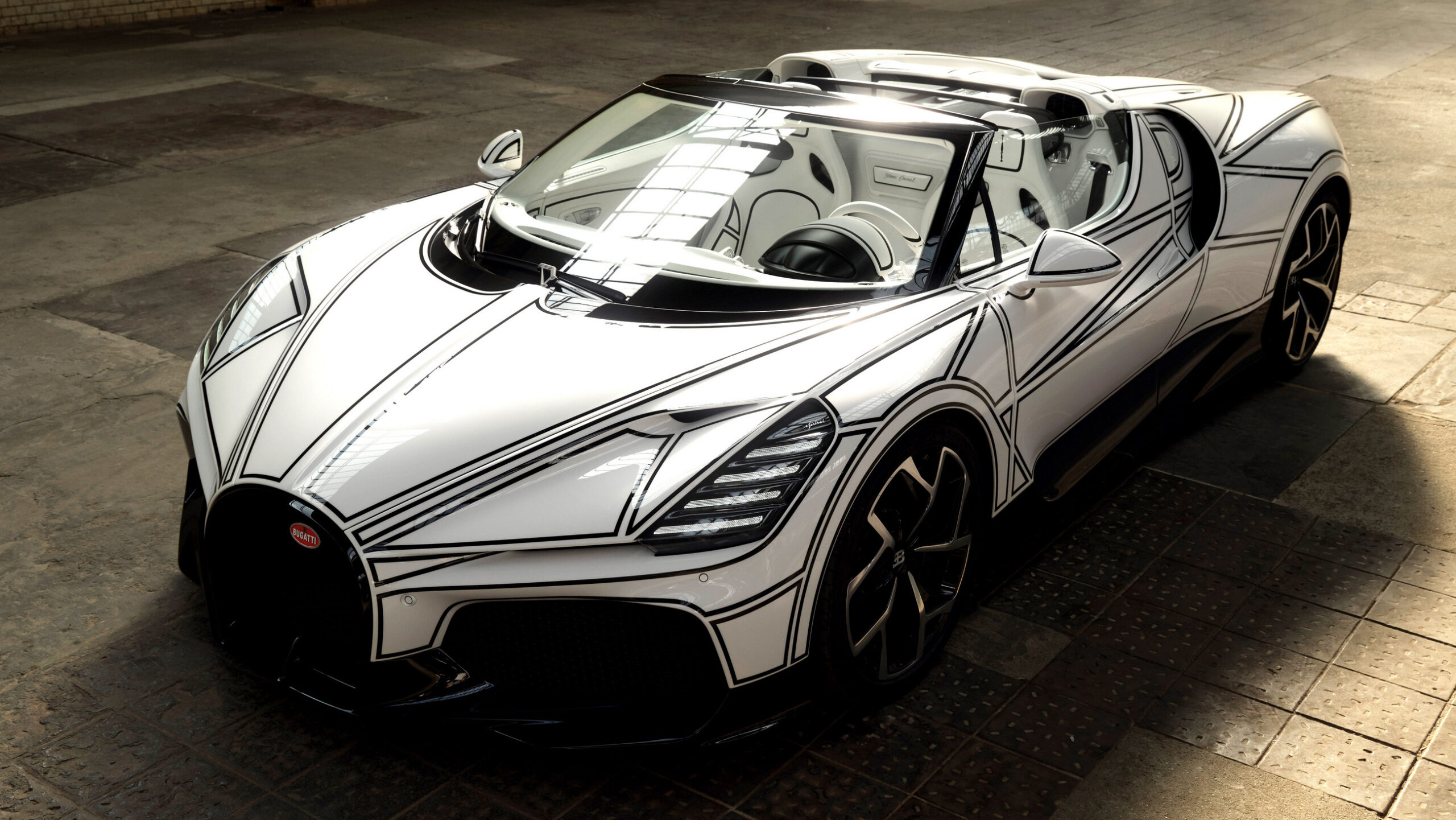
Blanc Éternel Hides Its Speed Behind a Gas Cap
Bugatti built a 261-mph roadster and made sure you'd notice the porcelain first.
From the other desks.

Gold Leaf on a Lacquer Dial, and the Weight of What That Costs
Awake's Frosted Leaf Royal Blue asks a question Vietnamese craft has never quite had to answer at this price.

ESPN Named Him. Then Unnamed Him. Nobody's Explaining the Gap.
A retraction without a reckoning is just a deleted link.

Hide My Email Has Been Showing Your Email
Apple's privacy flagship has a hole in it. They've known for over a year.