Under $25,000, Crank Windows, No Apology
Slate built a truck that costs less than a decent used F-150, and the coverage can't decide if that's genius or a problem.
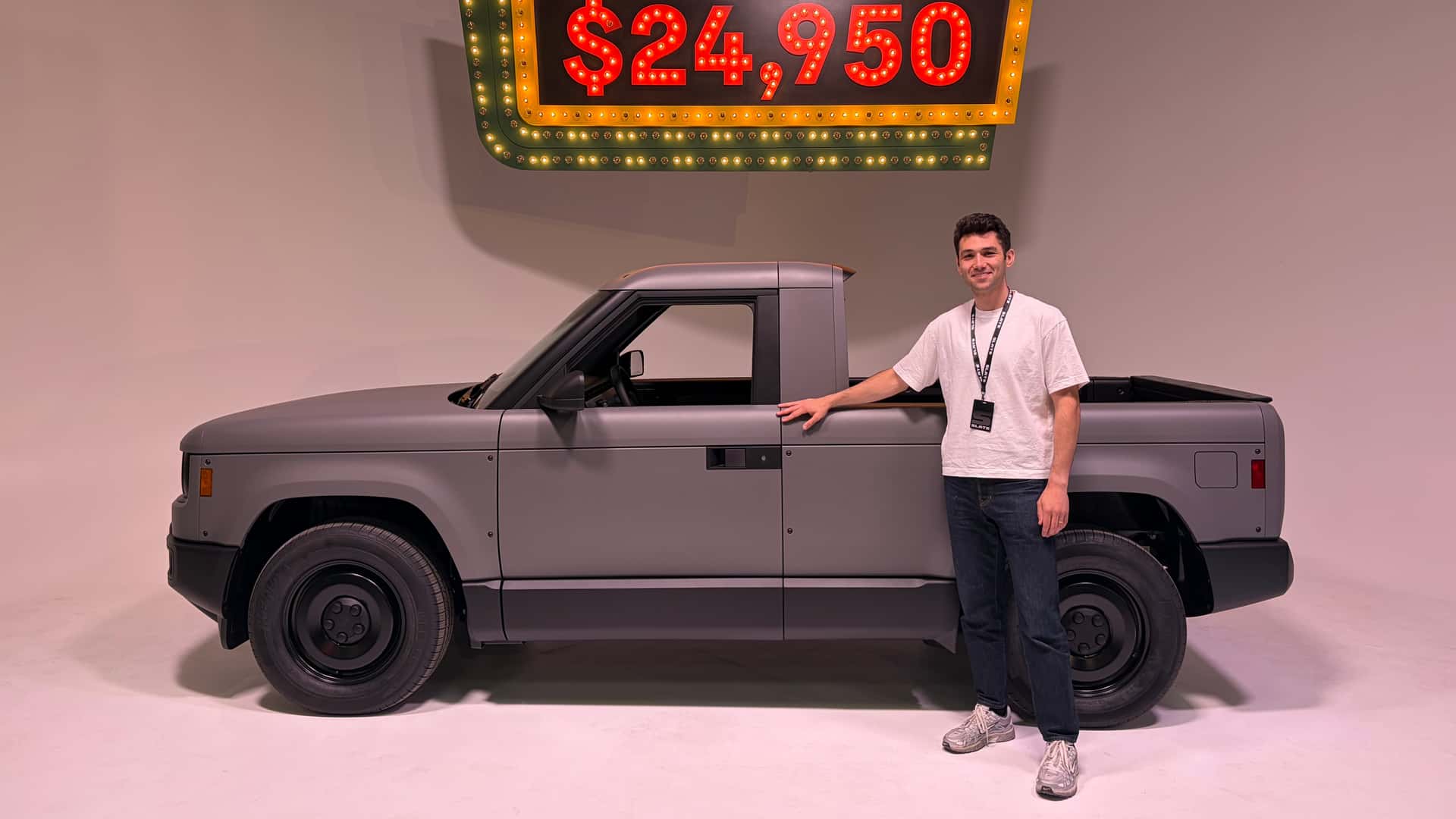
Photo · InsideEVs - Articles
Here's the thing nobody covering this truck wants to say plainly: the American auto industry spent forty years convincing buyers that wanting less was somehow embarrassing. Slate didn't get that memo, or they got it and threw it away.
The Slate electric pickup starts at $24,950. That number lands differently depending on who's saying it — relief, disbelief, suspicion. One Electrek report noted that with state-level EV rebates, some buyers could take one home for under $20,000, though those discounts vary hard by location and income, and there's no guarantee Slate qualifies for all of them. The floor is real but conditional. That's worth knowing before you build the fantasy.
The Windows Will Tell You Everything
The most argued-over detail on this truck isn't the range or the bed or the starting price. It's the windows. Crank windows. Manual. The Autopian went deep on this, and the conclusion was pointed: Slate's crank windows don't quite measure up to the ones in your old truck. The mechanism is different enough from vintage roll-downs that it drew a full comparative review — which is either the best possible argument for the truck's character or a sign that the execution didn't fully commit to the bit. Either way, one writer at InsideEVs rode in one and reported back on the interior, the crank windows, and the ride quality, finding the whole package surprisingly coherent despite how stripped-back it is.
Stripped-back is doing some heavy lifting there. The truck is deliberately, almost defiantly simple. No other car currently sold in the United States comes with crank windows. That's not a budget compromise — that's a position. Slate is saying that the window goes down when you turn the handle, and that is sufficient, and you are welcome to argue with them.
The counter-argument is already in the market. InsideEVs ran a piece noting that while the base truck is genuinely austere, the accessories menu can take you somewhere else entirely. The options add up. A $24,950 truck with enough add-ons becomes a different conversation — which is either a smart business model or a bait-and-switch depending on your generosity. Hagerty covered the gamification layer Slate built around early access, which says something about how the company is thinking about its buyers: not just as customers but as participants. Points, badges, competition. Amazon does this to warehouse workers. Slate is doing it to truck enthusiasts. Whether that's charming or cynical probably depends on whether you get the truck.
The Question Nobody's Answering
Both the InsideEVs and Electrek podcasts circled the same thing this week: can Slate actually succeed? The truck exists, the price is real, the crank windows turn. But success at this price point requires volume, and volume requires that this truck appeals to people who have never considered an EV, who buy trucks because they need trucks, who will absolutely notice that they're turning a handle to open a window in 2025.
That buyer exists. They're practical. They're not ideological about it. They want the thing to work and they want to not spend $60,000 on it. Slate is betting that this person is tired enough of being priced out that they'll meet the truck where it is.
I keep coming back to the crank windows not because they're a flaw but because they're a declaration. Every other manufacturer is racing toward more — more screen, more assist, more ambient lighting, more everything. Slate looked at that race and opted out. Whether the execution is perfect is almost beside the point. The argument the truck is making is worth taking seriously, even if you're not buying one.
Simplicity doesn't need defending. It needs to hold up. That's a harder ask.
Keep reading cars.

800 Horsepower, One Ton of Doubt
Lamborghini built the most powerful SUV it's ever made. It's also slower than what it replaced.

£11,990 Draws a Line Under Every Excuse You Had Left
Dacia just made the cheapest new car in Britain electric — and that's not a footnote, it's a verdict.
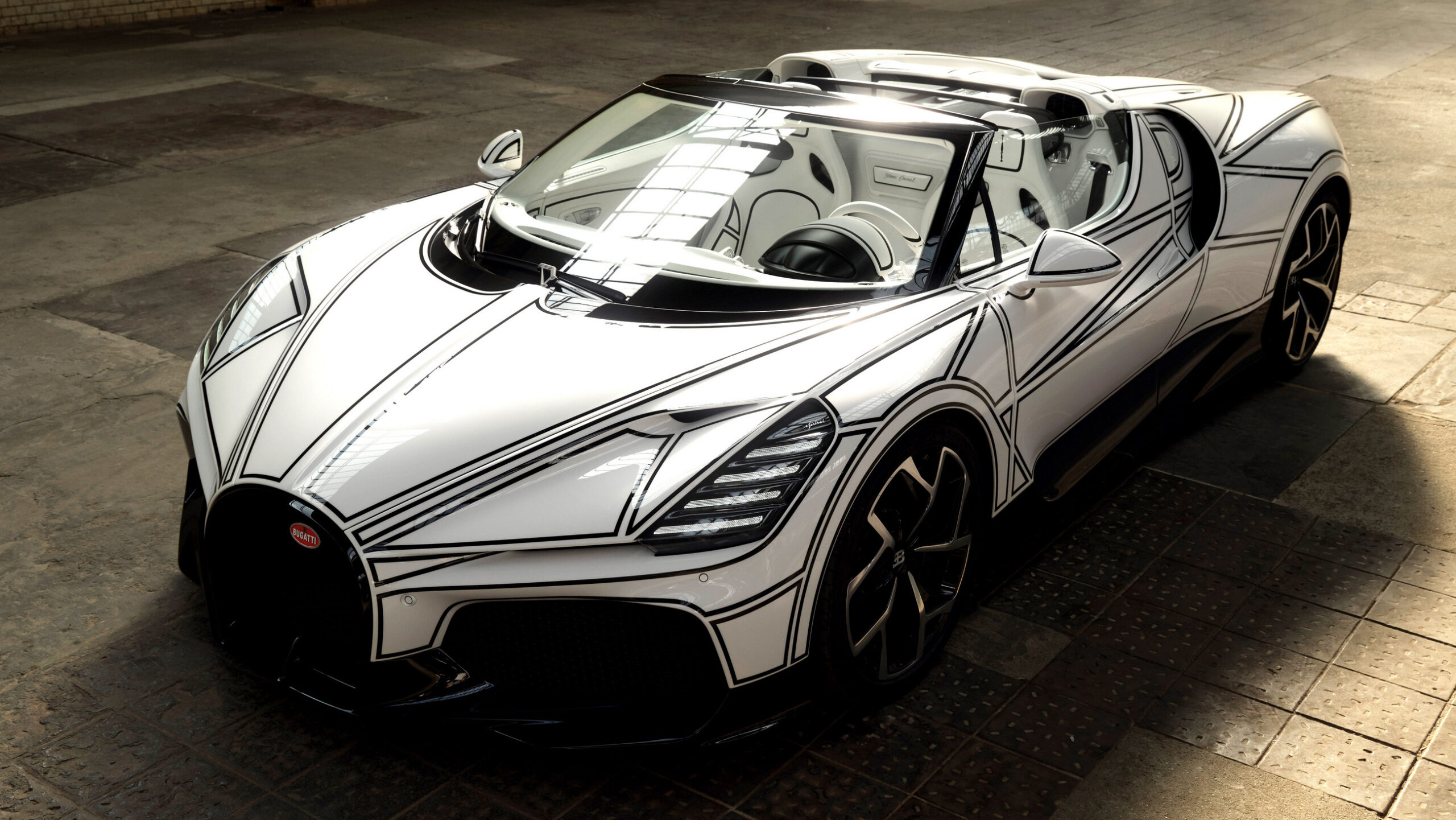
Blanc Éternel Hides Its Speed Behind a Gas Cap
Bugatti built a 261-mph roadster and made sure you'd notice the porcelain first.
From the other desks.

Gold Leaf on a Lacquer Dial, and the Weight of What That Costs
Awake's Frosted Leaf Royal Blue asks a question Vietnamese craft has never quite had to answer at this price.

ESPN Named Him. Then Unnamed Him. Nobody's Explaining the Gap.
A retraction without a reckoning is just a deleted link.

Hide My Email Has Been Showing Your Email
Apple's privacy flagship has a hole in it. They've known for over a year.