Used ID.4 Under Twenty Grand. The Math Just Changed.
When depreciation drops an electric crossover below a base Civic, the argument for buying gas stops making sense.
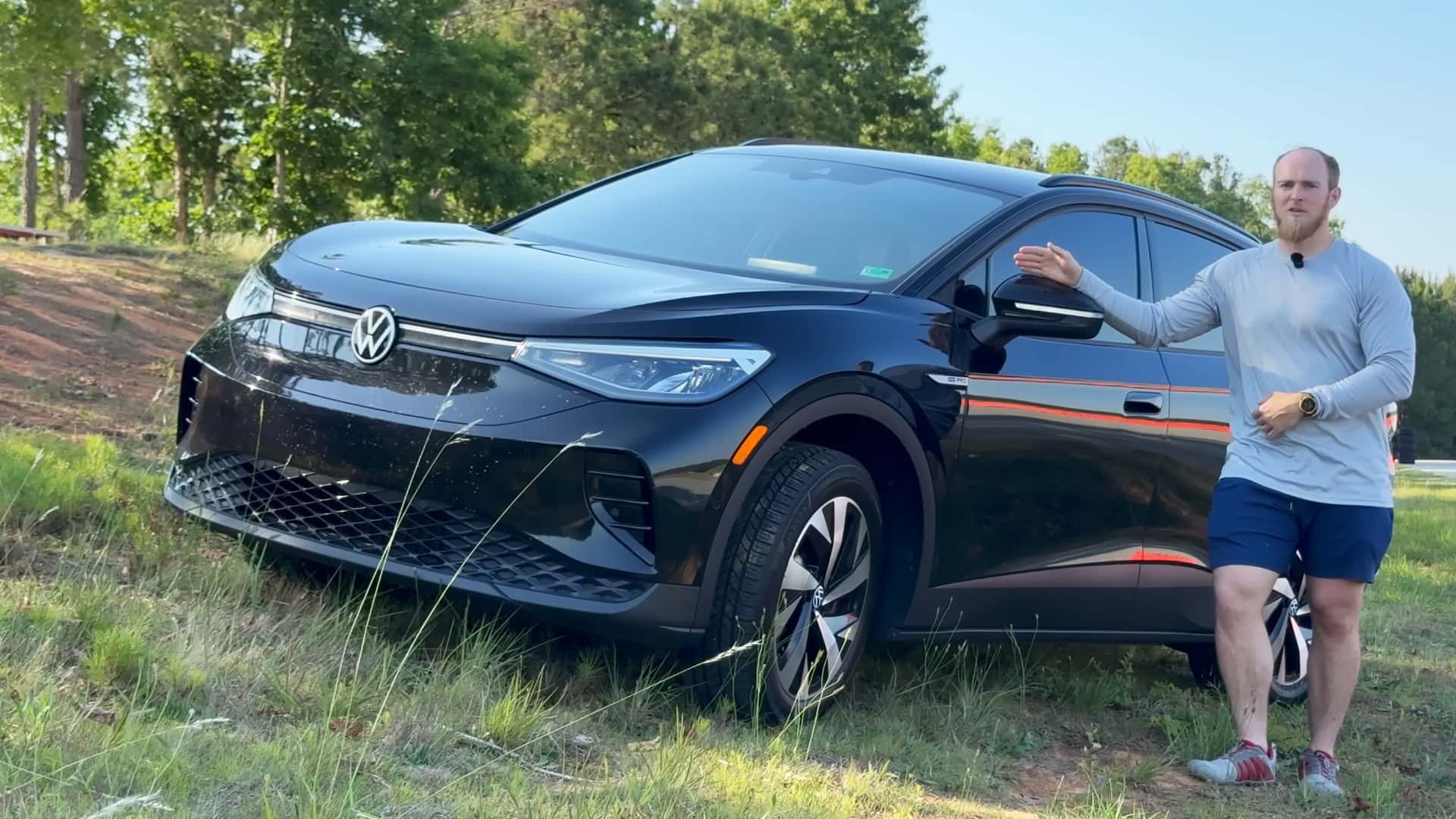
Photo · InsideEVs - Articles
The Floor Has Arrived
For a few years, EV depreciation looked like a problem. Resale values cratered, early adopters took the hit, and the secondhand market felt like a warning rather than an opportunity. Somewhere in that wreckage, a different story was forming.
A writer at InsideEVs has staked out the position clearly: a used Volkswagen ID.4, acquired for under $20,000, represents something more than a good deal on a specific vehicle. It represents a structural shift in how the ownership math works. The author found one — put ten thousand miles on it across five months — and came away saying it had been an incredible vehicle for the money. That sentence, plain as it is, carries real weight when you consider what that money used to buy.
Under twenty thousand dollars used to mean a high-mileage compact with a timing belt you'd be watching nervously. It meant budgeting for gas, insurance, and the particular anxiety of not knowing what's next. An ID.4 at that price point is a different proposition entirely — a crossover with a full electric drivetrain, no fuel costs, and the kind of depreciation curve that punished original owners but rewards whoever's buying now.
One Problem
The writer does mention there was one problem. That detail matters, because honest reporting on a vehicle at this price point requires acknowledging the friction. Used EVs carry their own risks — battery health chief among them — and anyone framing a sub-$20K electric car as pure upside without acknowledging what to watch for isn't doing the reader any favors. The piece doesn't ignore this.
But here's what I keep coming back to: the framing of a problem, singular, is itself a kind of endorsement. One problem. Five months. Ten thousand miles. Those numbers together suggest that whatever the issue was, it didn't define the ownership experience.
This is the moment the used EV market has been building toward, quietly, while everyone was still arguing about charging infrastructure and range anxiety. The new-car EV conversation has always had asterisks — the price, the tax credit eligibility, the wait. The used conversation is simpler. The depreciation already happened. You're just picking up what someone else put down.
Gas cars depreciate too, obviously. But they don't depreciate and eliminate fuel costs and reduce mechanical complexity simultaneously. When those three things converge at a price that used to mean settling for something, the calculus tips. It doesn't tip for everyone — range, charging access, and driving patterns still matter — but for a lot of people, the objections that felt legitimate at $35,000 start looking thin at $19,000.
The writer at InsideEVs isn't claiming the ID.4 is perfect. They're claiming it was worth it. That's a quieter argument, and it's the one that actually moves people.
Keep reading cars.
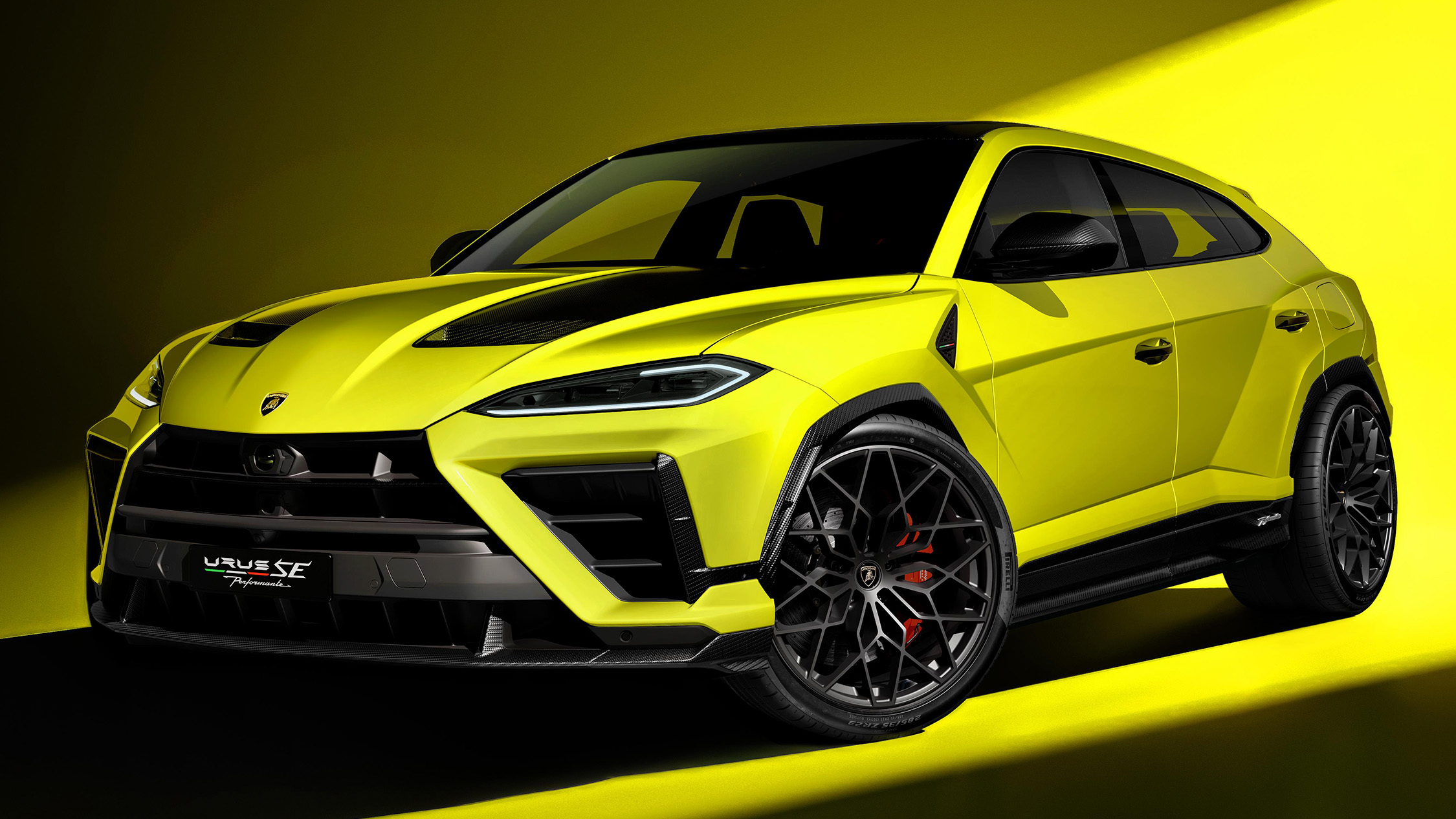
800 Horsepower, One Ton of Doubt
Lamborghini built the most powerful SUV it's ever made. It's also slower than what it replaced.

£11,990 Draws a Line Under Every Excuse You Had Left
Dacia just made the cheapest new car in Britain electric — and that's not a footnote, it's a verdict.

Blanc Éternel Hides Its Speed Behind a Gas Cap
Bugatti built a 261-mph roadster and made sure you'd notice the porcelain first.
From the other desks.

Gold Leaf on a Lacquer Dial, and the Weight of What That Costs
Awake's Frosted Leaf Royal Blue asks a question Vietnamese craft has never quite had to answer at this price.

ESPN Named Him. Then Unnamed Him. Nobody's Explaining the Gap.
A retraction without a reckoning is just a deleted link.

Hide My Email Has Been Showing Your Email
Apple's privacy flagship has a hole in it. They've known for over a year.