When the Last Gas Miata Ships, What Are We Actually Mourning?
Carscoops is reporting the next MX-5 could be the final one to run on gasoline — and that single sentence changes how you look at every one currently on the road.
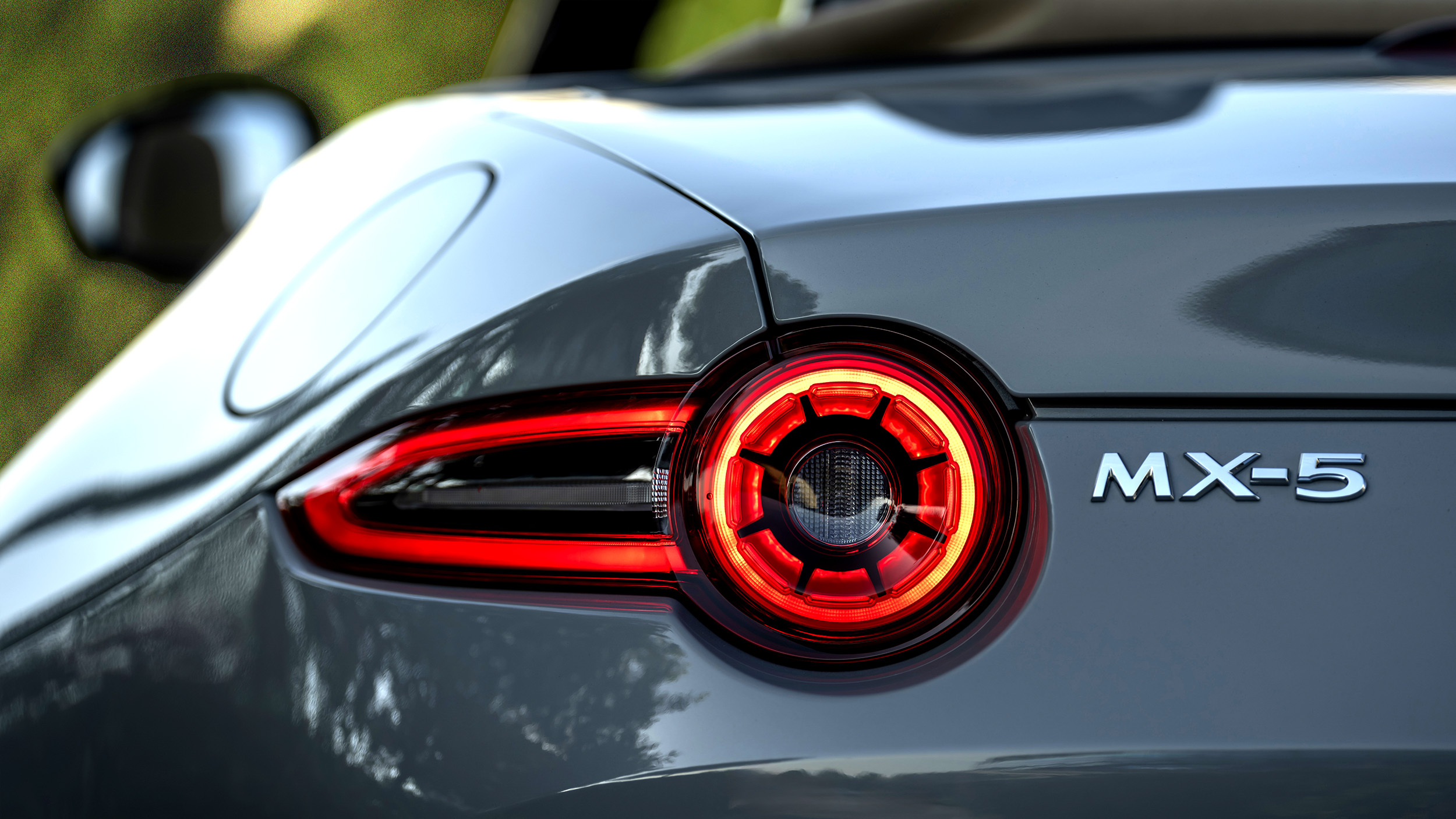
Photo · Carscoops
There's a specific kind of grief that arrives before the loss. Pre-emptive. You start cataloguing things you haven't lost yet.
Carscoops has staked out the position that the next-generation Mazda MX-5 could be the last to run on gasoline. Mazda, per the piece, wants to preserve what enthusiasts love about the Miata while acknowledging that electrification is no longer a distant negotiation. The publication frames it as a tension between identity and inevitability — and they're not wrong to frame it that way. But I think the more interesting question isn't whether Mazda can thread that needle. It's what it means that we're suddenly measuring every rev against an endpoint.
The Credibility Problem
The MX-5 has earned its reputation honestly. Small. Light. A gearshift that does exactly what you tell it. The formula hasn't drifted because the formula was never about power figures or segment conquest — it was about the ratio of input to response. You turn the wheel; the car turns. You press the pedal; the engine answers. That directness is the whole architecture.
Electrification doesn't automatically destroy that. Torque response in an EV is, in raw mechanical terms, faster than any combustion engine. But the Miata's soul was never just torque delivery. It was sound and heat and the particular rhythm of a small-displacement engine working. The way you manage revs on a back road isn't just a technique — it's a conversation. An EV doesn't conduct that conversation the same way. It's not worse, necessarily. It's different. And different, for an icon, is a credibility problem.
What Carscoops is really surfacing is that Mazda has to answer a question no marketing brief can resolve: when you remove the element that generated the emotional response, are you still making the same thing? Or are you making something new and calling it by the old name because the old name sells?
What the Last One Means
Here's what I keep turning over. The moment a writer at Carscoops can reasonably publish the phrase "could be the last one to burn gas," the current generation changes in meaning. Every MX-5 on a dealer lot right now is retroactively becoming something. Not a sports car. A document.
That's not necessarily bad. Some of the most interesting objects in any category are the ones caught at a transition — the last of one thing, the first of another. But it does put Mazda in a strange position. They've spent decades arguing the MX-5 is relevant precisely because it doesn't try to be historical. It's not a museum piece. It's what a sports car should be right now. If the next generation goes electric or hybrid, and the current one becomes the sentimental favorite, the brand has to manage two contradictory stories simultaneously: the car that refuses to be nostalgic, and the car everyone is suddenly nostalgic for.
That's a hard line to walk. Especially when the enthusiasts who would buy the electric version are the same ones composing elegies for the gas one.
Mazda has been more thoughtful about this tension than most. The coverage suggests they're not abandoning the brief — they're trying to carry it forward. I believe the intention. I'm just not sure intention survives the physics of what a battery pack does to a car that was always defined by what it didn't weigh.
The last gas Miata hasn't been built yet. But we're already deciding what it means.
Keep reading cars.

800 Horsepower, One Ton of Doubt
Lamborghini built the most powerful SUV it's ever made. It's also slower than what it replaced.

£11,990 Draws a Line Under Every Excuse You Had Left
Dacia just made the cheapest new car in Britain electric — and that's not a footnote, it's a verdict.
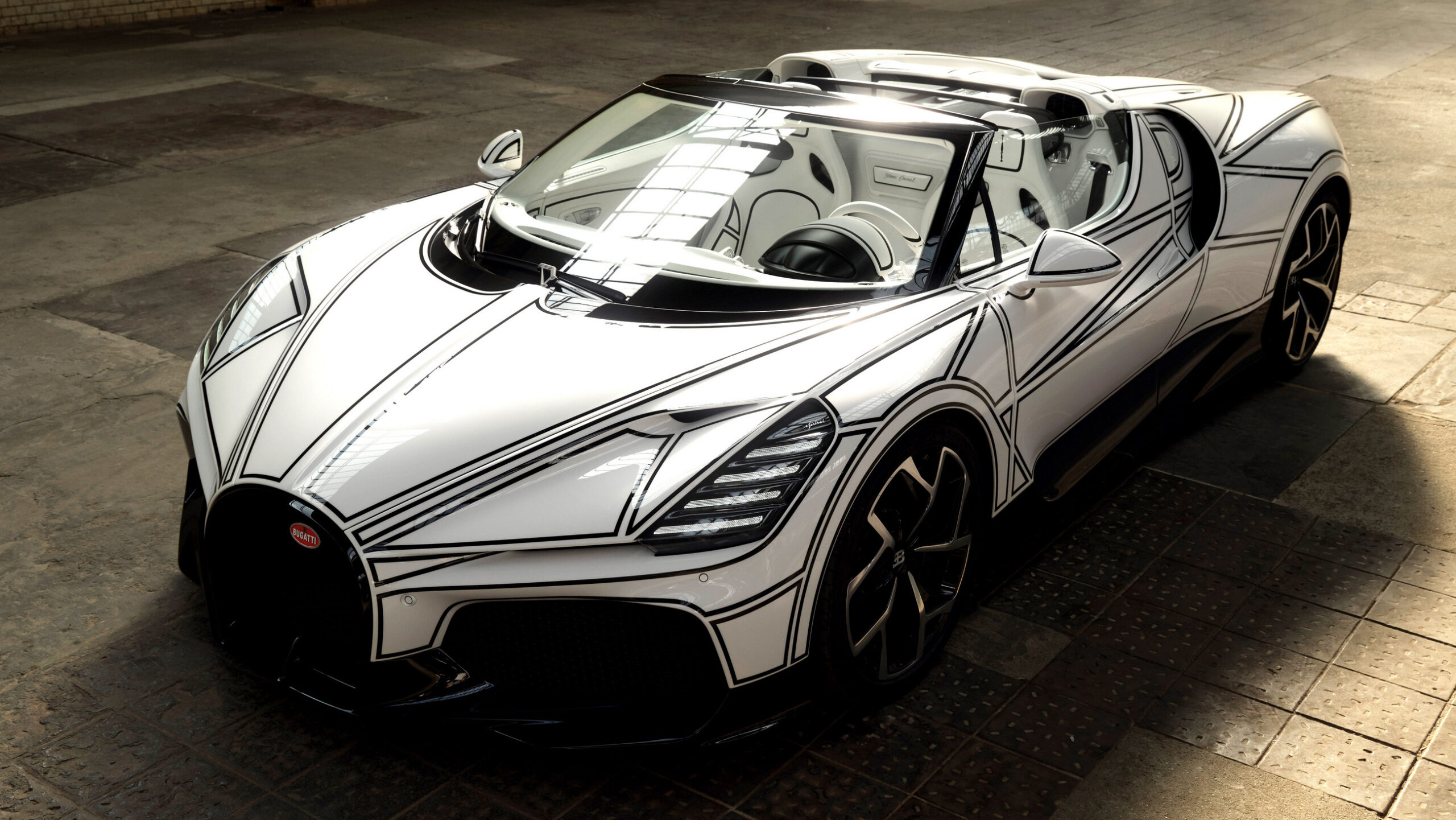
Blanc Éternel Hides Its Speed Behind a Gas Cap
Bugatti built a 261-mph roadster and made sure you'd notice the porcelain first.
From the other desks.

Gold Leaf on a Lacquer Dial, and the Weight of What That Costs
Awake's Frosted Leaf Royal Blue asks a question Vietnamese craft has never quite had to answer at this price.

ESPN Named Him. Then Unnamed Him. Nobody's Explaining the Gap.
A retraction without a reckoning is just a deleted link.

Hide My Email Has Been Showing Your Email
Apple's privacy flagship has a hole in it. They've known for over a year.